
Commercial Roofing Contractors Brooks, OR
Service AreasServing Salem and the central Willamette Valley
Request a Roof Assessment
Commercial roofing in Salem, Oregon
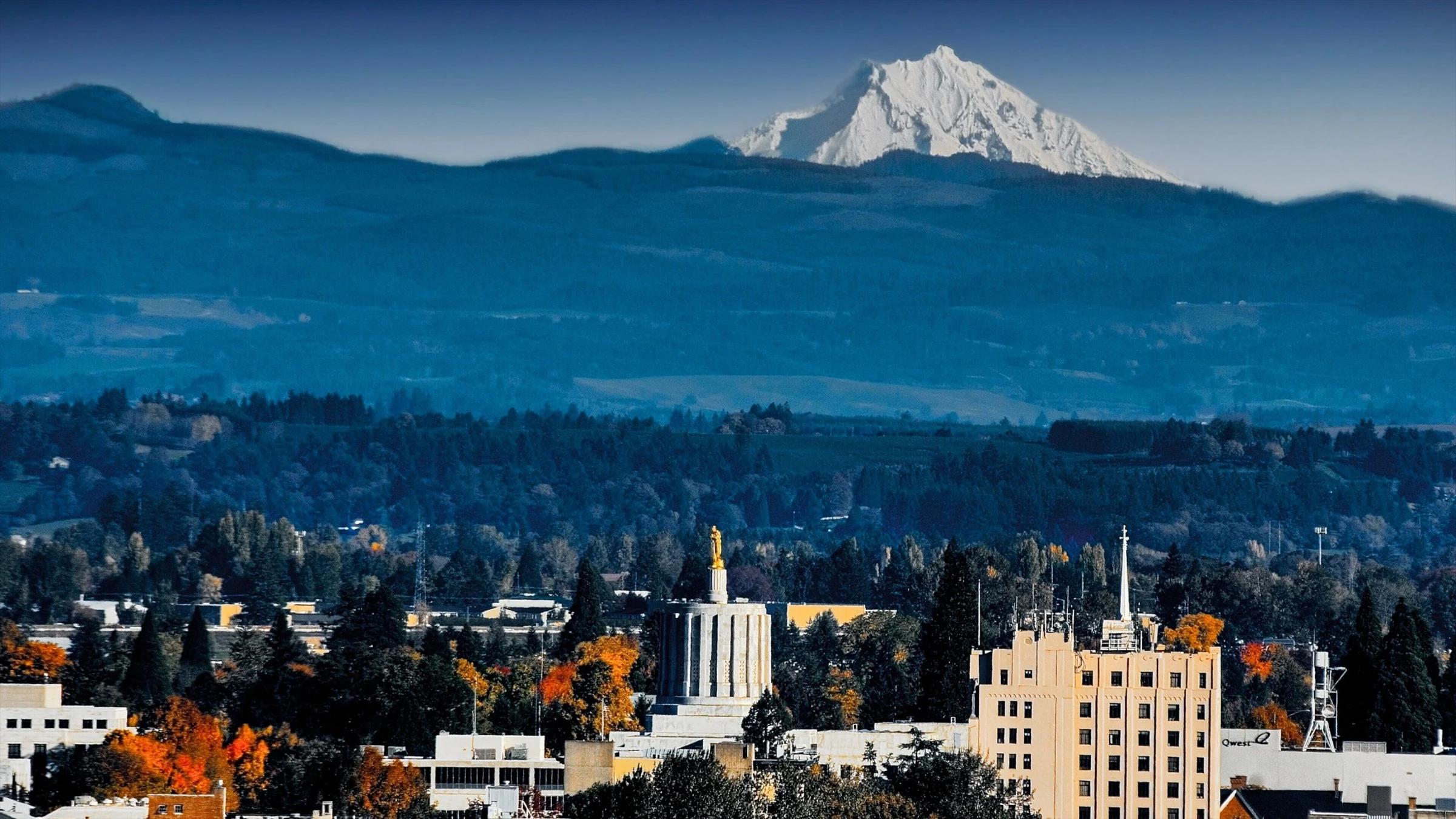
Commercial roofing contractors serving Brooks, OR with commercial roof repair, replacement, coatings, maintenance programs, inspections, and documented roof reports.
Commercial Roofing Assessment Framework
Document
Membrane and seams
Trace
Drainage and water paths
Review
Flashings and penetrations
Compare
Repair, recover, coating, replacement
Plan
Access, staging, weather protection
Protect
Occupants, equipment, and operations
Close Out
Photos, details, records, priorities
Commercial Roofing Contractors Brooks, OR: Roofing Detail
Commercial Roofers in Brooks
Commercial roofing in Brooks should begin with a documented assessment of membrane condition, seams, flashings, drainage, penetrations, and moisture before repair, coating, or replacement is selected. Brooks is a small footprint along I-5 between Salem and Woodburn, but it packs in a real mix of building types: food processing and cold storage tied to the valley's produce industry, truck service and fuel operations feeding interstate traffic, and the seasonal load of Powerland Heritage Park's antique equipment shows. None of these are large buildings by big-city standards, but each has a roofing profile worth understanding on its own terms.
Cold Storage and Frozen Food Processing
The vegetable and food processing operations around Brooks run freezer and cooler space that puts moisture pressure on a roof from the inside, the same condensation risk we see at the larger plants in Woodburn, just at a scale that fits Brooks's smaller footprint. Interior humidity differentials drive vapor into the roof assembly, and on an older building that vapor barrier may not have been designed for the level of refrigeration the space now runs.
We test insulation moisture content on these roofs rather than relying on a surface inspection alone, because a plant roof with a compromised vapor barrier can lose significant R-value well before anyone sees a drip inside the building. Catching that early is a vapor barrier repair. Catching it late is a full insulation replacement underneath an otherwise serviceable membrane, which means an owner ends up paying for interior demolition and rebuild costs that a simple membrane repair would never have triggered.
Processing runs at these plants follow the harvest calendar, meaning some buildings run near capacity for a few intense months and sit quieter the rest of the year. We use the quieter stretch to schedule inspection and repair work that would be disruptive during a full production run.
Truck Stops and Fuel Plaza Roofs
The truck services clustered near the Brooks interchange, fuel islands, service bays, small retail, see constant vehicle traffic and diesel exhaust exposure that most commercial roofs in this market don't deal with. Canopy roofs over fuel islands are a different structure entirely from a building roof, with their own drainage and lighting penetration details, and we treat those as a separate scope from the service bay or retail roof behind them.
Diesel exhaust residue settles on nearby roof surfaces over years, and while it's a slower degradation than direct chemical exposure, it's still a factor we account for when estimating membrane life on buildings this close to constant truck idling. We also see service bay roofs take more wear from rooftop exhaust fan vibration than a typical retail space, since the equipment underneath runs longer duty cycles than a standard commercial HVAC unit.
Seasonal Loads at Powerland Heritage Park
The antique equipment and steam engine shows at Powerland Heritage Park draw heavy seasonal crowds, and the buildings on that property, exhibit halls and equipment storage, see a real spike in usage and roof traffic around the annual steam-up event. We recommend a pre-season roof check for any building on the property ahead of the event rather than finding out about a problem mid-show, since a leak discovered during the busiest weekend of the year leaves far fewer good options than one caught during the quiet months beforehand.
What We Watch For in Brooks
- Vapor barrier failure on aging cold storage and food processing roofs
- Canopy drainage and lighting penetration issues at fuel plaza structures
- Diesel exhaust residue accelerating membrane wear near truck service areas
- Seasonal roof traffic spikes at exhibit buildings before major events
- Harvest-season access limits at active processing plants
Brooks doesn't have the scale of a Woodburn or an Albany, but the same category of decision applies to a building here just as much as it would to a much larger one: an owner who waits on a vapor barrier or canopy drainage issue because the building is small ends up paying for a bigger fix once water finds its way into insulation or structural steel.
Valley Fog and Low-Lying Drainage
Brooks sits on flat valley floor between two larger cities, and fog and standing moisture linger here through the wet months in a way that's noticeable even compared to nearby Salem. Flat roofs at the processing plants and fuel plazas need working drains going into that stretch of the year, since a clogged drain on a low, flat roof here holds water longer than it would on a roof with more pitch or higher ground underneath it, and standing water left unaddressed through a full wet season adds real weight and stress the original roof design never accounted for.
Questions From Brooks Business Owners
Can a small cold storage building still have a serious vapor barrier problem?
Yes, size doesn't protect a roof from condensation damage. We test insulation moisture on buildings of any scale that run refrigeration.
Do fuel plaza canopies need different roofing than the buildings behind them?
Yes, canopy structures have their own drainage and lighting penetration details that we scope separately from the main building roof.
Does truck exhaust really affect roof life nearby?
It contributes to gradual residue buildup on nearby membranes, which we factor into estimated service life for buildings close to constant idling.
Should we get a roof check before a big event at Powerland?
We recommend it. A pre-season inspection catches problems before increased foot traffic and equipment use make them worse.
How often should drains be checked on a flat processing plant roof?
At least before the wet season starts each year, more often if the building sits in a low-lying area prone to standing water.
Assessment Priorities
Membrane condition, seams, flashings, penetrations, drains, scuppers, edge metal, rooftop equipment, traffic patterns, and visible moisture evidence are reviewed together before a repair, coating, recover, or replacement path is recommended.
Planning Around the Facility
Access, staging, noise, odor, delivery windows, weather protection, occupied spaces, interior protection, and daily dry-in procedures are planned for the way the commercial property must continue operating.
From Findings to a Clear Scope
Observed conditions are documented so building owners and facility teams can compare immediate repairs, maintenance priorities, system options, budget timing, and closeout requirements without losing sight of the building below the deck.
Ready to review the roof scope?
Service Areas
1 of 2
Commercial Roofing Contractors Albany, OR
Commercial roofing contractors serving Albany, OR with commercial roof repair.
Commercial Roofing Contractors Keizer, OR
Commercial roofing contractors serving Keizer, OR with commercial roof repair.
Commercial Roofing Contractors Woodburn, OR
Commercial roofing contractors serving Woodburn, OR with commercial roof.
Commercial Roofing Contractors Millersburg, OR
Commercial roofing contractors serving Millersburg, OR with commercial roof.Commercial Roofing Across the Salem Area