
Commercial Roofing Contractors Keizer, OR
Service AreasServing Salem and the central Willamette Valley
Request a Roof Assessment
Commercial roofing in Salem, Oregon
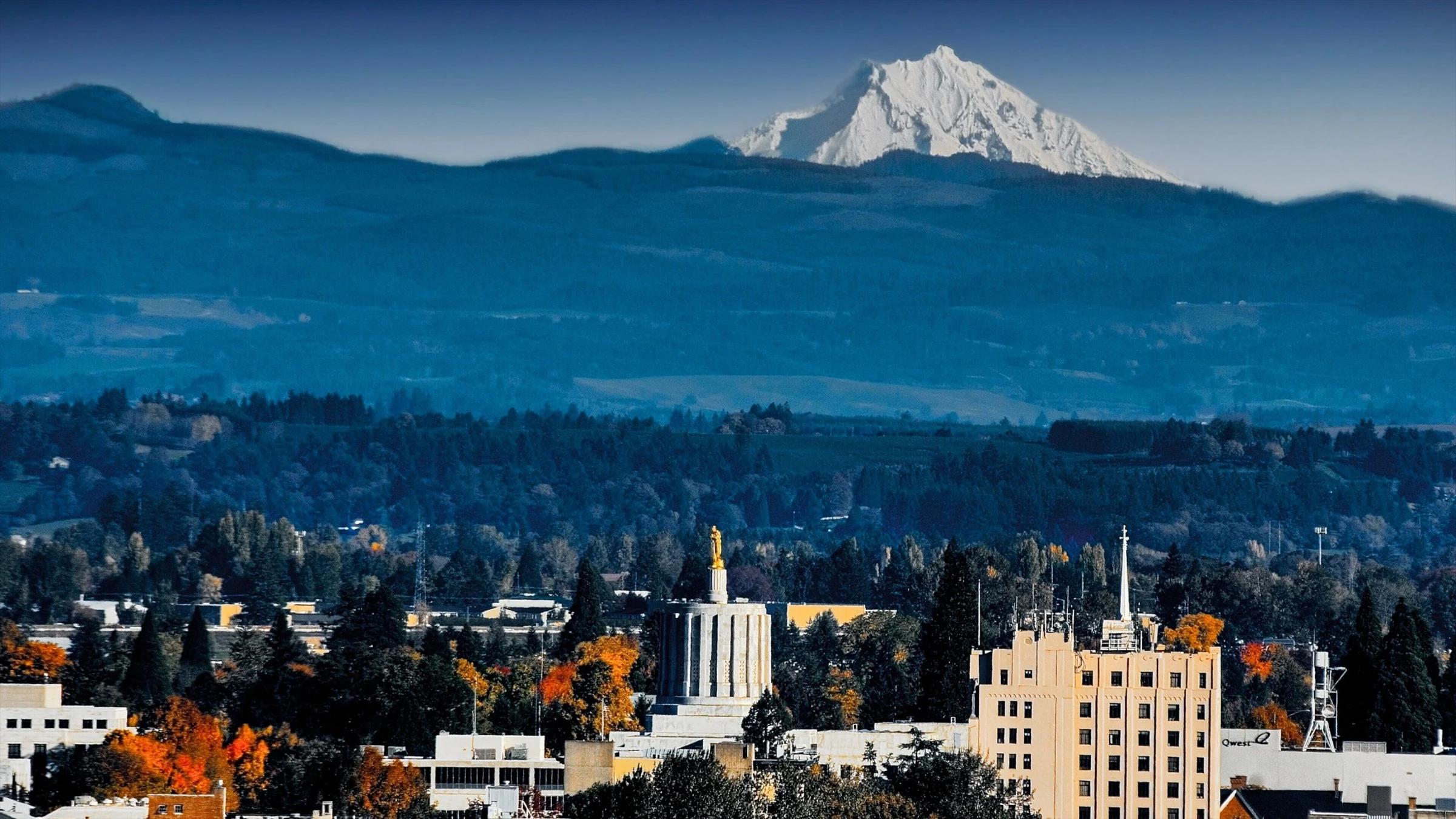
Commercial roofing contractors serving Keizer, OR with commercial roof repair, replacement, coatings, maintenance programs, inspections, and documented roof reports.
Commercial Roofing Assessment Framework
Document
Membrane and seams
Trace
Drainage and water paths
Review
Flashings and penetrations
Compare
Repair, recover, coating, replacement
Plan
Access, staging, weather protection
Protect
Occupants, equipment, and operations
Close Out
Photos, details, records, priorities
Commercial Roofing Contractors Keizer, OR: Roofing Detail
Commercial Roofers in Keizer
Commercial roofing in Keizer should begin with a documented assessment of membrane condition, seams, flashings, drainage, penetrations, and moisture before repair, coating, or replacement is selected. Keizer's commercial roofing splits along a clear line: the large-format retail roofs at Keizer Station off I-5, and the smaller light industrial and flex buildings that fill in around River Road and Cherry Avenue. Both see the same Willamette Valley rain, but the roofs themselves don't behave the same way.
Keizer Station's Large-Format Retail Roofs
The big-box centers along Keizer Station, home improvement, warehouse club, and grocery-anchored retail, carry some of the largest single roof areas in this part of the valley. A roof that size doesn't fail all at once. It fails in sections, usually starting at rooftop unit curbs, expansion joints, or low points where the original drainage design didn't quite account for how the building settled.
Owners and property managers at these centers often manage roofs remotely, through a management company that's never walked the roof itself. That's a real risk on a building this size, because a slow leak near a rooftop unit can run for months inside a ceiling cavity before it shows up as a stain a tenant reports. We recommend a scheduled roof walk on these properties rather than waiting for a tenant complaint to trigger an inspection. A written inspection report with photos also gives an out-of-town owner something concrete to act on instead of a vague phone call describing a stain someone noticed near the deli counter.
Big-box leases also put real pressure on timing. A grocery or retail tenant can't close for a reroof, so we sequence large commercial jobs in phases and coordinate rooftop unit shutdowns around store hours, which takes more planning than a vacant warehouse job would.
Light Industrial and Flex Space Off I-5
Away from the retail corridor, Keizer has a smaller stock of light industrial and flex buildings, distribution, small manufacturing, contractor yards, tucked along River Road and the streets feeding the interstate. These buildings tend to be older and lower-budget than the Keizer Station centers, and owners here are more likely to be the ones paying for the roof directly rather than passing costs through a lease.
That changes the conversation. We spend more time with these owners on the real cost difference between another round of patching and a planned recover, because for a smaller operator that decision affects cash flow directly rather than getting absorbed into a corporate maintenance budget. A shop owner who's paying for a reroof out of pocket needs to know the honest lifespan difference between a budget patch and a full recover before committing, not after the crew has already mobilized.
Traffic, Events, and Rooftop Equipment Load
Keizer draws steady traffic to its retail centers and to Volcanoes Stadium nearby, and busier retail buildings run their HVAC harder through the year than a typical light industrial shed. Rooftop units under that kind of continuous load wear their curbs and surrounding membrane faster, and we see more curb-related leaks at heavily trafficked retail buildings than anywhere else in this market. Owners who assume a newer rooftop unit means the surrounding curb flashing is equally fresh are often surprised to learn the flashing detail dates back to the original roof install decades earlier.
What We Watch For in Keizer
- Slow leaks at rooftop unit curbs on remotely managed big-box roofs
- Low points and ponding on large-format retail roofs with dated drainage design
- Scheduling conflicts between reroof work and retail tenants that can't close
- Deferred maintenance on owner-paid light industrial buildings off River Road
- Membrane wear from continuous HVAC cycling at high-traffic retail centers
None of these are dramatic on their own, but on a roof this size they compound. A drainage issue that goes unaddressed for a season on a big-box roof costs far more to fix once it's undermined insulation across a wide area than it would have cost as an isolated repair.
Working Around the Wet Season Here
Keizer sits low in the valley near the Willamette River, and the nine wet months hit these large flat roofs harder than they hit steeper residential-style buildings elsewhere in the metro. We plan reroof and recover work around realistic dry windows, because starting a large membrane job without one risks trapping moisture that causes problems years after the crew has left.
For property managers juggling multiple Keizer Station tenants, we also try to give enough lead time on scheduling that a reroof doesn't collide with a tenant's own remodel or seasonal rush, which is a coordination problem specific to a retail corridor like this one.
Questions Keizer Property Owners and Managers Ask
Can you reroof a big-box store without closing it?
In most cases yes. We phase the work and coordinate rooftop access around store hours so the tenant stays open.
How do you handle a roof managed remotely by a property management company?
We document everything with photos and a written scope so a manager who's never walked the roof has a clear picture of the condition and the recommendation.
Is patching a light industrial roof ever the right call?
Sometimes, if the underlying membrane is sound. We're upfront when patching is a reasonable short-term move versus when it's just delaying an inevitable replacement.
Why do rooftop units cause more wear on busy retail buildings?
Continuous HVAC cycling stresses the membrane and flashing around each curb, and heavily trafficked stores run their systems harder than a typical warehouse.
What's the best time of year to schedule a reroof in Keizer?
We look for a realistic dry window rather than a fixed calendar date, since starting membrane work in wet conditions risks trapping moisture underneath.
Assessment Priorities
Membrane condition, seams, flashings, penetrations, drains, scuppers, edge metal, rooftop equipment, traffic patterns, and visible moisture evidence are reviewed together before a repair, coating, recover, or replacement path is recommended.
Planning Around the Facility
Access, staging, noise, odor, delivery windows, weather protection, occupied spaces, interior protection, and daily dry-in procedures are planned for the way the commercial property must continue operating.
From Findings to a Clear Scope
Observed conditions are documented so building owners and facility teams can compare immediate repairs, maintenance priorities, system options, budget timing, and closeout requirements without losing sight of the building below the deck.
Ready to review the roof scope?
Service Areas
1 of 2
Commercial Roofing Contractors Albany, OR
Commercial roofing contractors serving Albany, OR with commercial roof repair.
Commercial Roofing Contractors Keizer, OR
Commercial roofing contractors serving Keizer, OR with commercial roof repair.
Commercial Roofing Contractors Woodburn, OR
Commercial roofing contractors serving Woodburn, OR with commercial roof.
Commercial Roofing Contractors Millersburg, OR
Commercial roofing contractors serving Millersburg, OR with commercial roof.Commercial Roofing Across the Salem Area