Commercial Roofing Contractors Serving Donald, OR
Service AreasServing Salem and the central Willamette Valley
Request a Roof Assessment
Commercial roofing in Salem, Oregon
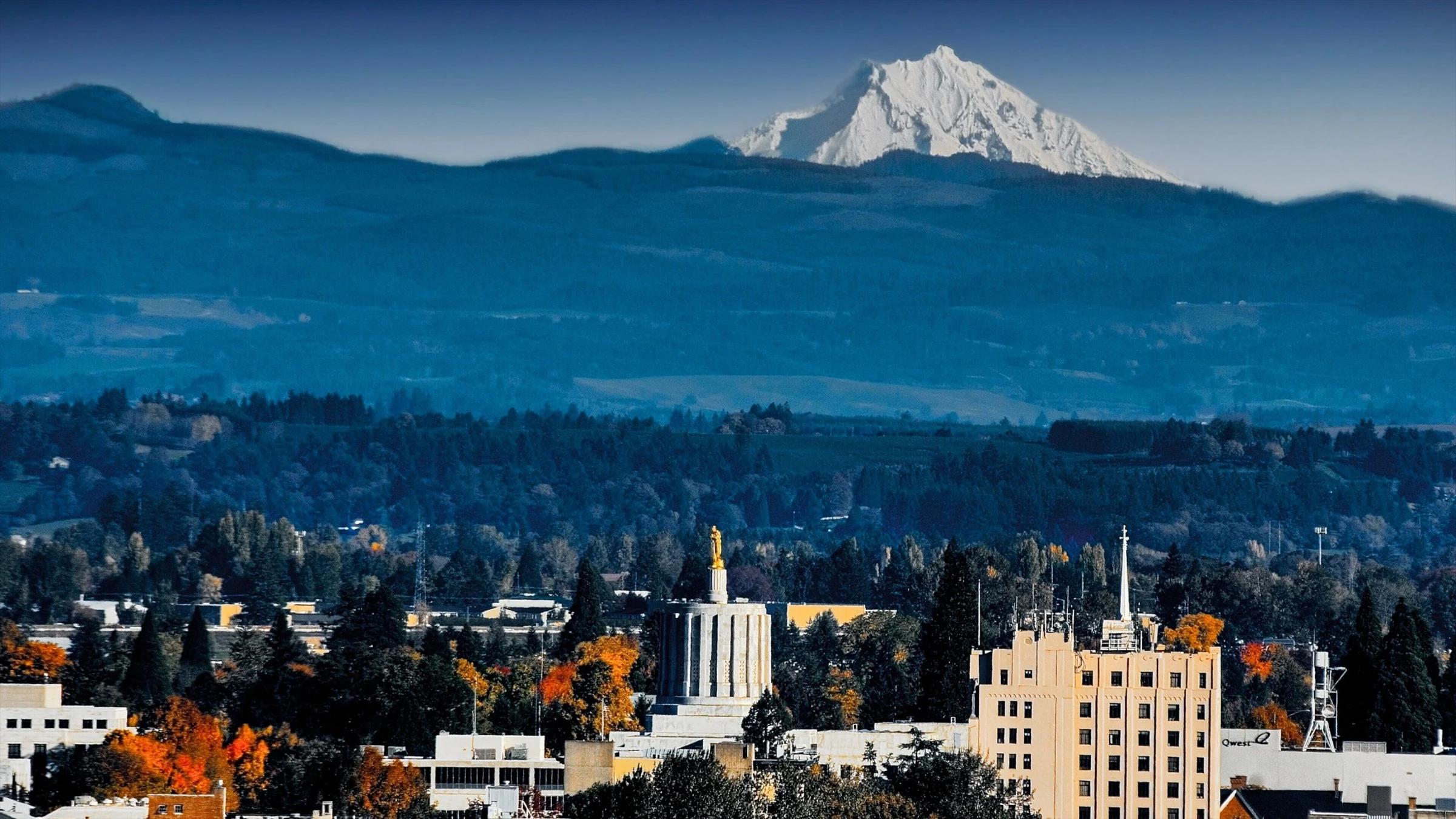
Commercial roofing contractors serving Serving Donald, OR with commercial roof repair, replacement, coatings, maintenance programs, inspections, and documented roof reports.
Commercial Roofing Assessment Framework
Document
Membrane and seams
Trace
Drainage and water paths
Review
Flashings and penetrations
Compare
Repair, recover, coating, replacement
Plan
Access, staging, weather protection
Protect
Occupants, equipment, and operations
Close Out
Photos, details, records, priorities
Commercial Roofing Contractors Serving Donald, OR: Roofing Detail
Commercial Roofers in Serving Donald, OR
Commercial roofers serving Serving Donald, OR should document leak sources, wet insulation, drainage, edge details, penetrations, and repair history before recommending a scope. Donald sits small and quiet just off I-5, and most of its commercial roof stock is the kind of low-slung metal and single-ply that gets ignored until a tenant calls about a stain on the ceiling tile. We work on that roof stock regularly and we know what nine wet months a year do to a building this size when nobody's watching the drains.
What's Actually Up There in Donald
This isn't a district with towers and parking structures. It's a scatter of light industrial buildings, ag-support shops, and a handful of service businesses that lean on the interstate for traffic. Roofs here tend to be older R-panel metal on pole-barn-style construction, or a patched-together membrane on a converted warehouse. Owners bought these buildings for the location, not the roof condition, and it shows.
We don't pretend Donald has a skyline of flat commercial membrane needing constant attention. It doesn't. What it has is a small set of working buildings where a roof failure means a shop closes for a day, or product gets ruined, or a lease gets renegotiated because the tenant is tired of buckets in the aisle. That's the scale we plan for here.
Why Rain Duration Beats Rain Volume in This Corridor
Willamette Valley weather isn't dramatic. It's persistent. A roof here doesn't fail from one storm, it fails from nine straight months of low-intensity moisture finding every seam, every fastener penetration, every spot where a membrane lap wasn't fully welded. On a small metal building, that usually shows up as rust bleed at the panel laps and soft spots around old skylights or vent boots that were never properly flashed.
We inspect for that pattern specifically. It's not about finding a dramatic leak, it's about tracing where water has been sitting against metal or membrane long enough to start breaking it down from underneath, where you can't see it from the ground or even from a quick walk-on.
Buildings converted from one use to another add another wrinkle. A shop that used to be a barn or a storage building often has roof penetrations added after the original construction, an exhaust fan here, a skylight there, a new HVAC curb, each one a spot where the original weatherproofing detail may never have been done right the first time. We flag those retrofit penetrations early because they fail differently than the surrounding field of the roof.
Drainage Is the Real Conversation on Small Metal Buildings
Most of the pole-barn and R-panel structures around Donald rely on gravity and gutter runs that were sized for a different roof condition than what's up there now, often after a recover or an added HVAC curb changed how water sheds. We look hard at gutter capacity, downspout placement, and whether valleys are actually clearing water or just holding it against a seam.
- Rust bleed and fastener backout on older R-panel metal roofs
- Undersized or clogged gutter runs after building modifications
- Failed pipe boot and skylight flashing on converted warehouse structures
- Ponding at low-slope transitions on single-ply membrane sections
- Sealant failure at panel laps from repeated wet-dry freeze cycling in winter
Working With Owner-Operators, Not Facilities Departments
A lot of the buildings we look at around Donald are owned and run by the business inside them, not managed by a remote property group. That changes how we scope work. We're talking directly to the person who has to live with the decision, and we frame options in terms of what actually needs to happen now versus what can be scheduled, not a generic maintenance package.
When a roof is near the end of its service life on a smaller building, a full commercial reroofing project often makes more financial sense than another round of patchwork, and we'll say so plainly if the numbers point that way.
We also try to explain the tradeoffs in terms an owner can actually use to make a decision, rather than simply handing over a bid. If a repair will realistically buy three more years and a full reroof buys fifteen, that's a different conversation depending on whether the owner plans to hold the building or sell it, and we ask those questions before we ever recommend a scope.
Timing Work Around a Rain-Heavy Calendar
With reliable dry stretches limited mostly to summer, we plan tear-off and recover work for the window when weather cooperates, and we keep emergency response ready for the rest of the year. A tarp-and-dry-in response on a shop building here isn't glamorous work, but it's often the difference between a manageable repair bill and a ruined interior.
We coordinate around the operating hours of a working shop or small facility, not around a corporate maintenance schedule, because that's the reality of the buildings out here.
Questions From Donald Building Owners
Is my metal building roof worth repairing or should I replace it?
It depends on how much of the fastener and seam system is still sound. We inspect panel laps, fastener condition, and flashing details before recommending either path, and we'll walk you through the cost difference honestly.
How often should a small commercial roof here get checked?
Twice a year at minimum given the rain duration, once before the wet season starts and once after, so problems get caught before they compound over winter.
Can you work on an occupied shop building without shutting it down?
Yes. Most of our work in this area happens around active operations, and we sequence tear-off or recover sections to keep disruption to a minimum.
What causes rust streaking on my R-panel roof?
Usually failed sealant at the fastener heads or lap seams, letting moisture sit against the metal. Left alone it spreads and eventually compromises the panel itself.
Do you handle insurance documentation for storm damage here?
We document conditions factually with photos and written findings that your adjuster can use. We don't make promises about claim outcomes, only accurate records of what we find.
Assessment Priorities
Membrane condition, seams, flashings, penetrations, drains, scuppers, edge metal, rooftop equipment, traffic patterns, and visible moisture evidence are reviewed together before a repair, coating, recover, or replacement path is recommended.
Planning Around the Facility
Access, staging, noise, odor, delivery windows, weather protection, occupied spaces, interior protection, and daily dry-in procedures are planned for the way the commercial property must continue operating.
From Findings to a Clear Scope
Observed conditions are documented so building owners and facility teams can compare immediate repairs, maintenance priorities, system options, budget timing, and closeout requirements without losing sight of the building below the deck.
Ready to review the roof scope?
Service Areas
1 of 2
Commercial Roofing Contractors Albany, OR
Commercial roofing contractors serving Albany, OR with commercial roof repair.
Commercial Roofing Contractors Keizer, OR
Commercial roofing contractors serving Keizer, OR with commercial roof repair.
Commercial Roofing Contractors Woodburn, OR
Commercial roofing contractors serving Woodburn, OR with commercial roof.
Commercial Roofing Contractors Millersburg, OR
Commercial roofing contractors serving Millersburg, OR with commercial roof.Commercial Roofing Across the Salem Area