
Commercial Roofing Contractors Hayesville, OR
Service AreasServing Salem and the central Willamette Valley
Request a Roof Assessment
Commercial roofing in Salem, Oregon
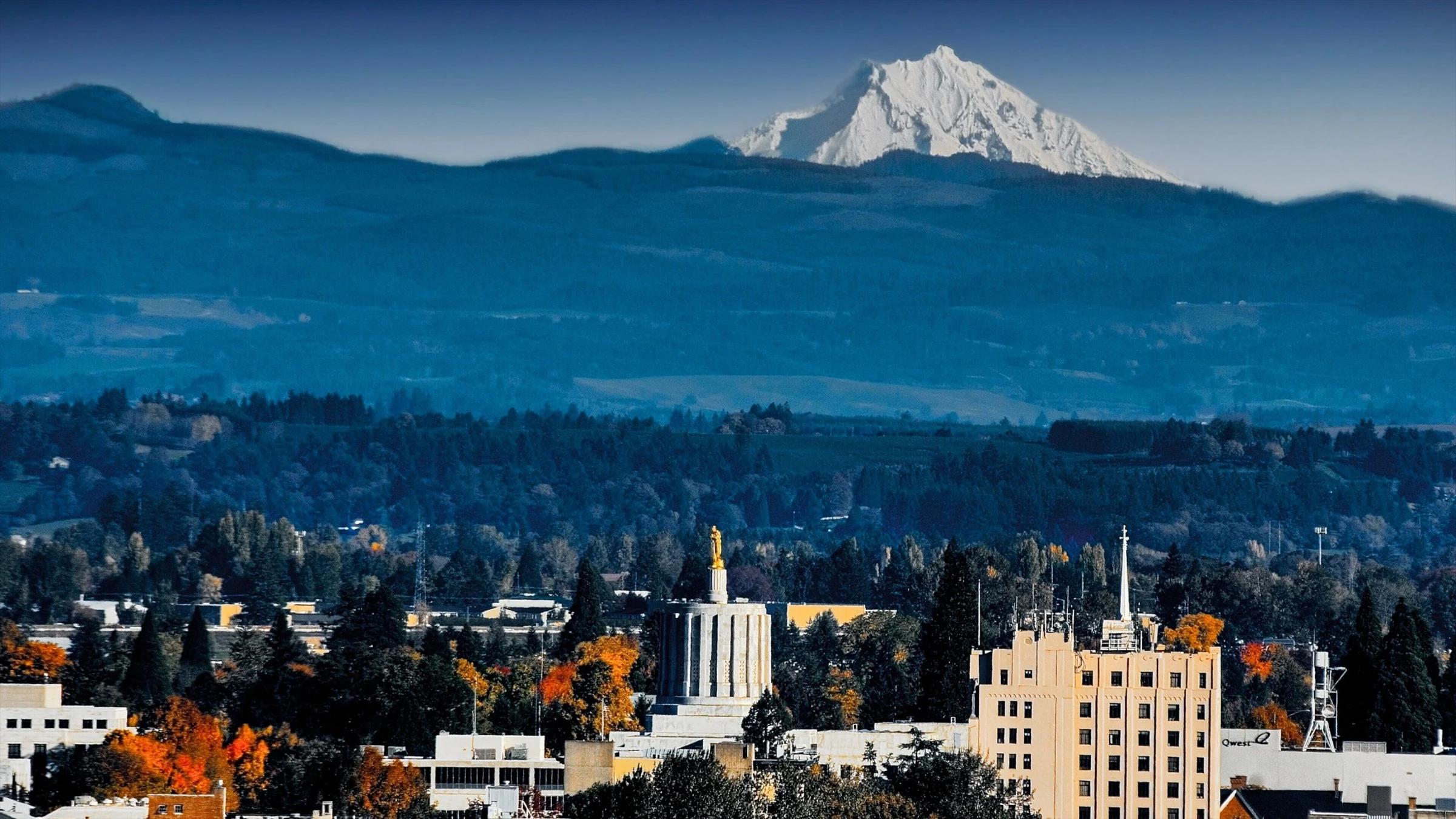
Commercial roofing contractors serving Hayesville, OR with commercial roof repair, replacement, coatings, maintenance programs, inspections, and documented roof reports.
Commercial Roofing Assessment Framework
Document
Membrane and seams
Trace
Drainage and water paths
Review
Flashings and penetrations
Compare
Repair, recover, coating, replacement
Plan
Access, staging, weather protection
Protect
Occupants, equipment, and operations
Close Out
Photos, details, records, priorities
Commercial Roofing Contractors Hayesville, OR: Roofing Detail
Commercial Roofers in Hayesville
Commercial roofing in Hayesville should begin with a documented assessment of membrane condition, seams, flashings, drainage, penetrations, and moisture before repair, coating, or replacement is selected. Hayesville sits in northeast Salem close to the I-5 corridor, and its commercial buildings are a working mix of smaller retail strips, service shops, and a few light commercial pads that grew up along the arterial roads feeding the freeway. It's not a destination retail district, and we don't scope it like one. It's practical commercial roofing for buildings that mostly serve the surrounding neighborhoods.
What stands out about Hayesville's commercial stock is how long a lot of it has been in the same hands. Ownership here tends to hold property for the long term rather than turning it over, which means the roofing conversation is less about a new buildout and more about keeping an aging asset performing for another decade without overspending on work it doesn't need or delaying work it genuinely does, year after year, decade after decade, across that same modest, familiar footprint of quiet, older neighborhood buildings.
Neighborhood-Serving Retail Strips
The retail strips in Hayesville run smaller footprints than Lancaster Drive or the bigger Salem corridors, often single-story buildings with a handful of tenants sharing one roof. These roofs are frequently older, and ownership tends to hold them for the long term rather than flipping them, which means deferred maintenance shows up as a pattern here more than sudden catastrophic failure.
We look for that pattern specifically: slow membrane degradation, gradually worsening ponding, flashing that's been patched more than once. Catching it early costs an owner far less than waiting for a tenant complaint.
Freeway-Adjacent Wear on Roofing Materials
Buildings closest to I-5 pick up more airborne road grime than buildings set back into the neighborhood, and that grime accelerates dirt buildup on TPO membranes in particular, which can mask early signs of membrane wear during a casual visual check. We clean and inspect rather than inspect around the dirt.
Service Shop and Light Commercial Roofs
Hayesville has a fair number of small service shops, auto-related and otherwise, running simple metal or built-up roofs over open bay areas. These buildings often have larger unobstructed roof spans than a retail strip, which puts more emphasis on structural deflection and ponding risk if the original roof slope wasn't generous to begin with.
We check slope and ponding history on these shop roofs before recommending a coating or recover, since a coating over a roof with a real ponding problem just delays the same failure.
Nine Wet Months and Deferred Maintenance
Long-held commercial buildings in Hayesville sometimes go years between roof inspections, and the Willamette Valley's wet season doesn't wait for an owner's schedule. Small leaks that would be a quick fix in month one become a deck-replacement job by month nine if nobody's looking.
Building a Realistic Maintenance Plan for Long-Held Property
Owners who've held a Hayesville building for a decade or more often think about roofing in terms of the last time something went wrong rather than a schedule, and that reactive approach is exactly what lets small problems accumulate. A realistic maintenance plan doesn't need to be elaborate here, just consistent: a walk-through before the wet season, a follow-up check partway through winter, and documented photos so condition changes are easy to spot year over year.
We put that kind of plan together for Hayesville owners who want to stop reacting to leaks and start managing roof condition on their own terms, without pushing for work the roof doesn't actually need yet.
For owners planning to hold a property for years to come, that consistency also protects resale value, since a documented maintenance history is worth more to a future buyer than a roof with an unknown repair record.
We put that history in writing every time we're on a Hayesville roof, even for a minor repair, so an owner has a real record to point to rather than a vague memory of when work was last done or by whom.
- Slow membrane degradation on long-held retail strips
- Road grime masking early TPO wear near I-5
- Ponding on wide-span service shop roofs
- Repeated patches at the same flashing point
- Deferred maintenance turning small leaks into deck damage
- Gutter debris from mature street trees
Questions From Hayesville Property Owners
Does proximity to I-5 actually affect roof condition?
Airborne road grime builds up faster on roofs closest to the freeway, which can hide early membrane wear if the roof isn't cleaned before inspection.
How do you catch deferred maintenance before it becomes a bigger job?
We look for patterns rather than single incidents: repeated patch locations, gradually worsening ponding, and membrane areas that have clearly been degrading for a while rather than failing suddenly.
Are service shop roofs different from retail strip roofs to inspect?
Yes, mainly because of span and slope. Wider open bays without interior columns need closer attention to ponding risk than a typical subdivided retail strip.
What's the risk of waiting on a small roof leak through the wet season?
A small leak caught early is usually a flashing or membrane patch. Left through nine months of rain, the same leak can saturate insulation and deck material, turning a cheap fix into a structural repair.
Is a roof coating a good option for an older shop roof here?
Only if the ponding and slope issues are addressed first. A coating extends the life of a sound roof but won't fix standing water on its own.
Assessment Priorities
Membrane condition, seams, flashings, penetrations, drains, scuppers, edge metal, rooftop equipment, traffic patterns, and visible moisture evidence are reviewed together before a repair, coating, recover, or replacement path is recommended.
Planning Around the Facility
Access, staging, noise, odor, delivery windows, weather protection, occupied spaces, interior protection, and daily dry-in procedures are planned for the way the commercial property must continue operating.
From Findings to a Clear Scope
Observed conditions are documented so building owners and facility teams can compare immediate repairs, maintenance priorities, system options, budget timing, and closeout requirements without losing sight of the building below the deck.
Ready to review the roof scope?
Service Areas
1 of 2
Commercial Roofing Contractors Albany, OR
Commercial roofing contractors serving Albany, OR with commercial roof repair.
Commercial Roofing Contractors Keizer, OR
Commercial roofing contractors serving Keizer, OR with commercial roof repair.
Commercial Roofing Contractors Woodburn, OR
Commercial roofing contractors serving Woodburn, OR with commercial roof.
Commercial Roofing Contractors Millersburg, OR
Commercial roofing contractors serving Millersburg, OR with commercial roof.Commercial Roofing Across the Salem Area