
Commercial Roofing Contractors Hubbard, OR
Service AreasServing Salem and the central Willamette Valley
Request a Roof Assessment
Commercial roofing in Salem, Oregon
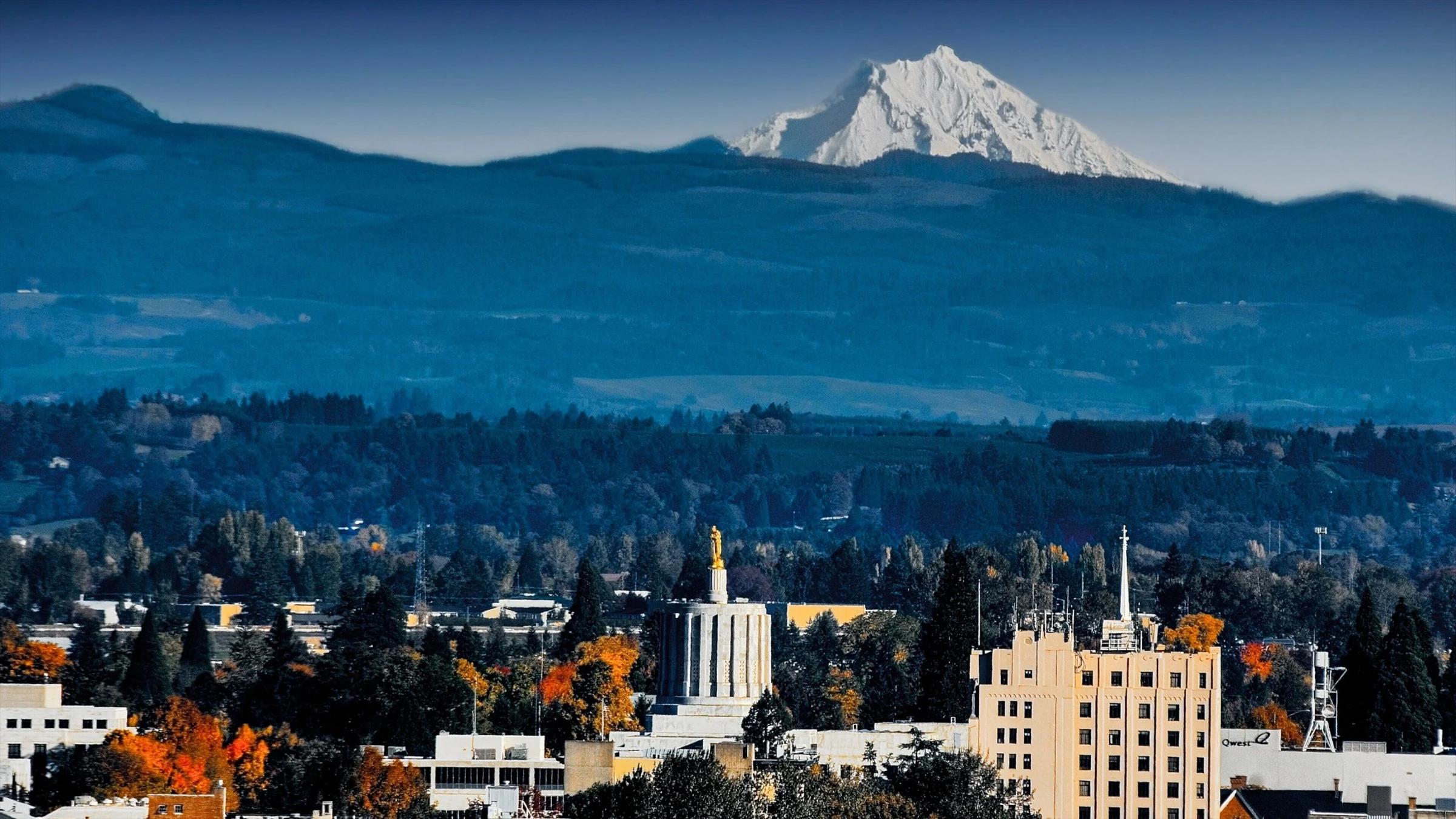
Commercial roofing contractors serving Hubbard, OR with commercial roof repair, replacement, coatings, maintenance programs, inspections, and documented roof reports.
Commercial Roofing Assessment Framework
Document
Membrane and seams
Trace
Drainage and water paths
Review
Flashings and penetrations
Compare
Repair, recover, coating, replacement
Plan
Access, staging, weather protection
Protect
Occupants, equipment, and operations
Close Out
Photos, details, records, priorities
Commercial Roofing Contractors Hubbard, OR: Roofing Detail
Commercial Roofers in Hubbard
Commercial roofers serving Hubbard should document leak sources, wet insulation, drainage, edge details, penetrations, and repair history before recommending a scope. Hubbard is a small farm-service town, and its commercial roofing stock reflects that directly: a run of metal-building shops and ag supply operations along Highway 99E, not a shopping district. We size the work to match what's actually here, because a small ag-supply building doesn't need the same scope of service as a distribution center, and pretending otherwise wastes an owner's money.
Most of what's here went up in the same general era, functional metal buildings with little architectural variation, which makes the roofing stock fairly consistent from one property to the next. That consistency actually helps an owner, since it means we can speak with real confidence about what's likely wearing out on a given roof based on what we've already seen on the shop two lots down.
Highway 99E Shop Buildings
The shops fronting 99E are mostly single-tenant metal buildings, some with an older asphalt-shingle-over-purlin roof still in service, others already converted to a simple exposed-fastener metal panel system. Highway frontage means these roofs also take road spray and diesel exhaust residue, which accelerates coating breakdown on painted metal panels faster than a roof set back from traffic.
We factor that road-facing exposure into how often we recommend a coating inspection, since the south-facing highway side of these roofs weathers differently than the back slope.
Ag Supplier Buildings and Bulk Storage Roofs
Ag suppliers here often store fertilizer, seed, or equipment under roofs that were never built with much insulation, which means condensation dripping from the underside of the deck is a real problem during the wet months, separate from any actual leak. Owners sometimes call about a leak that turns out to be condensation, and the fix for that is ventilation, not a new membrane.
We check for that distinction before recommending any repair, because treating condensation like a leak wastes money and doesn't solve the actual problem.
Nine Wet Months on Exposed-Fastener Metal Roofs
Exposed-fastener metal roofs depend on every screw washer staying compressed and sealed, and Hubbard's rain season puts thousands of these fasteners through repeated wet-dry cycling every winter. Backed-out or corroded fasteners are the single most common cause of small leaks we find on this style of roof around town.
A fastener re-torque and washer replacement pass is often the most cost-effective fix available, well short of a full roof replacement, and we say so when that's what the roof actually needs.
Keeping Scope Honest for a Small Town
Hubbard doesn't have the commercial density of Woodburn or Salem proper, and we don't try to sell it that way. A roof inspection here is scoped to the building in front of us, not padded to match a bigger job somewhere else on the schedule.
Coordinating Repairs Around Farm Delivery Schedules
Ag suppliers and shop owners along 99E run on delivery and pickup schedules tied to planting and harvest cycles, and a roof crew blocking a loading dock at the wrong time can cost a tenant more than the leak itself. We ask about delivery windows before scheduling any work that involves staging equipment near a dock door or bulk storage bay.
That scheduling conversation is simple but easy to skip, and skipping it is how a roofing contractor ends up on an owner's list of vendors not to call back. We'd rather ask twice than block a truck once.
For buildings running near capacity during harvest season, we also try to compress the actual on-roof work into the shortest reasonable window, since a shop that needs its loading area clear can't have a crew and material staging there for a week over what should be a two-day job.
A short conversation with the shop foreman before we ever bring a lift onto the lot usually settles all of this in a few minutes, and it's a habit that pays off in fewer scheduling headaches on both sides for everyone involved.
- Backed-out or corroded exposed fasteners
- Condensation drip mistaken for a roof leak
- Coating breakdown on the highway-facing roof slope
- Rust bleed at cut panel edges
- Ponding at valley flashing on additions
- Gutter overflow from farm dust buildup
Common Questions From Hubbard Building Owners
How do we tell condensation from an actual roof leak?
Condensation tends to appear as scattered drip points across the underside of the deck rather than a single traceable path, and it usually worsens with temperature swings rather than rain events specifically. We check both patterns before recommending a fix.
Does highway frontage really wear a roof faster?
Road spray and exhaust residue do accelerate coating breakdown on the traffic-facing slope, which is why we look at that side separately from the rest of the roof.
Is fastener re-torquing a real fix or just a temporary patch?
Done correctly with washer replacement where needed, it's a legitimate maintenance step for exposed-fastener metal roofs, not a stopgap. It just needs to happen before too many fasteners have failed.
What roof insulation upgrade helps most with ag storage condensation?
Adding vented ridge or eave openings paired with a vapor retarder under the roof deck addresses the underlying moisture buildup rather than just moving the drip point around.
Do small shop buildings need the same inspection frequency as bigger facilities?
Not necessarily the same frequency, but the same honesty about condition. We recommend inspection intervals based on roof age and material, not building size alone.
Assessment Priorities
Membrane condition, seams, flashings, penetrations, drains, scuppers, edge metal, rooftop equipment, traffic patterns, and visible moisture evidence are reviewed together before a repair, coating, recover, or replacement path is recommended.
Planning Around the Facility
Access, staging, noise, odor, delivery windows, weather protection, occupied spaces, interior protection, and daily dry-in procedures are planned for the way the commercial property must continue operating.
From Findings to a Clear Scope
Observed conditions are documented so building owners and facility teams can compare immediate repairs, maintenance priorities, system options, budget timing, and closeout requirements without losing sight of the building below the deck.
Ready to review the roof scope?
Service Areas
1 of 2
Commercial Roofing Contractors Albany, OR
Commercial roofing contractors serving Albany, OR with commercial roof repair.
Commercial Roofing Contractors Keizer, OR
Commercial roofing contractors serving Keizer, OR with commercial roof repair.
Commercial Roofing Contractors Woodburn, OR
Commercial roofing contractors serving Woodburn, OR with commercial roof.
Commercial Roofing Contractors Millersburg, OR
Commercial roofing contractors serving Millersburg, OR with commercial roof.Commercial Roofing Across the Salem Area