
Commercial Roofing Contractors Jefferson, OR
Service AreasServing Salem and the central Willamette Valley
Request a Roof Assessment
Commercial roofing in Salem, Oregon
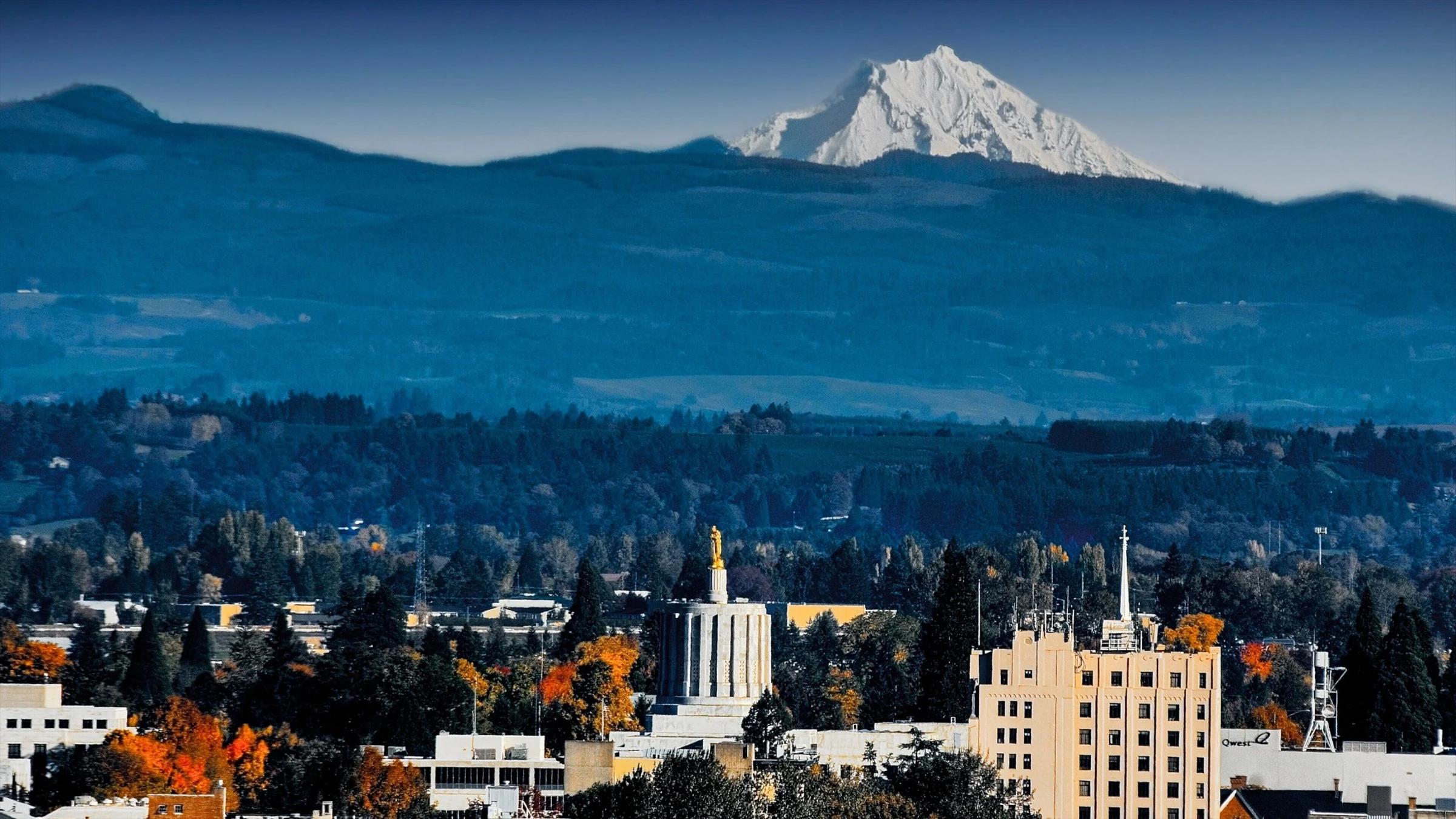
Commercial roofing contractors serving Jefferson, OR with commercial roof repair, replacement, coatings, maintenance programs, inspections, and documented roof reports.
Commercial Roofing Assessment Framework
Document
Membrane and seams
Trace
Drainage and water paths
Review
Flashings and penetrations
Compare
Repair, recover, coating, replacement
Plan
Access, staging, weather protection
Protect
Occupants, equipment, and operations
Close Out
Photos, details, records, priorities
Commercial Roofing Contractors Jefferson, OR: Roofing Detail
Commercial Roofers in Jefferson
Commercial roofers serving Jefferson should document leak sources, wet insulation, drainage, edge details, penetrations, and repair history before recommending a scope. Jefferson is a small town that grew up around its I-5 interchange, and the commercial roofing here is exactly what that suggests: fuel and service buildings near the exit, and a set of ag warehouse structures serving the surrounding farmland. We don't inflate what's here. It's a small, practical commercial base, and the roofing work should match that.
Most of Jefferson's commercial activity sits within a short distance of the exit itself, which means the town doesn't have the layered mix of retail and office space found in a bigger Willamette Valley town. That simplicity is worth acknowledging rather than dressing up, since an owner here is usually looking for a straightforward answer about one building, not a broader commercial roofing strategy.
Interchange Service Buildings
The buildings closest to the I-5 exit see constant traffic and, with it, more airborne diesel exhaust and road grime than buildings set back from the freeway. That grime settles into membrane seams and rooftop equipment housings faster here than in a quieter part of town, and it can hide seam separation until it's already let water through.
We clean and check seams directly on these roofs rather than relying on a surface look, since grime buildup near an interchange makes a visual-only inspection unreliable.
Rooftop HVAC units on these buildings also work harder than average, running near-constant cycles to keep a small store or service counter comfortable through both the summer heat and the long stretch of winter rain, and that steady equipment traffic across the roof surface adds its own wear pattern around each curb.
Ag Warehouse Roofs Serving the Surrounding Farmland
Jefferson's ag warehouses store grain, equipment, and supplies under simple metal roof systems, most without much insulation. Interior condensation during the wet season is a bigger issue on these buildings than actual leaks, dripping onto stored goods in a way that can look like a roof failure even when the membrane or panels are intact.
We separate condensation from leak damage before recommending any fix, since ventilation upgrades solve one problem and roof repair solves a different one entirely.
Freeway-Corridor Weather Exposure
Buildings sitting in open ground near the interchange take more direct wind and driving rain than buildings tucked into town, since there's less windbreak from surrounding structures or tree cover out near the freeway. That exposure matters for how fasteners and flashing hold up over time on exposed-fastener metal roofs, which make up most of the roofing stock here.
Right-Sized Service for a Small Town
A town this size doesn't need, and shouldn't be sold, the same scope of roofing service as a bigger Salem-area suburb. We assess Jefferson's buildings on their own merits, whether that's a quick fastener check on a warehouse or a full leak trace on an interchange building, and price the work to match what's actually needed.
Working Around Farm Delivery and Fuel-Stop Traffic
Between fuel-stop traffic near the interchange and delivery trucks serving the ag warehouses, Jefferson's small commercial base still deals with real vehicle volume during business hours. Staging a lift or material delivery for roof work means picking a time that doesn't compete with a fuel stop's busiest hours or block a warehouse loading dock during a scheduled pickup.
We ask about traffic patterns specific to each site before scheduling, since a fuel stop and a grain warehouse have very different busy periods even though they sit close together off the same exit.
That kind of coordination is a small thing on paper, but it's the difference between a roofing job that goes smoothly and one that creates friction with a tenant who just wanted a quiet Tuesday.
We also keep an eye on seasonal shifts in traffic here, since harvest months bring heavier truck volume to the warehouse side of town while the fuel-stop side stays fairly consistent year-round. Scheduling accordingly avoids stacking a roof job on top of the busiest weeks either business sees.
- Grime-masked seam separation near the interchange
- Condensation drip mistaken for roof leaks on warehouses
- Fastener backout from unshielded wind exposure
- Corrosion at cut panel edges on older buildings
- Gutter overflow from farmland dust and debris
- Sealant failure at rooftop signage penetrations
Common Questions From Jefferson Building Owners
Why do interchange-area roofs need more frequent seam checks?
Road grime and exhaust residue build up faster this close to the freeway, and that buildup can hide early seam separation from a surface-level inspection.
What's the difference between condensation and a leak on a warehouse roof?
Condensation typically shows as scattered drip points that track with temperature swings rather than rain, while a leak follows a more traceable path back to a specific membrane or flashing failure.
Does open-ground exposure near I-5 really affect roof durability?
Yes. Less windbreak means more direct wind and driving rain on fasteners and flashing, which accelerates wear compared to a similar roof sheltered by nearby buildings or trees.
Is a full roof replacement usually necessary for Jefferson's older warehouses?
Not usually as a first step. Fastener maintenance and targeted flashing repair often address the actual problem well short of full replacement.
Do you scope Jefferson jobs differently than bigger Salem-area sites?
We scope every job to the building in front of us. Jefferson's buildings are smaller and simpler than a big-box distribution roof, and the work reflects that rather than being padded to match a bigger job.
Assessment Priorities
Membrane condition, seams, flashings, penetrations, drains, scuppers, edge metal, rooftop equipment, traffic patterns, and visible moisture evidence are reviewed together before a repair, coating, recover, or replacement path is recommended.
Planning Around the Facility
Access, staging, noise, odor, delivery windows, weather protection, occupied spaces, interior protection, and daily dry-in procedures are planned for the way the commercial property must continue operating.
From Findings to a Clear Scope
Observed conditions are documented so building owners and facility teams can compare immediate repairs, maintenance priorities, system options, budget timing, and closeout requirements without losing sight of the building below the deck.
Ready to review the roof scope?
Service Areas
1 of 2
Commercial Roofing Contractors Albany, OR
Commercial roofing contractors serving Albany, OR with commercial roof repair.
Commercial Roofing Contractors Keizer, OR
Commercial roofing contractors serving Keizer, OR with commercial roof repair.
Commercial Roofing Contractors Woodburn, OR
Commercial roofing contractors serving Woodburn, OR with commercial roof.
Commercial Roofing Contractors Millersburg, OR
Commercial roofing contractors serving Millersburg, OR with commercial roof.Commercial Roofing Across the Salem Area