
Commercial Roofing Contractors Turner, OR
Service AreasServing Salem and the central Willamette Valley
Request a Roof Assessment
Commercial roofing in Salem, Oregon
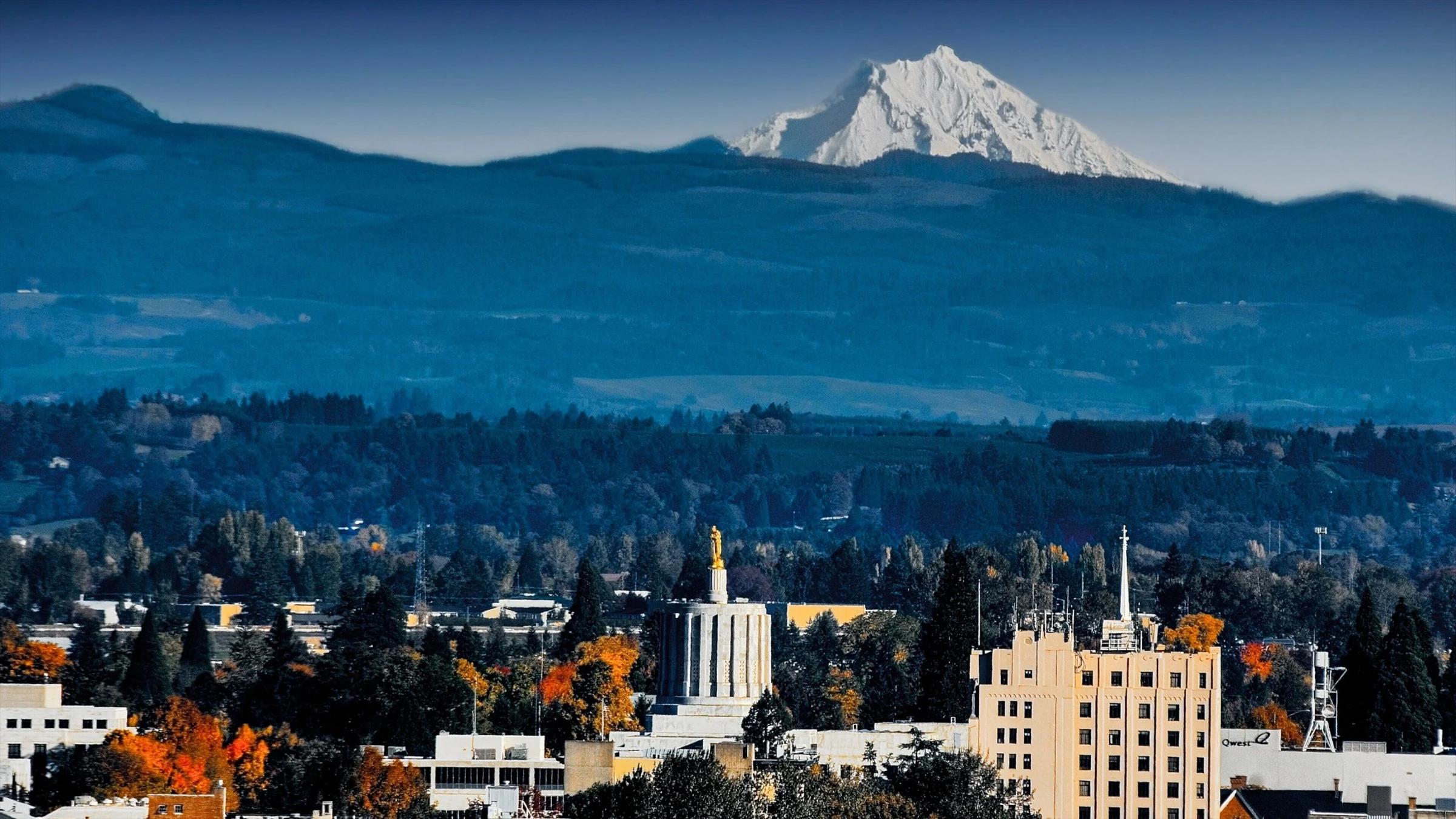
Commercial roofing contractors serving Turner, OR with commercial roof repair, replacement, coatings, maintenance programs, inspections, and documented roof reports.
Commercial Roofing Assessment Framework
Document
Membrane and seams
Trace
Drainage and water paths
Review
Flashings and penetrations
Compare
Repair, recover, coating, replacement
Plan
Access, staging, weather protection
Protect
Occupants, equipment, and operations
Close Out
Photos, details, records, priorities
Commercial Roofing Contractors Turner, OR: Roofing Detail
Commercial Roofers in Turner
Commercial roofers serving Turner should document leak sources, wet insulation, drainage, edge details, penetrations, and repair history before recommending a scope. Turner's commercial roofing base centers on two very different kinds of buildings: the Corban University campus and a stretch of warehousing along Highway 22. One is an institutional roofing problem with occupied buildings and an academic calendar to work around, the other is straightforward industrial roofing where access and drainage do most of the talking. We treat them accordingly.
There isn't much commercial development between those two poles, which keeps Turner's roofing conversation fairly focused compared to a town with a wider retail mix. Facilities staff on campus and property managers along the highway both deal with larger, simpler roof systems than a strip retail building, just for very different reasons rooted in how each type of property actually gets used from one week to the next across the school year and the shipping calendar alike, week in and week out, semester after semester.
Corban University's Campus Roof Stock
A university campus means a range of roof ages and types on one property: dormitories, classroom buildings, and administrative offices, often built in different decades with different systems. Scheduling matters as much as the roofing work itself, since occupied dorms and active classrooms don't tolerate the same disruption an empty warehouse would.
We plan campus roof work around the academic calendar where possible, using quieter periods for anything that would otherwise disturb students or staff.
Highway 22 Warehousing
The warehouse buildings along Highway 22 run larger membrane roofs, mostly TPO or older built-up systems, over wide open spans with minimal interior support. That span puts real weight on proper drainage design, since a roof this size with even a minor slope problem can pond a significant volume of water during a heavy Willamette Valley rain event.
We check drain placement and roof slope on these warehouse roofs specifically, because a drainage fix is usually far cheaper than the structural repair that follows sustained ponding.
Access Logistics for a Two-Zone Town
Turner's campus buildings and its highway warehousing sit in different parts of a small town, and getting equipment staged for either job means planning around campus traffic patterns on one side and highway shoulder access on the other. We coordinate access separately for each rather than treating Turner as one uniform job site.
Wet-Season Roof Load on Wide-Span Buildings
Nine wet months a year puts sustained load on any low-slope roof, but it's a bigger concern on the wide-span warehouse roofs where ponding water has more room to spread before it reaches a drain. We monitor these roofs for slow deck deflection over time, since a roof that ponds consistently in the same spot is telling an owner something about its structure, well beyond its membrane.
Planning Replacement Cycles Instead of Reacting to Failures
Both the campus and the warehouse buildings in Turner benefit from thinking about roof replacement as a planned cycle rather than a reaction to a failure. A university facilities budget and a warehouse owner's capital plan both work better with a multi-year forecast: which roof sections are approaching the end of their service life, and in what order they should come up for replacement.
We build that kind of forecast from inspection data collected over time rather than a single snapshot visit, since one inspection tells an owner where a roof stands today but not how fast it's declining.
For Corban's facilities staff specifically, that forecast also helps align roof replacement with lower-disruption windows on the academic calendar, rather than discovering a section needs replacement mid-semester with no good time to do the work.
The warehouse owners along Highway 22 benefit from the same kind of planning in a simpler form, budgeting for a recover or replacement a season or two ahead rather than waiting for a leak to force the decision during the wettest part of the year, when contractor schedules are tightest and material lead times run longer than most owners expect.
- Ponding on wide-span warehouse roofs after heavy rain
- Mixed roof ages and systems across a campus
- Access conflicts with active academic schedules
- Slow deck deflection at chronic ponding points
- Highway shoulder staging constraints for equipment
- Flashing wear at dormitory roof transitions
What Turner Owners and Facilities Staff Ask
How do you schedule roof work around an active university campus?
We work with facilities staff to identify lower-occupancy windows, typically breaks or evening hours, for anything disruptive, and we save routine inspection for times that don't require special coordination.
Why does ponding matter more on the Highway 22 warehouses?
Their wide, largely unobstructed roof spans mean ponding water has more area to collect before reaching a drain, which increases both the volume and duration of standing water compared to a smaller roof.
Is chronic ponding always a structural concern?
Not always, but a roof that ponds in the same spot repeatedly is worth checking for slow deck deflection, since that pattern can indicate more than a simple slope or drainage issue.
Can equipment access be staged from the highway shoulder safely?
Yes, with proper traffic control planning. We coordinate staging separately for highway-adjacent buildings rather than assuming standard parking lot access applies.
Do older campus buildings need different roofing systems than the newer ones?
Often yes. Older sections may still run built-up or modified bitumen systems while newer construction uses TPO or PVC, and each needs its own maintenance approach rather than one blanket plan.
Assessment Priorities
Membrane condition, seams, flashings, penetrations, drains, scuppers, edge metal, rooftop equipment, traffic patterns, and visible moisture evidence are reviewed together before a repair, coating, recover, or replacement path is recommended.
Planning Around the Facility
Access, staging, noise, odor, delivery windows, weather protection, occupied spaces, interior protection, and daily dry-in procedures are planned for the way the commercial property must continue operating.
From Findings to a Clear Scope
Observed conditions are documented so building owners and facility teams can compare immediate repairs, maintenance priorities, system options, budget timing, and closeout requirements without losing sight of the building below the deck.
Ready to review the roof scope?
Service Areas
1 of 2
Commercial Roofing Contractors Albany, OR
Commercial roofing contractors serving Albany, OR with commercial roof repair.
Commercial Roofing Contractors Keizer, OR
Commercial roofing contractors serving Keizer, OR with commercial roof repair.
Commercial Roofing Contractors Woodburn, OR
Commercial roofing contractors serving Woodburn, OR with commercial roof.
Commercial Roofing Contractors Millersburg, OR
Commercial roofing contractors serving Millersburg, OR with commercial roof.Commercial Roofing Across the Salem Area