Roofing Subcontractor for General Contractors in Salem, OR
Industries We ServeServing Salem and the central Willamette Valley
Request a Roof Assessment
Commercial roofing in Salem, Oregon

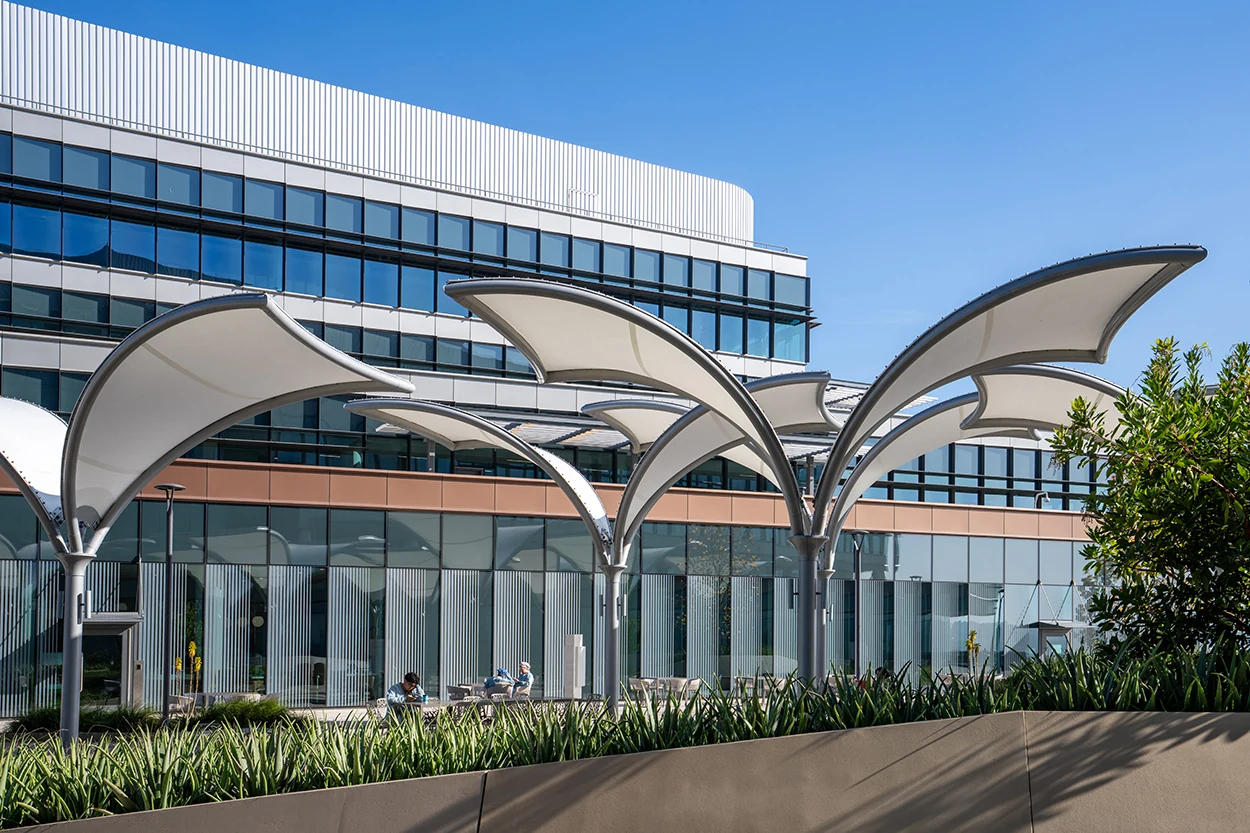
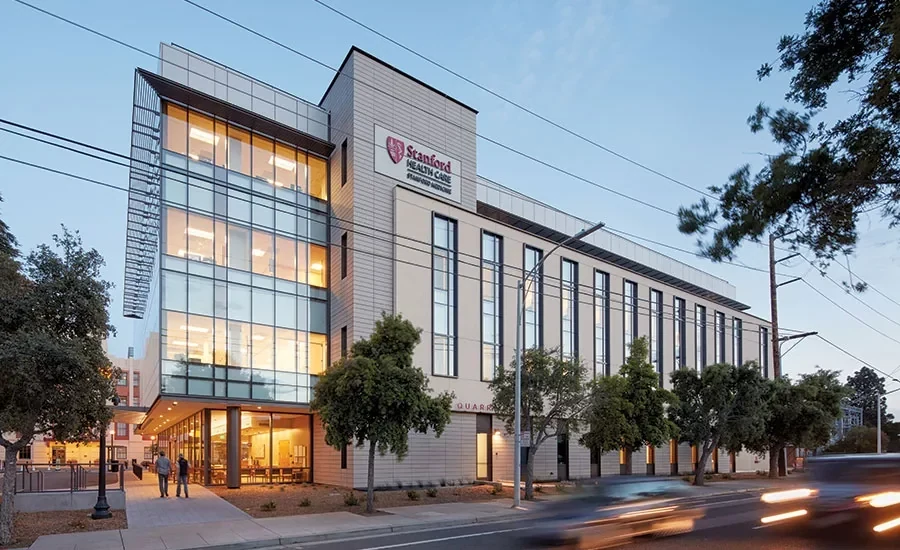
Roofing subcontractor support for Salem-area general contractors on new construction and tenant improvement projects, scheduled to your milestones.
Commercial Roofing Assessment Framework
Document
Membrane and seams
Trace
Drainage and water paths
Review
Flashings and penetrations
Compare
Repair, recover, coating, replacement
Plan
Access, staging, weather protection
Protect
Occupants, equipment, and operations
Close Out
Photos, details, records, priorities
Roofing Subcontractor for General Contractors in Salem, OR: Roofing Detail
A Roofing Sub That Shows Up When Your Schedule Says We Do
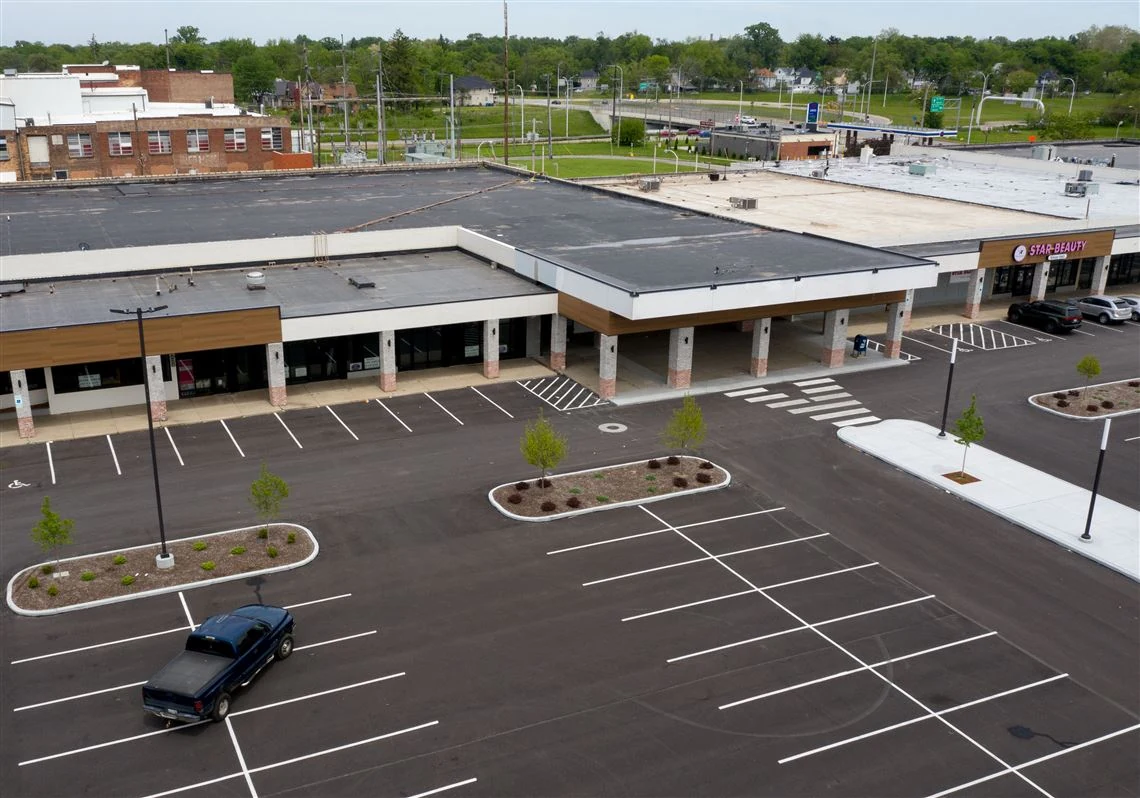
General contractors building or renovating commercial space around Salem do not need a roofer who treats their project like a side job. Whether it is a tenant improvement build-out off Commercial Street SE or a ground-up warehouse near the airport industrial area, we build our crew schedule around your milestones, not the other way around.
Coordinating Around the Rest of the Trade Stack
Roofing sits at a pinch point on most commercial schedules. Framing, deck installation, and rooftop mechanical rough-in all have to land before we can dry the building in, and every trade after us is waiting on that dry-in to start their own work. We track those upstream dependencies with your superintendent instead of showing up on a fixed date regardless of where the job actually stands.
When mechanical, electrical, and plumbing contractors are setting curbs, penetrations, and rooftop units on the same schedule we are installing membrane, we coordinate flashing details directly with those trades so nobody is cutting into finished roof work after the fact.
System Selection for Tenant Improvement and New Build Work
The right roof system on a TI project depends on what the tenant needs, not only what is cheapest to install. A restaurant buildout needs different rooftop exhaust accommodations than a medical office or a light industrial tenant. We work from your architect's drawings and specs, and flag anything that will create a maintenance or warranty problem down the line before material orders go in, not after.
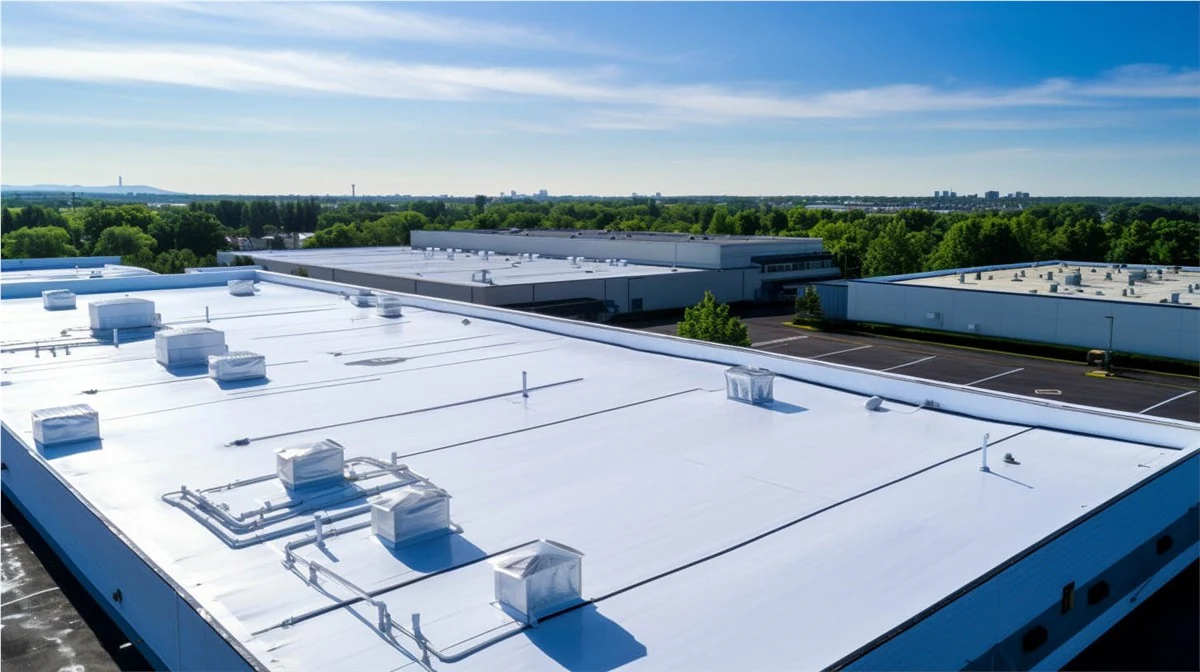
On new construction, we give you options across TPO, EPDM, and standing seam metal with real installed pricing and maintenance implications for each, so your owner's decision is based on total cost, not only the number on the bid tab.
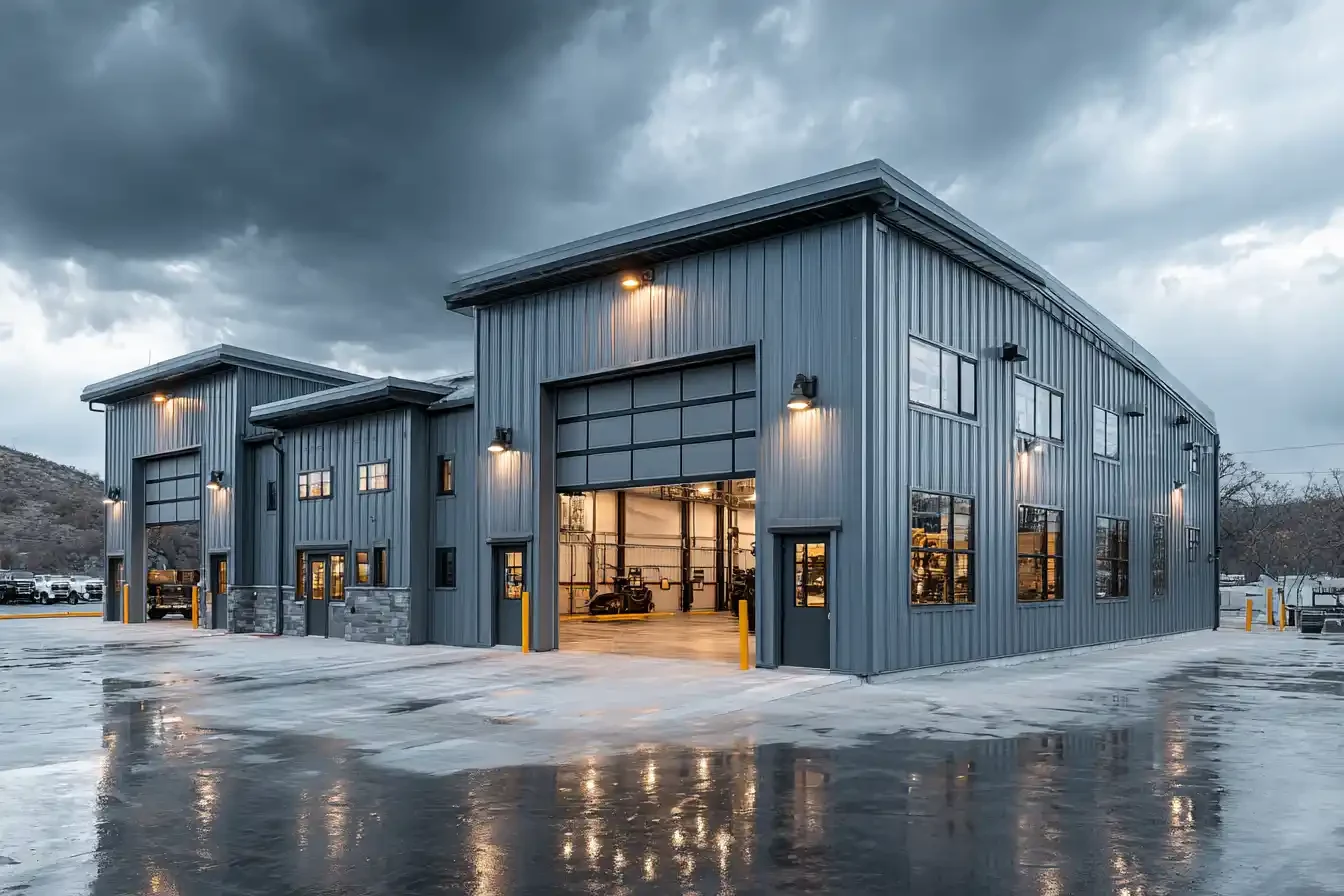
Metal roofing comes up more often on new build projects than on TI work, particularly for owners who want a longer service interval and a different aesthetic on a visible building near a main corridor. We walk owners through the tradeoff honestly: standing seam metal costs more up front than a single-ply membrane but typically needs less recurring maintenance over its life, which matters on a building the owner intends to hold rather than flip.
Warranty and Closeout Documentation
A roof warranty is only as good as the paperwork behind it. We provide manufacturer warranty documentation, as-built drawings, and inspection records formatted for your closeout package, so you are not chasing us for documents weeks after the certificate of occupancy.
If a punch list item comes back on the roof after substantial completion, we treat it as part of the original scope rather than a change order fight, within the terms of our contract.
We also keep our own copies of every warranty registration and inspection record for projects we complete, so if an owner or property manager loses their copy years later, we can pull the documentation instead of leaving them stuck.
What We Bring to a Bid Package
When you bring us in during preconstruction or design-assist, we contribute specific input that keeps a project on schedule and on budget:
- Constructability review of roof details before they are locked in the drawings
- Realistic lead times on membrane, insulation, and metal materials
- Weather-window sequencing planned around Willamette Valley rain patterns
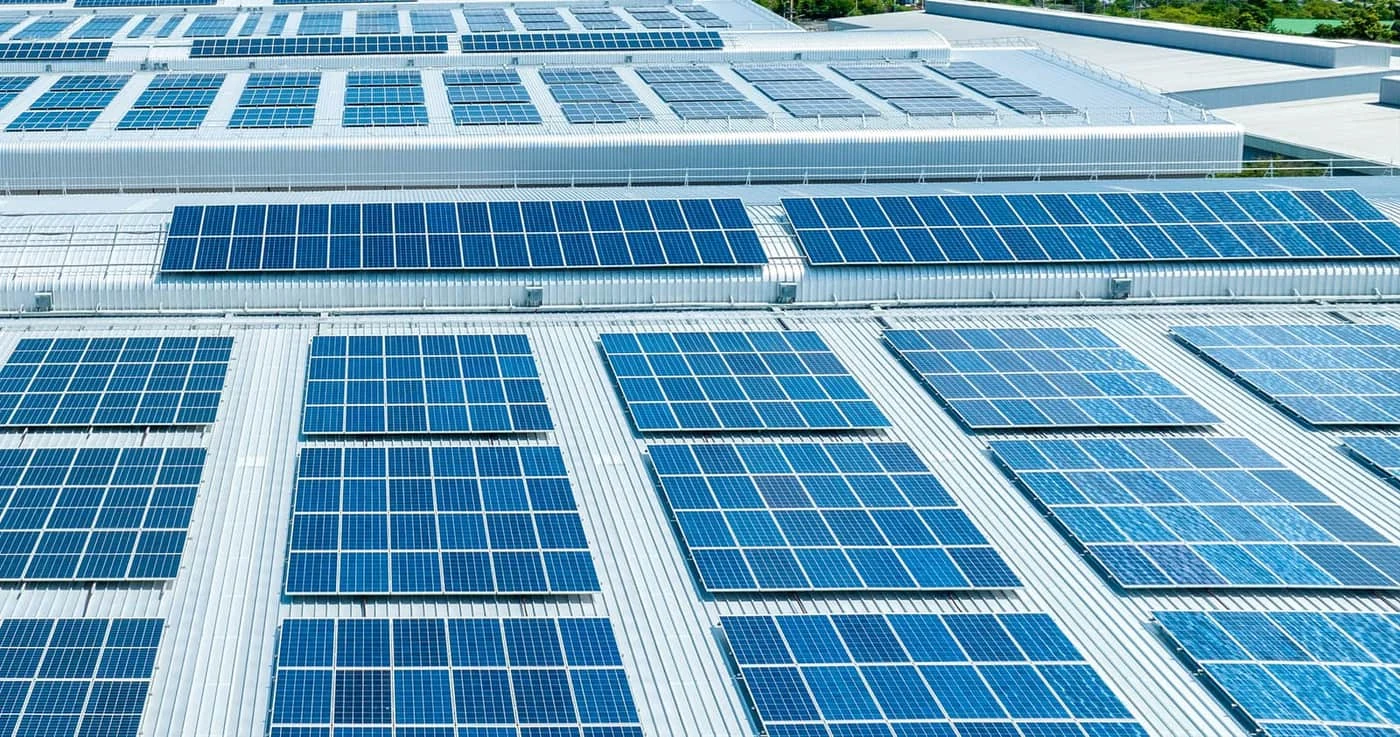
- Coordination points with rooftop mechanical and solar trades
- A firm bid, not a number that grows once the project is underway
That input tends to catch problems before they cost you a change order later in the build.
Working Around Salem's Wet-Season Schedule
Nine months of rain a year in the valley means dry-in timing matters more here than in drier markets. We plan tear-off and membrane installation phases around forecast windows rather than pushing crews to work membrane seams in active rain, which is when most long-term leak callbacks start. If your schedule has flexibility, we will tell you honestly when to push a roofing start a few days for better conditions instead of forcing the date.
We also keep a standing crew allocation for smaller callback and warranty items on projects we have already completed for a repeat general contractor. That matters when a subcontractor on a different trade damages a section of finished roof late in a project and you need it fixed before final inspection, not scheduled weeks out.
Questions General Contractors Ask Us
Can you work from our existing drawings and specs without a full redesign?
Yes, we bid and build from architect and engineer drawings as issued, and only flag changes when something in the roof detail creates a real performance or code problem.
How do you handle schedule slips on the trades ahead of you?
We stay in direct contact with your superintendent and hold flexible crew availability where possible, rather than locking a fixed date that falls apart the first time framing runs long.
Do you provide as-built documentation for closeout?
We provide manufacturer warranty paperwork and as-built roof drawings formatted for your closeout binder as a standard part of the scope.
Can you bid design-assist or preconstruction phases?
We regularly review roof details during design and preconstruction to flag constructability and cost issues before they get locked into final drawings.
What happens if a punch list item shows up after we hand the building over?
We handle roof-related punch items within our contract scope and warranty terms rather than treating every callback as a new negotiation.
Assessment Priorities
Membrane condition, seams, flashings, penetrations, drains, scuppers, edge metal, rooftop equipment, traffic patterns, and visible moisture evidence are reviewed together before a repair, coating, recover, or replacement path is recommended.
Planning Around the Facility
Access, staging, noise, odor, delivery windows, weather protection, occupied spaces, interior protection, and daily dry-in procedures are planned for the way the commercial property must continue operating.
From Findings to a Clear Scope
Observed conditions are documented so building owners and facility teams can compare immediate repairs, maintenance priorities, system options, budget timing, and closeout requirements without losing sight of the building below the deck.
Ready to review the roof scope?
Industries We Serve
1 of 2
Commercial Roofing Across the Salem Area