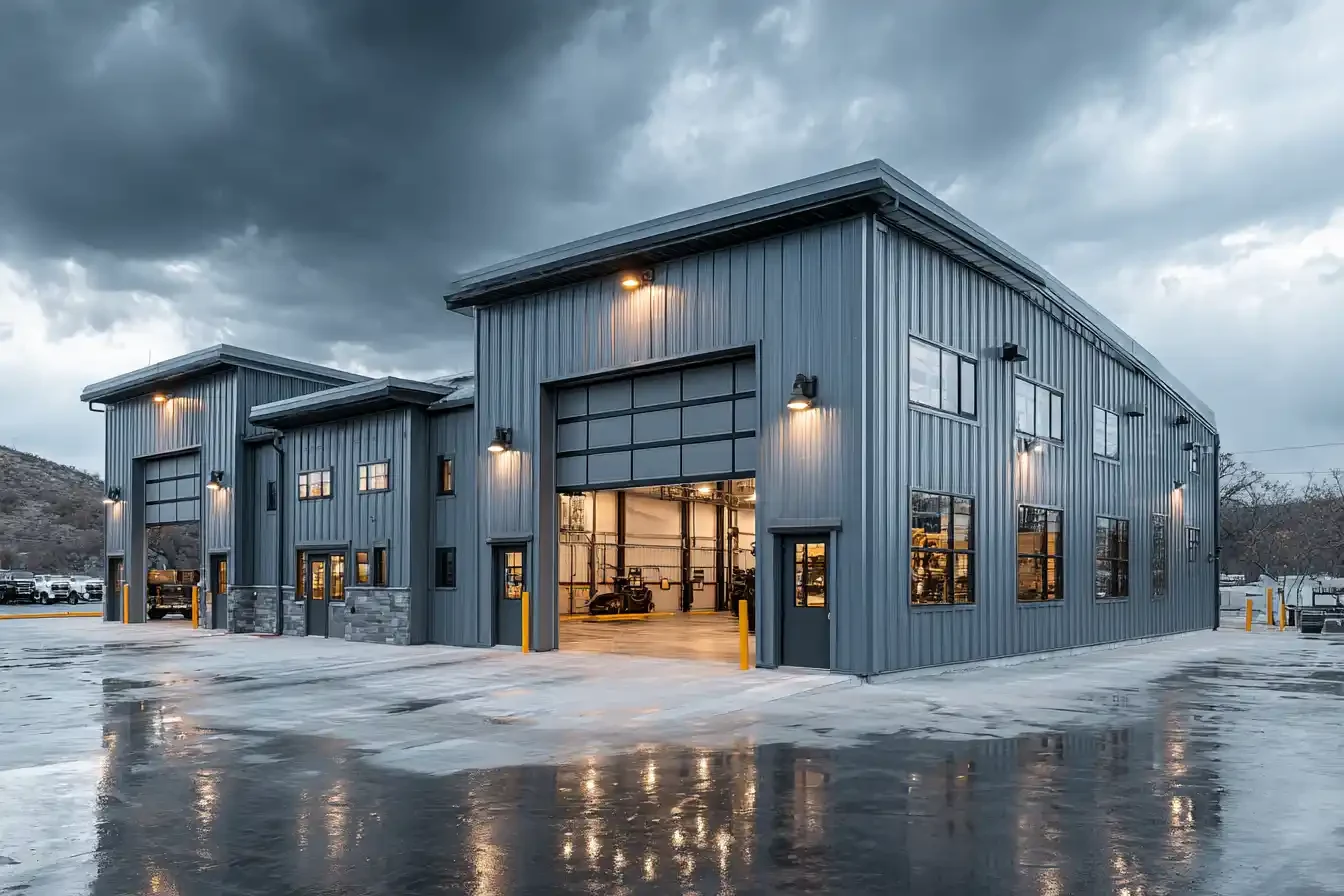
Food & Ag Processing Plant Roofing in Salem, OR
Industries We ServeServing Salem and the central Willamette Valley
Request a Roof Assessment
Commercial roofing in Salem, Oregon
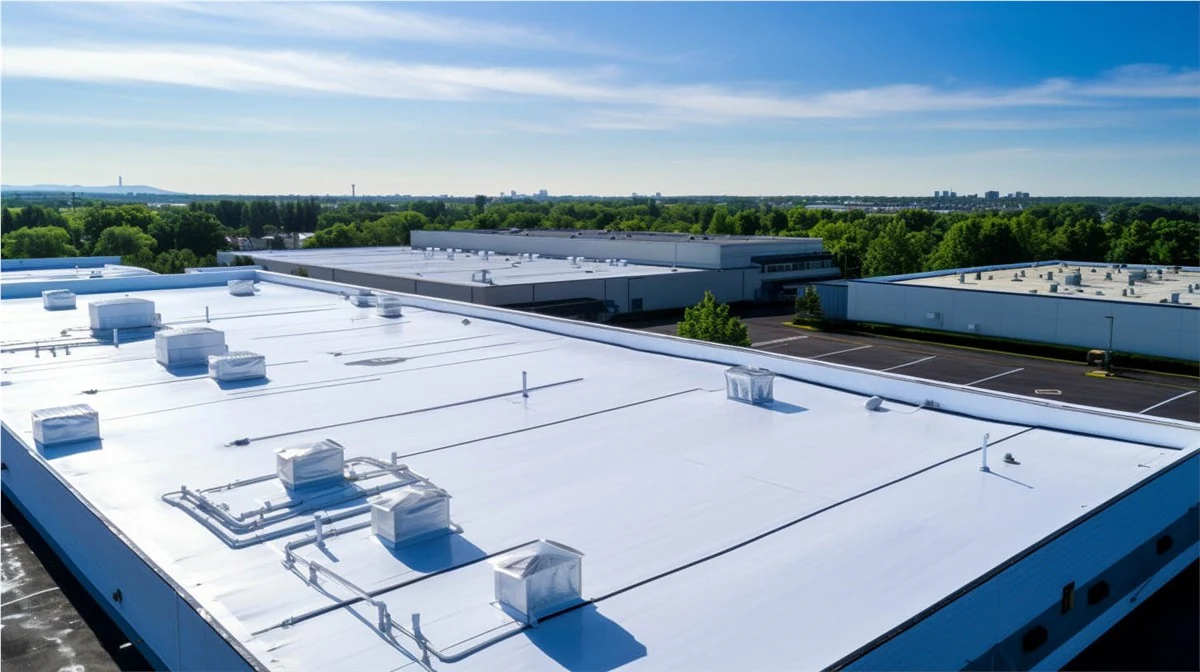
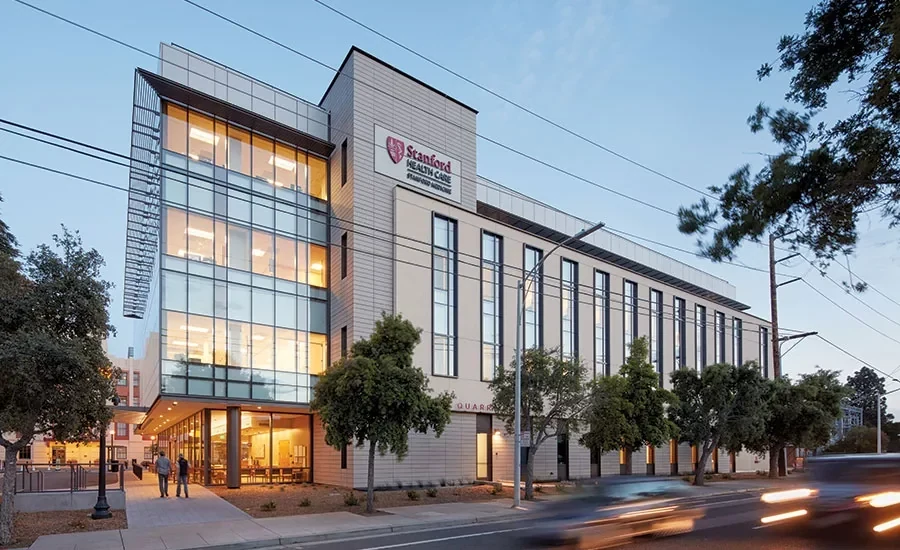
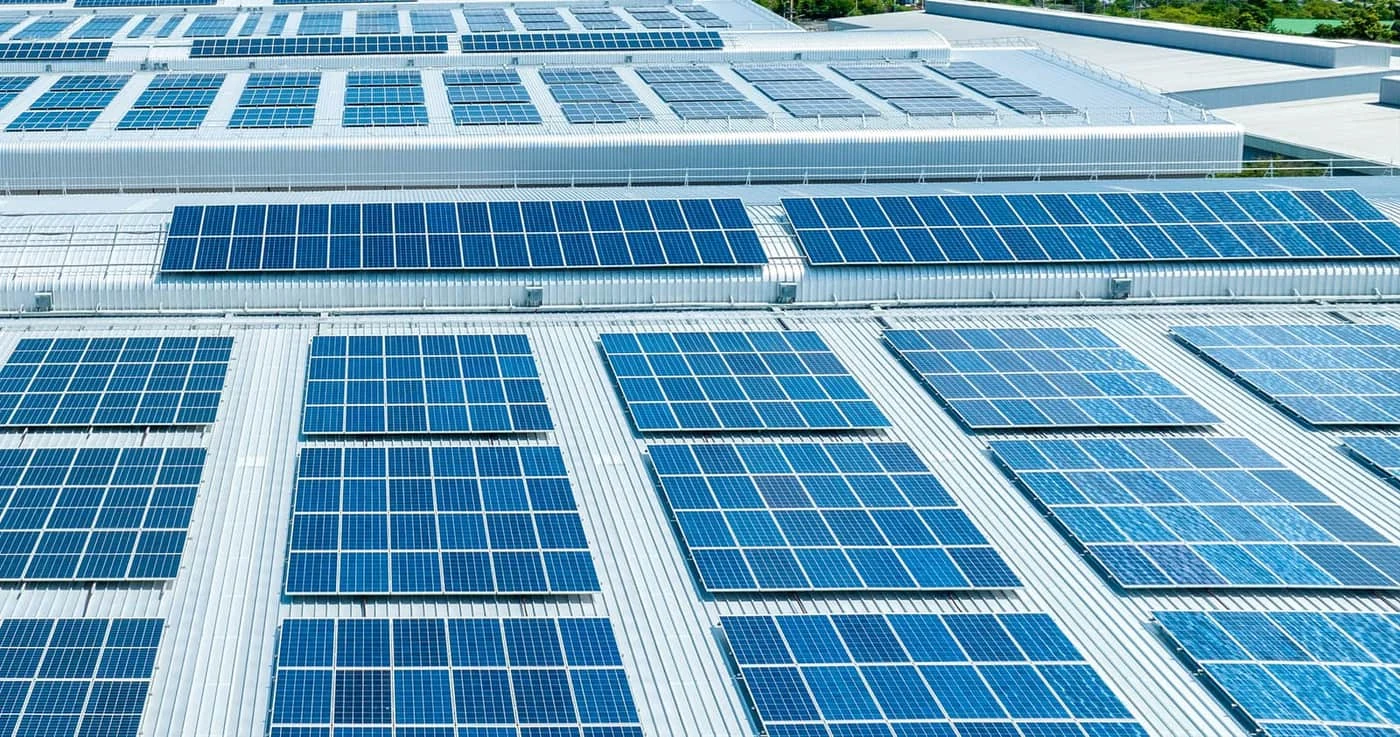

Roofing for Salem and Willamette Valley food processing and manufacturing plants, planned around production schedules, grease exhaust, and harvest season.
Commercial Roofing Assessment Framework
Document
Membrane and seams
Trace
Drainage and water paths
Review
Flashings and penetrations
Compare
Repair, recover, coating, replacement
Plan
Access, staging, weather protection
Protect
Occupants, equipment, and operations
Close Out
Photos, details, records, priorities
Food & Ag Processing Plant Roofing in Salem, OR: Roofing Detail
Keeping Production Lines Dry Through Harvest and Beyond
Salem and the surrounding valley run on food and agricultural processing. Berry, hazelnut, and vegetable processors near the Highway 22 and I-5 corridors depend on their roofs staying watertight through peak season, not only on paper. A plant operator does not care about a warranty certificate if a leak drips onto a packaging line during the harvest push.
Grease, Steam, and Exhaust Change What a Roof Has to Handle
Processing plant roofs take a beating that an office building roof never sees. Cooking and canning lines vent steam and grease-laden air straight through rooftop hoods and curbs, and over time that residue breaks down standard EPDM and asphaltic membranes faster than sun exposure alone. We spec membrane and coating systems rated for grease exposure around exhaust penetrations instead of treating those areas the same as the rest of the field.
Refrigeration and freezer additions common at canneries and cold-storage-adjacent plants also mean more rooftop condensate lines, more curbs, and more penetrations than a typical warehouse roof. Each one is a place water finds its way in if flashing detail gets rushed.
Smaller manufacturing operations in the industrial areas around Brooks and the Highway 99E corridor often run older metal or built-up roofs never designed for the equipment load added over years of production growth. We check rooftop structural capacity against current equipment weight before recommending any additional units, since exceeding a deck's rated load is a slower, quieter failure mode than a leak but a more expensive one to fix once it shows up.
Sanitation Requirements Do Not Stop at the Roof Line
Food processing facilities operate under sanitation rules that extend to how a contractor works above a production floor. Dust, fiberglass particulate, and old membrane debris cannot fall through a leaking roof deck onto a line that runs under USDA or FDA oversight. We seal deck penetrations and control debris from the top side so a reroof does not become a food safety incident below.
We also plan tear-off sequencing around wash-down schedules and sanitation shifts, since a plant that runs a hard stop for cleaning overnight often has a window we can use for the noisiest work.
Harvest Season Is Not a Good Time to Discover a Roof Problem
Ag processors in this area run close to capacity from summer through fall, when berries, hops, and vegetables come off the fields. A membrane failure in August is a different problem than the same failure in February, because there is no slow season to absorb a shutdown. We push inspections and repairs to spring, ahead of the season, specifically so a plant is not choosing between running the line wet or shutting it down mid-harvest.
When emergency repairs do happen during a production run, we scope the work to isolate the affected roof section so the rest of the plant keeps operating, rather than treating the whole roof as one job that has to wait for a full shutdown.
What Plant Operators Ask Us to Check First
On a walk of a processing facility roof, we prioritize a specific set of items before anything cosmetic:
- Condition of membrane immediately around exhaust hoods and grease-prone curbs
- Refrigeration and condensate line penetrations for proper flashing
- Drain capacity relative to roof-mounted equipment additions made after original construction
- Insulation moisture content in areas below reported interior leaks
- Structural load of any rooftop equipment added since the last roof replacement
That list catches most of the failure points we see repeated across valley processing plants.
Downtime Cost Drives the System We Recommend
A production line down for a day costs a plant operator more than most roof systems cost outright, so we weigh installation speed and disruption alongside material cost. A recover system installed over sound insulation can sometimes keep a plant running through the work where a full tear-off would force a shutdown. We lay out both paths with honest numbers so the decision is made with real tradeoffs in front of you, not a sales pitch toward the more expensive option.
Some plants around the valley run two or three shifts, which narrows the windows when a crew can be overhead without interfering with staff movement between the parking area and the building entrance. We schedule material staging and access routes around shift-change times specifically to avoid that conflict.
Questions Processing Plant Managers Ask Us
Can roof work happen while the plant keeps running?
In most cases yes, by sectioning the roof and scheduling around production and wash-down shifts, though heavy tear-off phases sometimes need a planned quiet window.
Do you have experience with grease and steam exhaust damage?
We see it regularly across valley food plants and spec membrane and flashing details rated for that exposure rather than standard field materials.
How do you handle roof penetrations added for new equipment over the years?
We inspect every added curb and line during our assessment, since retrofit penetrations are the most common source of leaks on an older processing roof.
What is the best time of year to schedule a reroof?
Late spring, before harvest volume ramps up, gives us dry working conditions and avoids competing with your busiest production months.
Will roof debris fall onto our production floor during work?
We control debris and dust from the roof side with deck protection and sequencing, treating food safety requirements as a hard constraint on how the job is run, not an afterthought.
Assessment Priorities
Membrane condition, seams, flashings, penetrations, drains, scuppers, edge metal, rooftop equipment, traffic patterns, and visible moisture evidence are reviewed together before a repair, coating, recover, or replacement path is recommended.
Planning Around the Facility
Access, staging, noise, odor, delivery windows, weather protection, occupied spaces, interior protection, and daily dry-in procedures are planned for the way the commercial property must continue operating.
From Findings to a Clear Scope
Observed conditions are documented so building owners and facility teams can compare immediate repairs, maintenance priorities, system options, budget timing, and closeout requirements without losing sight of the building below the deck.
Ready to review the roof scope?
Industries We Serve
1 of 2
Commercial Roofing Across the Salem Area