
Commercial Roofing Contractors Serving Scio, OR
Service AreasServing Salem and the central Willamette Valley
Request a Roof Assessment
Commercial roofing in Salem, Oregon
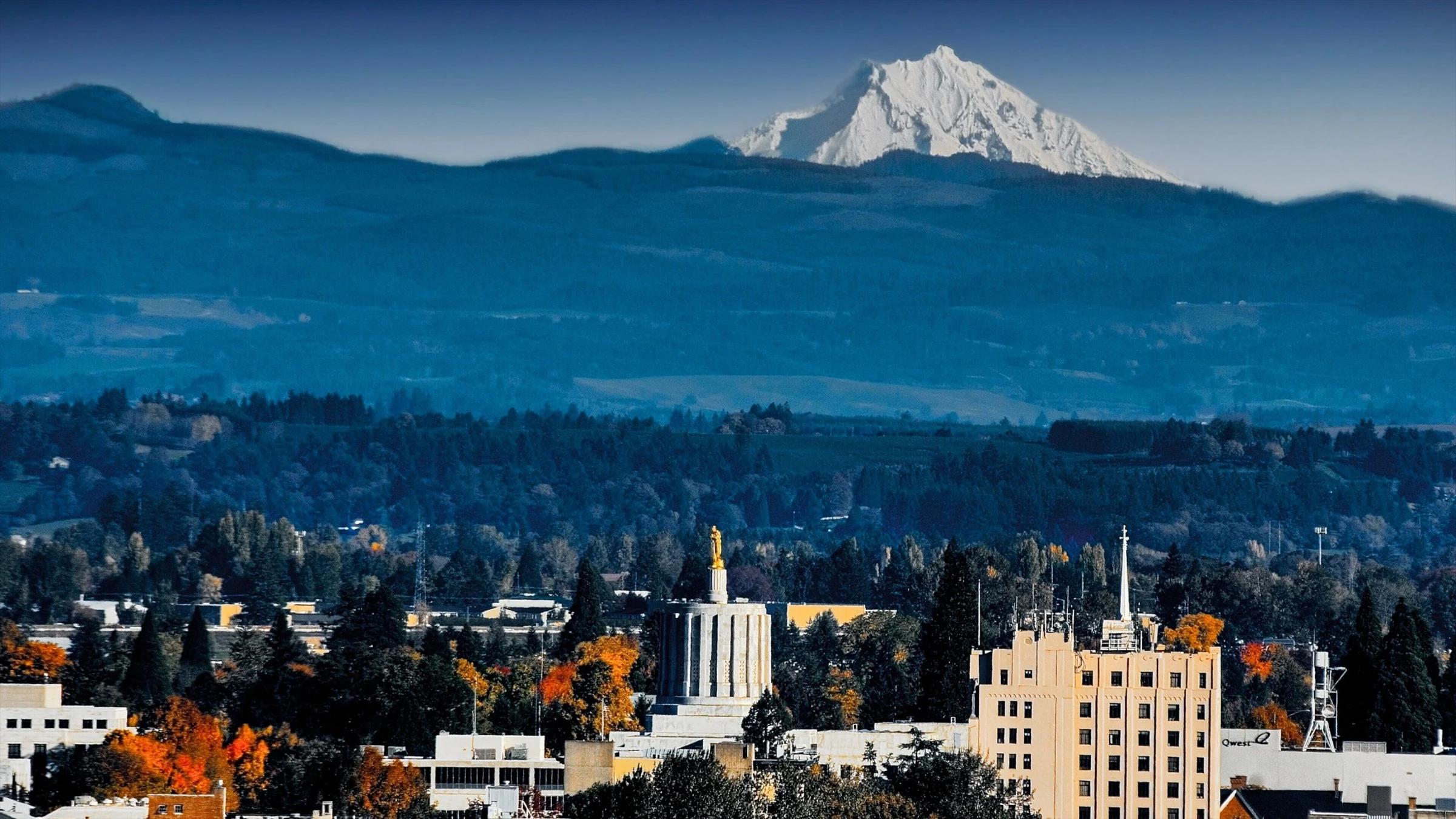
Commercial roofing contractors serving Serving Scio, OR with commercial roof repair, replacement, coatings, maintenance programs, inspections, and documented roof reports.
Commercial Roofing Assessment Framework
Document
Membrane and seams
Trace
Drainage and water paths
Review
Flashings and penetrations
Compare
Repair, recover, coating, replacement
Plan
Access, staging, weather protection
Protect
Occupants, equipment, and operations
Close Out
Photos, details, records, priorities
Commercial Roofing Contractors Serving Scio, OR: Roofing Detail
Commercial Roofers in Serving Scio, OR
Commercial roofers serving Serving Scio, OR should document leak sources, wet insulation, drainage, edge details, penetrations, and repair history before recommending a scope. Scio sits in covered-bridge country east of Salem, a small ag-service town where the commercial roof stock is exactly what you'd expect: a short main street, farm supply and equipment buildings, and small service structures serving the surrounding rural area. We treat it as the small market it is, not a market we're pretending is bigger.
A Working Ag-Service Main Street
Scio's commercial buildings serve the farms around it, feed and supply stores, equipment dealers, small repair shops. Roofs on these buildings are practical: metal panel on the newer construction, older built-up or composition roofing on the town's original storefronts. Nobody here is asking for architectural roofing, they're asking for something that keeps water out and doesn't need constant attention.
We approach these buildings the same way their owners do, straightforward assessment, honest cost information, and a clear answer on whether a repair holds or whether it's time to replace a section.
What Rural Metal Buildings Show Us Here
Ag supply and equipment buildings in this area typically run standing seam or R-panel metal roofing, often installed years ago with minimal ongoing maintenance. In the Willamette Valley's persistent wet season, the failure pattern is consistent: sealant breakdown at fastener penetrations and panel laps first, then moisture tracking under the panels toward the interior, often showing up as staining on stored inventory or equipment before anyone notices a roof problem.
On the older composition-roofed storefronts downtown, the issue is usually surface wear combined with parapet flashing that's never been updated, letting water in at the wall-roof transition rather than through the field of the roof itself.
We also see a fair number of buildings where a previous repair used the wrong sealant for the substrate, a common shortcut on older rural buildings where whatever tube of caulk was on hand got used regardless of compatibility. Mismatched sealant fails faster than a properly specified product, and re-doing that work correctly is often cheaper over the roof's remaining life than repeating a quick fix every year or two.
Why This Climate Rewards Checking Small Roofs Regularly
A small building's roof doesn't get walked often unless someone makes a point of it. Given how long the wet season runs here, that's a real gap, moisture that would dry out quickly in a drier climate instead sits and works on seams and fasteners for months at a time.
The tree cover common along the roads leading into Scio compounds the problem for buildings set back from the main street, with needle and leaf debris collecting in valleys and gutters faster than it would on an open commercial lot. That debris holds moisture against the roofing material well past when a clear gutter would have let it drain and dry.
- Sealant breakdown at fastener penetrations on older standing seam and R-panel roofs
- Parapet flashing failure on downtown composition-roofed storefronts
- Undetected staining in stored ag inventory from slow roof leaks
- Moss and debris buildup in valleys and gutters near tree cover
- Rust progression at panel seams where original coating has worn away
Right-Sized Recommendations for Small Ag Buildings
Most of the work we recommend around Scio is targeted repair or a commercial roof leak repair rather than full replacement, because most of these roofs are structurally sound and just need the failure points addressed before they spread. When a roof genuinely needs replacement, we're direct about it, but we don't push full tear-offs on buildings that don't need one.
We also point out drainage and flashing details that, once corrected, prevent the same failure from recurring, addressing the underlying cause rather than only patching the symptom that showed up first.
Cost sensitivity is real for most of these owners, and we structure our recommendations around it. A repair scoped in phases, tackling the worst penetrations and laps first and revisiting the rest on a follow-up visit, often gets a building through another few wet seasons at a fraction of what a full section replacement would cost, and we lay that phasing out clearly when the roof condition allows it.
Scheduling Around a Rural Operating Rhythm
Farm supply and equipment businesses run on seasonal demand, busiest around planting and harvest. We schedule roof work for the slower stretches when access to the building matters less, and we keep response available for urgent leaks that surface during a busy season.
We also try to give owners enough lead time to plan around a crew being on site, since a farm supply business can't always predict its busiest week months in advance. Flexibility on our end matters more here than it would with a corporate tenant working off a fixed calendar.
Questions From Scio Building Owners
How do I know if my metal roof leak is from the seams or the flashing?
We trace water paths during inspection, checking fastener penetrations, panel laps, and flashing transitions separately, since each fails differently and needs a different fix.
Is my older storefront roof worth repairing?
Usually yes if the deck underneath is sound. We evaluate the substrate condition before recommending repair, recover, or replacement.
How often should a rural ag building roof be inspected?
At least once a year, ideally before the wet season starts, since these buildings often don't get regular attention otherwise.
Can moss actually damage a metal roof?
Yes, moss and organic debris trap moisture against the panel surface far longer than it would otherwise sit, accelerating coating breakdown and rust.
Do you work around planting and harvest schedules?
Yes, we plan non-emergency roof work for slower periods and keep repair response available when leaks surface during busy farm seasons.
Assessment Priorities
Membrane condition, seams, flashings, penetrations, drains, scuppers, edge metal, rooftop equipment, traffic patterns, and visible moisture evidence are reviewed together before a repair, coating, recover, or replacement path is recommended.
Planning Around the Facility
Access, staging, noise, odor, delivery windows, weather protection, occupied spaces, interior protection, and daily dry-in procedures are planned for the way the commercial property must continue operating.
From Findings to a Clear Scope
Observed conditions are documented so building owners and facility teams can compare immediate repairs, maintenance priorities, system options, budget timing, and closeout requirements without losing sight of the building below the deck.
Ready to review the roof scope?
Service Areas
1 of 2
Commercial Roofing Contractors Albany, OR
Commercial roofing contractors serving Albany, OR with commercial roof repair.
Commercial Roofing Contractors Keizer, OR
Commercial roofing contractors serving Keizer, OR with commercial roof repair.
Commercial Roofing Contractors Woodburn, OR
Commercial roofing contractors serving Woodburn, OR with commercial roof.
Commercial Roofing Contractors Millersburg, OR
Commercial roofing contractors serving Millersburg, OR with commercial roof.Commercial Roofing Across the Salem Area