Government & Municipal Roofing in Salem, OR
Commercial Project TypesServing Salem and the central Willamette Valley
Request a Roof Assessment
Commercial roofing in Salem, Oregon
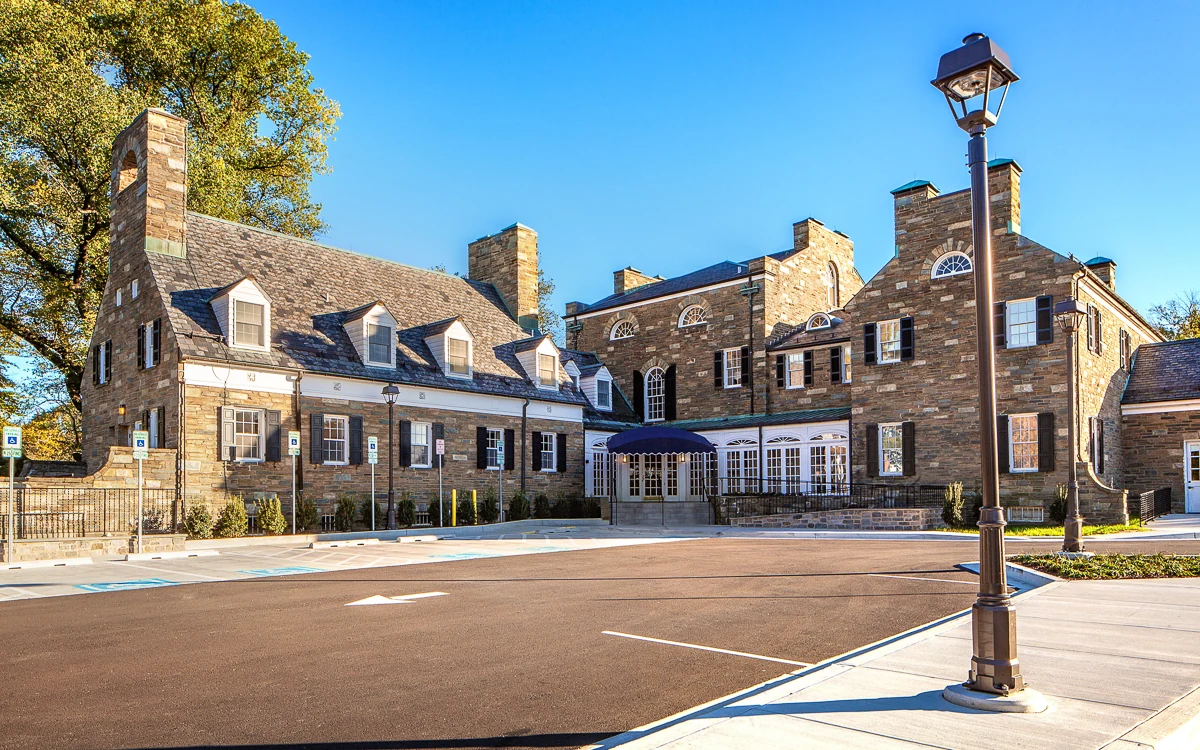
Government and municipal roofing in Salem, OR for state and city buildings, with prevailing-wage crews, ORS 279C paperwork, and audit-ready bid documentation.
Commercial Roofing Assessment Framework
Document
Membrane and seams
Trace
Drainage and water paths
Review
Flashings and penetrations
Compare
Repair, recover, coating, replacement
Plan
Access, staging, weather protection
Protect
Occupants, equipment, and operations
Close Out
Photos, details, records, priorities
Government & Municipal Roofing in Salem, OR: Roofing Detail
Reroofing State and City Buildings Around the Capitol Mall
The buildings clustered around the Capitol Mall and scattered through downtown Salem answer to a different set of rules than a private warehouse does. A roof project on state or city property runs through a budget cycle, a bid process, and a stack of compliance paperwork before a single ply of membrane goes down, and owners who skip that groundwork end up with change orders instead of a finished roof.
Why Public Roofs in Salem Run on a Different Clock
State office buildings around Court Street and Summer Street, agency annexes near the Capitol, and campus buildings at Oregon State Hospital were mostly built or expanded across several decades, which means roof age varies a lot from one wing to the next even on a single property. A facilities manager tracking a portfolio of these buildings is usually working from a capital plan set a year or more in advance, not a same-week decision.
We build our proposals around that reality. A public building roof scope gets written so it can survive a budget committee meeting, a records request, and a change in facilities staff without losing the technical detail that made the original bid defensible.
Prevailing Wage and the Paperwork That Comes With It
Public works roofing contracts in Oregon run through the state's prevailing wage law, and BOLI wage determinations apply whether the job is a full tear-off on a state agency roof or a smaller repair at a city-owned facility. That means certified payroll, correct wage classifications for each crew role, and a contractor registration that's current before work starts.
Owners get burned when a low bid turns out to have skipped prevailing wage math entirely. We price public jobs with the wage determination built in from the first estimate, so the number a facilities director takes to a board or council is the number that survives an audit.
Documentation an agency should expect on a public roofing bid:
- Current public works contractor registration and bonding on file with the state
- Written prevailing wage determination applied to every labor classification on the crew
- Certified payroll records available for the duration of the contract
- A specification that names deck type, insulation R-value, and membrane system rather than describing them loosely
- Warranty paperwork matched to the building's actual asset ID, not a generic template
Working Around Occupied Government Buildings
A courthouse annex, a DMV field office, or a city permit counter can't just close for a roof project. Public-facing buildings need staged work, protected pedestrian routes, and noise and access plans that respect posted hours, and a roof crew that shows up without that plan creates a problem for the building manager before lunch.
We schedule loud demolition and crane work around business hours where the contract allows it, coordinate laydown areas that don't block accessible parking or building entries, and keep a daily line of communication open with the site's facilities contact so nothing about the work is a surprise.
Bond Money, Grants, and Multi-Year Roof Budgets
Some of what we see on public buildings is funded through capital improvement bonds or facility maintenance reserves that get allocated a fiscal year at a time. That can mean a roof gets scoped in phases: a section replaced this year, the rest scheduled once the next budget cycle opens.
We document phased work so each stage stands on its own for warranty and inspection purposes, and so a facilities team inheriting the project two years later can see exactly what was done, on what system, under what wage determination.
Insurance, Bonding, and What Happens When a Claim Gets Filed
Public agencies carry their own risk management processes, and a roofing contractor working on state or municipal property needs bonding and liability coverage that satisfies the agency's contract requirements before a purchase order is even issued, not after work starts.
We keep current bonding and coverage documentation on file specifically for public works contracts, since the paperwork requirements here are usually more detailed than a private commercial job asks for, and a gap in coverage can hold up a contract award even after the bid was accepted on price.
When a claim does come up, whether it's storm damage to a state building or a dispute over responsibility for a leak near a tenant improvement, we document conditions thoroughly enough that the agency's risk management office has what it needs without chasing us for records months later.
Questions Agencies Ask Before They Sign
Do repairs under a certain dollar amount still require prevailing wage?
In Oregon, prevailing wage generally applies to public works contracts above a set threshold, and that threshold is set by statute, not by the agency doing the hiring. We check the applicable threshold against the contract value before pricing so the proposal reflects the correct labor rates from the start.
Can work happen while the building stays open to the public?
Most of it, yes. Membrane installation, flashing work, and drain replacement can usually proceed during business hours with a protected work zone. Anything involving crane lifts over occupied entrances or loud demolition gets scheduled around posted hours whenever the contract allows.
How do you handle a roof that spans multiple fiscal years of funding?
We break the specification into discrete phases that each pass inspection and carry their own warranty documentation, so a partial reroof this year doesn't leave the owner with an undocumented gap if the remaining phase gets delayed to the next budget cycle.
What happens if the building has asbestos-containing roofing materials?
Older state and municipal buildings sometimes have legacy materials in the roof assembly. We flag suspect materials before demolition starts and coordinate with the owner's abatement process rather than proceeding on assumption.
Who signs off on substantial completion for a public roofing contract?
That's typically the agency's facilities representative or a designated project manager, following the inspection and closeout process spelled out in the contract. We build our schedule around their sign-off requirements rather than treating it as a formality at the end.
Assessment Priorities
Membrane condition, seams, flashings, penetrations, drains, scuppers, edge metal, rooftop equipment, traffic patterns, and visible moisture evidence are reviewed together before a repair, coating, recover, or replacement path is recommended.
Planning Around the Facility
Access, staging, noise, odor, delivery windows, weather protection, occupied spaces, interior protection, and daily dry-in procedures are planned for the way the commercial property must continue operating.
From Findings to a Clear Scope
Observed conditions are documented so building owners and facility teams can compare immediate repairs, maintenance priorities, system options, budget timing, and closeout requirements without losing sight of the building below the deck.
Ready to review the roof scope?
Commercial Project Types
1 of 2
Commercial Roofing Across the Salem Area