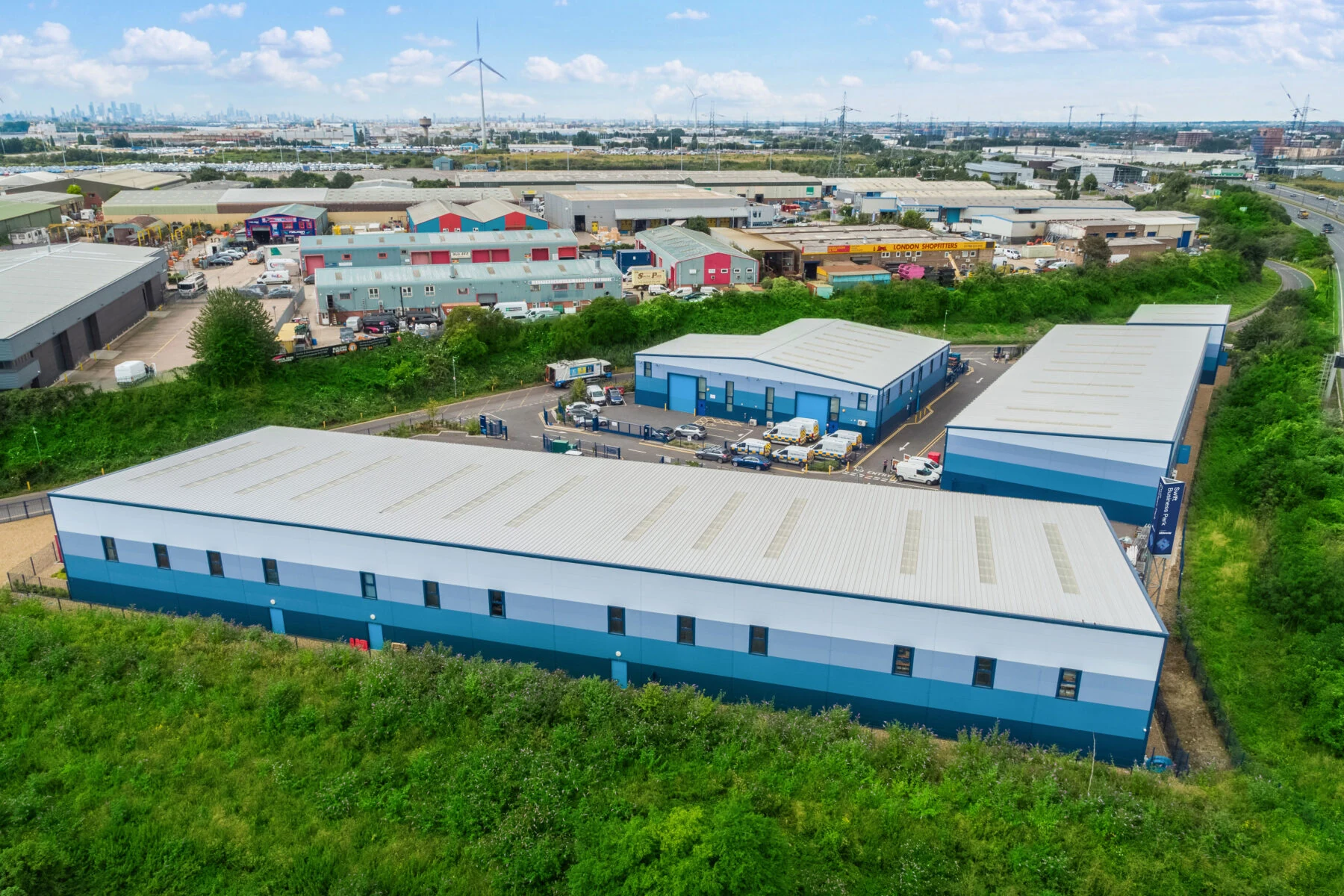
Industrial Flex Space Roofing in Salem, OR
Commercial Project TypesServing Salem and the central Willamette Valley
Request a Roof Assessment
Commercial roofing in Salem, Oregon
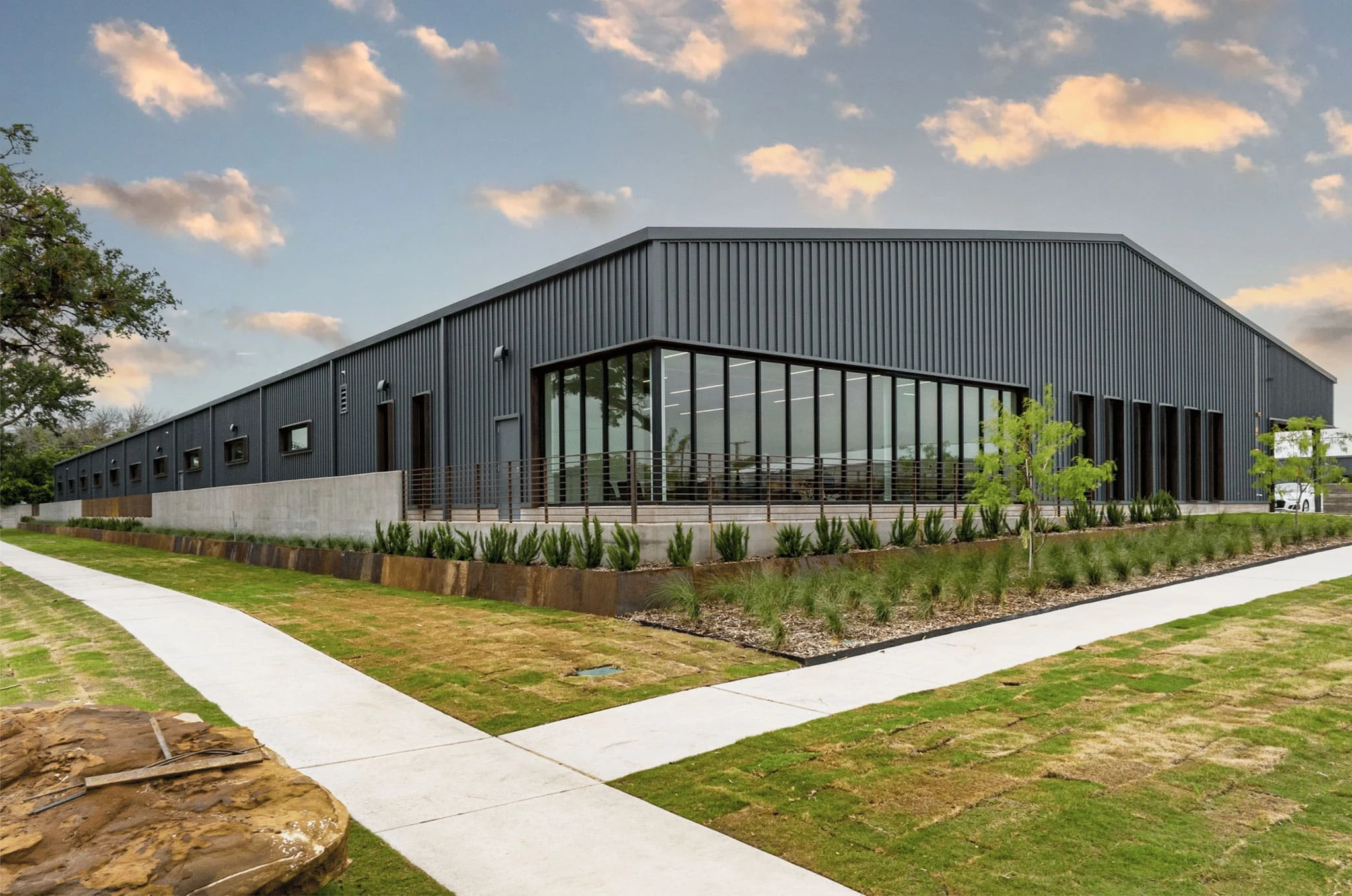
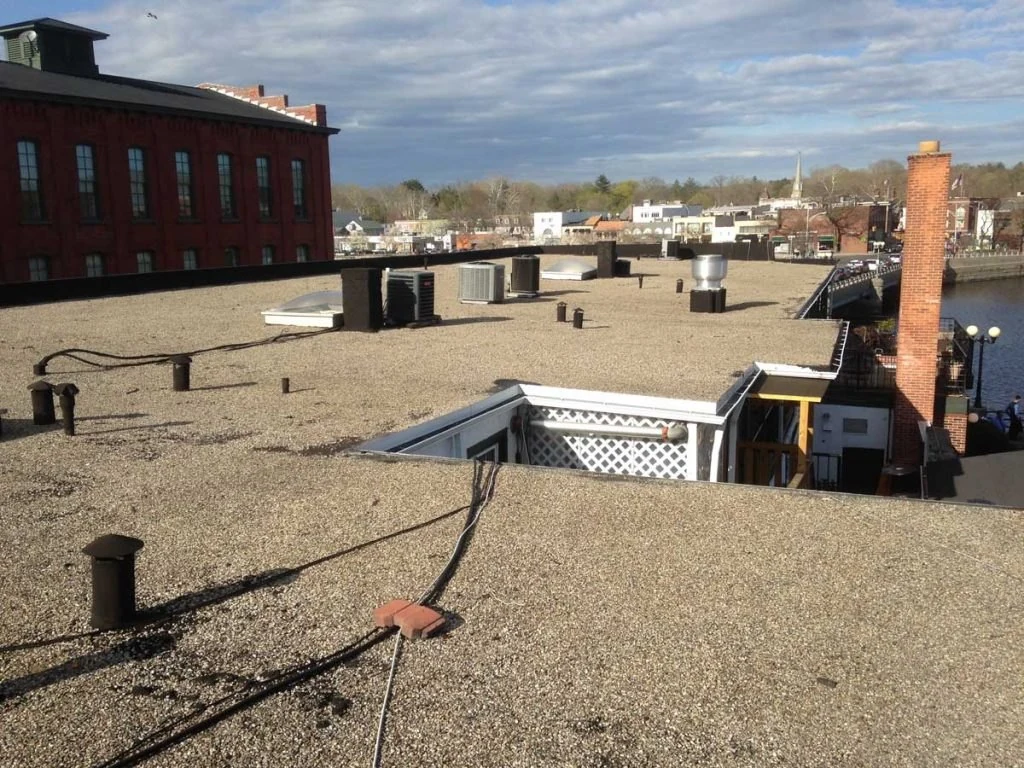
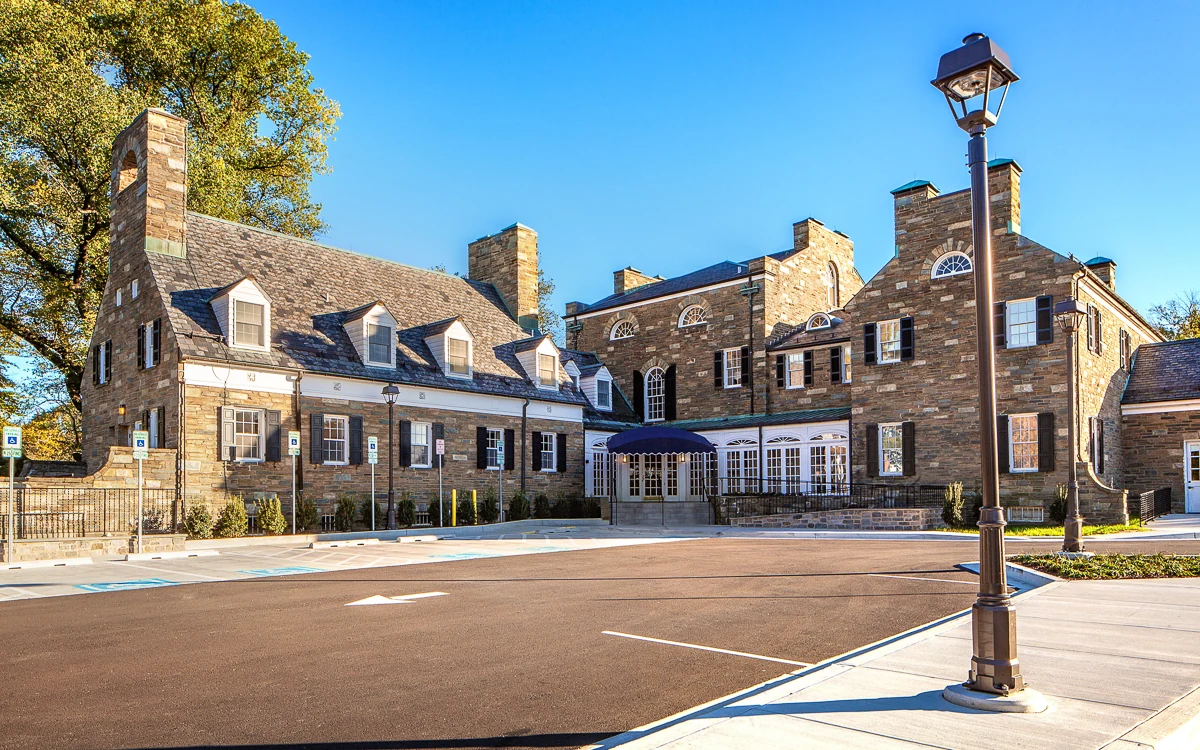
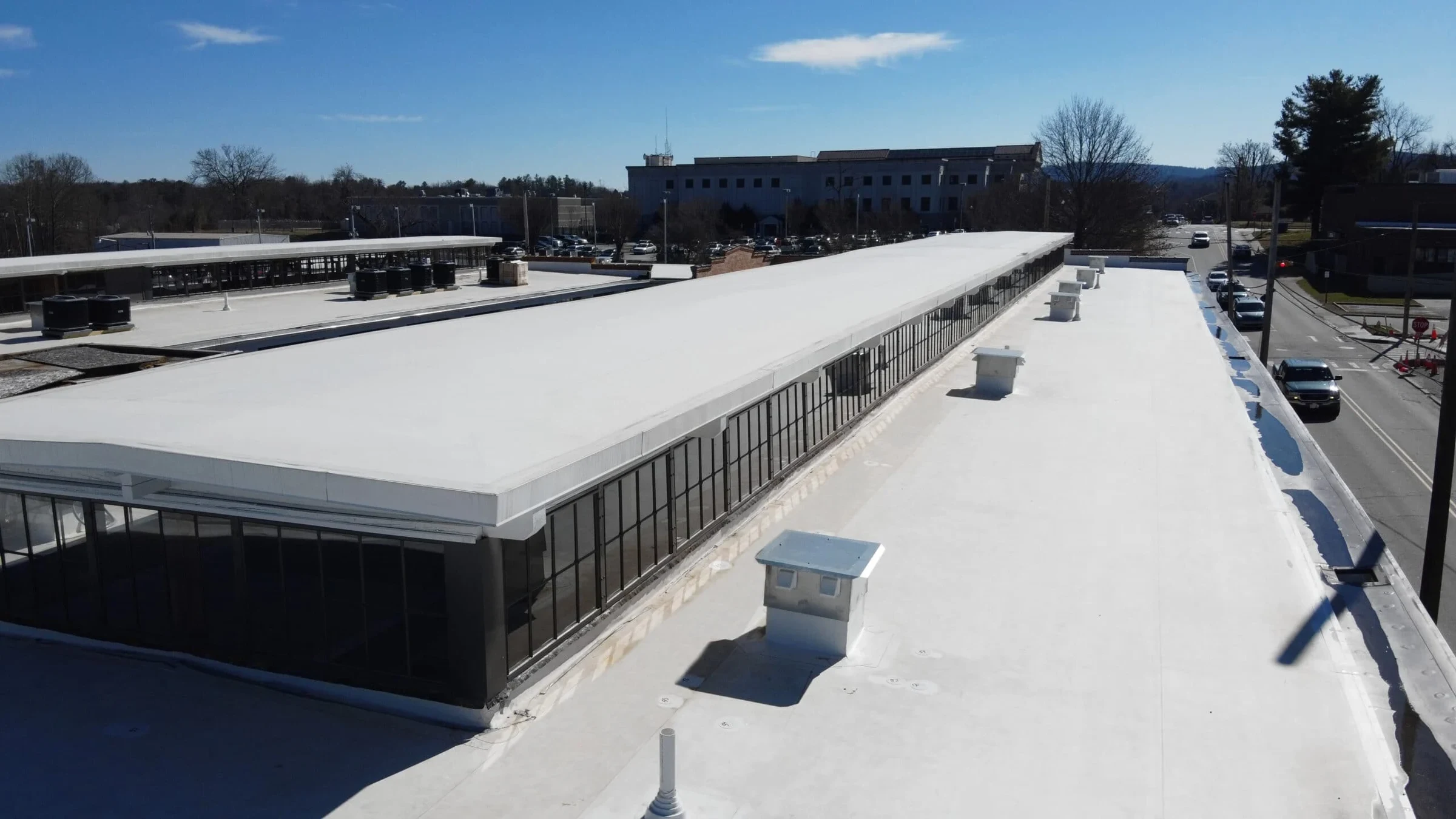
Industrial flex space roofing in Salem, OR for multi-use buildings in the Mill Creek and Hawthorne corridor, covering mixed tenant loads and penetration tracking.
Commercial Roofing Assessment Framework
Document
Membrane and seams
Trace
Drainage and water paths
Review
Flashings and penetrations
Compare
Repair, recover, coating, replacement
Plan
Access, staging, weather protection
Protect
Occupants, equipment, and operations
Close Out
Photos, details, records, priorities
Industrial Flex Space Roofing in Salem, OR: Roofing Detail
Flex Buildings Change Tenants Faster Than Their Roofs Can Keep Up
Industrial flex space along the Mill Creek and Hawthorne Avenue corridor gets built for one kind of tenant and re-leased to another every few years, and each turnover tends to leave the roof with a new penetration, a new piece of rooftop equipment, or a repair nobody documented properly.
What Makes Flex Space Different From a Standard Warehouse
A flex building might house light manufacturing in one bay, office space converted from warehouse in the next, and a distribution operation in a third, all under one roof structure with a shared ownership but wildly different tenant equipment needs. That mix means rooftop load varies dramatically from one section of the same building to another.
We assess flex buildings section by section rather than treating the roof as one uniform system, since the bay with a light-manufacturing tenant's exhaust system needs different attention than the bay next door running as simple storage.
Ownership structure adds another wrinkle. Some flex properties are held by an owner who never occupies the building directly and relies entirely on tenant reporting to learn about roof problems, which means a leak in a rarely-visited bay can go unreported for months if the tenant doesn't think to call. We recommend owners schedule an independent annual walkthrough rather than depending solely on tenant complaints to surface problems.
Tenant Turnover Leaves a Trail of Undocumented Penetrations
Every tenant change at a flex property carries some risk of a new rooftop penetration going in for a tenant's specific equipment, and not every one of those additions gets permitted, flashed to a proper standard, or recorded in the building's maintenance file. A property that's turned over tenants several times can accumulate penetrations the current owner has no record of.
We physically survey every rooftop penetration during a flex-space assessment and compare what we find against whatever building records exist, flagging anything unrecorded or improperly detailed so the owner has an accurate current picture instead of an outdated as-built.
What a section-by-section flex space roof assessment covers:
- Rooftop equipment load and penetration count compared bay by bay
- Undocumented or improperly flashed penetrations left by past tenant turnover
- Structural condition specific to any bay converted from warehouse to office use
- Tenant improvement plans reviewed for rooftop impact before approval
- Vacancy-window inspection scheduling between outgoing and incoming tenants
Light Manufacturing Tenants Bring Their Own Risks
A light-manufacturing or fabrication tenant may run process exhaust, compressed air lines, or specialized ventilation that a standard warehouse lease never anticipated, and those systems often get installed by a tenant's own contractor without much coordination with the building owner's roofing maintenance plan.
We recommend property owners require roof-penetration review before approving any tenant improvement plan involving new rooftop equipment, since catching a bad flashing detail before installation is far cheaper than fixing a leak after the tenant's equipment is already running.
Between-Tenant Vacancy Is the Best Time to Inspect
The gap between one tenant vacating and the next moving in is often the only window when a bay's roof section can be fully accessed and inspected without working around active operations. Property managers who use that vacancy window for a targeted roof check tend to catch problems before a new tenant's equipment goes in on top of them.
Energy Costs and Cool Roof Options for Flex Tenants
Flex tenants running light manufacturing or equipment-heavy operations often care about rooftop energy performance more than a simple storage tenant would, since cooling costs for an equipment-dense bay can be a meaningful part of their operating budget.
We discuss reflective or cool-roof coating options with flex property owners specifically for bays with equipment-heavy tenants, since the energy savings case is stronger there than it would be for a bay used purely for pallet storage with minimal cooling load.
Property owners weighing a coating investment against a full membrane replacement benefit from knowing which bays actually justify the added upfront cost, rather than applying the same treatment uniformly across a building with very different tenant needs from one bay to the next.
What Flex Property Owners Ask
Why would one bay of a building need different roof attention than another?
Because flex buildings often house very different tenant types under one roof, from light manufacturing to converted office space to simple storage, and each brings a different equipment load and penetration pattern to its section of the roof.
How do you find rooftop penetrations that were never properly documented?
We physically survey the entire roof during an assessment and compare what's actually up there against whatever building records exist, flagging anything that doesn't match or looks improperly installed.
Should tenant improvement plans be reviewed before rooftop equipment goes in?
Yes, we recommend property owners build a roof-penetration review step into their tenant improvement approval process, since a flashing problem is far cheaper to catch on paper than to repair after installation.
When is the best time to do a thorough roof inspection on a flex property?
The vacancy window between an outgoing and incoming tenant, when a bay's roof section can be fully accessed without working around active operations, tends to be the most efficient time for a detailed check.
Can a light-manufacturing tenant's exhaust system cause roof problems?
It can, particularly if the system was installed by the tenant's own contractor without coordination with the roof's overall maintenance plan. We treat tenant-installed process exhaust as a specific inspection point on flex properties.
Assessment Priorities
Membrane condition, seams, flashings, penetrations, drains, scuppers, edge metal, rooftop equipment, traffic patterns, and visible moisture evidence are reviewed together before a repair, coating, recover, or replacement path is recommended.
Planning Around the Facility
Access, staging, noise, odor, delivery windows, weather protection, occupied spaces, interior protection, and daily dry-in procedures are planned for the way the commercial property must continue operating.
From Findings to a Clear Scope
Observed conditions are documented so building owners and facility teams can compare immediate repairs, maintenance priorities, system options, budget timing, and closeout requirements without losing sight of the building below the deck.
Ready to review the roof scope?
Commercial Project Types
1 of 2
Commercial Roofing Across the Salem Area