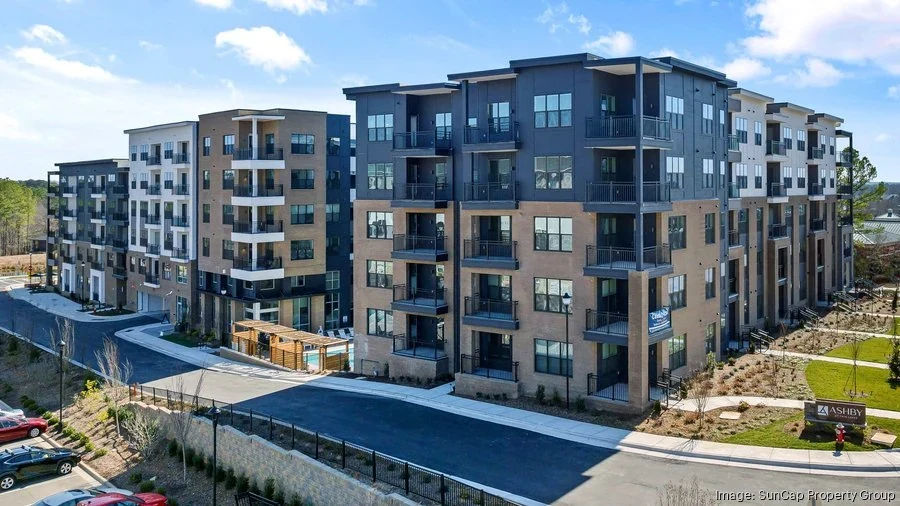
Medical Office Building Roofing in Salem, OR
Commercial Project TypesServing Salem and the central Willamette Valley
Request a Roof Assessment
Commercial roofing in Salem, Oregon
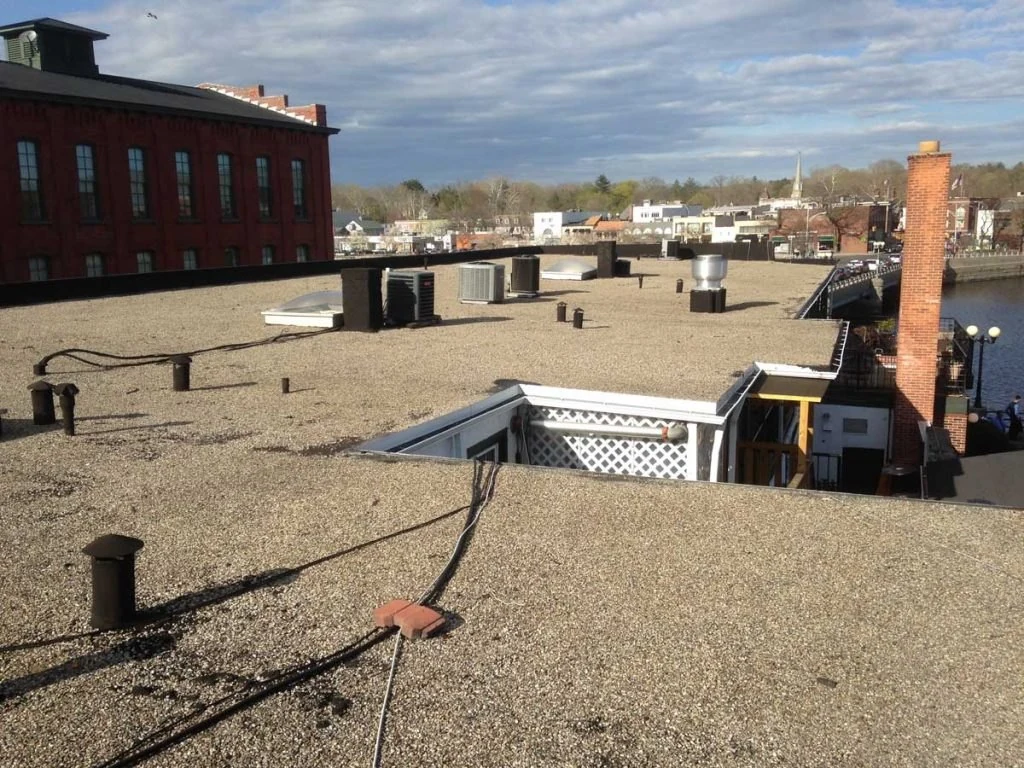
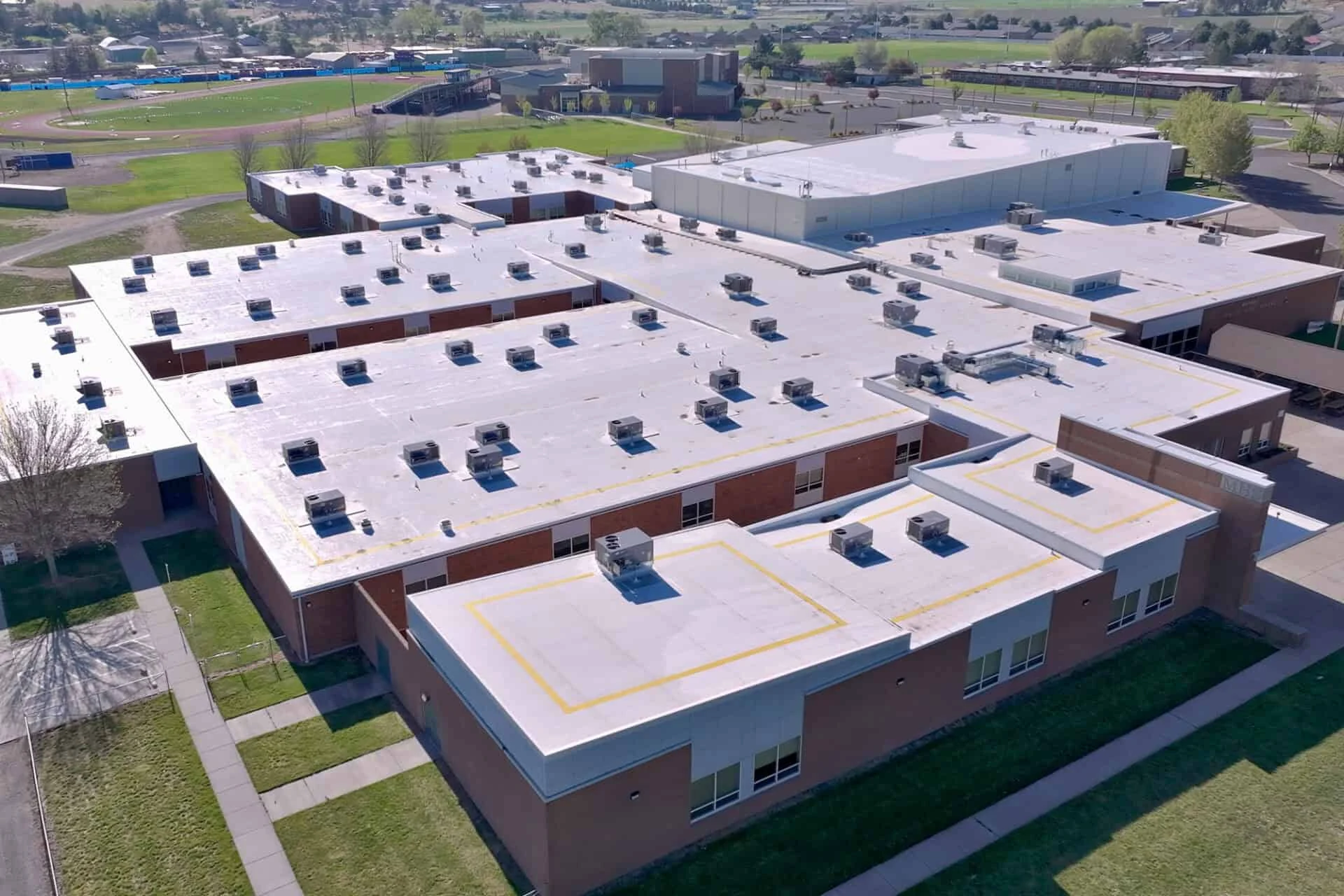
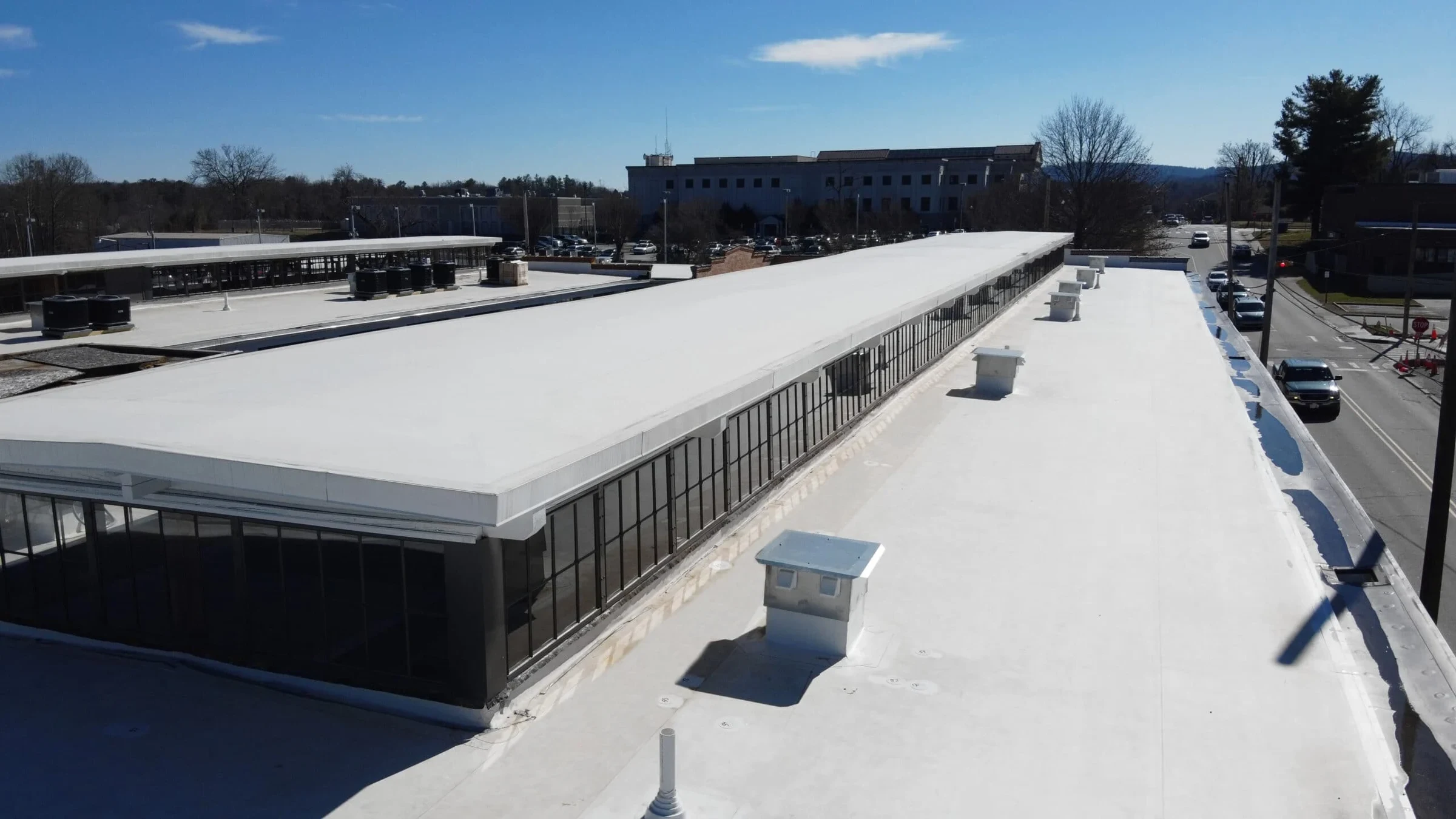
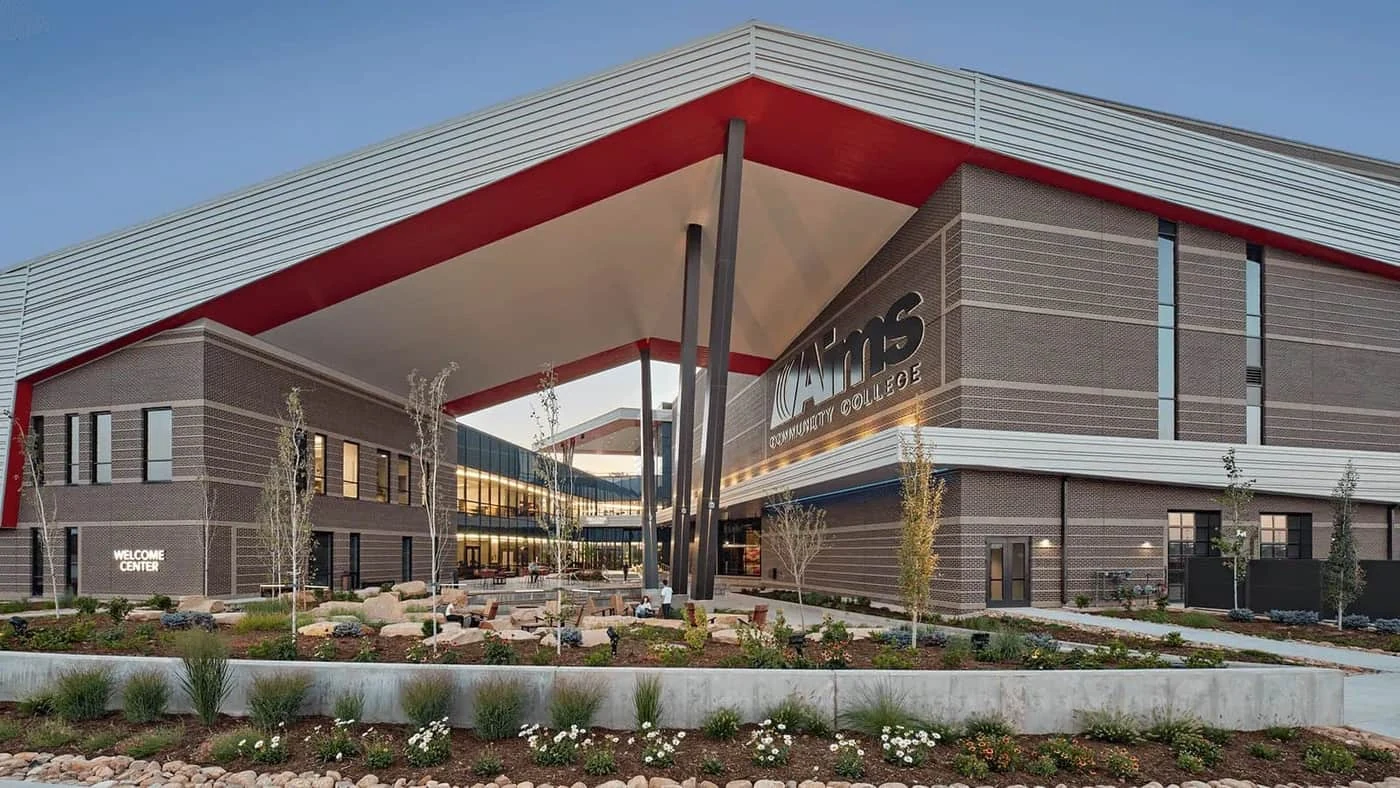
Medical office building roofing in Salem, OR near the Kuebler Blvd and Salem Health corridor, covering rooftop HVAC precision and tenant-improvement penetrations.
Commercial Roofing Assessment Framework
Document
Membrane and seams
Trace
Drainage and water paths
Review
Flashings and penetrations
Compare
Repair, recover, coating, replacement
Plan
Access, staging, weather protection
Protect
Occupants, equipment, and operations
Close Out
Photos, details, records, priorities
Medical Office Building Roofing in Salem, OR: Roofing Detail
Roofing Clinic Buildings Without Disrupting the Patient Schedule
Medical office buildings clustered near the Kuebler Boulevard corridor and around the main Salem Health campus run on tight appointment schedules where a canceled morning of exams costs a practice real revenue, beyond simple inconvenience. Roof work here has to fit around a full waiting room, not the other way around.
Rooftop HVAC Runs Tighter Tolerances Than a Typical Office
Clinics and outpatient buildings often specify tighter temperature and humidity control than a standard office tenant would, particularly where exam rooms, imaging equipment, or a small procedure suite are involved. Rooftop units serving those spaces get flagged during our scoping so curb work and flashing repairs don't risk taking a unit offline mid-shift.
We schedule any work near HVAC curbs serving exam or procedure areas for after-hours or weekend windows where the building's clinic schedule allows, confirming with the practice manager rather than assuming daytime access is fine.
Even a short unplanned outage on a unit serving an imaging suite can force a rescheduled appointment slate, since some equipment needs a stable environment to recalibrate after a temperature swing. We treat any HVAC-adjacent roof work near imaging or lab space with that risk in mind, rather than as a standard curb repair.
Multi-Tenant MOBs and Overlapping Practices
A medical office building often houses several independent practices under one roof, each with its own patient schedule and its own sensitivity to noise or vibration from above. A dermatology practice on one floor may tolerate daytime roof work that a practice running ultrasound imaging on the floor below cannot.
We coordinate scheduling through the building's property manager but confirm directly with tenants whose ceilings sit under the active work zone, since a generic building-wide notice doesn't always reach the staff who'll actually notice the noise.
Shared waiting rooms and shared parking add a layer that a single-tenant building doesn't have, since disruption to one practice's entrance or a shared elevator lobby affects patients heading to an entirely different suite. We map those shared spaces before staging equipment so access to every practice stays open throughout the project.
What we check first on a multi-tenant medical office building:
- HVAC curb condition and clearance for units serving exam or procedure rooms
- Rooftop penetrations added by individual tenant improvement projects over time
- Flashing integrity around any supplemental exhaust vents added after original construction
- Tenant-by-tenant sensitivity to noise or vibration during active work hours
- Drainage capacity relative to any rooftop additions made since the building opened
Tenant Improvement Penetrations Add Up Over Time
MOBs get re-tenanted more often than a lot of commercial building types, and each new practice that moves in tends to add its own rooftop penetration for supplemental HVAC, exhaust, or equipment venting. Over several tenant cycles, a roof can accumulate penetrations nobody has a clean as-built record of.
We document every rooftop penetration we find during an assessment, flagging any that look improperly flashed or unrecorded, so property managers get an accurate as-built picture instead of relying on whatever paperwork survived past tenant turnovers.
A Leak Near an Exam Room Is Rarely Cosmetic
Water intrusion near sensitive equipment, sterile supply storage, or an exam room ceiling can force a room out of service for cleaning and inspection even when the leak itself is minor. We prioritize MOB leak calls with that in mind, since the operational cost to the practice often outweighs the physical size of the problem.
Planning Roof Replacement Around Lease Renewals and Capital Reserves
Medical office building owners often time major roof investment around lease renewal cycles, since a building with several practices renewing leases in the same window is a natural point to fund a larger capital project rather than another round of patch repairs.
We provide condition assessments early enough that an owner can factor roof replacement into capital reserve planning and lease renewal negotiations, rather than facing a surprise expense right when several tenants are already deciding whether to stay.
Practices considering whether to renew a lease sometimes ask directly about the roof's condition and remaining service life, and owners who have that documentation ready close those conversations faster than owners who have to scramble for an inspection mid-negotiation.
What Practice Managers Want to Know
Can roof repairs happen while the clinic is seeing patients?
Often yes for work away from exam or procedure areas, but anything near HVAC curbs serving sensitive spaces typically gets scheduled after hours or on a weekend to avoid disrupting equipment tolerances or patient comfort.
Who do you coordinate with in a multi-tenant medical building?
Both the property manager for building-wide scheduling and the individual practices whose ceilings sit under the active work zone, since noise sensitivity varies a lot by practice type.
How do unrecorded tenant improvement penetrations get found?
During a rooftop assessment we physically walk and document every penetration, comparing what we find against available as-built records and flagging anything that doesn't match or looks improperly flashed.
Does a small roof leak really justify closing an exam room?
Sometimes, yes, particularly if it's near sterile supply storage or equipment sensitive to moisture. We treat MOB leak calls as priority dispatch because the operational cost to a practice is often larger than the physical leak itself.
What's the best time of year to schedule MOB roof replacement?
Outside the valley's heaviest rain months where possible, since that reduces weather delay risk during tear-off, though after-hours and weekend staging can make timing more flexible than it would be for a fully occupied office tower.
Assessment Priorities
Membrane condition, seams, flashings, penetrations, drains, scuppers, edge metal, rooftop equipment, traffic patterns, and visible moisture evidence are reviewed together before a repair, coating, recover, or replacement path is recommended.
Planning Around the Facility
Access, staging, noise, odor, delivery windows, weather protection, occupied spaces, interior protection, and daily dry-in procedures are planned for the way the commercial property must continue operating.
From Findings to a Clear Scope
Observed conditions are documented so building owners and facility teams can compare immediate repairs, maintenance priorities, system options, budget timing, and closeout requirements without losing sight of the building below the deck.
Ready to review the roof scope?
Commercial Project Types
1 of 2
Commercial Roofing Across the Salem Area