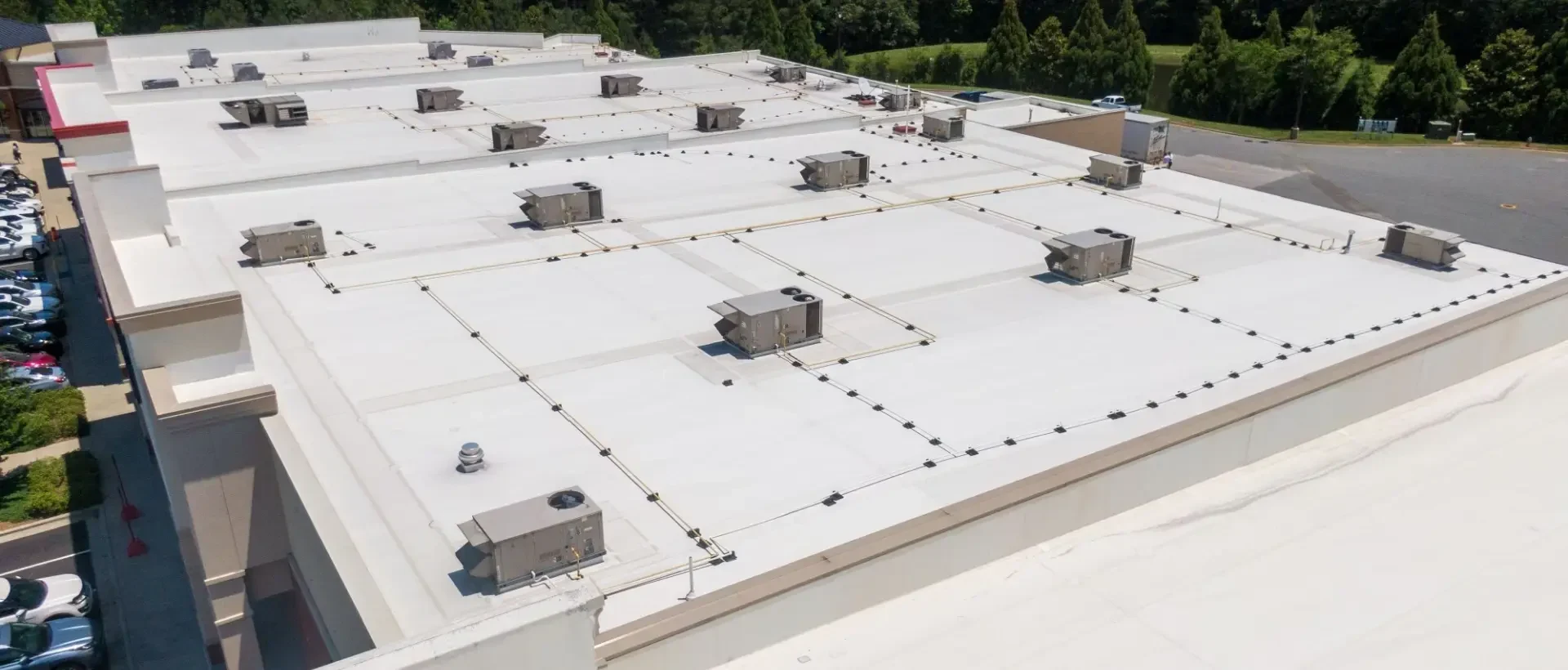
Spray Polyurethane Foam Roofing in Salem, OR
Roof SystemsServing Salem and the central Willamette Valley
Request a Roof Assessment
Commercial roofing in Salem, Oregon
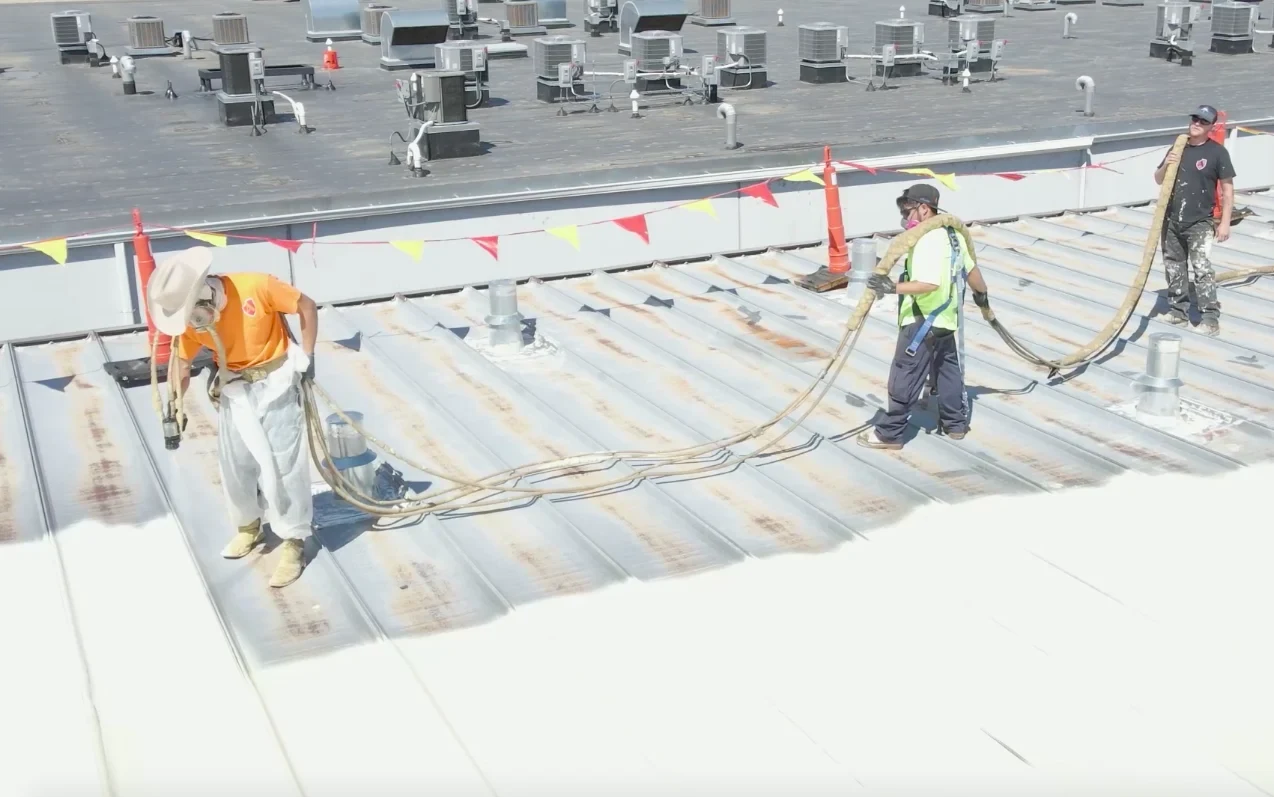
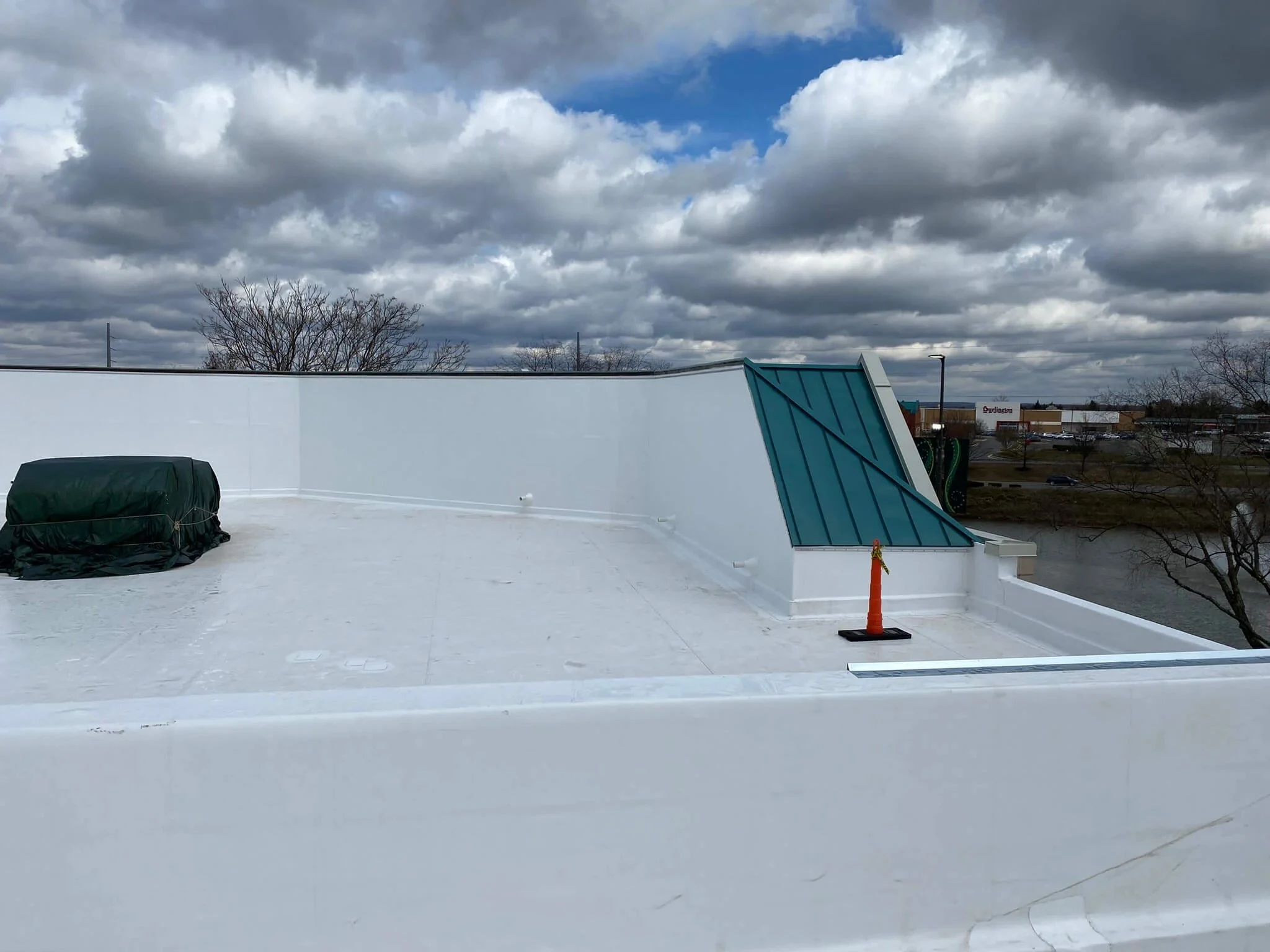
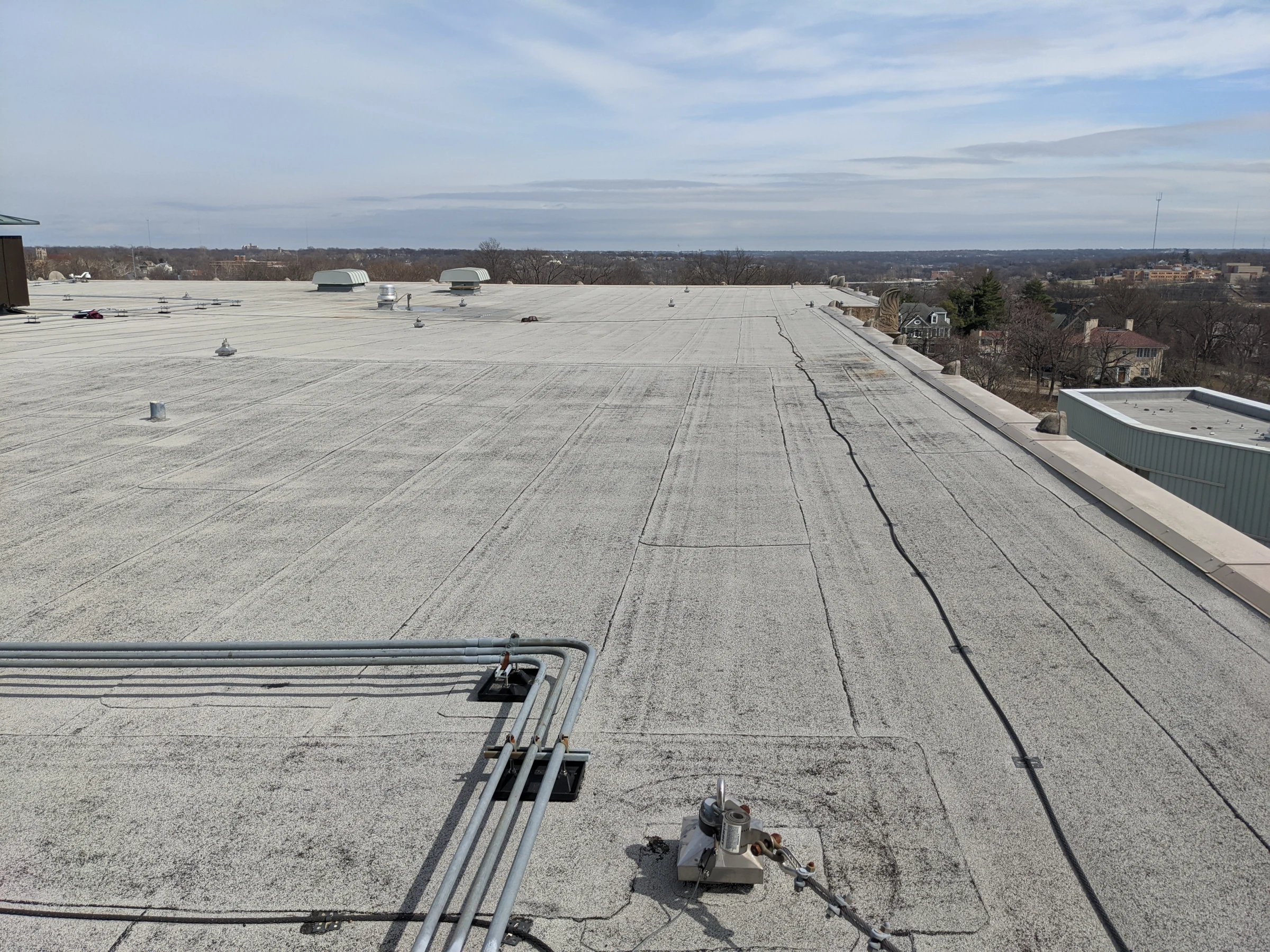
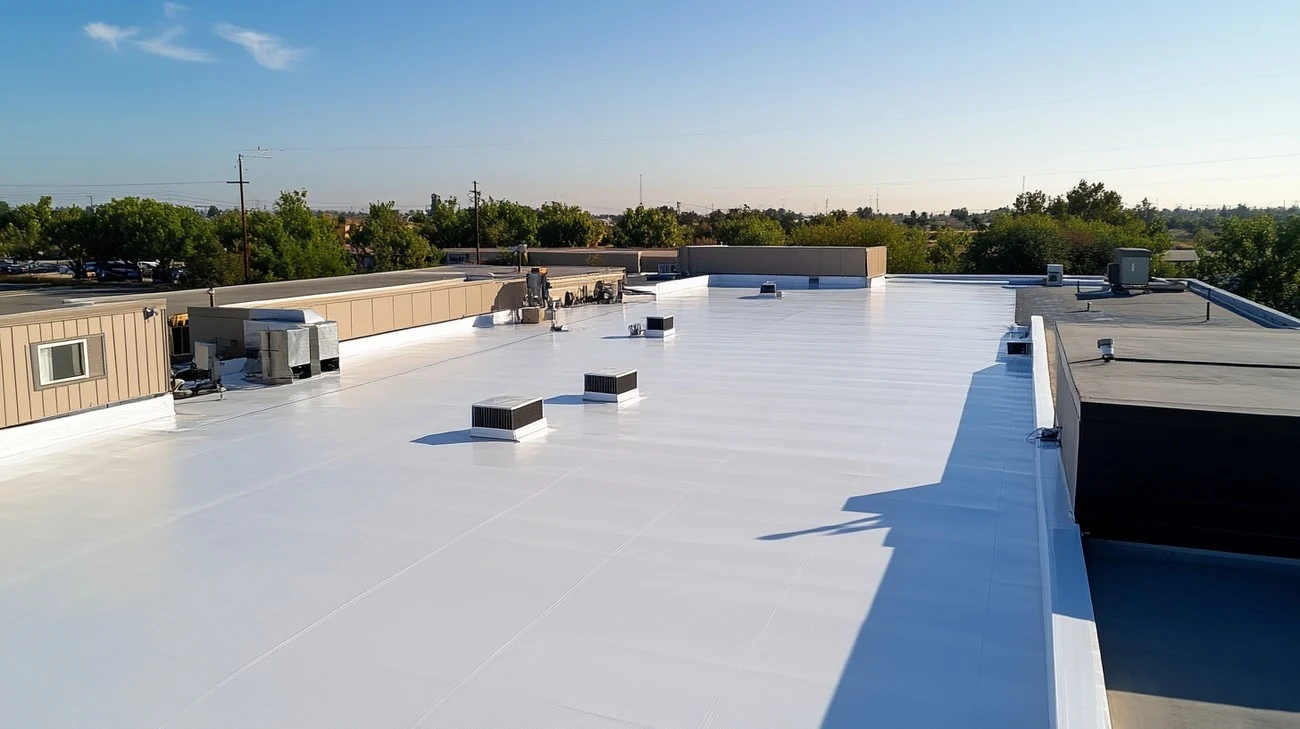
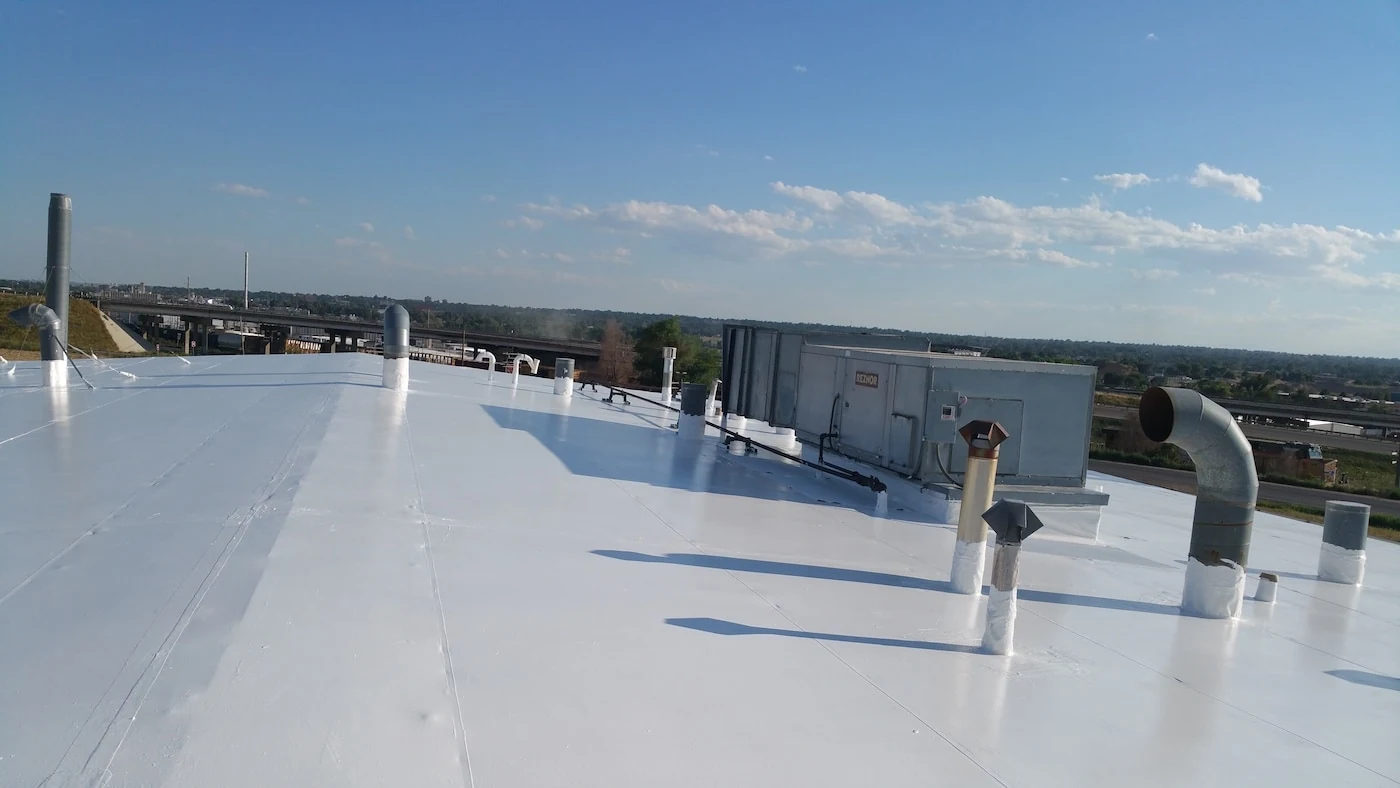
Spray polyurethane foam roofing for Salem, Oregon flat commercial roofs, covering slope correction, moisture-scan monitoring, and recoat maintenance cycles.
Commercial Roofing Assessment Framework
Document
Membrane and seams
Trace
Drainage and water paths
Review
Flashings and penetrations
Compare
Repair, recover, coating, replacement
Plan
Access, staging, weather protection
Protect
Occupants, equipment, and operations
Close Out
Photos, details, records, priorities
Spray Polyurethane Foam Roofing in Salem, OR: Roofing Detail
Correcting Ponding at the Source With Spray Foam
Most roofing systems accept the slope they're given and try to manage water on top of it. Spray polyurethane foam is different, it's applied wet and expands, which means it can actually build slope into a flat, ponding-prone roof rather than just coating over the problem. For older Salem buildings with genuinely flat decks and chronic standing water, that's a meaningful advantage no membrane system offers on its own.
How Foam Corrects Drainage in the Field
Spray foam is applied in a liquid state that expands and cures into a rigid, lightweight insulating layer. Skilled application can crown up low spots and build positive slope toward existing drains, correcting decades of accumulated ponding without tearing off the existing roof or adding tapered insulation board. A protective elastomeric coating goes over the cured foam to provide UV protection and the actual weatherproofing surface.
The Coating Is Doing the Waterproofing Work
Foam itself isn't waterproof, it's the coating layer over it that keeps water out. That distinction matters enormously in a climate this wet, because if the coating is breached by a puncture, foot traffic wear, or aging past its service life, water can enter the foam substrate without necessarily showing an obvious leak inside the building right away. Foam can absorb and hold moisture invisibly for a period before it becomes an active interior leak, which makes ongoing monitoring more important on SPF roofs than on most membrane systems.
Moisture Scanning Isn't Optional Here
We recommend infrared or capacitance moisture scanning on any SPF roof at recoat intervals, not only when a leak appears. Catching a breach early, before it's spread through a large section of foam, is the difference between a small localized repair and cutting out and replacing a significant area of substrate. On a roof that stays wet nine months of the year, skipping this step is the single biggest risk factor we see with foam systems that have failed.
- Schedule a moisture scan before every recoat cycle, not only when problems are suspected
- Repair any coating puncture or wear point promptly rather than waiting for the next scheduled maintenance visit
- Keep foot traffic on designated walkway pads rather than directly on unprotected coated foam
- Confirm the coating mil thickness meets manufacturer spec, especially at ponding-prone low areas
- Document drain and scupper locations clearly so slope corrections during application don't create new low spots elsewhere
Good Candidates in the Salem Market
Older ag-processing and government buildings with flat, low-slope decks and long histories of ponding complaints are frequently good SPF candidates, especially where tearing off the existing roof and rebuilding structural slope would be disruptive or costly. Buildings with complex rooftop mechanical layouts also benefit from foam's ability to self-flash around penetrations, reducing the number of separate flashing details a crew has to build individually.
Recoat Cycle and Long-Term Maintenance
SPF roofs aren't a one-time installation the way a membrane roof can be. The coating layer needs periodic recoating on a maintenance schedule, typically measured in years rather than decades between applications. Owners who commit to that maintenance schedule get a roof that keeps performing and correcting drainage indefinitely; owners who skip recoats let the coating age past its protective window and expose the foam underneath.
Ice and Freeze Considerations
Cured SPF with a sound coating handles the valley's occasional ice events reasonably well, since the rigid foam substrate doesn't flex and crack the way some other systems can under freeze-thaw stress. The coating's ability to shed ice buildup and resist impact from falling ice matters more here than the foam's cold-weather behavior itself.
Foam Thickness and Where It Pays Off Most
Foam application thickness can vary intentionally across a single roof, thicker at low spots that need slope correction, thinner across flat, already-draining field areas. That flexibility is part of what makes SPF cost-effective on a roof with uneven, long-neglected drainage: the material goes where it's needed most rather than adding uniform thickness across the whole field the way a membrane overlay would. On older ag-processing buildings around Salem where additions and rooftop retrofits over the decades left drainage patterns that don't match the original design intent, that targeted correction is often the difference between a roof that finally sheds water properly and one that just gets a fresh surface over the same standing-water pattern.
We map ponding areas carefully before quoting an SPF project, walking the roof after a rain event whenever possible rather than relying only on a dry-day inspection, since standing water after 24 or 48 hours tells us far more about where slope correction actually needs to go than a roof surveyed on a rare sunny afternoon.
Spray Foam Questions From Owners
Does spray foam actually stop ponding water?
It can correct minor to moderate slope problems by building up low spots during application, though severe structural ponding may still need additional drainage work.
How often does an SPF roof need recoating?
Recoat intervals depend on coating type and roof exposure, but plan on a recurring maintenance schedule rather than a single application lasting the roof's full life.
Is spray foam risky in a rainy climate?
It performs well when the coating is properly maintained and monitored. The risk comes from deferred maintenance, not the material itself.
Can you tell if water has gotten into the foam?
Not always by eye. Moisture scanning is the reliable way to detect trapped water in foam before it becomes an interior leak.
Is SPF a good option for a roof with lots of rooftop equipment?
Yes, its self-flashing quality around penetrations is one of its practical advantages on mechanically dense roofs.
Assessment Priorities
Membrane condition, seams, flashings, penetrations, drains, scuppers, edge metal, rooftop equipment, traffic patterns, and visible moisture evidence are reviewed together before a repair, coating, recover, or replacement path is recommended.
Planning Around the Facility
Access, staging, noise, odor, delivery windows, weather protection, occupied spaces, interior protection, and daily dry-in procedures are planned for the way the commercial property must continue operating.
From Findings to a Clear Scope
Observed conditions are documented so building owners and facility teams can compare immediate repairs, maintenance priorities, system options, budget timing, and closeout requirements without losing sight of the building below the deck.
Ready to review the roof scope?
Roof Systems
1 of 2
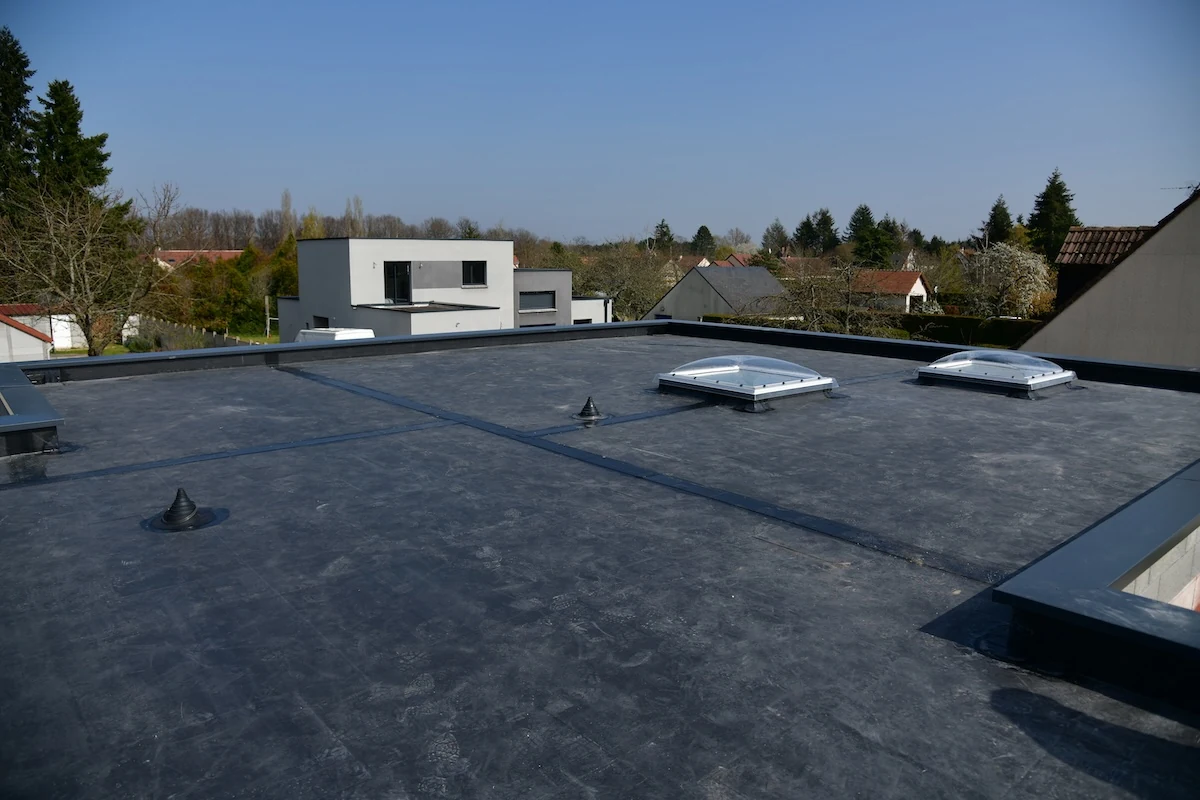
Commercial Roofing Across the Salem Area