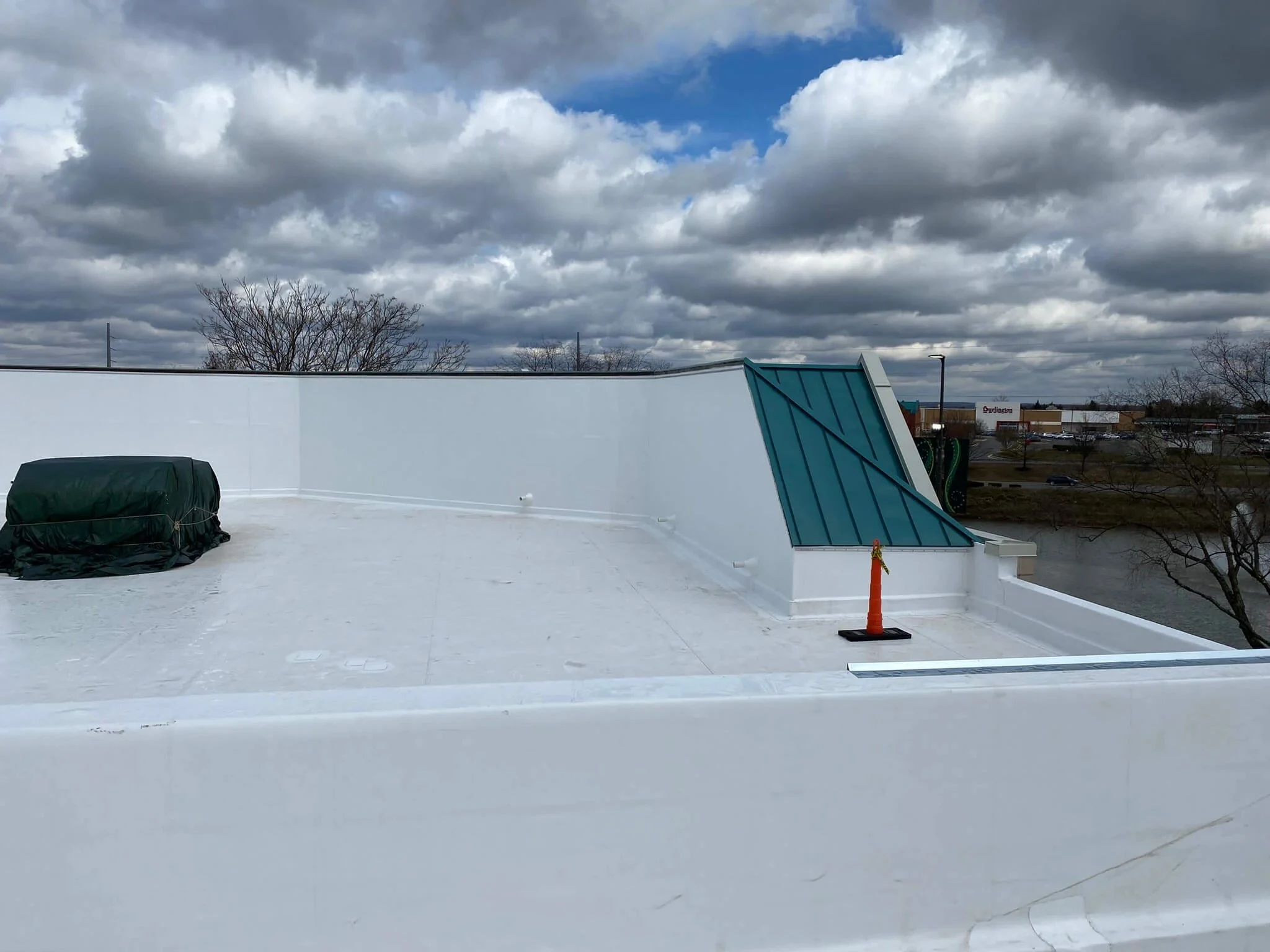
TPO 60-Mil Roofing in Salem, OR
Roof SystemsServing Salem and the central Willamette Valley
Request a Roof Assessment
Commercial roofing in Salem, Oregon
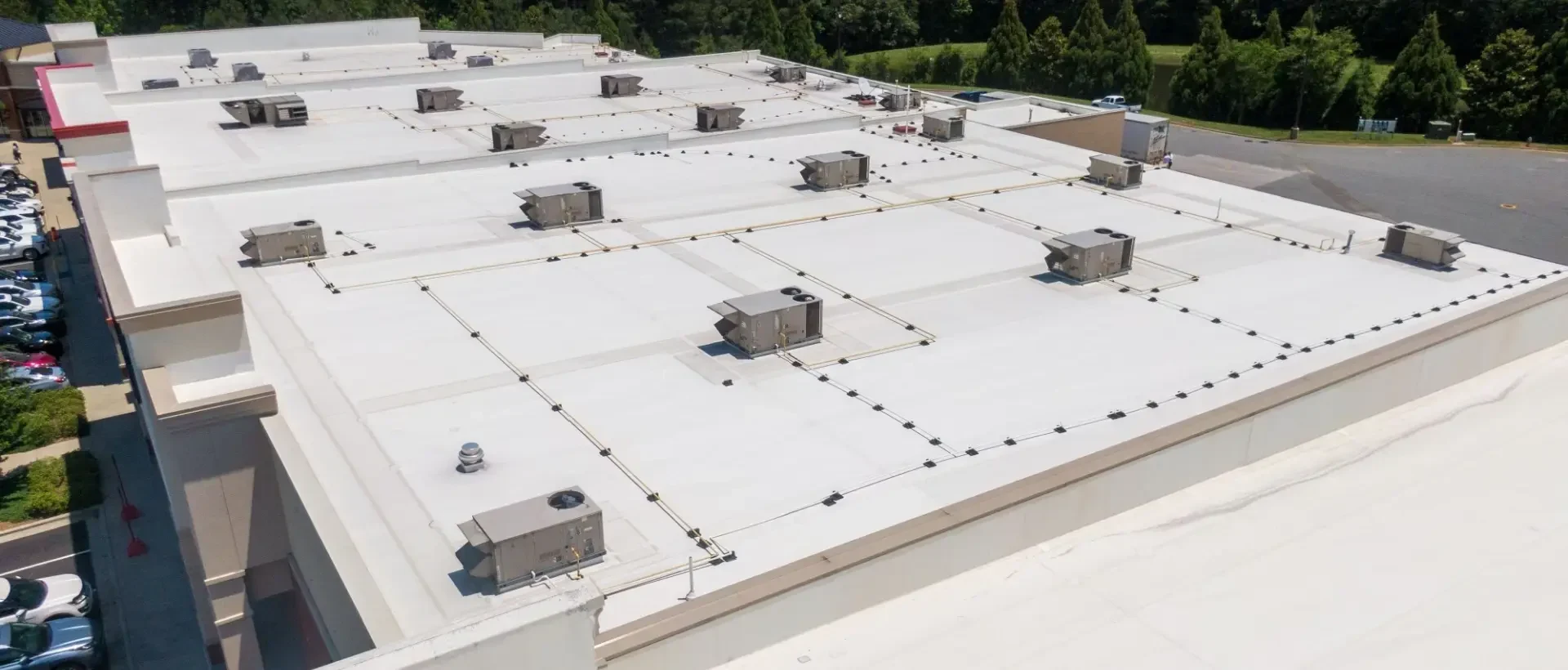
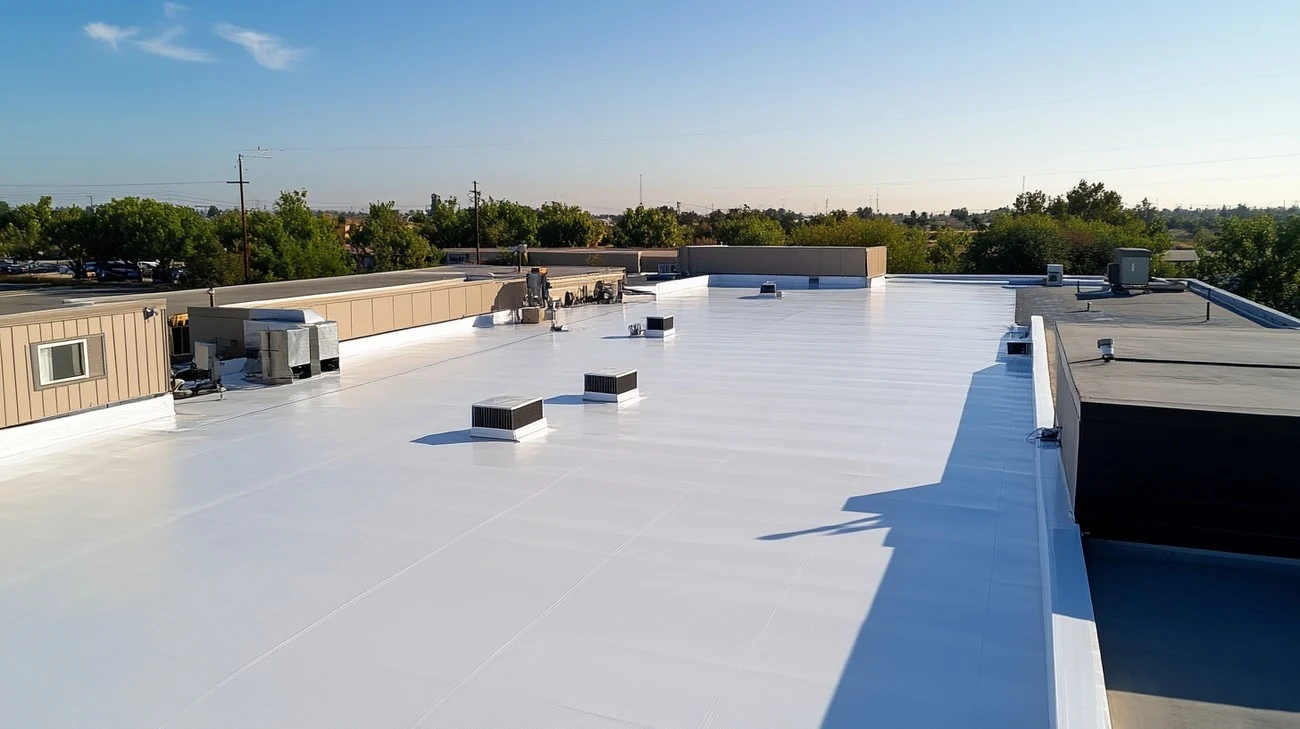
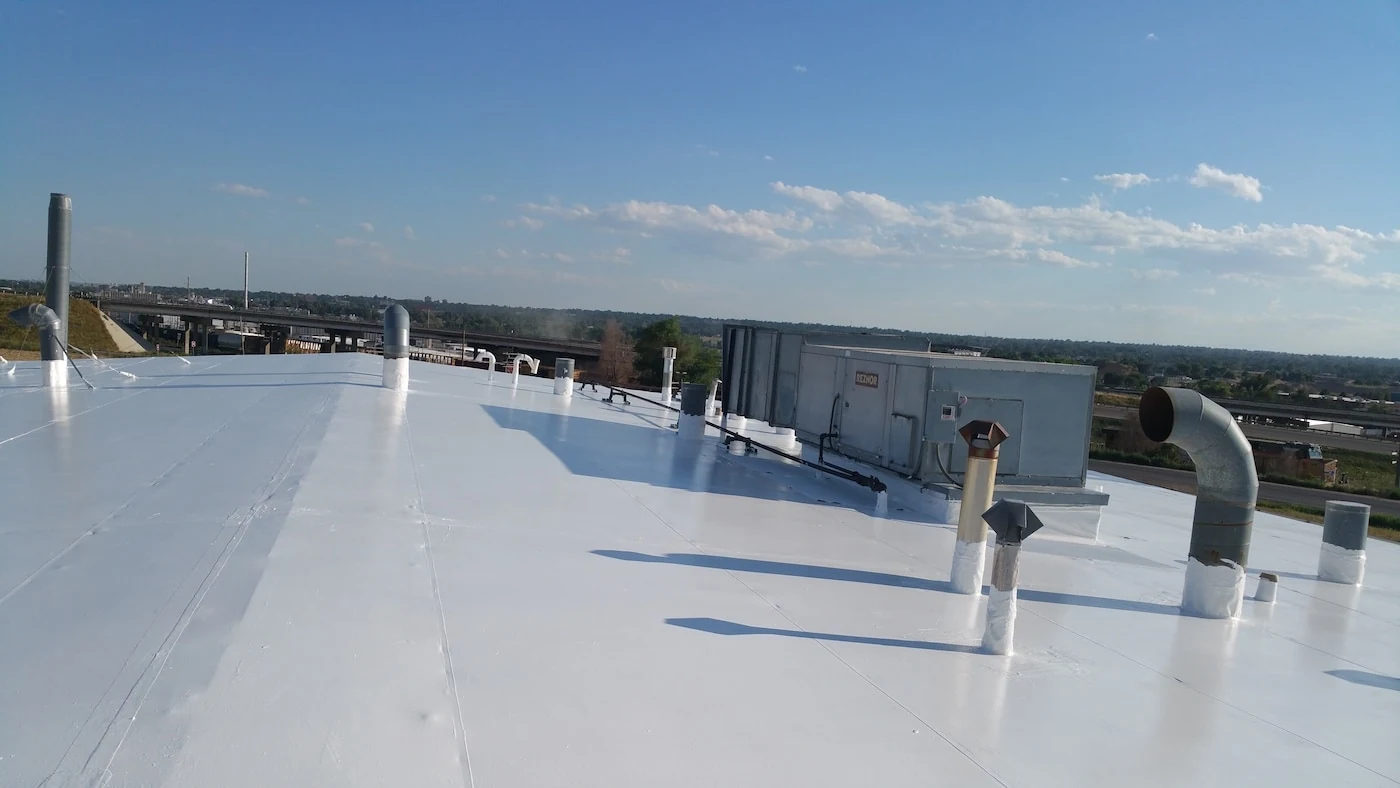
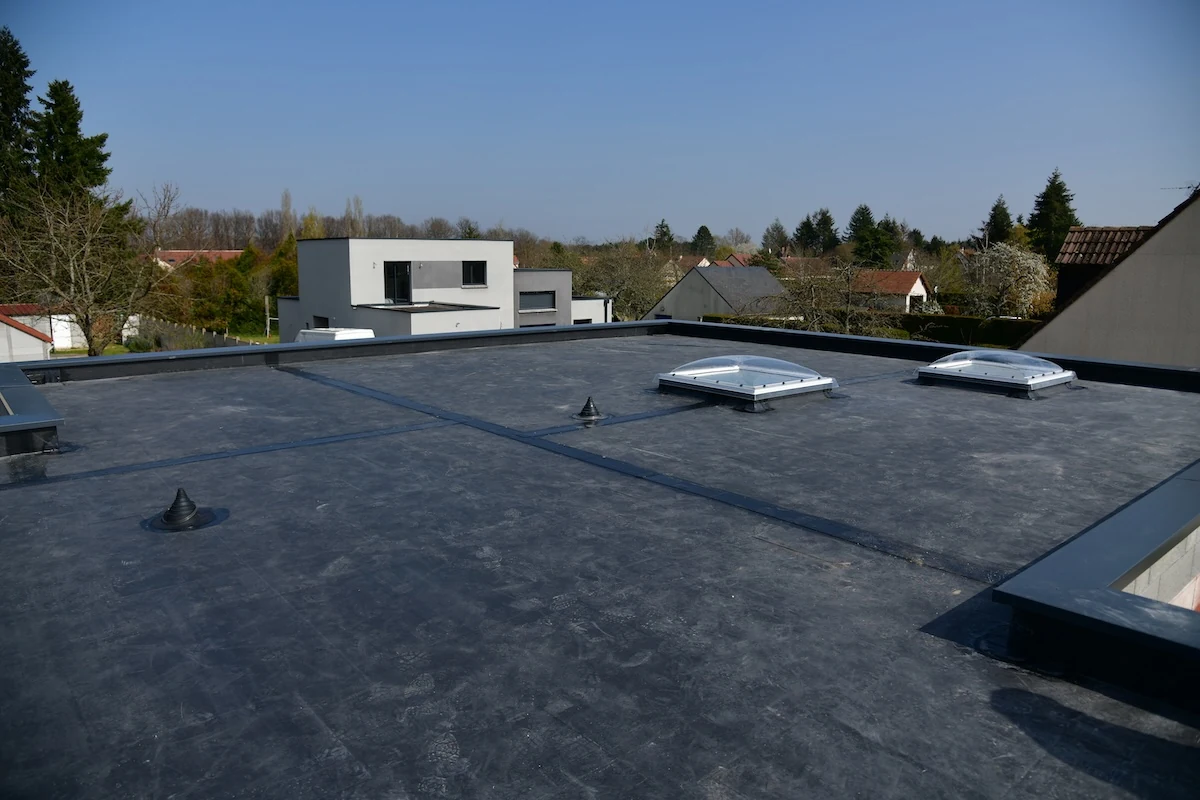
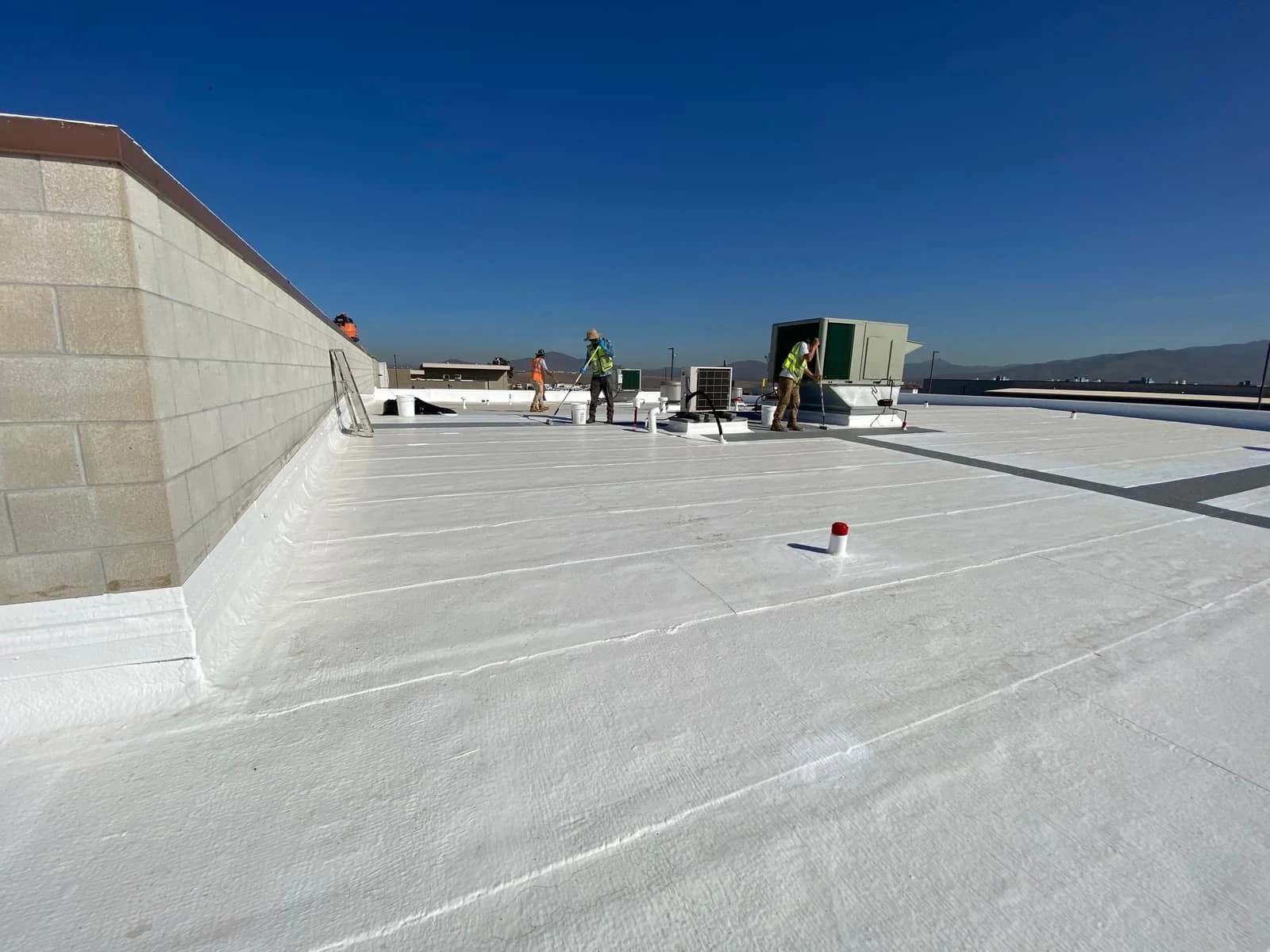
60-mil TPO membrane options for Salem, Oregon commercial roofs, covering seam welding standards, drainage design, and performance through the wet season.
Commercial Roofing Assessment Framework
Document
Membrane and seams
Trace
Drainage and water paths
Review
Flashings and penetrations
Compare
Repair, recover, coating, replacement
Plan
Access, staging, weather protection
Protect
Occupants, equipment, and operations
Close Out
Photos, details, records, priorities
TPO 60-Mil Roofing in Salem, OR: Roofing Detail
60-Mil TPO for Salem Low-Slope Roofs
Sixty-mil TPO is the entry point into single-ply roofing for most Salem building owners weighing cost against performance. It's a real system, not a cut corner, but on a roof that stays wet nine months of the year the thickness you choose changes how much margin you have for error. Before signing off on 60-mil, it helps to know exactly what you're buying and where the line sits.
What 60-Mil Actually Buys You
At 60 mils, the membrane sheet is thinner than the 80-mil alternative, which lowers material cost per square and often shaves a day or two off labor on a straightforward reroof. For a low-traffic warehouse roof, a single-story office building, or a retail box with minimal rooftop equipment, that thinner sheet still meets manufacturer wind uplift and fire ratings and carries a standard warranty term. The tradeoff isn't performance on day one, it's the reserve capacity the membrane has left after years of UV exposure, foot traffic, and the freeze-thaw cycling that shows up during the occasional Willamette Valley ice storm.
Salem's state office buildings, ag-processing warehouses, and strip retail along Lancaster Drive are the kind of low-complexity roofs where 60-mil makes financial sense. A building with a rooftop mechanical yard serving a food processor, or a hospital annex with technicians on the roof monthly, is a different calculation.
Seam Welding Quality Matters More Here Than Almost Anywhere
TPO seams are hot-air welded, and weld quality is the single biggest variable in how a 60-mil roof performs through a Willamette Valley winter. A properly welded seam is essentially one continuous sheet of material. An under-welded seam looks fine the day it's installed and starts weeping water the first week the roof sits under standing rain instead of drying between storms, which, from October through May, is most weeks.
We run probe tests on every seam before we consider a TPO installation finished, not spot checks. On a re-roof or a repair, we also pull and inspect a sample of the existing seams before quoting anything, because a roof that's failing at the seams needs a different scope than one that's failing at a single membrane puncture.
- Ask whether the installer probe-tests 100% of seams or only samples them
- Ask what welder settings change between a dry August install and a cold, damp November one
- Check whether flashing details at penetrations get the same weld standard as field seams
- Confirm the warranty specifically covers seam failure, not only membrane material defects
- Walk the roof after any storm cycle in the first year and look for standing water sitting directly on a seam line
Where 60-Mil Falls Short
Rooftop foot traffic from HVAC service, communications equipment, or seasonal maintenance wears a thinner membrane faster than an 80-mil sheet. Hail and wind-driven debris, branches off mature trees near many of Salem's older commercial parcels, also puncture 60-mil more readily. None of this means 60-mil is wrong for your building. It means the decision should be made against how the roof actually gets used, not only against the lowest bid.
Ponding and Drainage Are the Real Long-Term Risk
A membrane failure from ponding rarely announces itself with a leak on day one. Water sits on a low spot, UV and standing moisture degrade the membrane surface faster in that one location, and three or four years later that's where the leak shows up, usually during the wettest stretch of winter when it's hardest to diagnose and hardest to schedule a dry repair window. Before installing 60-mil TPO on any roof with known low spots, we walk the drainage first: scupper and drain locations, slope direction, and whether tapered insulation is worth adding under the new membrane rather than just recovering the existing slope problem.
Occasional Ice Loads Change the Install Calendar
Salem doesn't see ice storms every winter, but when one hits, a membrane that was installed cold and under-cured performs worse than one installed in a proper weather window. We plan TPO installations around forecast windows with enough dry hours for adhesives and welds to set, and we don't push a crew to finish a 60-mil roof ahead of an incoming freeze just to hit a deadline.
How This Fits Into a Broader Roof Budget Decision
Most owners aren't choosing 60-mil in isolation, they're weighing it against a full 80-mil spec, a coating restoration, or deferring the project another budget cycle. On a state office building or a modest retail strip along Commercial Street, 60-mil TPO with a properly funded drainage correction often beats a thicker membrane installed over the same uncorrected low spots. Spending the marginal dollar on tapered insulation and drain placement, rather than on membrane thickness alone, tends to buy more years of trouble-free service on roofs that were never the problem to begin with, the slope was.
We also factor in how the building is likely to be used over the next decade. A warehouse that might add rooftop solar, a new HVAC unit, or additional venting down the line benefits from planning membrane thickness and walkway routing around that future access now, rather than retrofitting protection after the first puncture. That kind of forward planning costs little at the proposal stage and saves real money once the roof is in service.
Owner Questions on 60-Mil TPO
Is 60-mil TPO too thin for a Salem climate?
Not inherently. Thickness matters less than seam quality and drainage design. A well-welded 60-mil roof with good slope outperforms a poorly welded 80-mil roof.
How long should a 60-mil TPO roof last here?
With sound installation and routine inspection, most 60-mil systems perform well through their warranty term, though heavier rooftop traffic or standing water shortens that window.
Can 60-mil TPO go over an existing roof?
Sometimes, if the existing deck and insulation pass inspection and code allows a recover. We evaluate that on-site rather than assuming either way.
Does rain during installation ruin the membrane?
Active rain during welding compromises the seam. We schedule around forecast windows rather than working through active precipitation.
What's the first sign a 60-mil roof is struggling?
Ponding that lingers more than 48 hours after a storm, or a seam edge that's started to lift, are both worth a call before they become an interior leak.
Assessment Priorities
Membrane condition, seams, flashings, penetrations, drains, scuppers, edge metal, rooftop equipment, traffic patterns, and visible moisture evidence are reviewed together before a repair, coating, recover, or replacement path is recommended.
Planning Around the Facility
Access, staging, noise, odor, delivery windows, weather protection, occupied spaces, interior protection, and daily dry-in procedures are planned for the way the commercial property must continue operating.
From Findings to a Clear Scope
Observed conditions are documented so building owners and facility teams can compare immediate repairs, maintenance priorities, system options, budget timing, and closeout requirements without losing sight of the building below the deck.
Ready to review the roof scope?
Roof Systems
1 of 2
Commercial Roofing Across the Salem Area