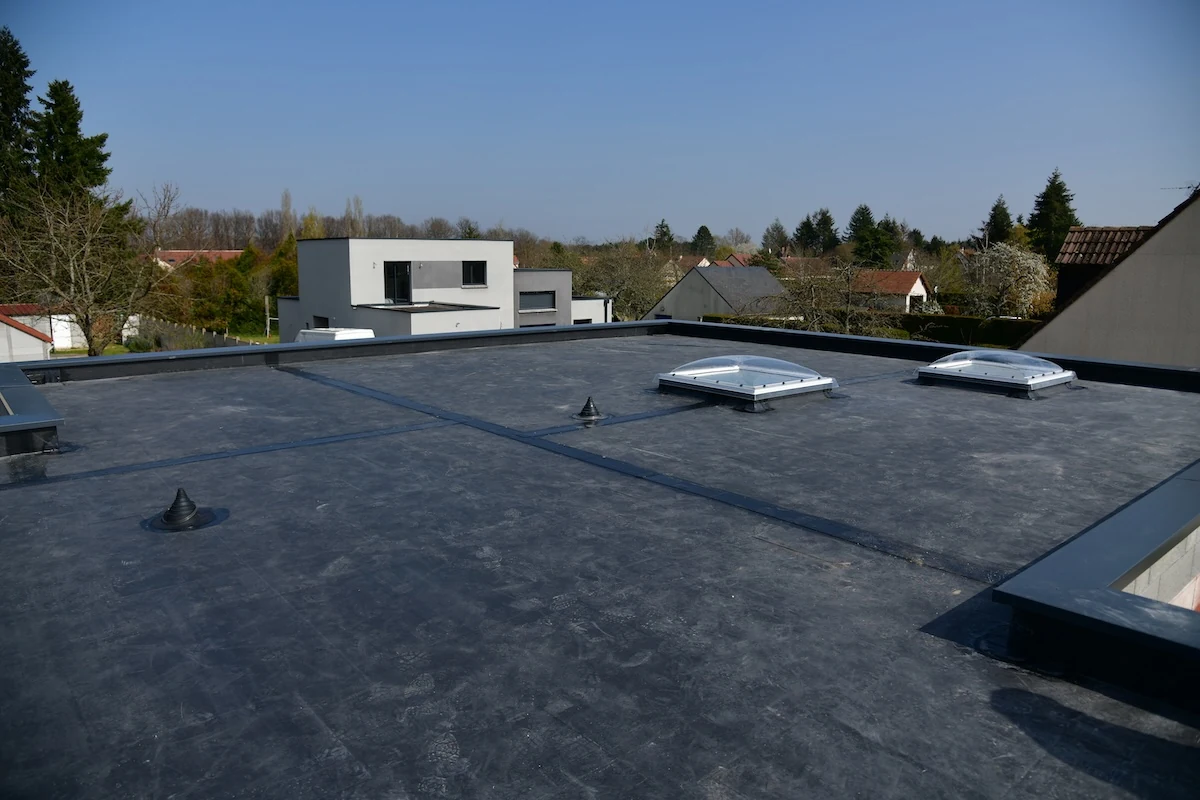
TPO 80-Mil Roofing in Salem, OR
Roof SystemsServing Salem and the central Willamette Valley
Request a Roof Assessment
Commercial roofing in Salem, Oregon
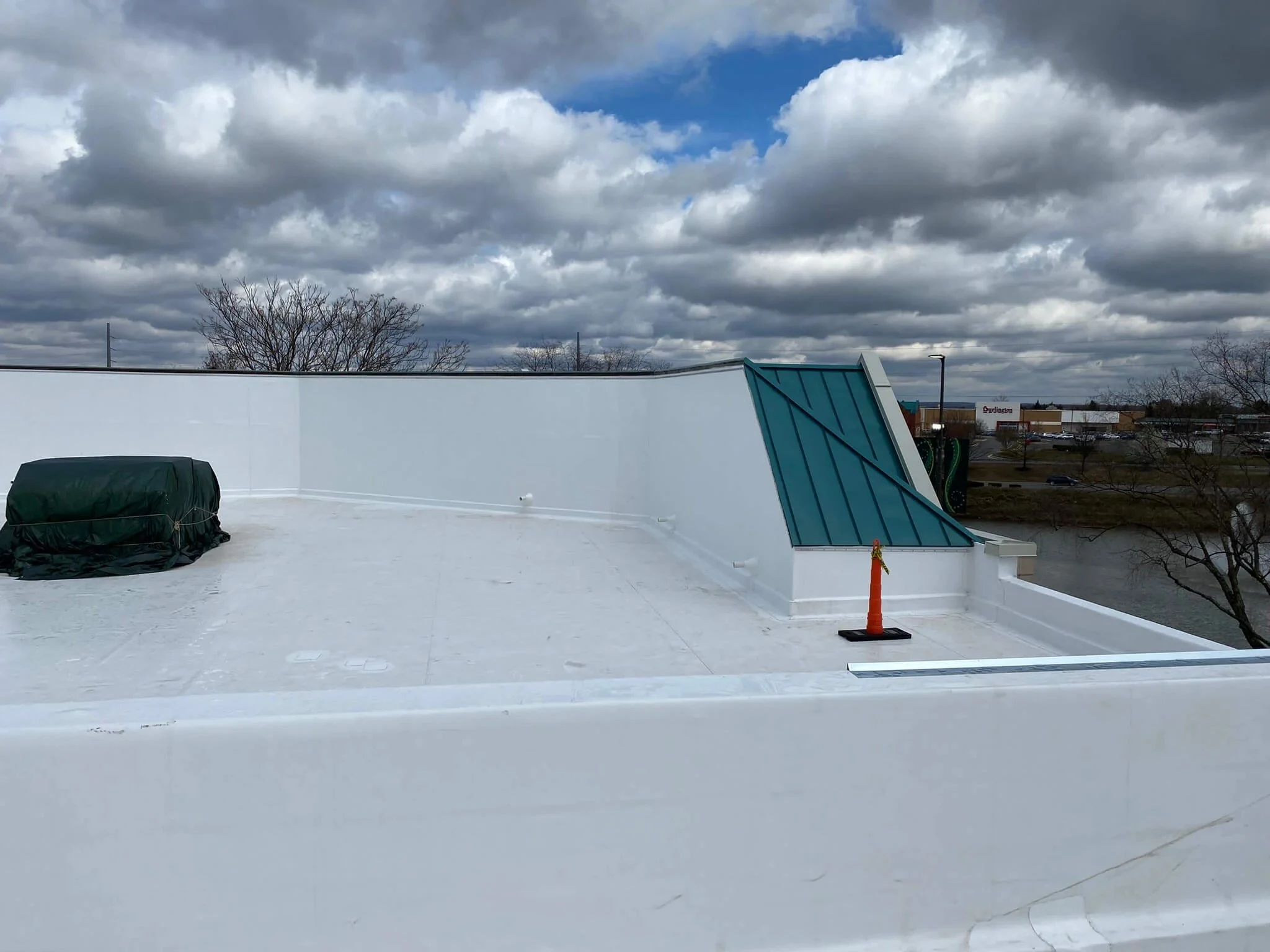
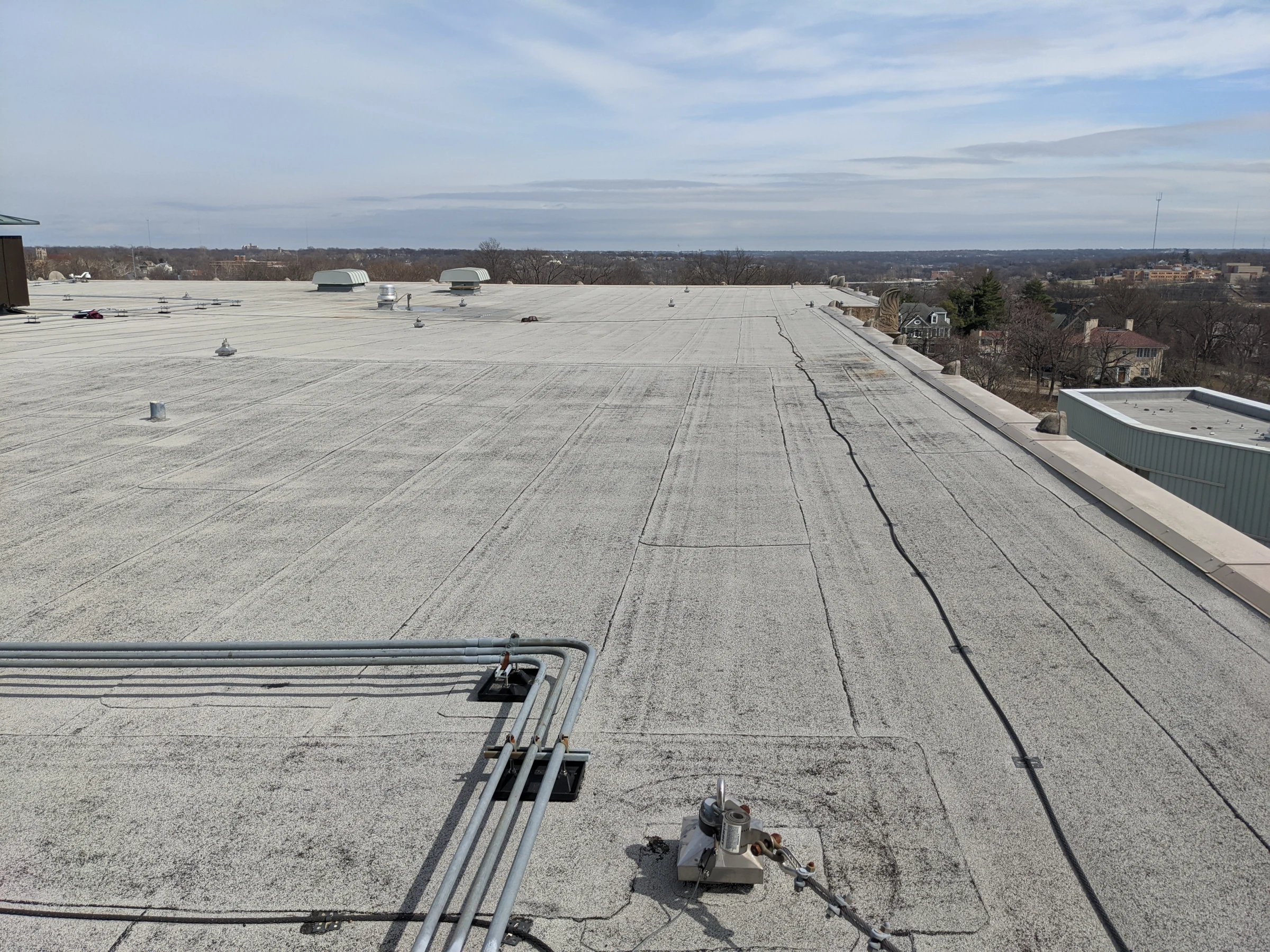
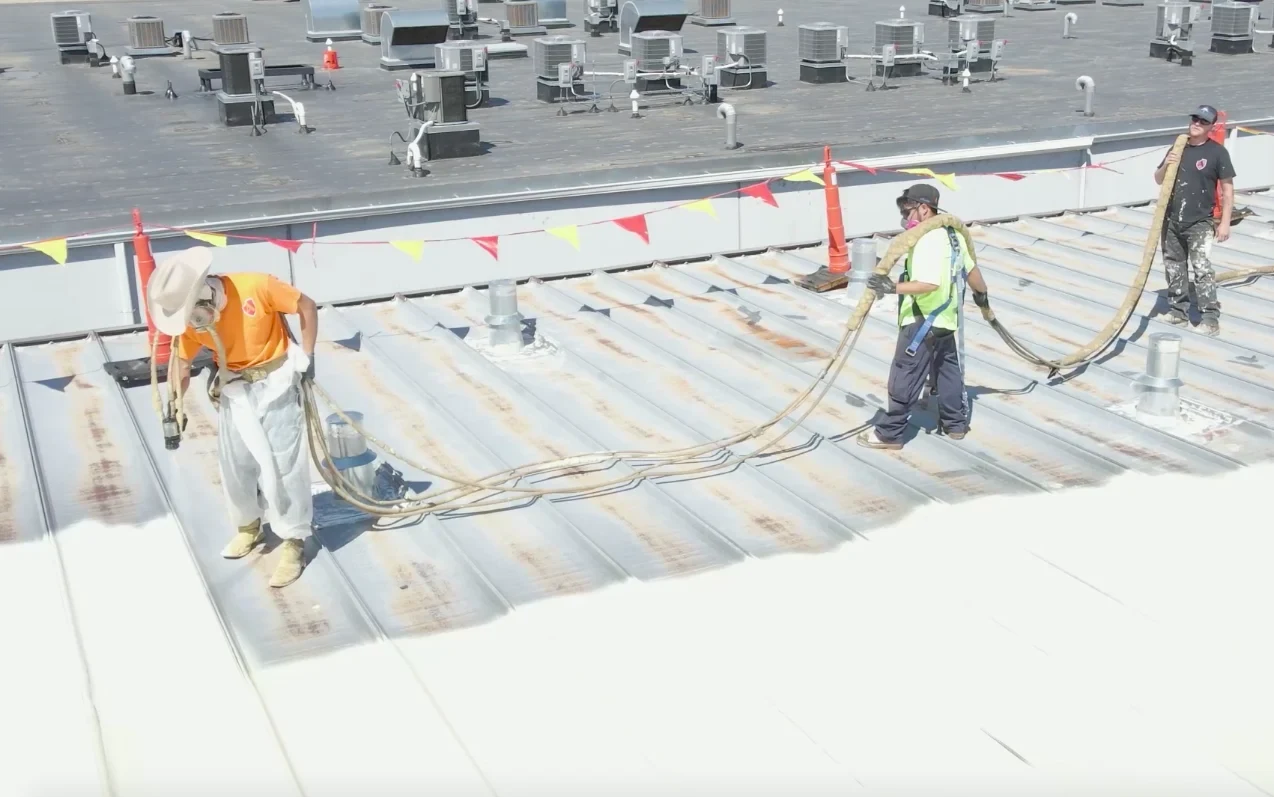
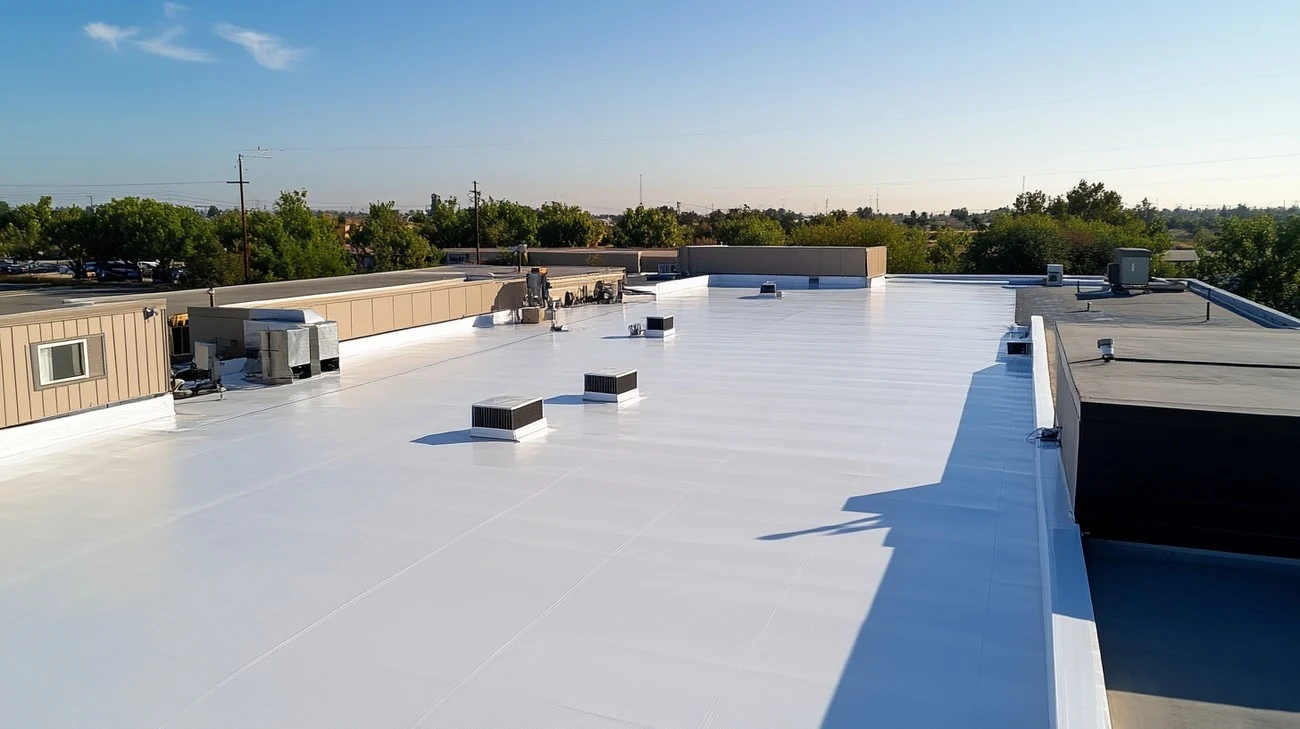
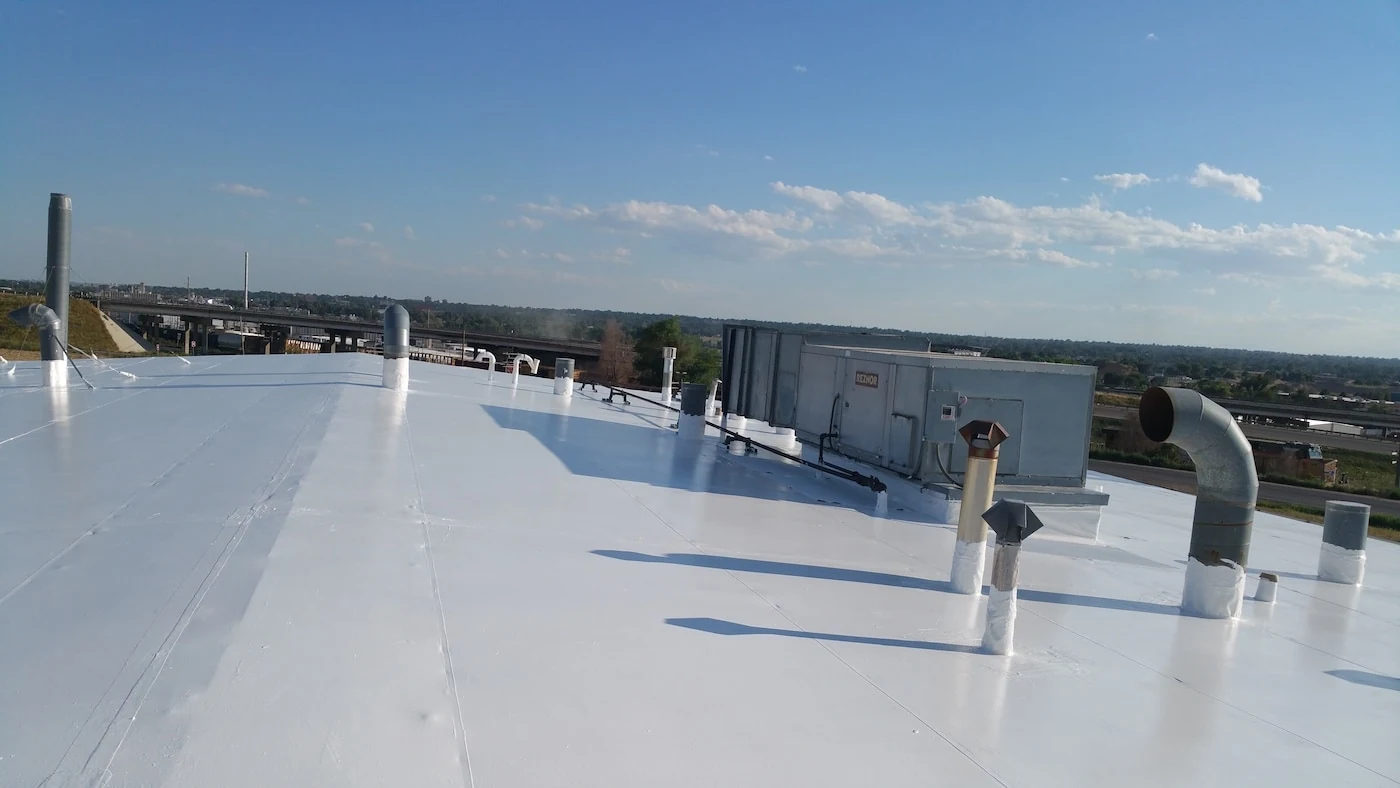
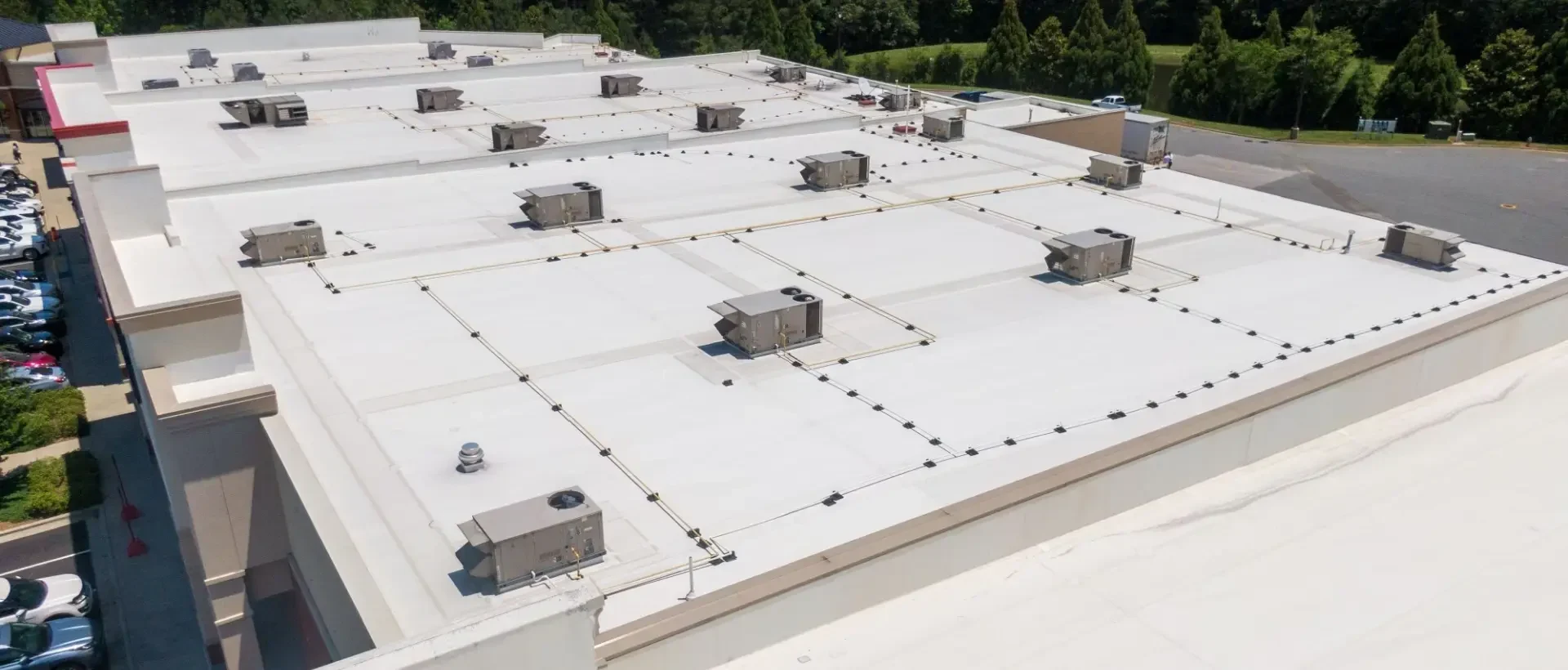
80-mil TPO membrane guidance for Salem, Oregon roofs carrying heavy equipment, food-processing exhaust, or frequent maintenance traffic through the wet season.
Commercial Roofing Assessment Framework
Document
Membrane and seams
Trace
Drainage and water paths
Review
Flashings and penetrations
Compare
Repair, recover, coating, replacement
Plan
Access, staging, weather protection
Protect
Occupants, equipment, and operations
Close Out
Photos, details, records, priorities
TPO 80-Mil Roofing in Salem, OR: Roofing Detail
80-Mil TPO for High-Traffic Salem Roofs
Not every roof needs 80-mil TPO, but a growing share of the buildings we look at around Salem do, food and ag processing plants with rooftop exhaust and refrigeration units, state agency buildings with decades of accumulated rooftop antennas and mechanical additions, and multi-tenant retail strips where every HVAC service call means boots on the membrane. The extra 20 mils of material is a real performance difference, not only a bigger number on a spec sheet.
Where the Extra Thickness Goes
An 80-mil TPO sheet has more material reserve to absorb impact, resist punctures from dropped tools or wind-blown debris, and tolerate repeated foot traffic without thinning at wear points. On a roof with a single rooftop unit and infrequent access, that reserve rarely gets tested. On a roof with a mechanical yard, a communications array, or seasonal equipment checks, it gets tested constantly.
Food and Ag Processing Roofs Carry More Hardware Than People Expect
Salem and the surrounding valley towns run a lot of food processing and cold storage, and those buildings tend to have dense rooftop mechanical loads: refrigeration condensers, exhaust stacks, sometimes ammonia refrigeration equipment requiring frequent technician access. Every one of those units means foot traffic and occasional dropped hardware directly on the membrane. We spec 80-mil almost by default on processing plant roofs for that reason, along with dedicated walkway pad routes between access points and equipment.
Storm Debris Is a Bigger Factor Than Most Owners Assume
A lot of Salem's older commercial parcels sit under mature trees, and wind events through the fall and winter bring down branches. A 60-mil membrane can puncture where an 80-mil sheet holds under a falling limb. That's not a guarantee against damage, but it changes the odds, especially on a roof you're not walking every week.
- Ask whether the crew protects the membrane with plywood or pads during any heavy material staging
- Confirm walkway pads get installed on the actual traffic paths, not only near the access hatch
- Check that rooftop unit curbs and equipment pads are flashed to the same standard as the field membrane
- Ask how often the manufacturer's warranty requires a documented inspection to stay valid
- Get in writing what happens to the warranty if a third-party contractor accesses the roof for non-roofing work
Government Roofs With Decades of Deferred Rooftop Access
State and county buildings around the capitol core tend to accumulate rooftop additions over long ownership cycles, an antenna here, a generator there, a mechanical retrofit that never got properly re-flashed. When we reroof a building like that, 80-mil gives us more working margin around all those existing penetrations, and it holds up better to the kind of intermittent, unscheduled access that comes with a building modified for thirty years.
Wet-Season Install Windows Are Tighter Than People Think
Whether we're installing 60-mil or 80-mil, TPO seams need a dry substrate and a dry weld. The thicker sheet doesn't change that requirement, if anything, an 80-mil project usually means a bigger roof and a longer install window, which raises the odds of hitting a rain day mid-project. We sequence installation in dry-able sections rather than opening more roof than we can seam and dry-in before the next system moves through.
Cost Versus Longevity
Eighty-mil TPO costs more per square than 60-mil, generally in the range most owners expect for roughly a third more material. Whether that premium pays off depends entirely on how the roof gets used. A quiet office roof with one HVAC unit rarely needs it. A roof supporting a food processor's mechanical plant almost always does.
Matching Membrane Thickness to a Rooftop Solar or Equipment Plan
A growing number of Salem building owners are looking at rooftop solar arrays or added mechanical capacity within the next several years, particularly on warehouse and distribution roofs with large, unobstructed field areas. Racking systems and their installation crews put concentrated foot traffic and point loads on a roof that a standard membrane spec doesn't anticipate. When we know solar or major equipment additions are on the horizon, we generally recommend 80-mil even on a roof that wouldn't otherwise need it, along with reinforced attachment details at anticipated racking points, so the roofing scope doesn't have to be reopened and re-warrantied a few years later.
The same logic applies to communications equipment. State and county buildings routinely add antennas, dish mounts, or emergency communications hardware over their service life, usually on short notice and without much advance coordination with the roofing contractor. Specifying 80-mil up front on a roof likely to see that kind of addition avoids a scramble to patch and re-flash a thinner membrane around new equipment installed by a different trade later.
Questions Owners Ask Before Choosing 80-Mil
Is 80-mil TPO worth the added cost on a standard office roof?
Usually not, unless the roof sees unusual traffic or has known debris exposure. Match membrane thickness to actual roof use, not a blanket upgrade.
Does 80-mil TPO weld the same way as 60-mil?
Yes, both use hot-air welding, though welder settings need adjustment for the thicker sheet and technicians need to be trained specifically for it.
Will 80-mil TPO stop ponding water?
No. Thickness doesn't correct slope. Ponding is a drainage design issue that needs to be addressed separately, regardless of membrane thickness.
How does 80-mil TPO handle rooftop refrigeration equipment vibration?
Better than thinner sheets, but vibration-prone equipment still needs isolated curbs and reinforced flashing details rather than relying on membrane thickness alone.
Is 80-mil TPO a good fit for a reroof over an aging built-up roof?
Often, once the existing deck and insulation are evaluated. The added puncture resistance helps over an older, less predictable substrate.
Assessment Priorities
Membrane condition, seams, flashings, penetrations, drains, scuppers, edge metal, rooftop equipment, traffic patterns, and visible moisture evidence are reviewed together before a repair, coating, recover, or replacement path is recommended.
Planning Around the Facility
Access, staging, noise, odor, delivery windows, weather protection, occupied spaces, interior protection, and daily dry-in procedures are planned for the way the commercial property must continue operating.
From Findings to a Clear Scope
Observed conditions are documented so building owners and facility teams can compare immediate repairs, maintenance priorities, system options, budget timing, and closeout requirements without losing sight of the building below the deck.
Ready to review the roof scope?
Roof Systems
1 of 2
Commercial Roofing Across the Salem Area