Commercial Roof Coatings in Salem
Commercial Roofing ServicesServing Salem and the central Willamette Valley
Request a Roof Assessment
Commercial roofing in Salem, Oregon
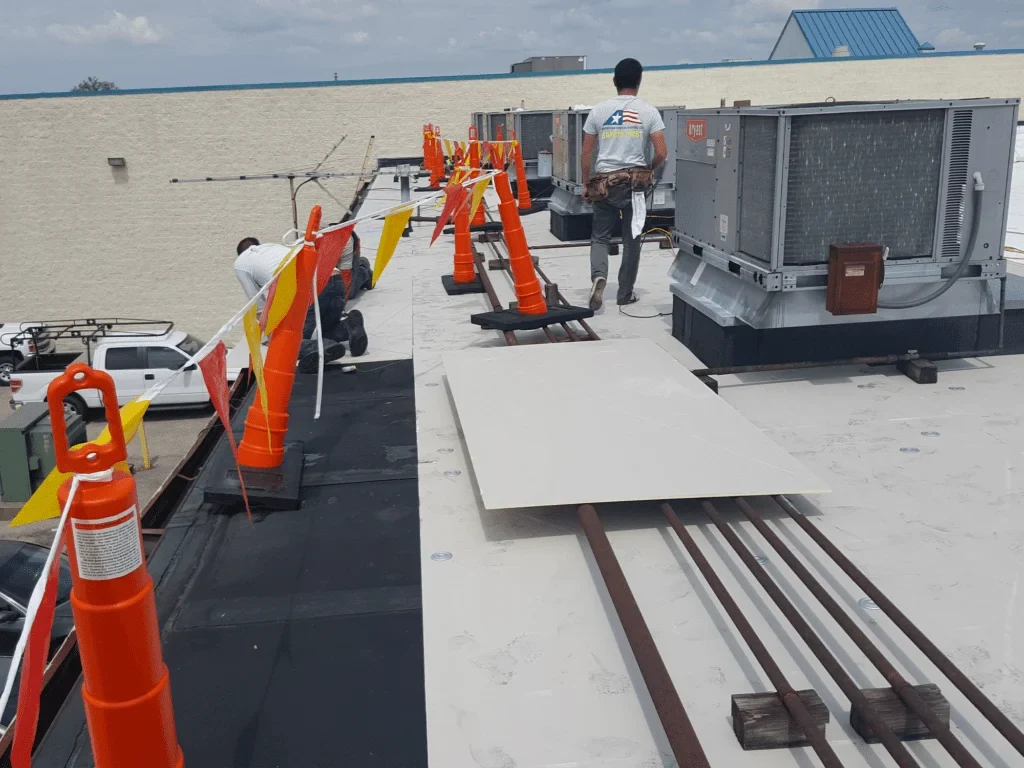
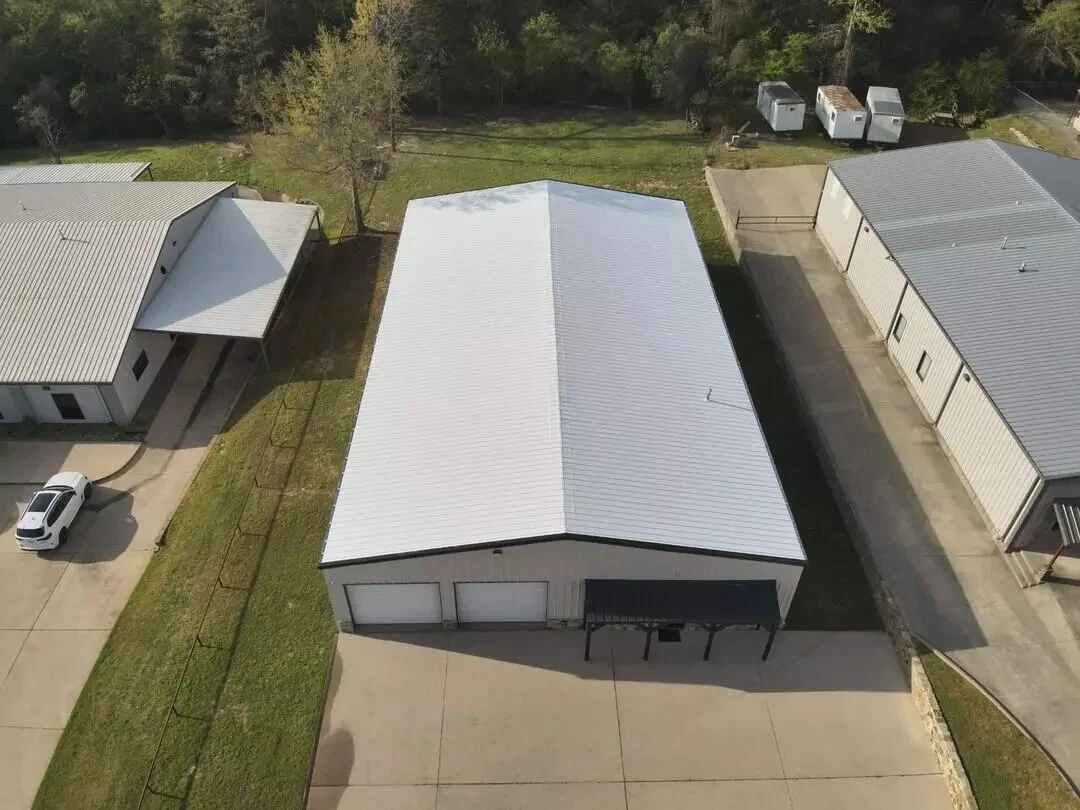
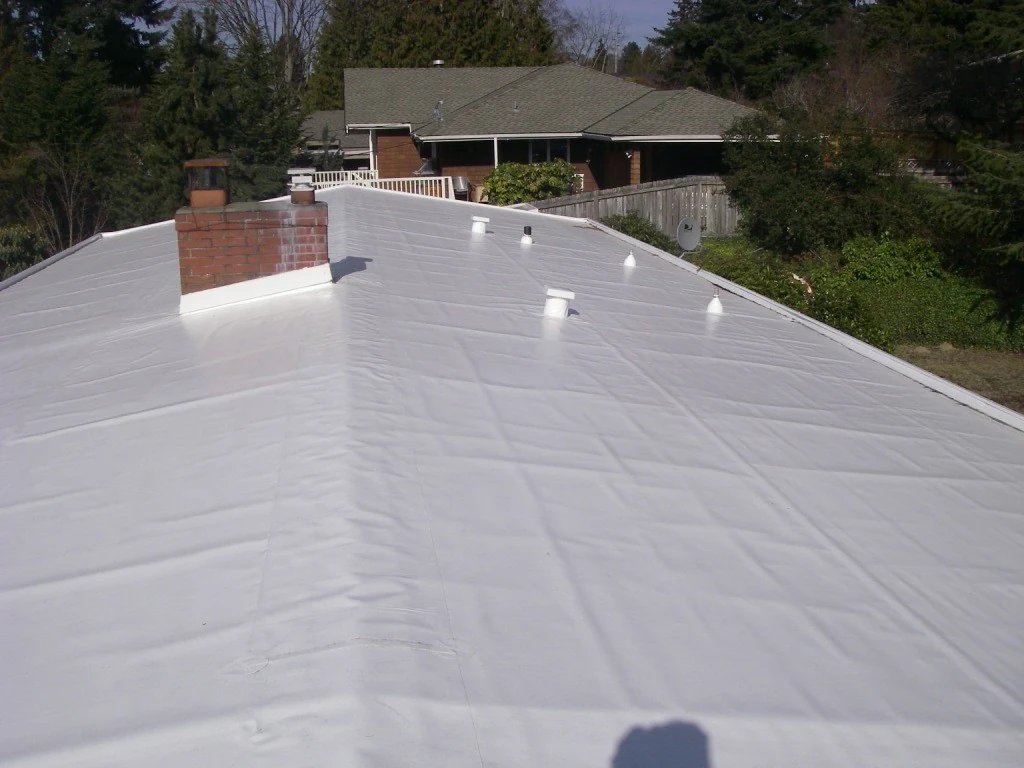
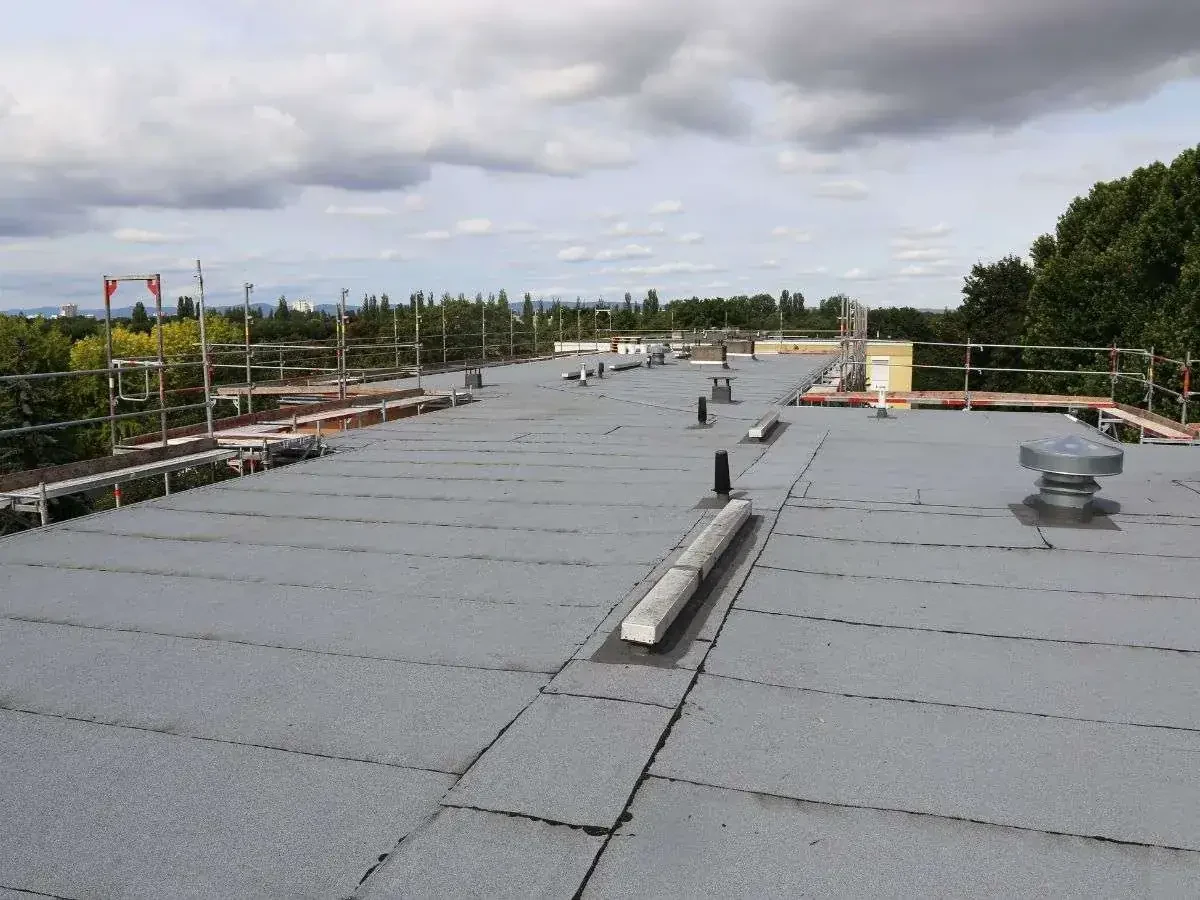
Commercial roof coatings in Salem with candidacy checks, preparation requirements, restoration scope, drainage review, and warranty planning.
Commercial Roofing Assessment Framework
Document
Membrane and seams
Trace
Drainage and water paths
Review
Flashings and penetrations
Compare
Repair, recover, coating, replacement
Plan
Access, staging, weather protection
Protect
Occupants, equipment, and operations
Close Out
Photos, details, records, priorities
Commercial Roof Coatings in Salem: Roofing Detail
Where Acrylic Coatings Fit on Salem's Sloped Metal Roofs
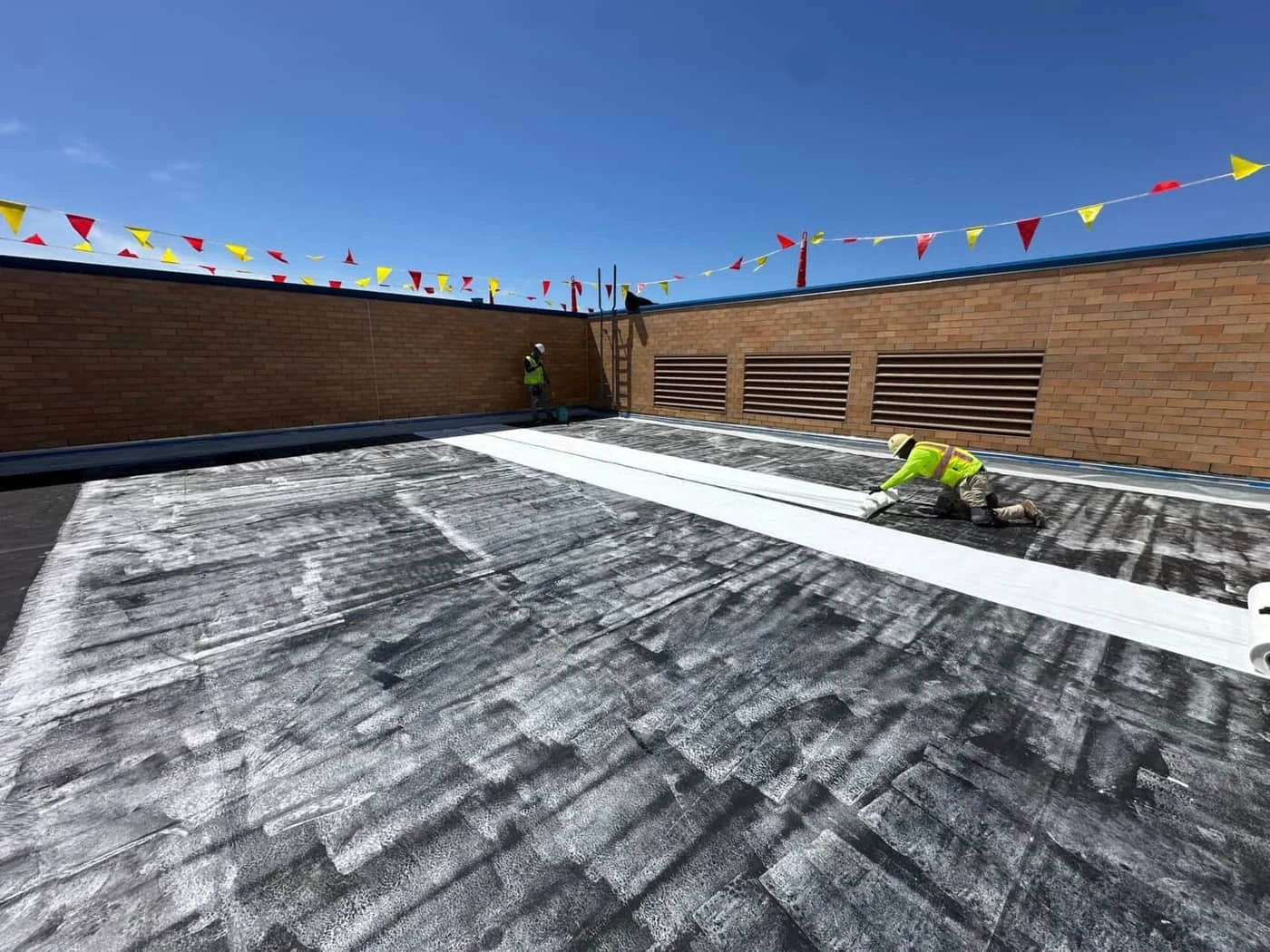
A coating recommendation starts with adhesion, moisture, drainage, membrane condition, detail preparation, and warranty eligibility, not every existing roof is a restoration candidate. Acrylic coatings cost less than silicone and work well on roofs that actually drain, which is the qualifier that matters most. We spec acrylic for positively sloped metal roofs and other surfaces that shed water quickly, and we steer owners away from it on anything with chronic ponding, because acrylic simply isn't built for sustained water contact the way silicone is.
The Drainage Test That Decides the Material
Before we recommend any coating, we look at how the roof actually drains rather than trusting its nominal slope on paper. A metal roof with clean, consistent runoff and no low spots holding water after a storm is a good candidate for acrylic. A low-slope membrane roof with even minor ponding areas is a poor one - water sitting on an acrylic coating will break the coating down well ahead of schedule, and the coating will need premature reapplication or the owner ends up with a coated roof that's now leaking anyway.
We watch a roof through at least one real rain event during the assessment when the schedule allows it, rather than relying only on a dry-day walk-through. A dry roof can hide a drainage problem that only shows itself once water is actually moving across the surface.
How Reflectivity Pays Off in Valley Summers
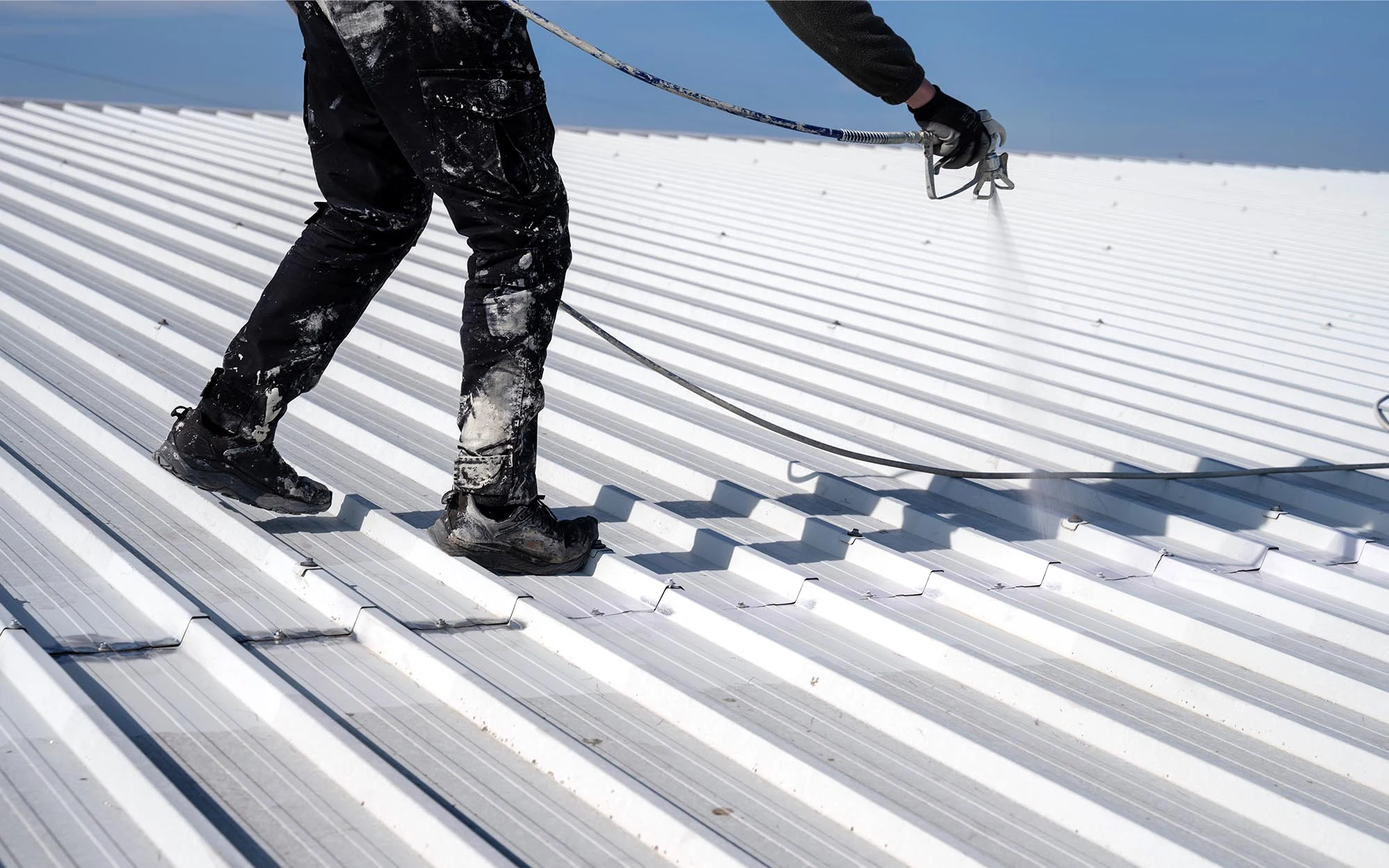
Acrylic coatings come in highly reflective white and light-colored finishes that knock down summer rooftop surface temperatures the same way a white membrane does, which helps on metal buildings with occupied space below or rooftop-mounted equipment sensitive to heat load. For ag-industrial and storage buildings around Salem with older, chalking, or fading metal panels, a reflective acrylic recoat is often the most cost-effective way to both extend the panel finish's life and cut summer heat gain in one project.
Where We Use Acrylic Around Salem
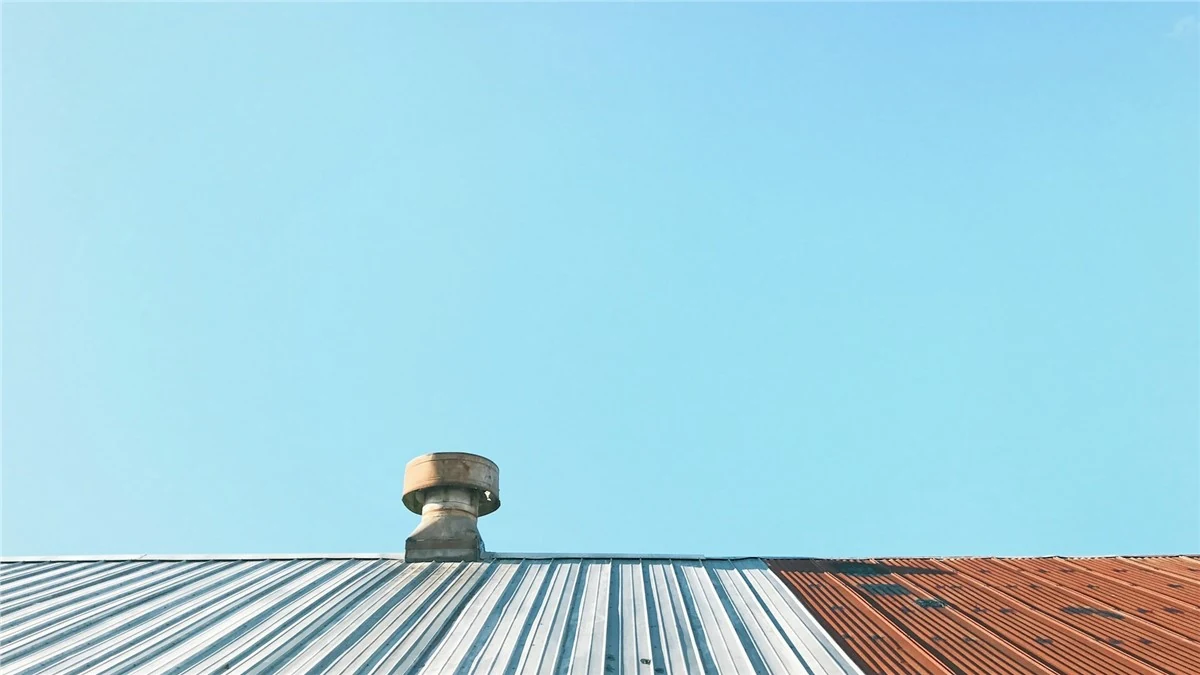
Standing seam and R-panel roofs on light-industrial and ag-storage buildings with faded or chalking factory finish are the most common candidates. It's also a reasonable option on steep-slope architectural metal where standing water was never going to be a factor in the first place.
We also use acrylic on smaller ancillary structures around a larger property - equipment shelters, loading dock canopies, guard shacks at an industrial site - where the roof area is modest, drainage is straightforward, and a lower-cost coating gets the job done without over-specifying a material the building doesn't need.
- Faded or chalking metal panel finishes on positively sloped roofs
- Reflective recoat projects aimed at reducing summer heat load
- Steep-slope architectural metal roofing
- Rust-spot pre-treatment and priming before coating application
- Recoat cycles on previously coated metal roofs approaching end of service
Why We Won't Sell Acrylic on a Ponding Roof
We turn down acrylic coating requests fairly often once an inspection shows ponding areas the owner didn't realize were there. It would be an easy sale, since acrylic costs less upfront, but a coating that fails within two or three seasons because it was applied on the wrong roof type costs the owner more in the long run than choosing the right material the first time. On those roofs, we recommend silicone instead, or a tapered recover if the ponding is severe enough to need a structural fix.
Surface Prep Before an Acrylic Recoat
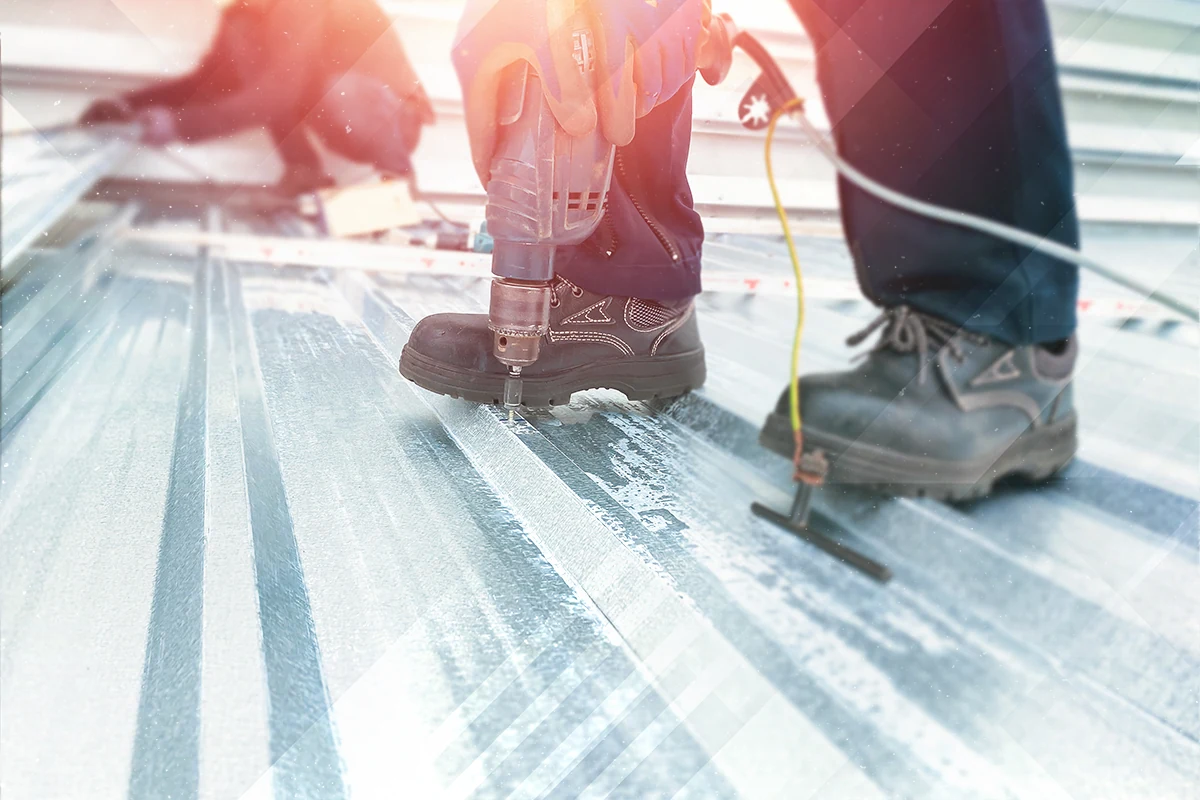
Acrylic coating performance depends heavily on surface preparation - rust spots need to be wire-brushed and primed, chalking finish needs to be cleaned and, in some cases, primed with a bonding agent before the coating will adhere properly. Skipping that prep step is the most common reason we see an otherwise well-chosen acrylic coating fail early, peeling or bubbling within the first couple of wet seasons.
We test adhesion on a section of the existing finish before committing to full coverage, particularly on older factory-finished panels where the original coating chemistry isn't always documented and can react differently to a new topcoat than expected.
Application Windows and Cure Time
Acrylic coatings need dry weather to cure properly, which narrows the practical installation window in a climate that sees rain most months of the year. We schedule acrylic recoat projects for the same drier stretch we use for membrane replacements, and we won't apply a coating if rain is forecast within the cure window, since a rain event on uncured acrylic can wash the material off the roof entirely before it sets. Morning dew and overnight humidity also factor into timing here, and we plan application later in the day once a roof has had a chance to dry out from an overnight damp spell.
Common Acrylic Coating Concerns
Is acrylic cheaper than silicone?
Yes, typically, but the savings only make sense on roofs that actually drain well. On a ponding roof, acrylic's shorter effective life erases the cost advantage.
Can acrylic be used on a low-slope membrane roof?
Only if that roof drains cleanly with no standing water after rain. If there's any ponding history, we recommend silicone instead.
Does acrylic coating reduce cooling costs?
It can, on buildings with occupied space or heat-sensitive equipment below the roof, by reflecting more solar heat than an uncoated or dark metal surface.
How often does an acrylic coating need reapplication?
Generally every 8 to 12 years, sooner if the roof sees more UV exposure or wear than average, or later on well-maintained, well-draining roofs.
What happens if acrylic gets applied to a roof with ponding?
It breaks down faster than intended in the ponding areas specifically, sometimes within a season or two, which is why we assess drainage before recommending any coating material.
Assessment Priorities
Membrane condition, seams, flashings, penetrations, drains, scuppers, edge metal, rooftop equipment, traffic patterns, and visible moisture evidence are reviewed together before a repair, coating, recover, or replacement path is recommended.
Planning Around the Facility
Access, staging, noise, odor, delivery windows, weather protection, occupied spaces, interior protection, and daily dry-in procedures are planned for the way the commercial property must continue operating.
From Findings to a Clear Scope
Observed conditions are documented so building owners and facility teams can compare immediate repairs, maintenance priorities, system options, budget timing, and closeout requirements without losing sight of the building below the deck.
Ready to review the roof scope?
Commercial Roofing Services
1 of 2
Commercial Roofing Across the Salem Area