Commercial Roof Inspection and Condition Report in Salem
Commercial Roofing ServicesServing Salem and the central Willamette Valley
Request a Roof Assessment
Commercial roofing in Salem, Oregon
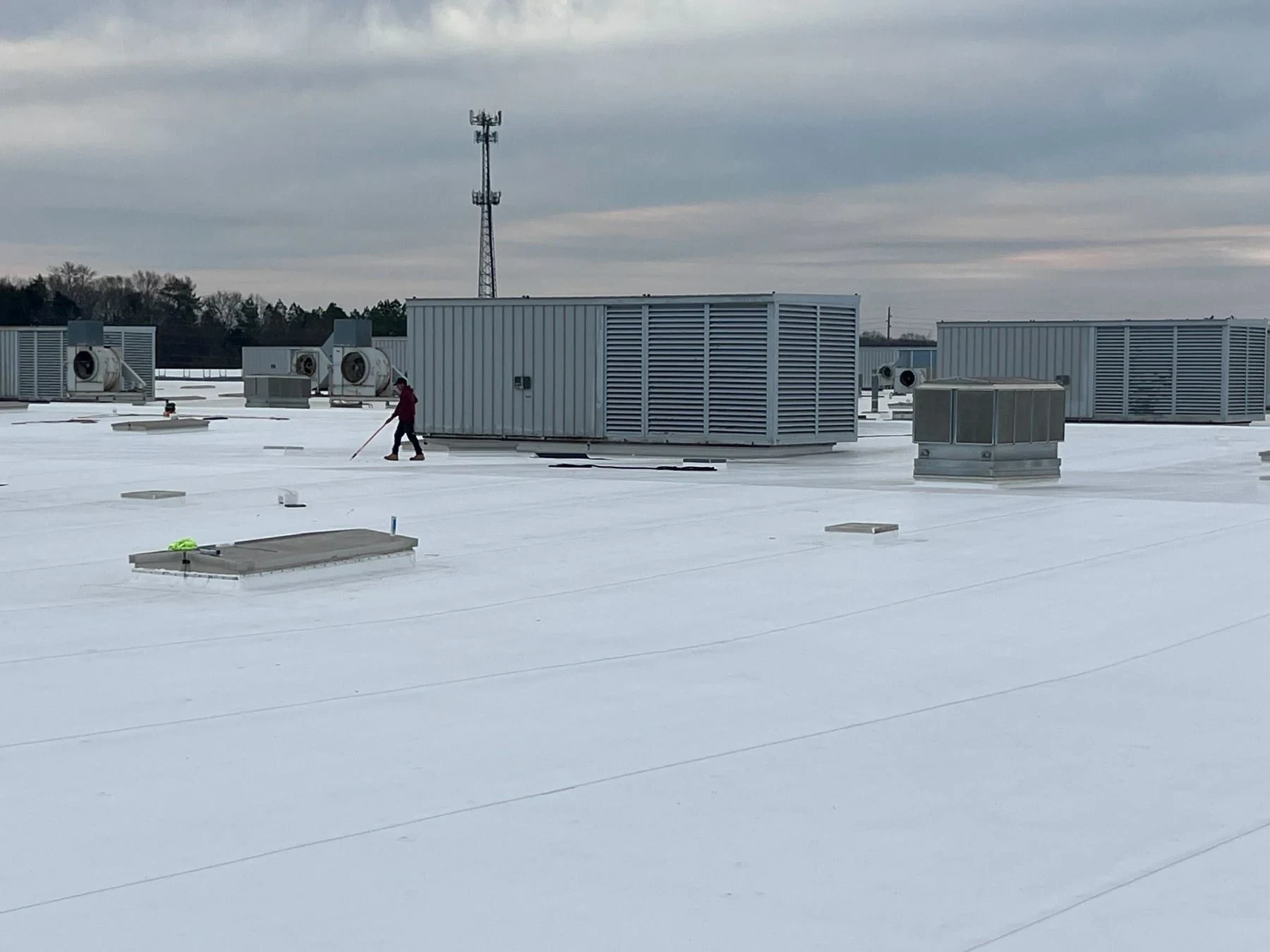

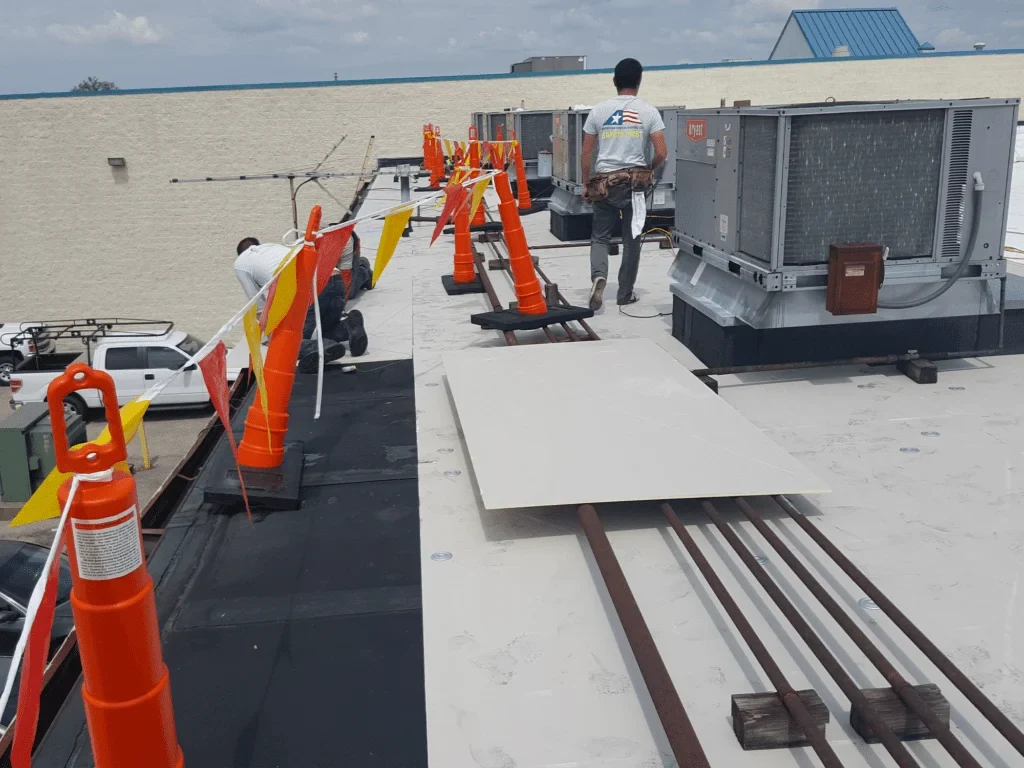
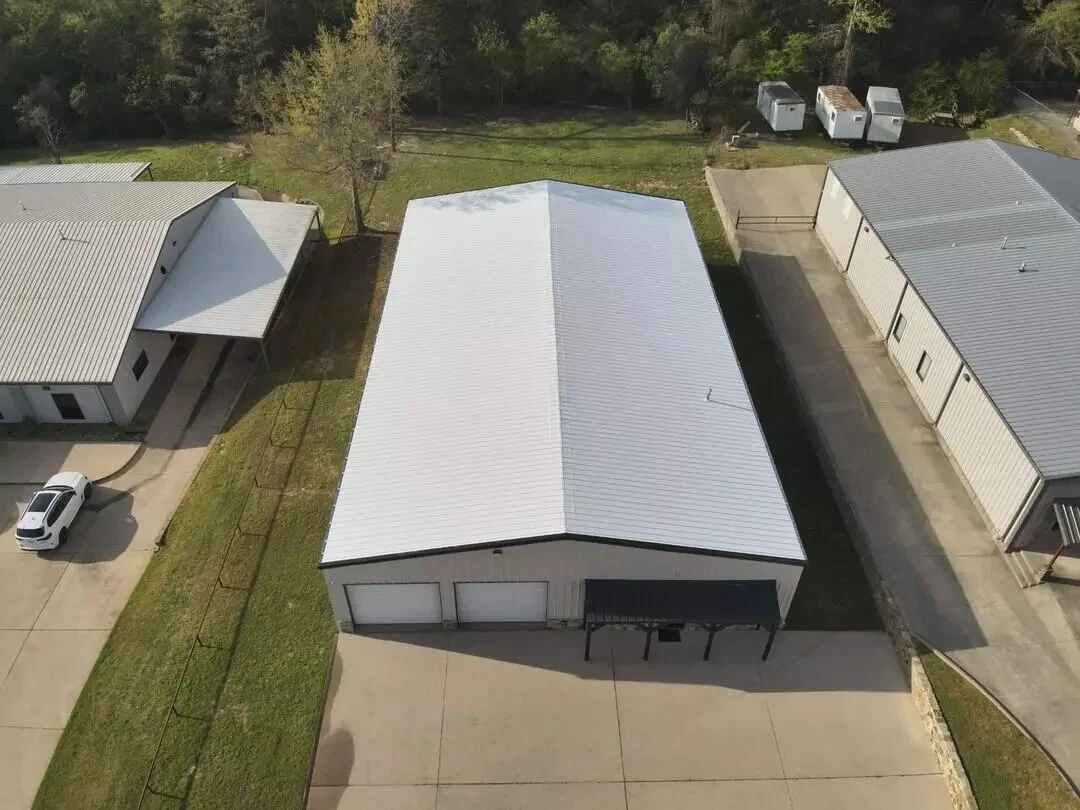
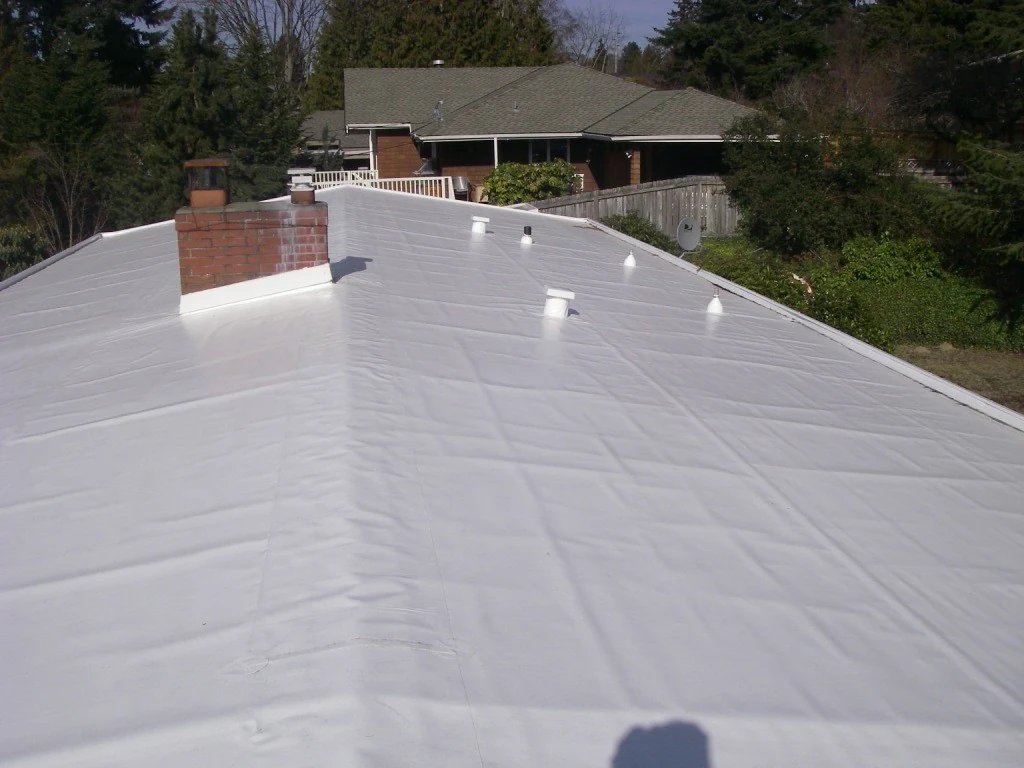
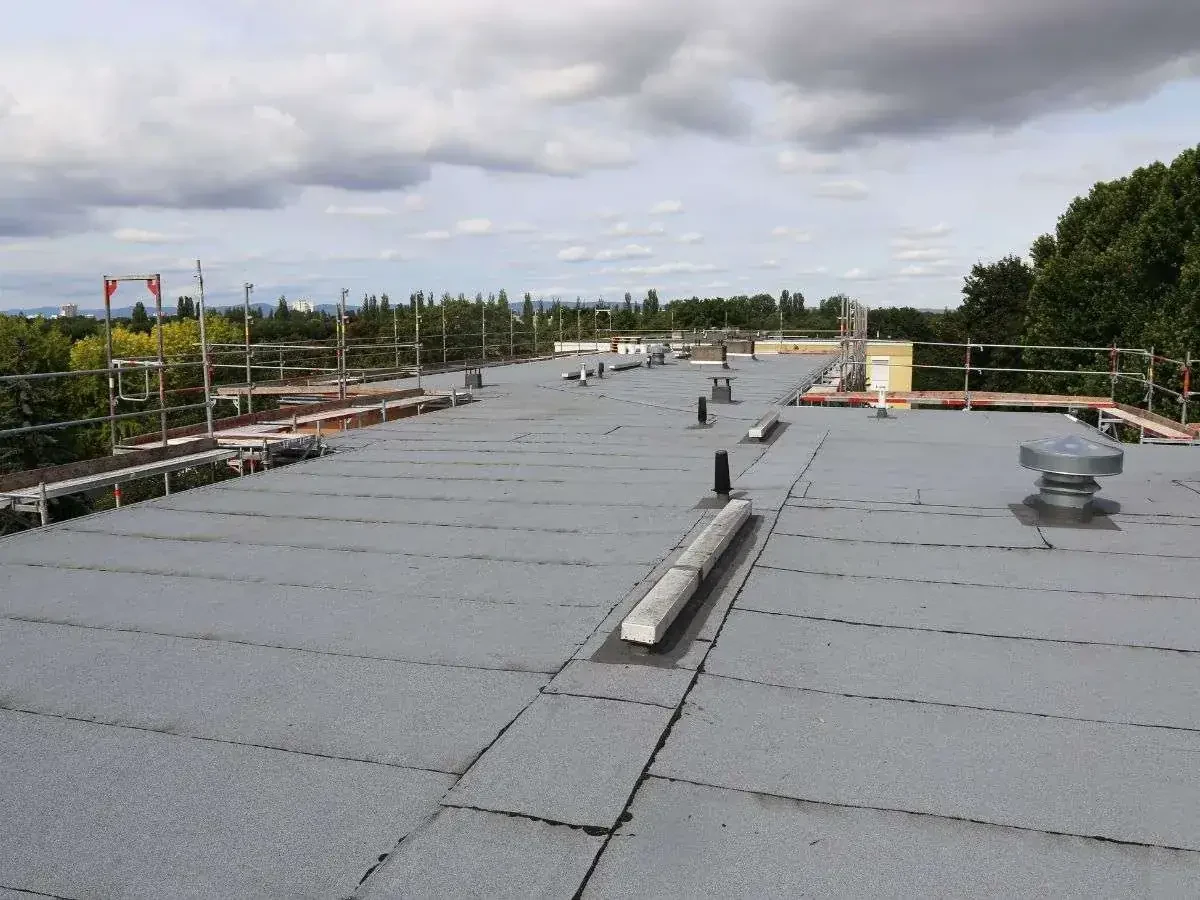
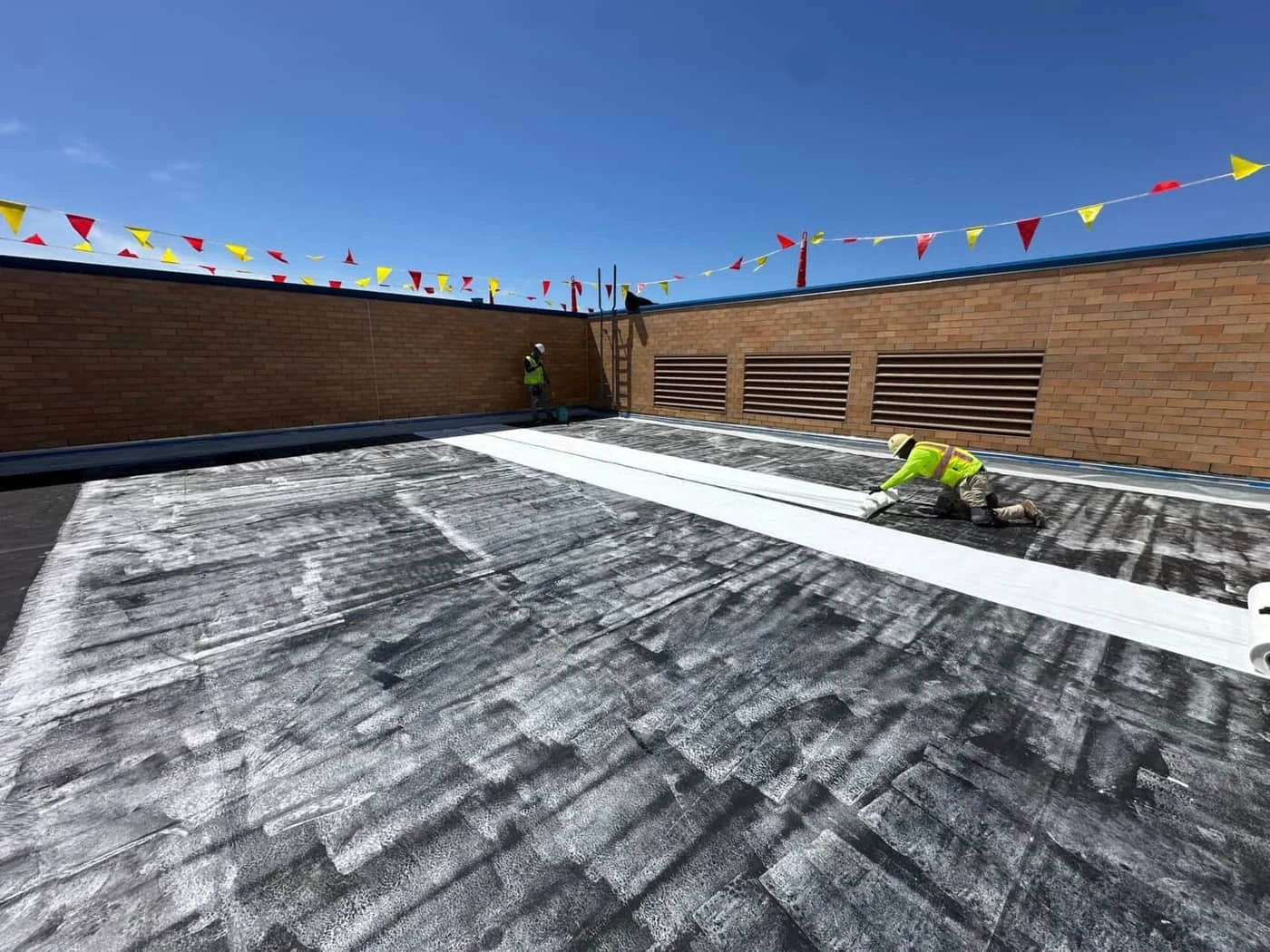
The inspection records membrane, seams, flashings, drains, penetrations, edge metal, moisture indicators, photographs, and practical next steps in a condition report.
Commercial Roofing Assessment Framework
Document
Membrane and seams
Trace
Drainage and water paths
Review
Flashings and penetrations
Compare
Repair, recover, coating, replacement
Plan
Access, staging, weather protection
Protect
Occupants, equipment, and operations
Close Out
Photos, details, records, priorities
Salem Roof Decision Guide
The inspection records membrane, seams, flashings, drains, penetrations, edge metal, moisture indicators, photographs, and practical next steps in a condition report. An inspection that only confirms a roof looks fine from the ground isn't worth the invoice. We treat every inspection as a documentation exercise first: photograph the condition, measure what can be measured, and give the owner a written record that means something a year later when a leak call comes in or a budget cycle needs a number.
Why Timing Matters More Here Than in Drier Climates
With rain arriving reliably by October and lasting into late spring, the value of a late-summer inspection is different in Salem than it would be somewhere with a shorter wet season. A September walk catches drainage restrictions and seam issues while there's still time to schedule repairs before the roof takes on months of sustained moisture. Waiting until January to inspect means finding problems after they've already had a season to get worse.
We recommend most commercial owners in this market schedule their primary annual inspection in late summer, with a lighter secondary check after any significant winter weather event, rather than a single inspection at a random point in the year.
What Gets Checked, and Why Each Item Matters
Drainage gets the most attention on any Salem inspection, because a restricted drain or scupper here has more consequences than in a drier market. We check every drain for standing debris, test flow where possible, and note any low spots on the field where water is pooling longer than 48 hours after a rain event, which is usually a sign of deck deflection rather than just a drainage issue.
Seams, flashing, and penetrations get walked individually rather than scanned from a distance. A membrane can look uniform from ten feet away and still have a lifted seam edge or a cracked pipe boot that only shows up on close inspection. We also check coping and edge metal fastener spacing, since loosened fasteners here tend to work free gradually rather than blow off in one event.
Different Buildings Need Different Inspection Priorities
State agency and government buildings around the Capitol Mall often have inspection requirements tied to capital planning cycles, and we format our reports to match what those budget processes need: condition ratings, remaining service-life estimates, and cost ranges rather than just a narrative description. Healthcare buildings near Salem Health add access and scheduling constraints that shape when we can be on the roof.
Food-processing and warehouse buildings along Highway 22 and near the Mill Creek Corporate Center often carry heavier rooftop equipment loads and more penetrations per square foot, so those inspections spend more time on curb flashing and equipment pad condition than a typical retail roof would need.
Owners with multiple properties spread across Marion and Polk counties, from a retail pad downtown to a strip center across the river in West Salem, often want inspections staggered on a rolling calendar rather than all at once. We build that rotation around each building's specific risk profile, so a roof with a known drainage issue gets checked sooner than one with a clean recent history.
- Drain, scupper, and gutter flow test with a check for standing debris or slow points
- Full membrane walk checking seam condition, blistering, and UV wear across the entire field, not a sample
- Flashing and coping fastener check at every parapet, curb, and roof edge
- Pipe boot and penetration condition, noted individually with photos
- Standing water mapping after recent rain, flagging any area holding water past 48 hours
- Rooftop equipment curb and pad condition, especially on buildings with heavy HVAC loads
Turning an Inspection Into a Usable Budget Document
A report that just says a roof is in fair condition doesn't help a property manager plan next year's capital spend. We assign a condition rating to each roof section, estimate remaining service life in years rather than vague terms, and separate immediate repair needs from items worth monitoring for another cycle. That level of detail is what turns an inspection from a compliance checkbox into a planning tool.
We also flag anything that looks like it's trending toward a bigger problem, even if it doesn't need action this year, so the next inspection has a clear baseline to compare against instead of starting from scratch.
Photos are taken from consistent reference points on each roof, so this year's set can be laid side by side against last year's rather than compared from memory. That consistency matters most on a slow-developing issue like moss establishment or gradual coping fastener loosening, where a single year's photo rarely tells the story but three years side by side usually does.
Inspection Questions Salem Building Owners Ask
How often should a commercial roof be inspected here?
We recommend a full inspection once a year, timed for late summer before the wet season, plus a shorter follow-up check after any significant winter storm.
What's the biggest issue you find that owners didn't expect?
Slow-building drain restriction from moss and debris. It develops gradually enough that nobody notices until standing water is already causing problems.
Do you inspect roofs during the rainy season?
Yes, particularly after a significant storm, though a dry-season inspection gives a clearer read on membrane and seam condition than a wet roof does.
What does the inspection report actually include?
Photos, a condition rating by roof section, an estimated remaining service life, and a prioritized list separating items that need immediate attention from items to monitor.
Can an inspection help with insurance or lender requirements?
Yes, our reports are formatted to document actual roof condition with photos and dates, which is typically what insurers and lenders are asking for. We don't make claims about coverage outcomes, only document condition factually.
Make allowances and exclusions visible
Pricing is easier to evaluate when the scope shows which conditions were measured, which were observed but not opened, and which remain concealed. Unit prices or allowances can address uncertainty without pretending the quantity is already known. Alternates are useful when they compare real decisions, such as repair versus restoration preparation or recover versus tear-off. They are less useful when major necessary work is moved out of the base price simply to make one proposal appear lower. When assumptions are visible, the owner can decide whether to investigate further before award or carry a controlled contingency. Either choice is stronger than discovering that two supposedly comparable bids covered different roofs.
Connect the roof problem to the building and weather
Weather around Salem, OR combines extended wet periods, wind, seasonal debris, cool-weather installation limits, and recurring drainage demand. The timing of that exposure can reveal a weak detail, yet the weather event and the leak source are not automatically the same thing. The review should connect the time and location of water entry with roof zones, elevations, drainage paths, and construction transitions. That map helps distinguish one isolated defect from several conditions activated by the same rainfall. This distinction protects the owner from treating a correlation as proof. It also lets the next technician revisit the precise unknown instead of repeating the entire investigation.
What the field record must establish
A decision-grade Salem roof record includes roof-area plans, system and deck information, observed defects, photographs, moisture evidence, drainage, repair history, immediate priorities, budget assumptions, and recommended follow-up. Conditions should be organized by roof area and priority rather than buried in a chronological photo dump. The field sequence is to divide the roof into usable zones, compare interior history with exterior conditions, inspect drainage and details, and record defects in a way another decision-maker can follow. Photographs should show context and detail, and test locations should explain what question was being answered and how the opening was closed. The closeout should identify today's completed scope and tomorrow's unresolved work independently. That structure is especially important when several vendors, tenants, or ownership representatives will rely on the same roof file.
Roof-system details change the diagnosis
A detail that is repairable on TPO 60 Mil may require different preparation or materials on EPDM Black or Silicone Roof Coating. Existing layers, surfacing, attachment, and earlier repair products matter before new materials are selected. The scope should name the membrane or surface that was actually observed, identify unknown construction, and check compatibility before mastics, primers, membranes, or coatings are specified. Core information may be necessary when layers and attachment affect the option set. Drainage stays in the analysis because a sound patch cannot correct water held against a curb, an overloaded outlet, or settlement at a low point. System language should support what needs action now, what can be maintained, what is eligible for restoration, and what belongs in a replacement budget instead of functioning as a product catalog.
Plan access, interiors, tenants, and daily dry-in
A technically correct detail is only part of the job at Salem properties such as Healthcare Systems, Insurance Restoration, and Property Management Firms. The plan also has to protect people, inventory, equipment, and normal access below the roof. The pre-work review should locate safe access, occupied areas, shutdown constraints, fire or security procedures, rooftop equipment, pedestrian controls, and interior protection. The building contact should know which decisions are needed before mobilization. Operating controls are roof-quality controls. Water, debris, odor, noise, or an unsecured access point can harm the owner even when the installed detail itself is correct, so those risks need owners and closeout checks.
Separate immediate service from capital work
The recommendation must answer what needs action now, what can be maintained, what is eligible for restoration, and what belongs in a replacement budget. An isolated repair, repair program, restoration, recover assembly, and full replacement solve different condition patterns and should not be presented as interchangeable price levels. Compare the distribution of wet materials, attachment and deck concerns, drainage, detail density, repair frequency, disruption, expected ownership period, energy goals, code assumptions, and warranty requirements. Cost without those differences is not a lifecycle comparison. This prevents an urgent call from becoming an automatic reroof pitch. It also prevents endless patches from consuming money on a roof whose moisture, failures, or lifecycle cost has crossed a reasonable replacement threshold.
The handoff should survive the service call
The practical handoff is a written repair, restoration, replacement, or service-agreement path tied to the inspection findings. The next person should receive the property address, roof-area identifiers, contacts, access notes, photographs, temporary measures, completed work, open recommendations, and timing. The record should support both field work and management review. Technicians need locations and prior details; ownership needs priorities, open risk, completed spending, next inspection dates, and a defensible future sequence. The result is more than a completed patch or proposal. It is a controlled sequence from immediate response to documented condition, from condition to an appropriate option, and from that option to scheduled stewardship of the roof asset.
Collect the details that shape safe dispatch
Before dispatch, collect the address, responsible building contact, safe access route, occupied area below the problem, time and behavior of the leak, known roof type, and any temporary protection already attempted at the Salem property. If the building has prior reports, warranties, repair invoices, roof plans, or known drain locations, those records can shorten the investigation. They should be treated as history to verify, not as proof that the present failure has the same cause. The response plan should match the reported condition without promising a cause, permanent repair, or arrival time that has not been verified. Dispatch clarity is valuable precisely because it avoids unsupported assumptions.
Salem decision checklist
- Map the interior symptom to a named roof area before selecting a repair detail.
- Record temporary measures separately from permanent work and list every open item.
- Verify drainage, penetrations, walls, edges, earlier repairs, and transitions around the affected area.
- State the observed roof assembly, unknown construction, access limits, and testing assumptions.
- Connect the recommendation to repair, restoration, replacement, maintenance, or capital-planning thresholds.
- Set the next inspection or follow-up date so the roof history continues after this visit.
Commercial roof decision questions
Does this condition automatically mean the roof must be replaced?
No. The review should establish what needs action now, what can be maintained, what is eligible for restoration, and what belongs in a replacement budget. Replacement becomes a defensible recommendation only when the field evidence, moisture, assembly condition, repair history, deck or attachment concerns, and lifecycle comparison support it.
What should the Salem roof scope document?
It should document roof-area plans, system and deck information, observed defects, photographs, moisture evidence, drainage, repair history, immediate priorities, budget assumptions, and recommended follow-up. It should also label temporary and permanent work separately, state assumptions and exclusions, and identify the inspection or service step that follows the current scope.
How does an urgent call become a maintenance or capital plan?
The immediate visit creates the first roof-area record. A follow-up inspection establishes condition and priorities. Completed repairs, recurring observations, drain service, warranties, and future recommendations are then retained so maintenance stays scheduled and larger work can be placed into the appropriate capital year.
From service call to roof plan
Use the next decision, not the biggest sale.
Stabilize the problem, document the roof, compare the viable paths, and keep the resulting roof history active.
Assessment Priorities
Membrane condition, seams, flashings, penetrations, drains, scuppers, edge metal, rooftop equipment, traffic patterns, and visible moisture evidence are reviewed together before a repair, coating, recover, or replacement path is recommended.
Planning Around the Facility
Access, staging, noise, odor, delivery windows, weather protection, occupied spaces, interior protection, and daily dry-in procedures are planned for the way the commercial property must continue operating.
From Findings to a Clear Scope
Observed conditions are documented so building owners and facility teams can compare immediate repairs, maintenance priorities, system options, budget timing, and closeout requirements without losing sight of the building below the deck.
Ready to review the roof scope?
Commercial Roofing Services
1 of 2
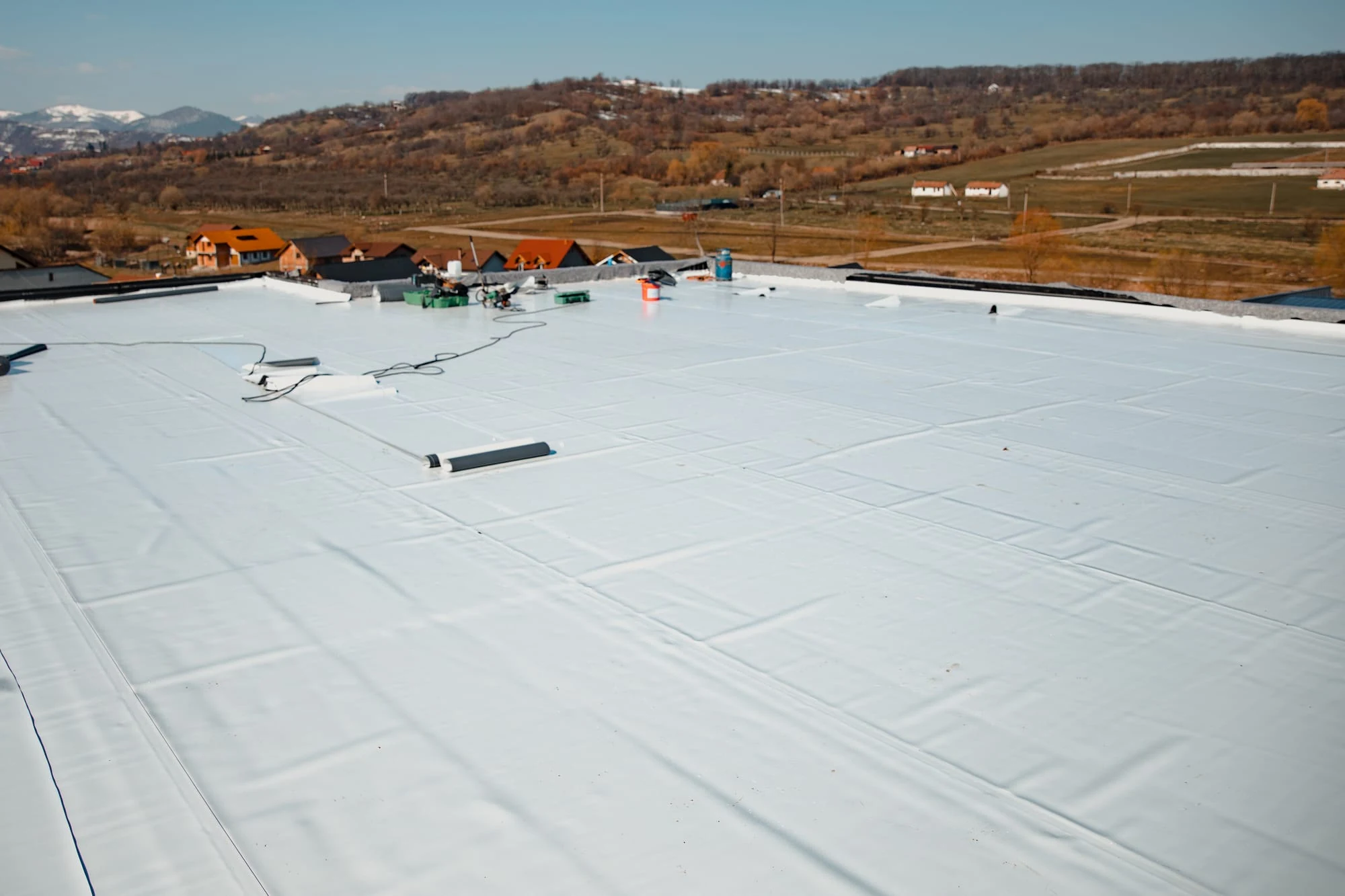
Commercial Roofing Across the Salem Area