Built-Up Roofing in Salem, OR
Commercial Roofing ServicesServing Salem and the central Willamette Valley
Request a Roof Assessment
Commercial roofing in Salem, Oregon
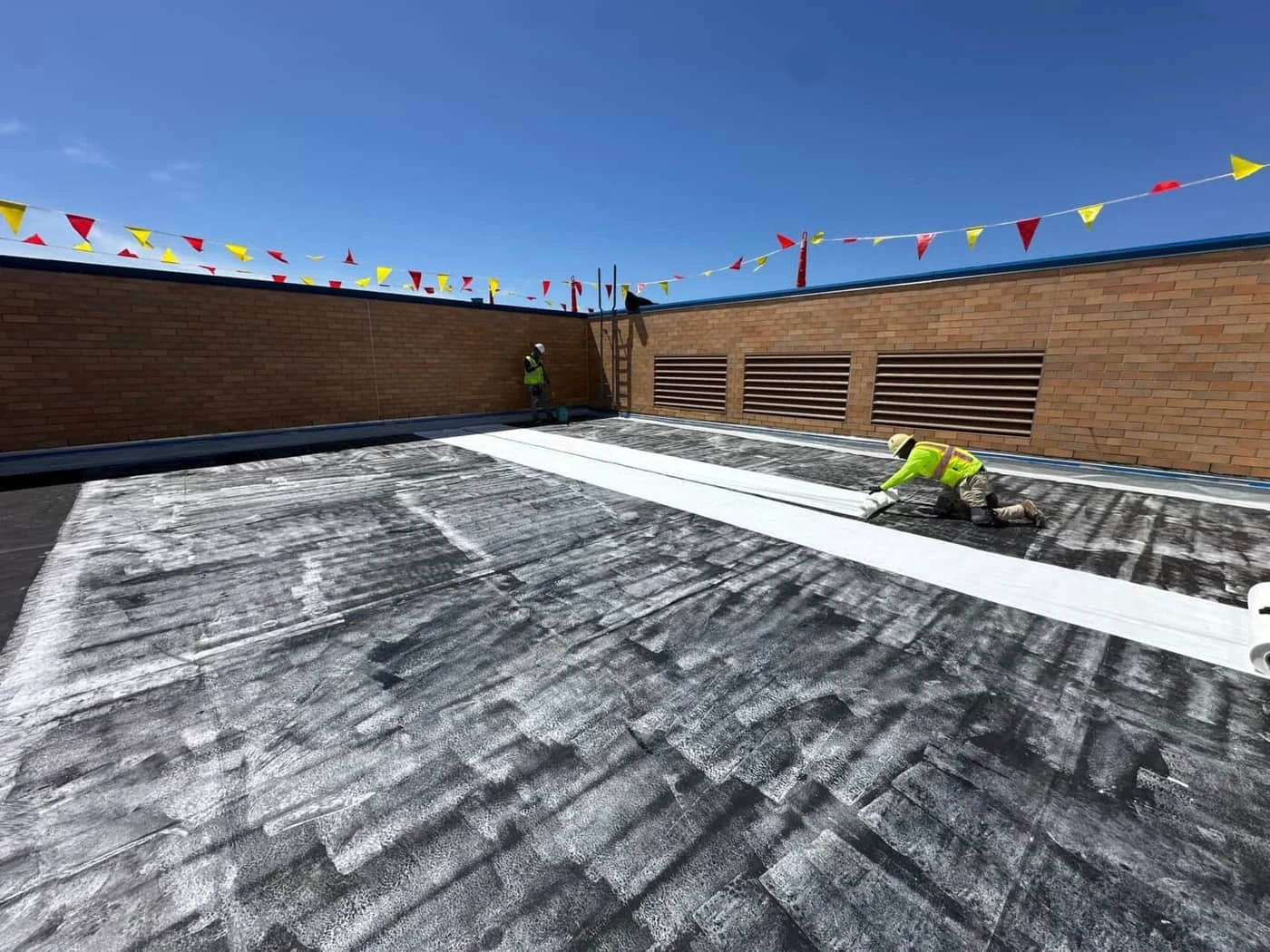
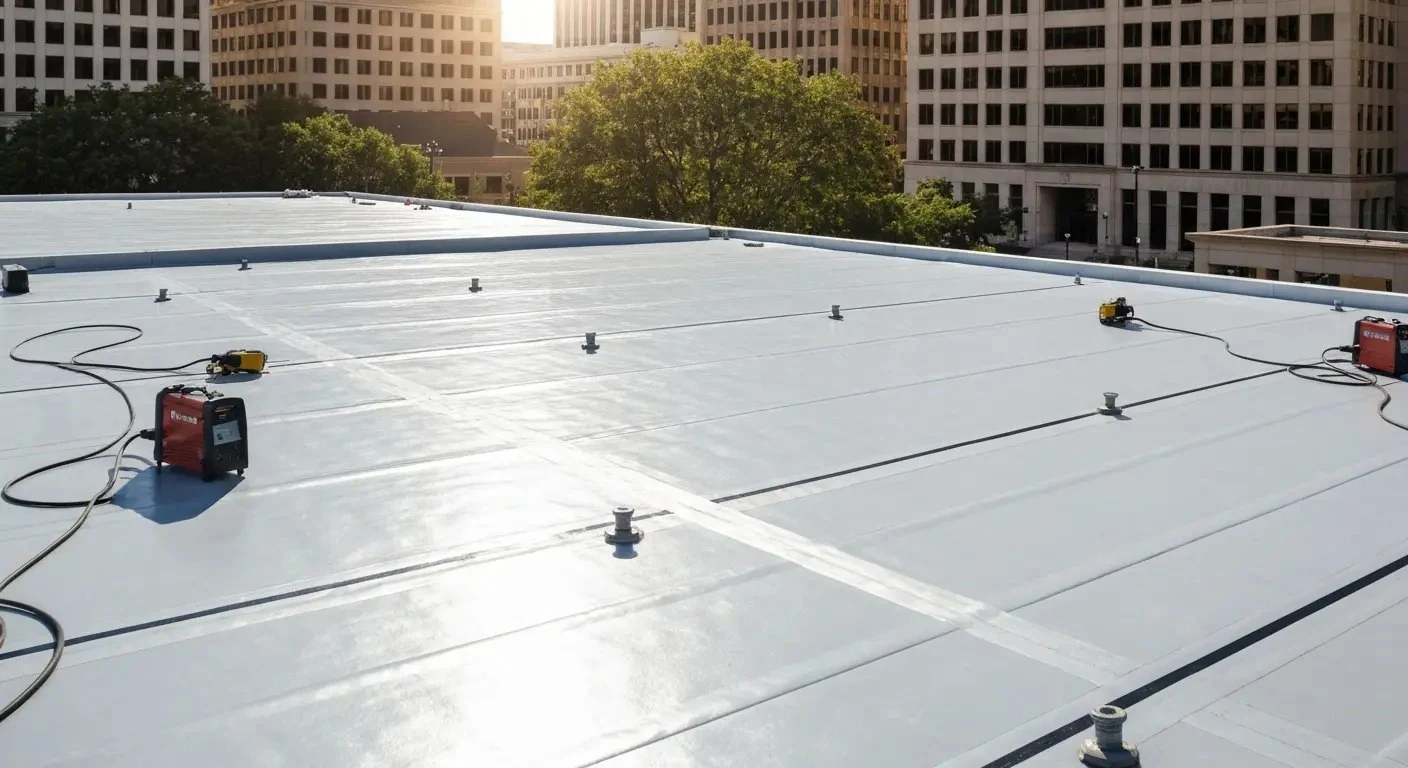
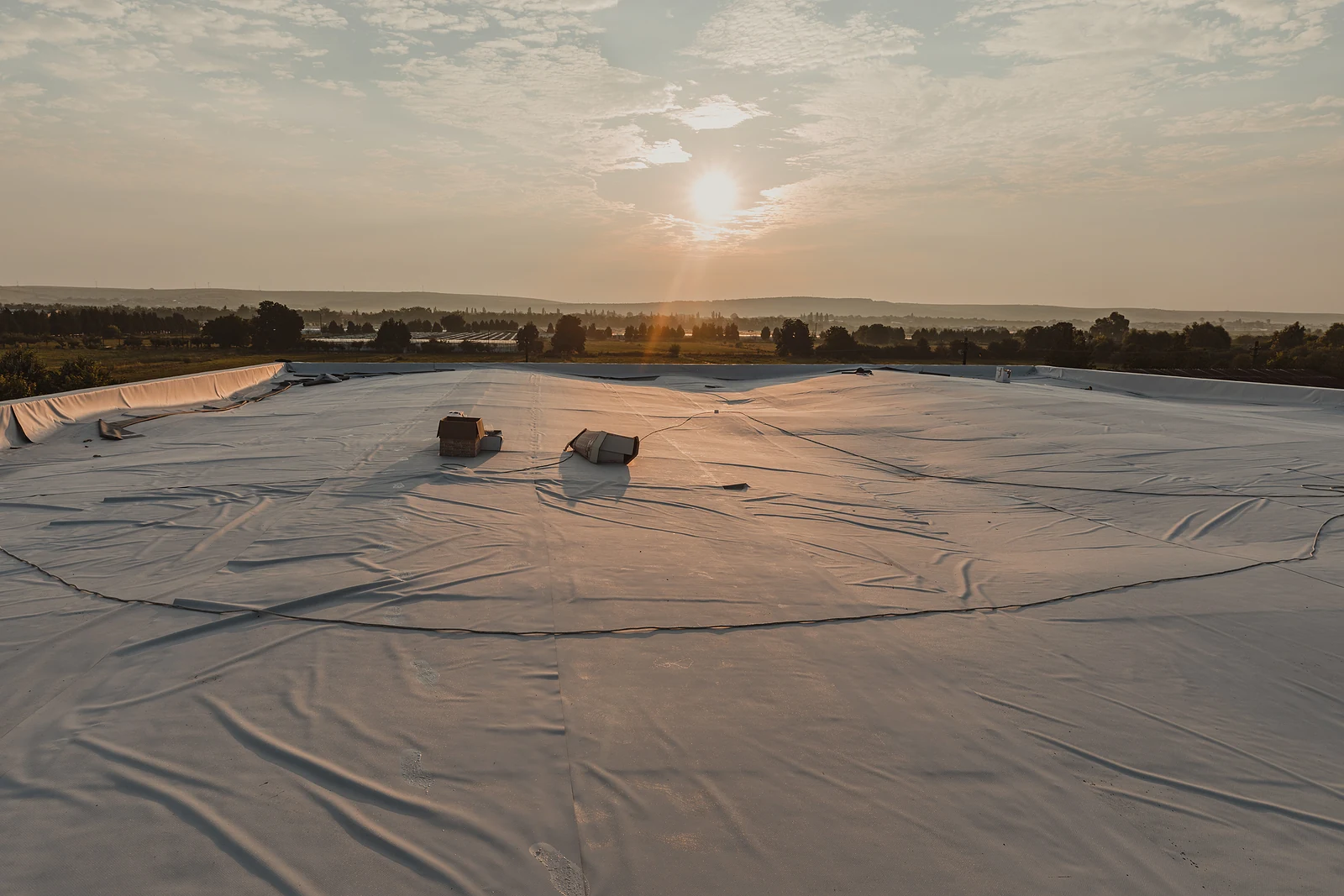
Built-up tar and gravel roof repair, core sampling, and recover decisions for Salem's older downtown, university, and state agency buildings.
Commercial Roofing Assessment Framework
Document
Membrane and seams
Trace
Drainage and water paths
Review
Flashings and penetrations
Compare
Repair, recover, coating, replacement
Plan
Access, staging, weather protection
Protect
Occupants, equipment, and operations
Close Out
Photos, details, records, priorities
Built-Up Roofing in Salem, OR: Roofing Detail
Built-Up Roofing: Repairing Salem's Legacy Tar-and-Gravel Systems
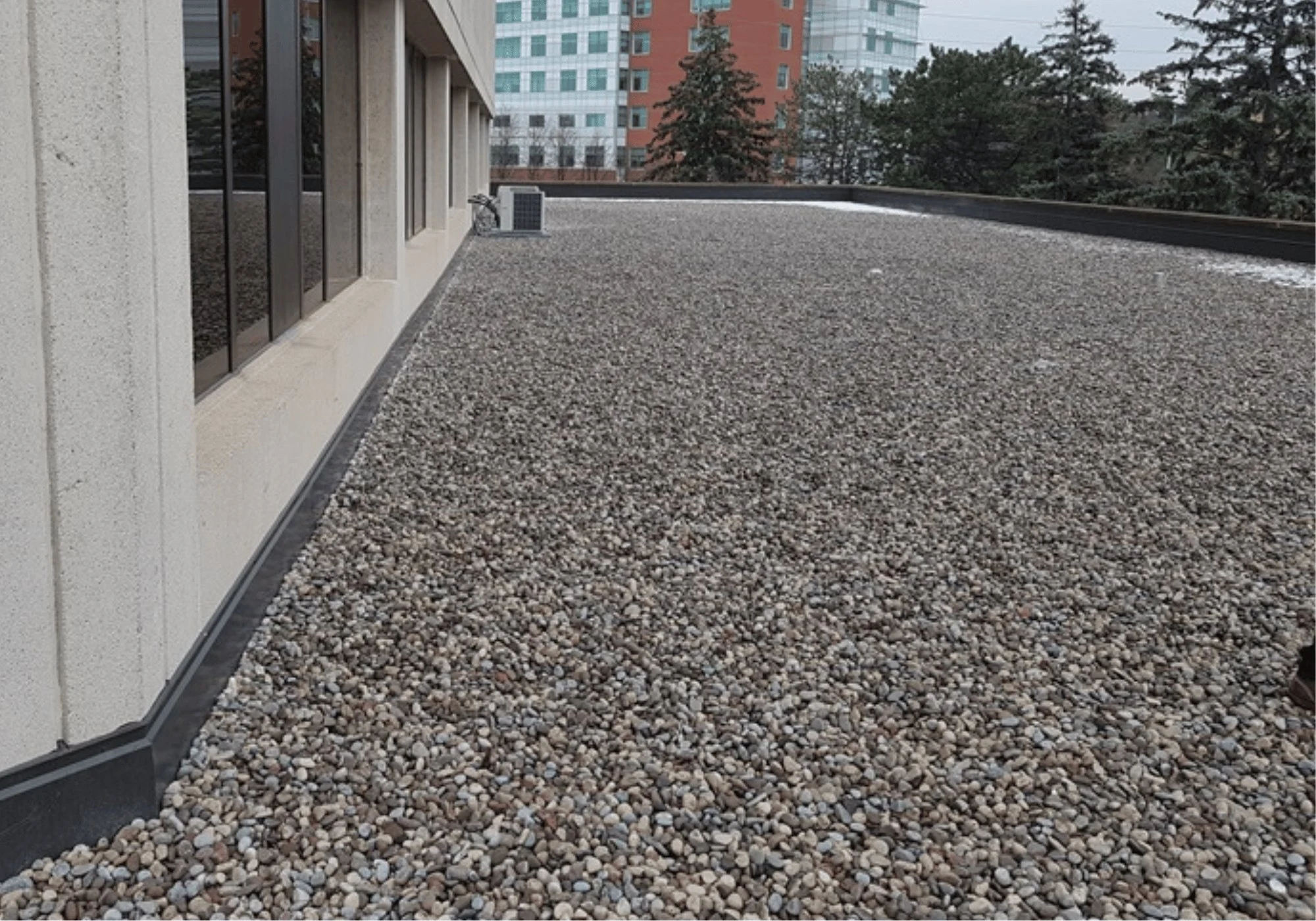
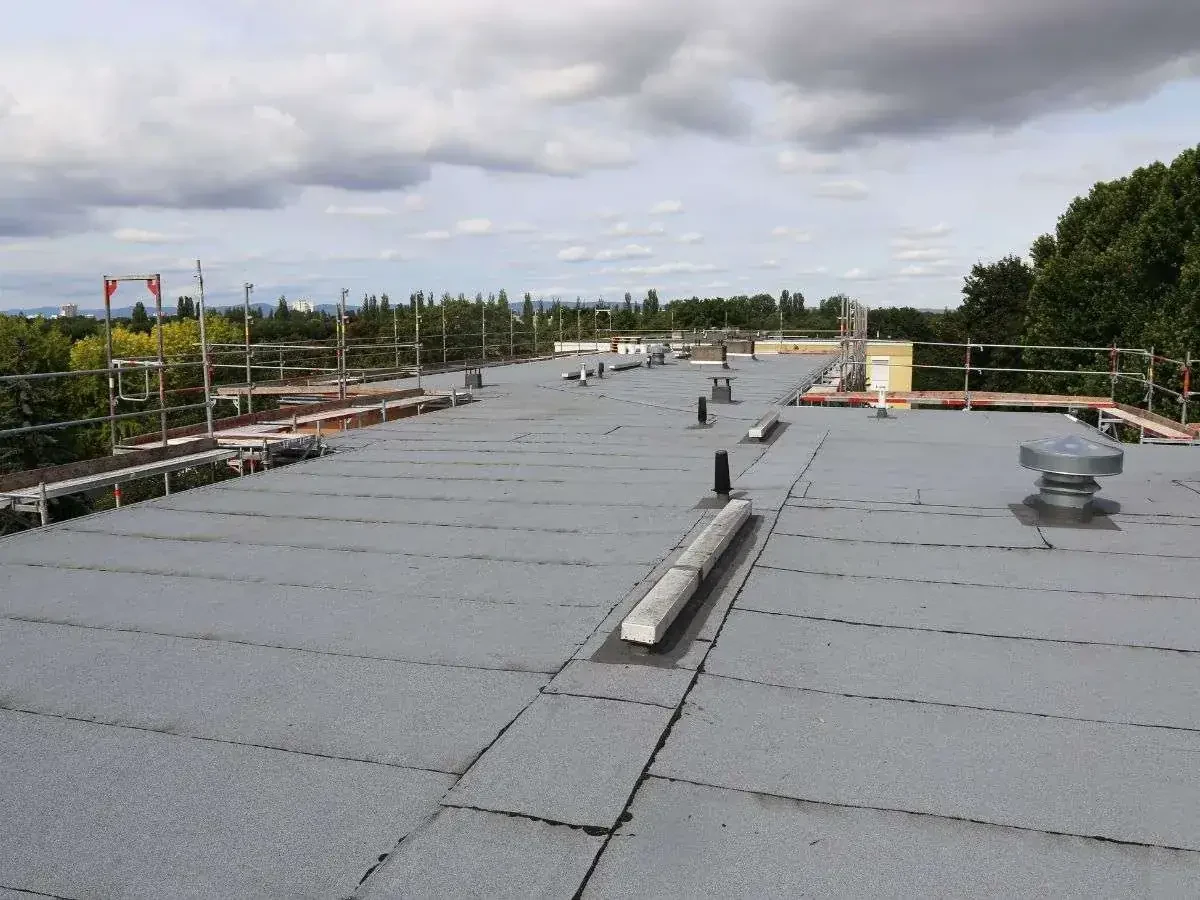
Built-up roofing - alternating layers of asphalt and felt finished with a gravel or mineral cap - is still under a fair number of Salem's older buildings, particularly around the downtown core and on university and state property that dates back several decades. Most of our BUR work now is repair, restoration, and the recover-versus-replace decision rather than new installation.
Why BUR Is Still on So Many Older Salem Roofs
Built-up roofing was the standard commercial system for most of the 20th century, and a lot of it went down on buildings that are still standing and still occupied - older state office buildings, portions of the Willamette University campus, and downtown retail buildings built out over multiple phases. The system itself, when it was installed well and the deck stayed dry, can genuinely last decades. The question we get called in for is usually whether a given roof still qualifies as installed well and staying dry, or whether decades of patching have finally caught up with it.
The Ponding Problem on Old BUR Roofs
Slope-to-drain wasn't always designed into older BUR installations the way it's required on new construction today, and Salem's rain pattern is unforgiving toward a roof with flat or reverse-sloped sections. Water that should drain within a day sits for a week instead, and gravel ballast can actually trap that water against the membrane rather than letting it run off. We map ponding areas during inspection specifically because that map tells us whether a coating will actually solve the problem or just delay a tear-off.
Assessing What's Under the Gravel
You can't evaluate a BUR roof from a walk-through alone - the gravel cap hides the membrane condition underneath it. We probe and, where needed, core-sample through the gravel and felt layers to check for wet insulation, delamination, and how much bitumen is left doing structural work versus how much has dried out and gone brittle.
Brittle bitumen shows up in the core sample as a layer that crumbles rather than bends, and it's a clear sign the roof's remaining flexibility - its ability to move with the deck through temperature swings without cracking - is close to gone. A membrane that's lost that flexibility is more likely to split at a stress point during the next hard freeze than one that's still pliable.
- Gravel cap inspection and re-surfacing where the mineral layer has thinned
- Core sampling to check deck and insulation moisture before recommending repair or replacement
- Flashing repair at parapets, curbs, and roof-to-wall transitions
- Silicone or asphaltic coating over sound, dry BUR substrates
- Full tear-off and replacement where the deck has taken on water
When a Coating Extends BUR Life and When It Doesn't
A coating over a BUR roof only works if the substrate underneath is dry. Coating a wet roof traps moisture that's already there and can accelerate deck damage rather than stop it - we've inspected roofs where a previous coating job did exactly that. If the core samples come back dry, a coating can reasonably extend a BUR roof's service life at a fraction of tear-off cost. If they come back wet, we say so, even when it's not what the owner wants to hear.
Budgeting for a BUR Roof on a Public Timeline
A lot of the older BUR roofs we assess sit on state, county, or university buildings working on multi-year capital planning cycles rather than a single decisive budget approval. That timeline shapes the recommendation as much as the roof's condition does - a roof with five years of remaining life and a coating option can bridge an owner to the next capital cycle, while a roof that's already taking on water usually can't wait that long safely.
We put both the technical condition and a rough timeline into every BUR assessment specifically because Salem's public-sector building owners need that information to plan a budget request as much as to schedule a repair crew.
Common Questions About Built-Up Roofing
How do I know if my BUR roof still has life left in it?
Core sampling is the only reliable way. A roof that looks rough on the surface can have a dry, sound deck underneath, and one that looks fine can be hiding saturated insulation.
Why does my roof pond water in the same spots every year?
Usually because the original slope-to-drain design was inadequate or the deck has settled over time. Tapered insulation added during a recover can correct it; a surface coating alone usually can't.
Is gravel ballast still a good option today?
It has tradeoffs. It protects the membrane from UV, but it also hides problems and can trap water against seams if drainage is already marginal.
Can you coat a BUR roof without removing the gravel?
Generally no - loose gravel has to be removed or embedded properly before a coating will adhere and perform correctly.
How long does a recovered BUR roof last afterward?
A properly executed recover with tapered insulation and a new cap system can add 15 to 20 years, provided the original deck was dry and sound before the work started. We revisit the recovered roof on a regular inspection schedule afterward rather than treating the project as finished the day the crew leaves, since catching a new issue early is what makes that extended service life realistic in the first place.
Assessment Priorities
Membrane condition, seams, flashings, penetrations, drains, scuppers, edge metal, rooftop equipment, traffic patterns, and visible moisture evidence are reviewed together before a repair, coating, recover, or replacement path is recommended.
Planning Around the Facility
Access, staging, noise, odor, delivery windows, weather protection, occupied spaces, interior protection, and daily dry-in procedures are planned for the way the commercial property must continue operating.
From Findings to a Clear Scope
Observed conditions are documented so building owners and facility teams can compare immediate repairs, maintenance priorities, system options, budget timing, and closeout requirements without losing sight of the building below the deck.
Ready to review the roof scope?
Commercial Roofing Services
1 of 2
Commercial Roofing Across the Salem Area