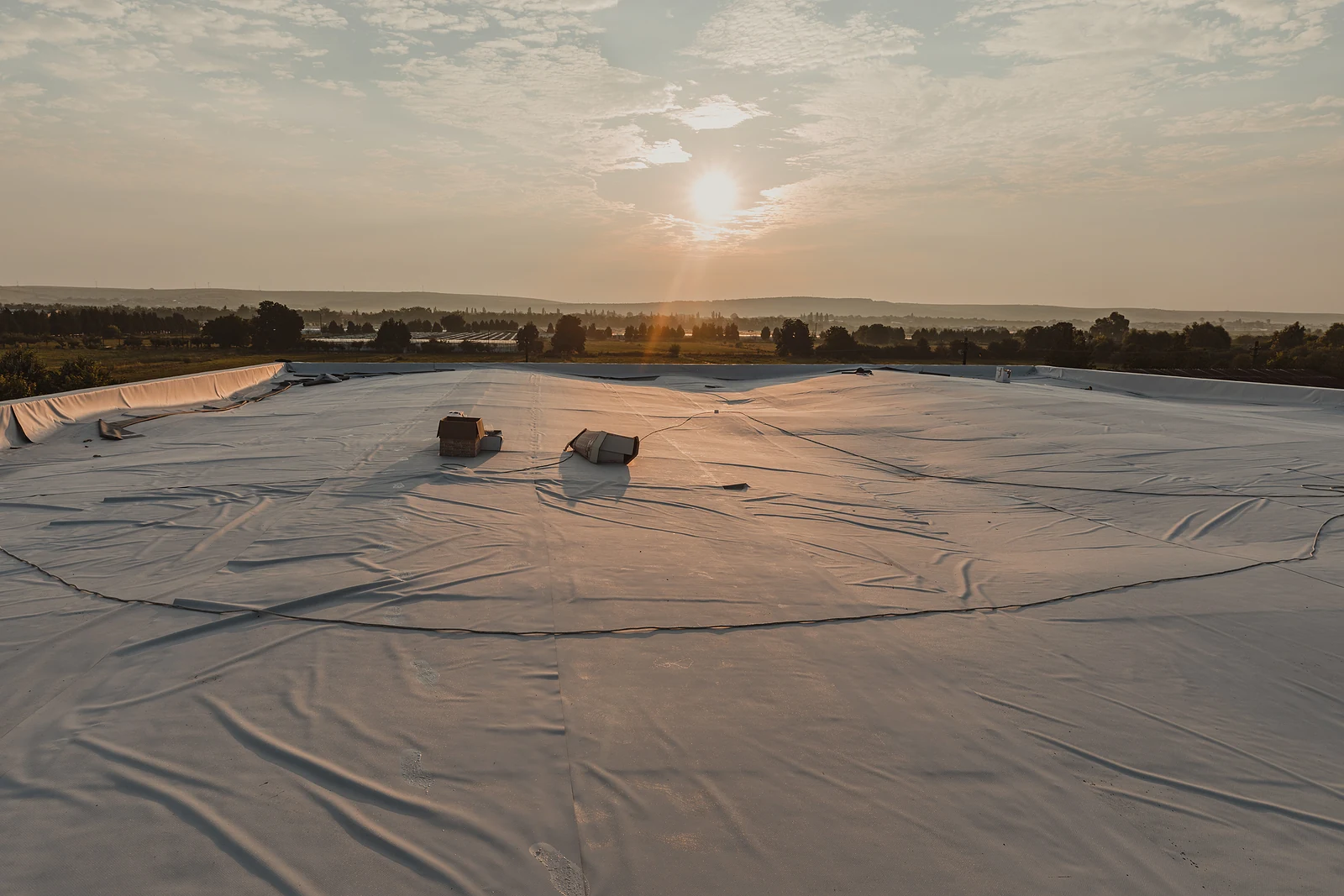
Edge Metal, Coping & Gutters in Salem, OR
Commercial Roofing ServicesServing Salem and the central Willamette Valley
Request a Roof Assessment
Commercial roofing in Salem, Oregon
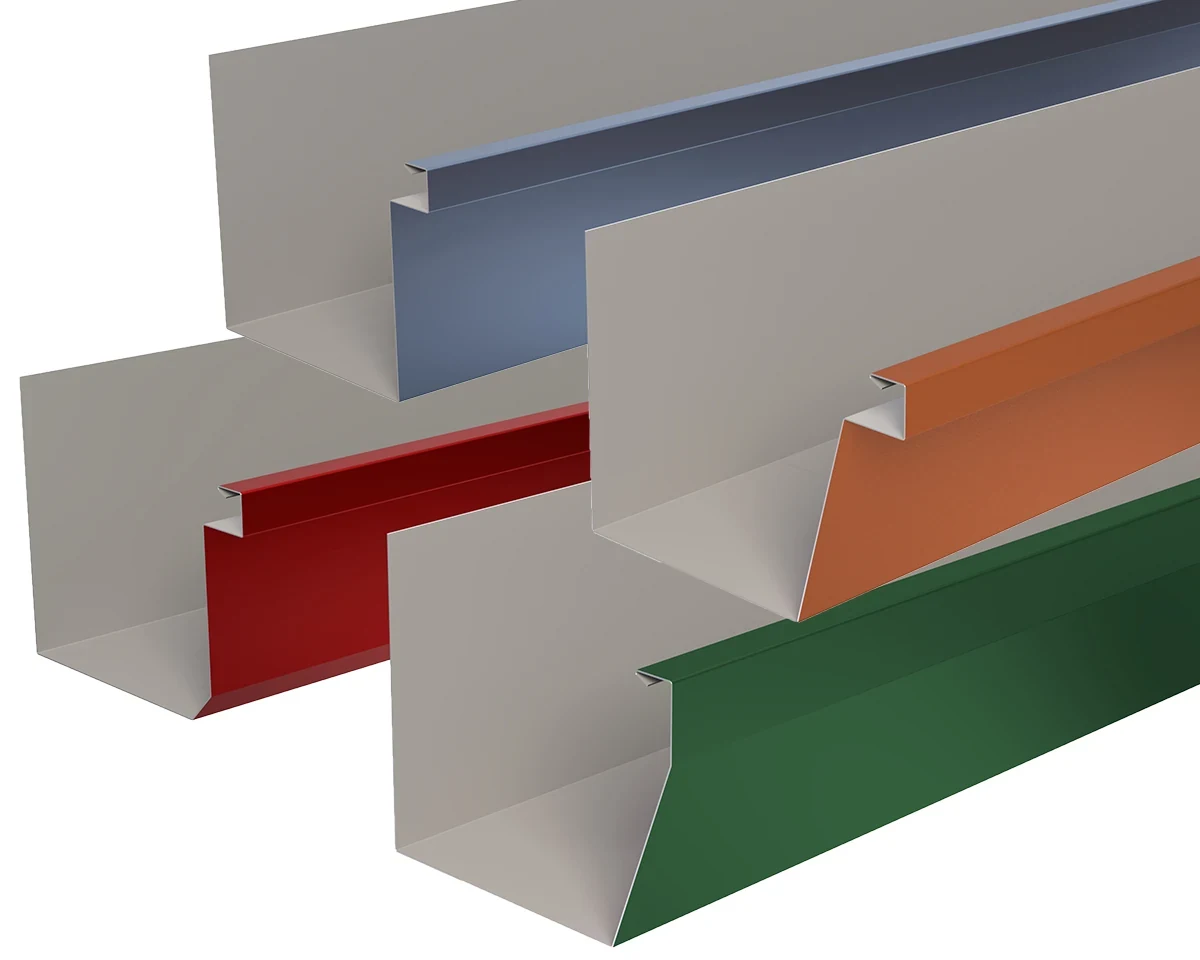
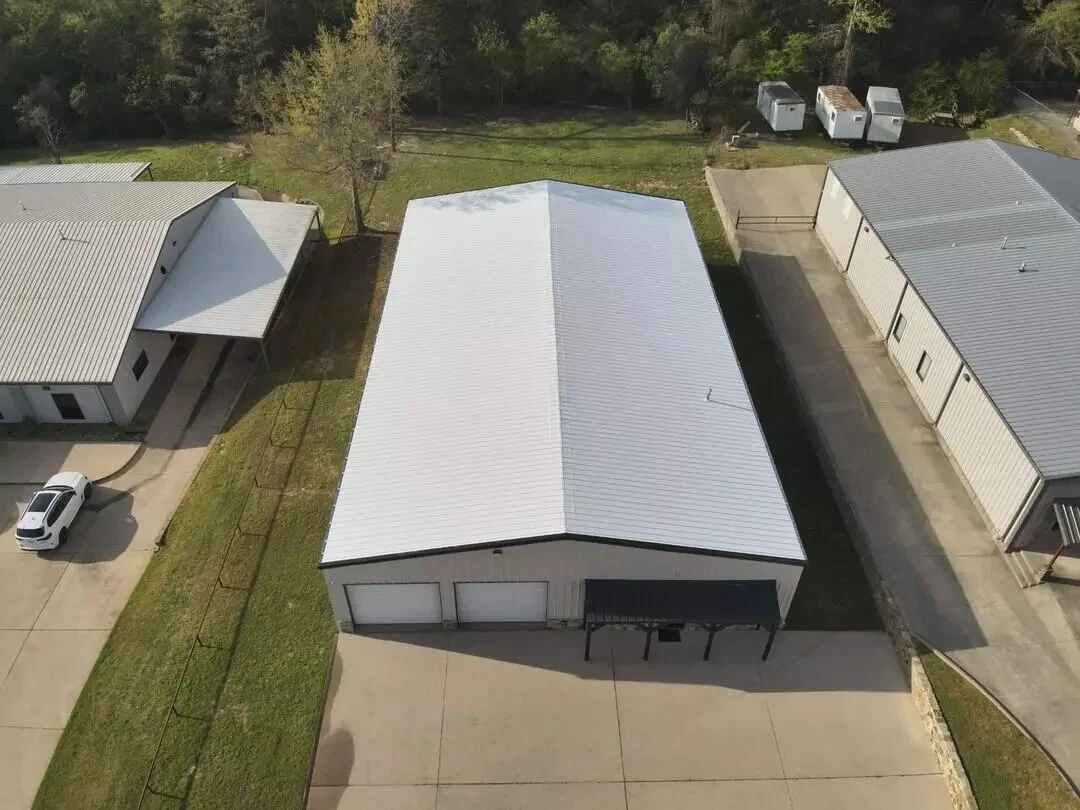
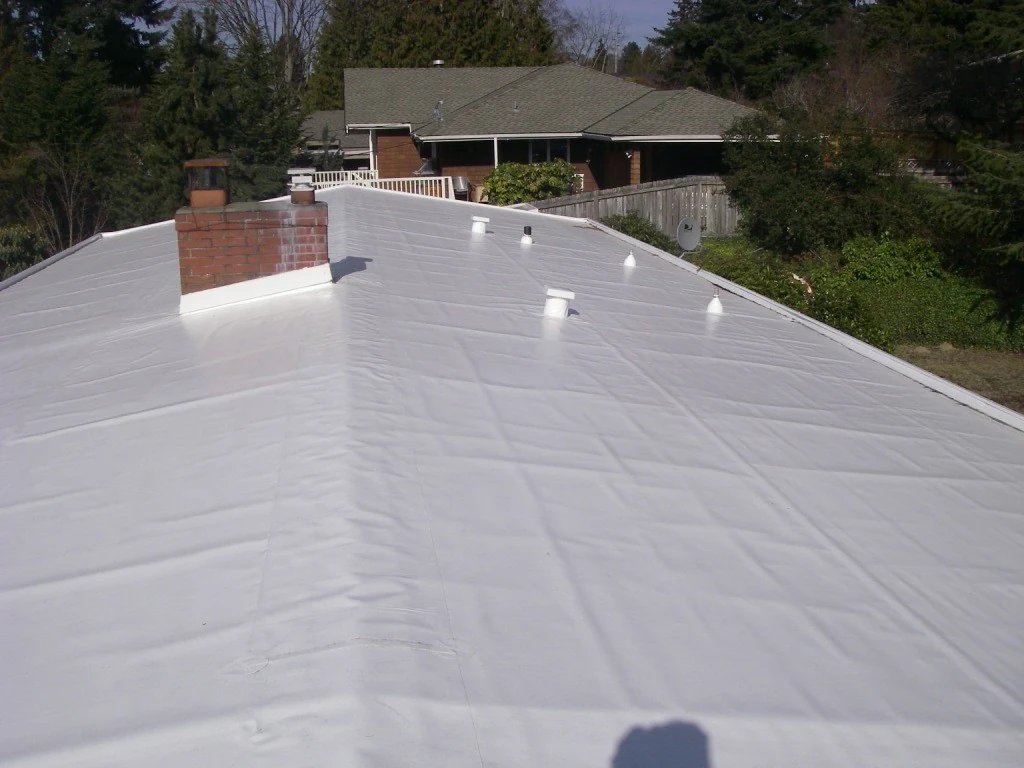
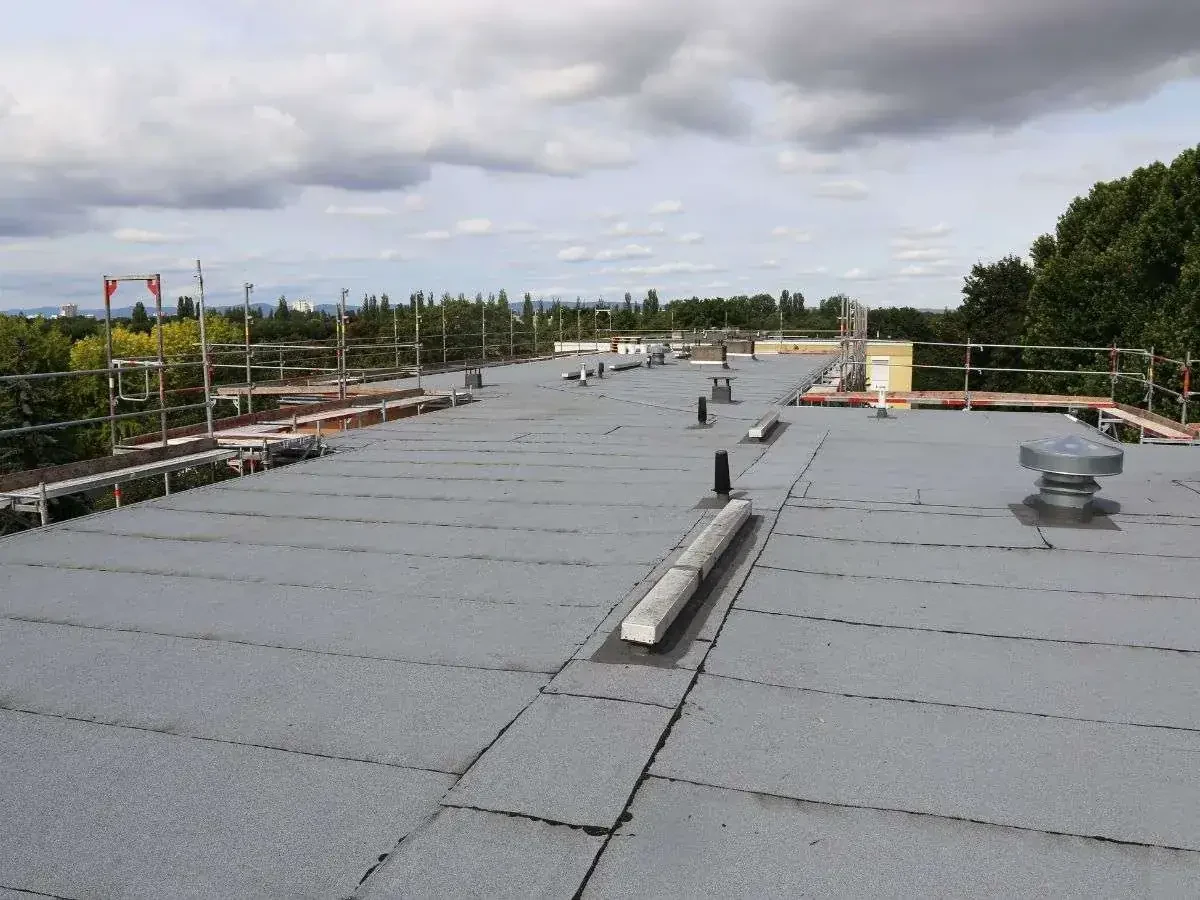
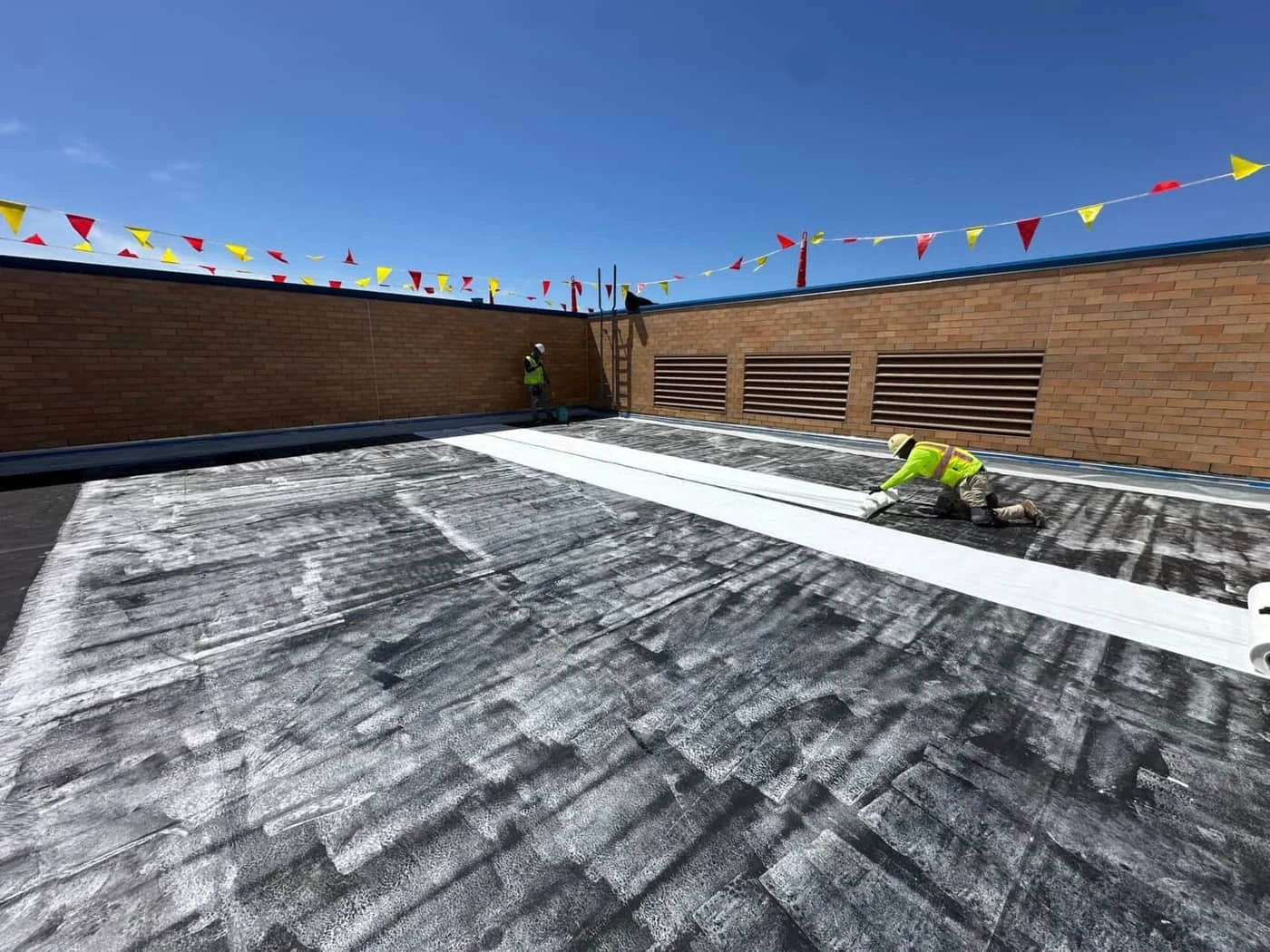
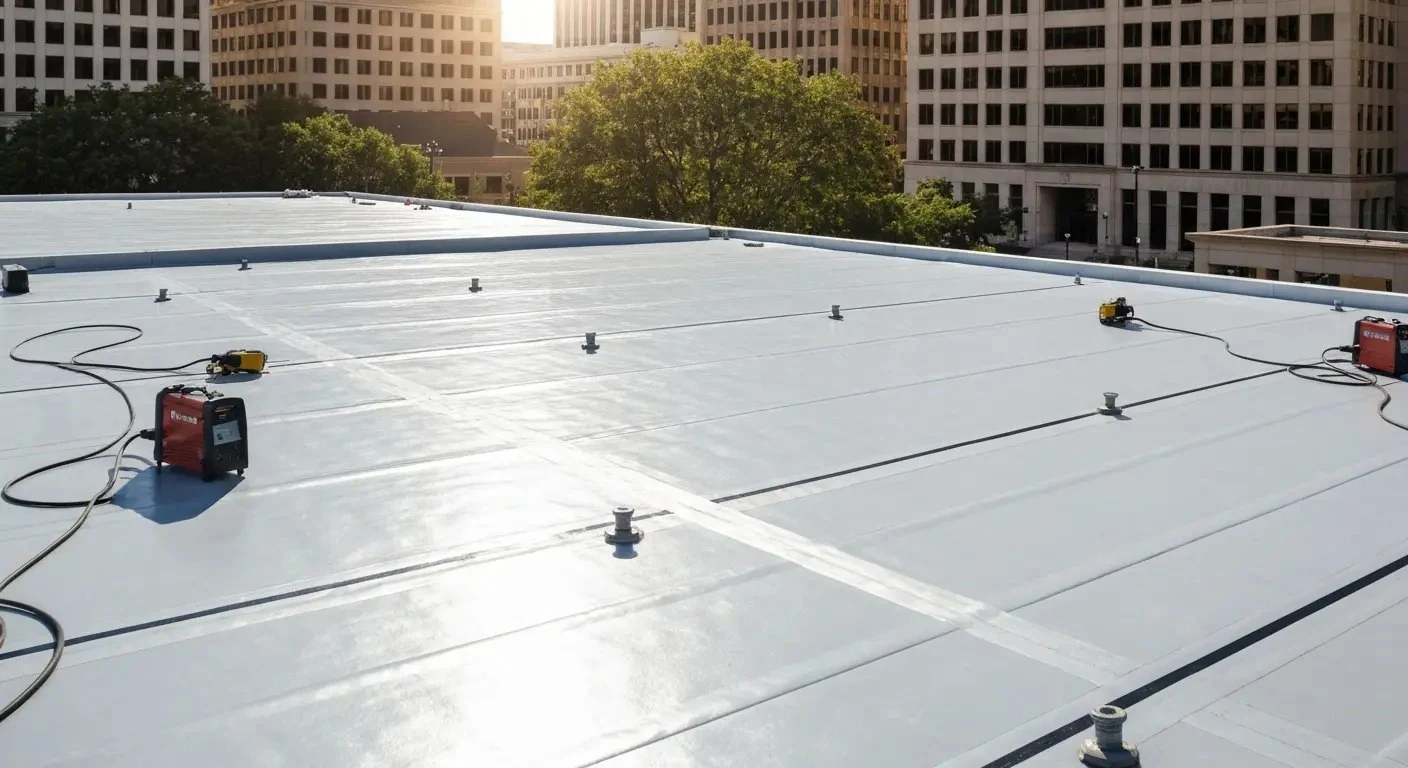
Edge metal, coping, and gutter repair in Salem, OR: the roof-edge details that carry the real workload during a nine-month wet season, and where they fail first.
Commercial Roofing Assessment Framework
Document
Membrane and seams
Trace
Drainage and water paths
Review
Flashings and penetrations
Compare
Repair, recover, coating, replacement
Plan
Access, staging, weather protection
Protect
Occupants, equipment, and operations
Close Out
Photos, details, records, priorities
Edge Metal, Coping & Gutters in Salem, OR: Roofing Detail
The Roof Edge Details That Do the Real Work in This Climate
Most leak conversations focus on the membrane field, but a large share of the water problems we're called out for actually start at the edge: coping that's worked loose, gutters that overflow instead of draining, or edge metal fasteners that have backed out a fraction of an inch at a time. In a climate that stays wet for most of the year, these details carry more of the workload than owners usually realize.
Coping Joints Move More Than People Expect
Metal coping caps parapet walls and expands and contracts with every temperature swing through the year. Over repeated cycles, the fasteners holding coping sections and the sealant at the joints between sections both loosen gradually. A coping joint that's opened even slightly lets wind-driven rain in behind the parapet wall, which can travel down inside the wall assembly for a surprising distance before it ever shows up as a visible leak inside the building.
We check coping fastener spacing and joint sealant condition as a routine part of any roof inspection here, because this is exactly the kind of gradual failure that doesn't announce itself until water has already been getting in for a season or two.
Gutters That Can't Keep Up With Sustained Rain Volume
Salem doesn't get intense short-burst downpours as often as some climates, but it gets sustained volume across long rain events, and a gutter system sized or maintained for a lighter climate can overflow during an extended storm even without a single dramatic rain rate. Overflow at a gutter seam or end cap sends water directly down a building's exterior wall or, worse, back up under an edge detail it was never meant to reach.
Downtown buildings near the Commercial and Liberty Street corridor with older gutter systems are especially prone to this, since decades of minor repairs and repaints can leave a gutter with more seams and patch points than the original design intended, each one a potential overflow or leak source.
Edge Metal Failure Is Almost Always Gradual, Not Sudden
Drip edge and edge metal fasteners loosen the same way coping fasteners do, through repeated thermal movement rather than any single event. A section of edge metal that's lifted even slightly gives wind a place to catch and can peel further with each subsequent storm if it isn't caught early. We treat edge metal condition as a leading indicator worth checking on its own, rather than something noticed only in passing during a membrane inspection.
On industrial buildings along Highway 22 and near the Mill Creek Corporate Center, edge metal often takes additional wear from loading dock traffic and equipment staged near the building perimeter, which we factor into how often we recommend checking those specific edges.
- Coping fastener spacing and joint sealant condition, checked across every parapet section
- Gutter flow test during or immediately after a sustained rain event, beyond a dry-weather visual check
- Edge metal fastener check for gradual loosening, especially on windward building faces
- Downspout and outlet condition, confirming water actually leaves the roof area instead of pooling at grade
- Sealant joint condition at coping seams and end caps, replaced before failure rather than after a leak
- Repair or replacement recommendation with clear photos showing the specific failure point
Repair Versus Full Replacement at the Edge
Not every edge issue needs full replacement. Loosened coping fasteners can often be re-secured and resealed for a fraction of replacement cost, provided the metal itself isn't corroded through. Gutters with isolated seam failures can be patched, but a gutter system with more than a couple of failure points across its length usually isn't worth patching piecemeal, and we say so directly rather than stretching out a repair-only approach that keeps generating service calls.
We give owners a straight comparison of repair cost against replacement cost when a system is borderline, including how many more seasons a repair is realistically likely to hold, so the decision isn't made on price alone.
For institutional buildings around the Capitol Mall where edge metal and coping runs are long and continuous, we sometimes recommend replacing an entire elevation at once rather than patching individual sections over several years, since matching new metal to weathered existing runs gets harder each time a smaller repair is done in isolation.
Edge Metal, Coping, and Gutter Questions We Get
How often should coping and edge metal be checked?
We recommend checking it during every annual inspection, since fastener loosening happens gradually and is easy to miss without a specific check. Buildings with heavy thermal cycling or wind exposure may need more frequent checks.
Why does my gutter overflow even without heavy rainfall?
Sustained rain volume over a long event can exceed a gutter's capacity even without a high hourly rate, especially if debris or a partial blockage is already reducing flow. We test flow during active rain when possible to catch this.
Can a loose coping section really cause a leak inside the building?
Yes. Wind-driven rain gets behind an open coping joint and can travel down inside the parapet wall assembly before showing up as an interior leak, sometimes well below where the actual opening is.
Is it cheaper to repair or replace an old gutter system?
It depends on the extent of failure. A gutter with one or two isolated problems is usually worth repairing. One with failures at multiple points along its length is often better replaced, and we'll tell you honestly which situation you're in.
Do you check edge details during a routine roof inspection?
Yes, coping, edge metal, and gutter condition are standard parts of our inspection scope, not an add-on, because they're common failure points here.
Assessment Priorities
Membrane condition, seams, flashings, penetrations, drains, scuppers, edge metal, rooftop equipment, traffic patterns, and visible moisture evidence are reviewed together before a repair, coating, recover, or replacement path is recommended.
Planning Around the Facility
Access, staging, noise, odor, delivery windows, weather protection, occupied spaces, interior protection, and daily dry-in procedures are planned for the way the commercial property must continue operating.
From Findings to a Clear Scope
Observed conditions are documented so building owners and facility teams can compare immediate repairs, maintenance priorities, system options, budget timing, and closeout requirements without losing sight of the building below the deck.
Ready to review the roof scope?
Commercial Roofing Services
1 of 2
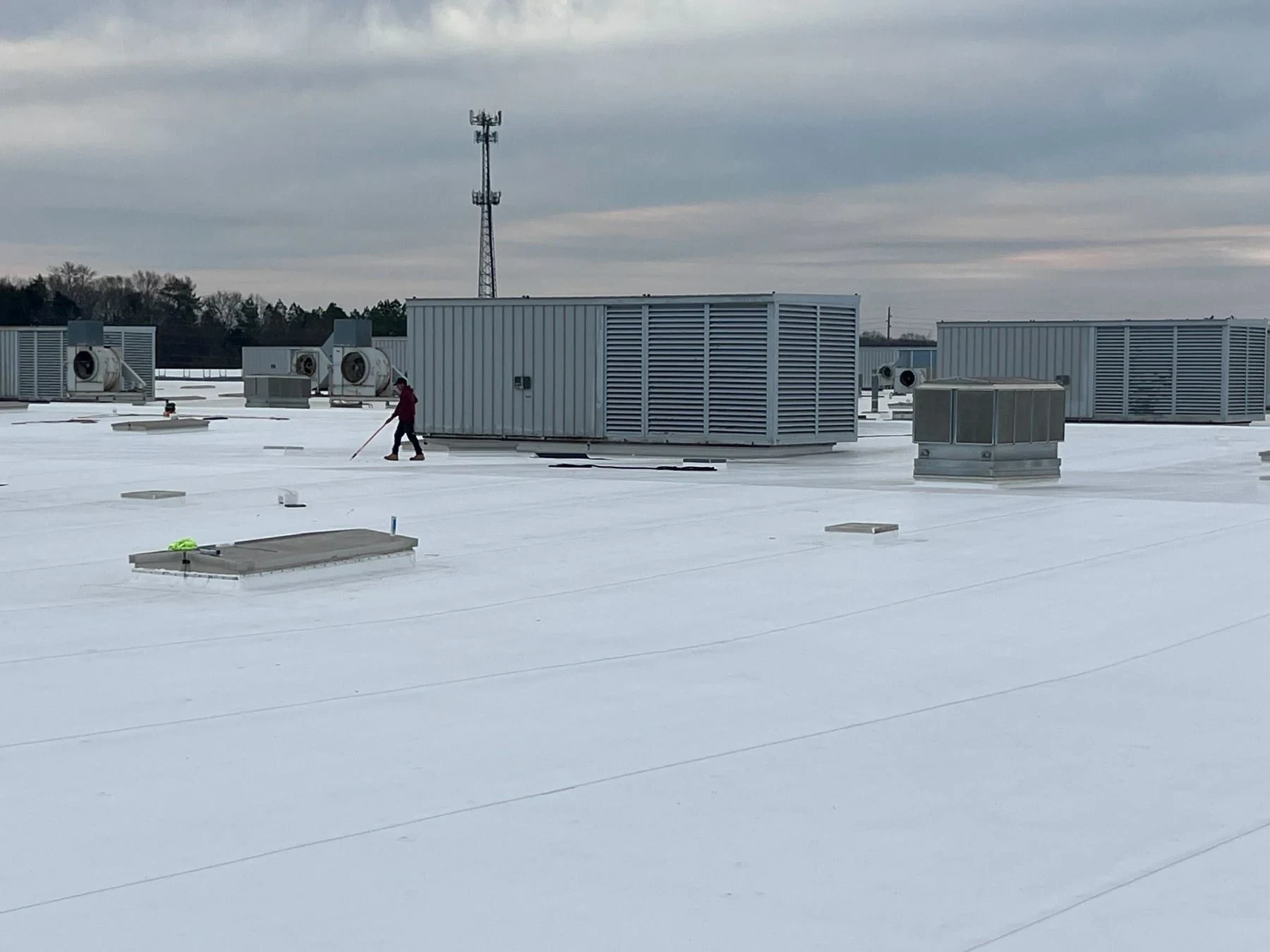
Commercial Roofing Across the Salem Area