EPDM Commercial Roofing in Salem, OR
Commercial Roofing ServicesServing Salem and the central Willamette Valley
Request a Roof Assessment
Commercial roofing in Salem, Oregon
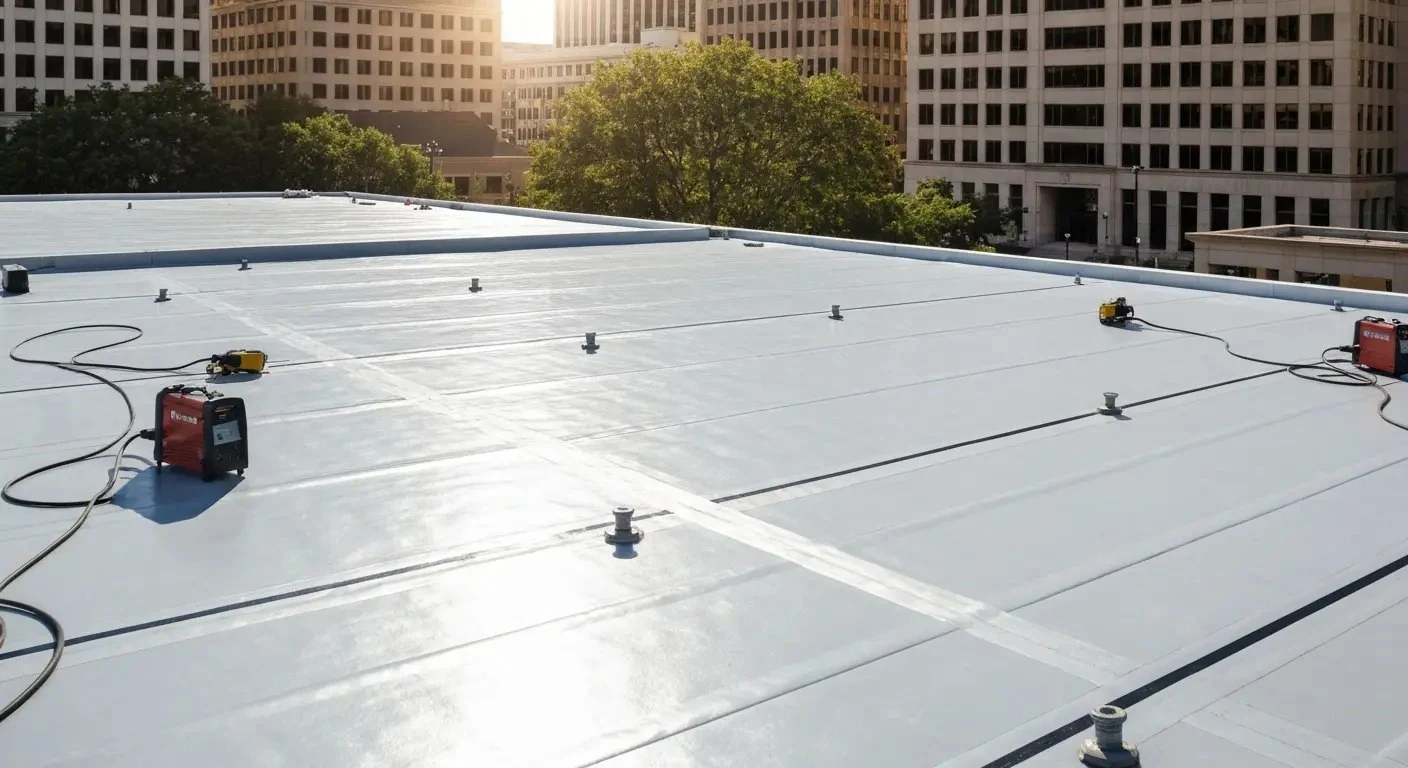
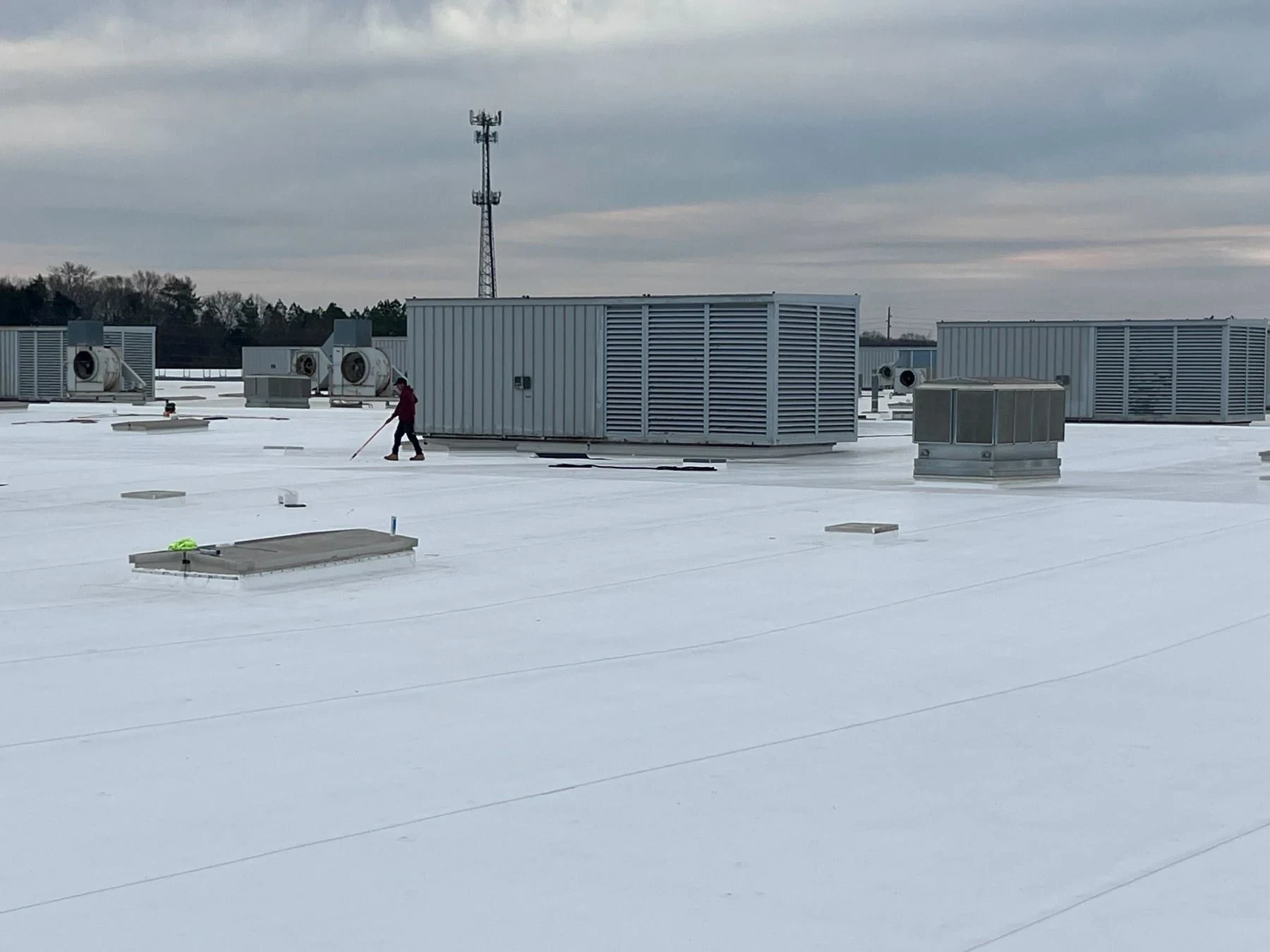
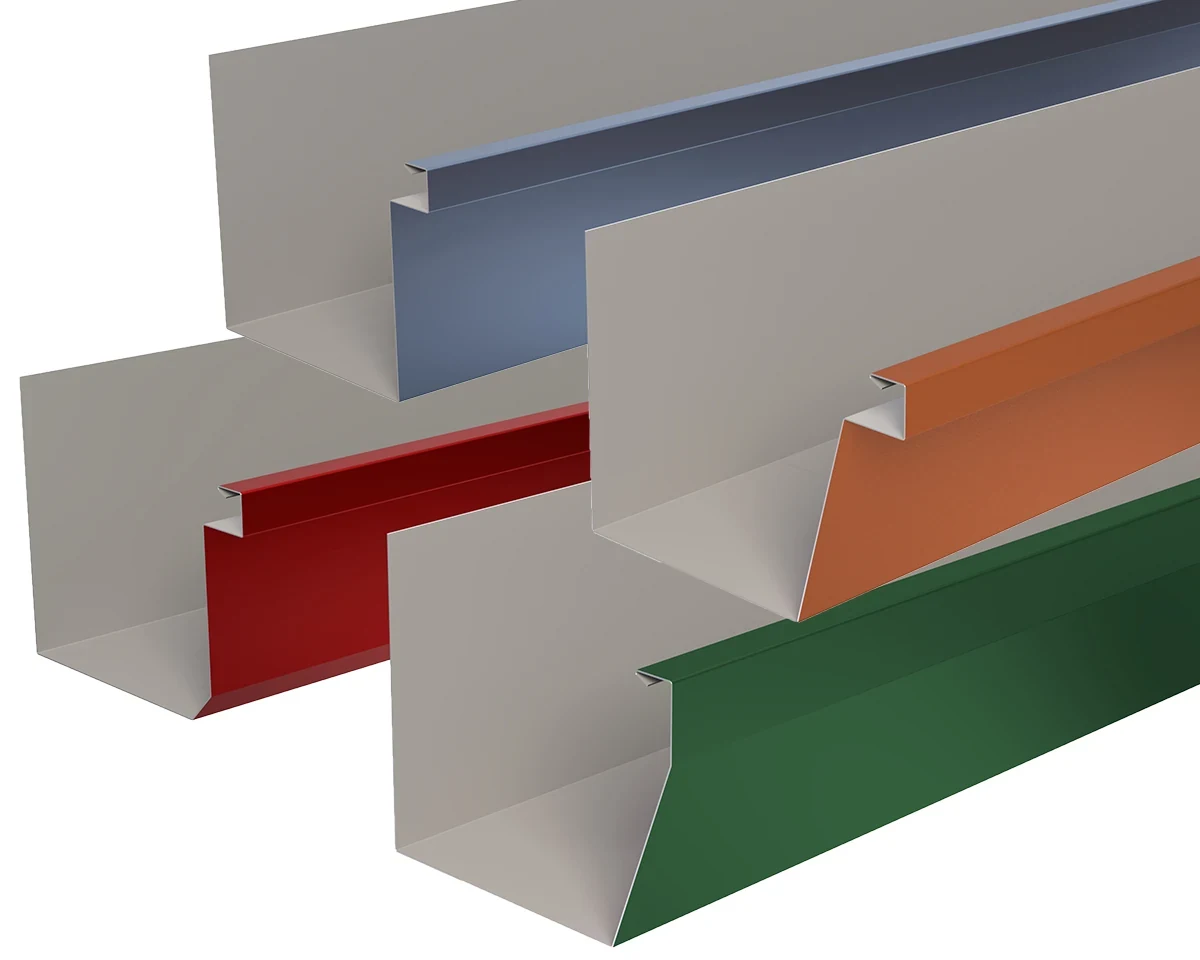
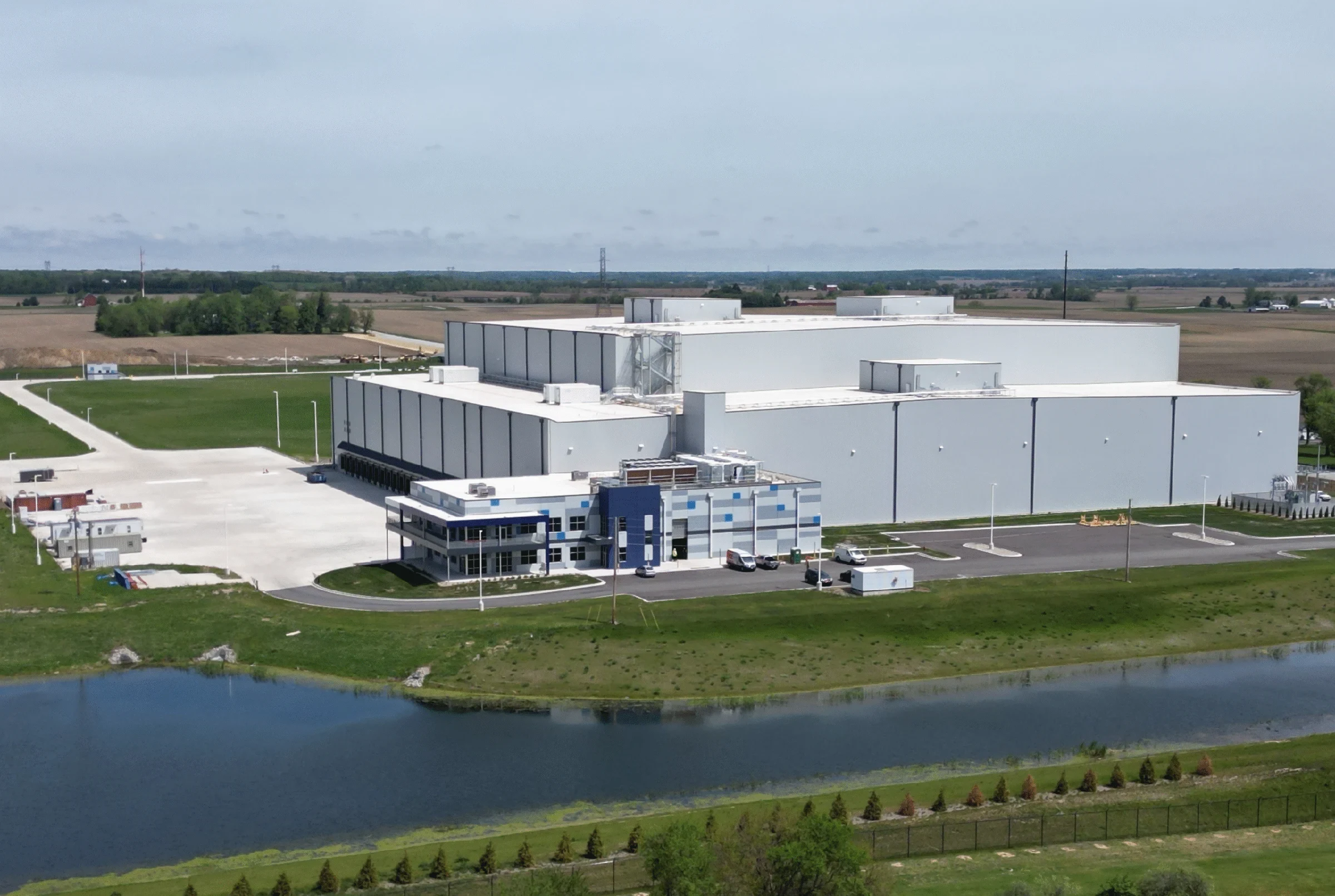
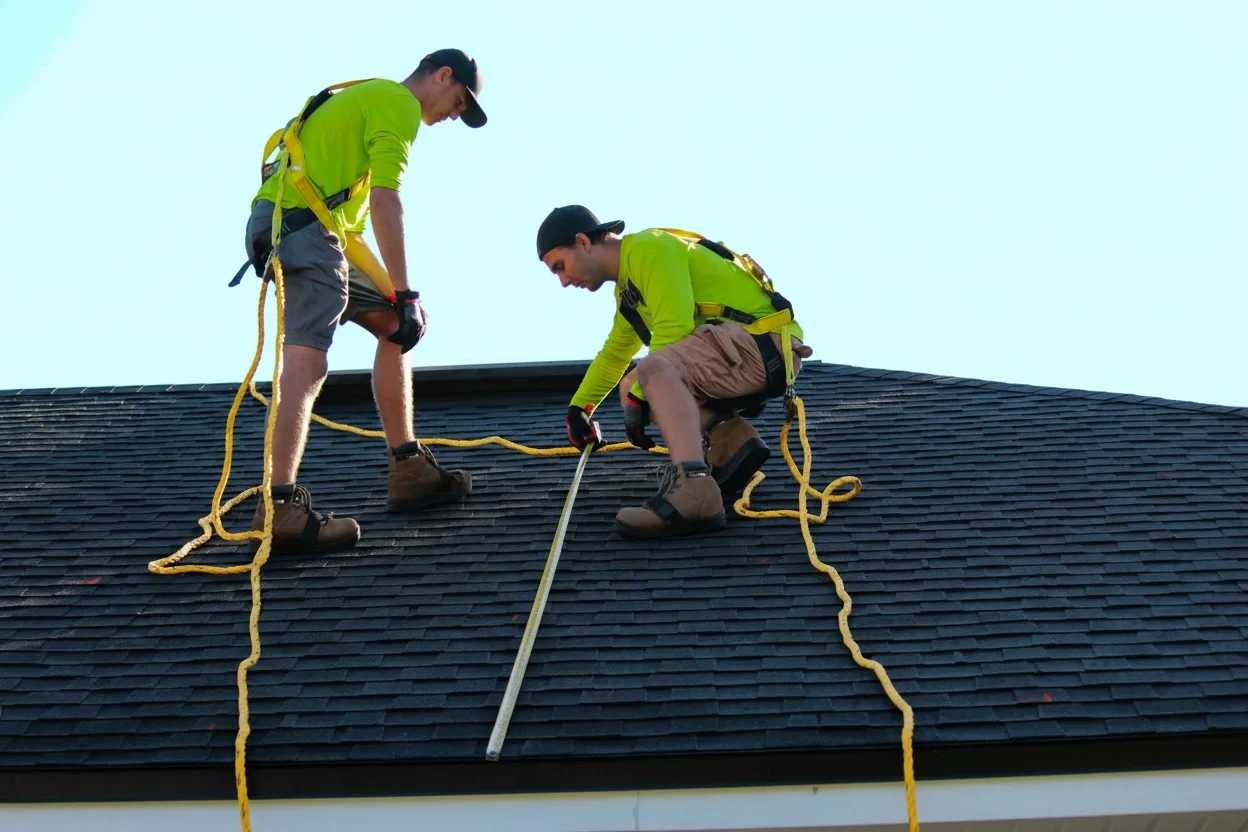
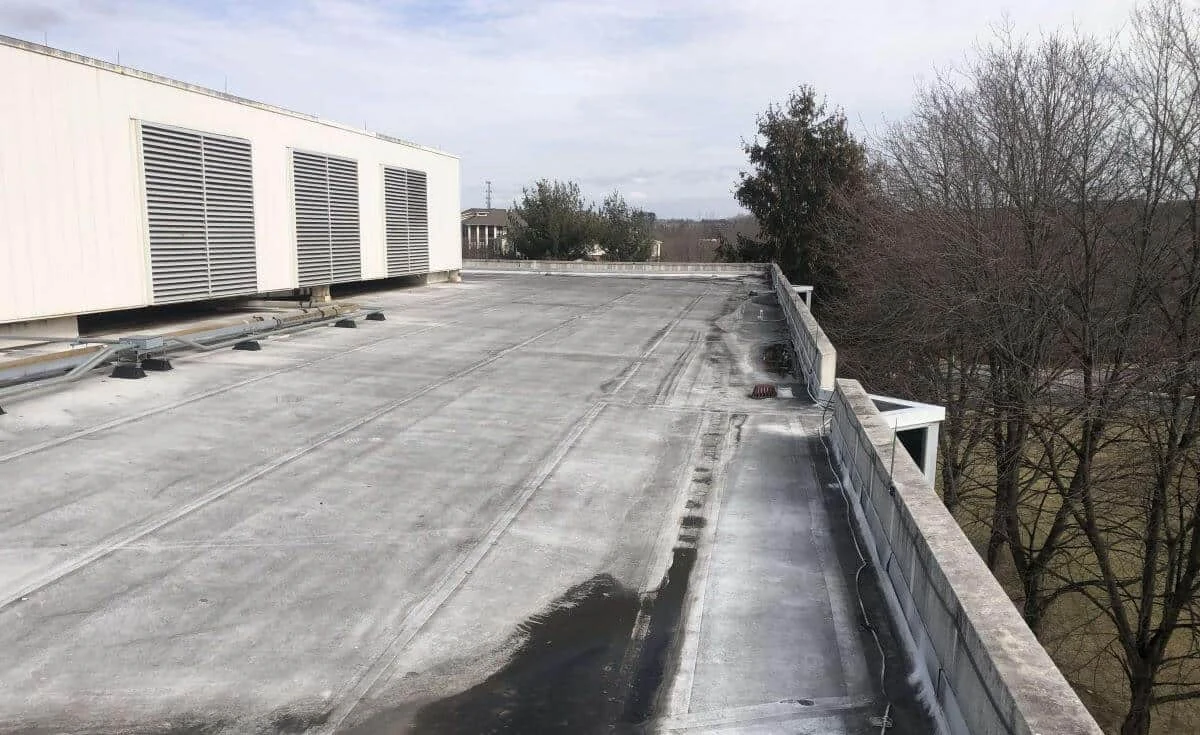
EPDM rubber roof installation, seam maintenance, and repair for Salem's older and irregular commercial roofs, from downtown retrofits to campus buildings.
Commercial Roofing Assessment Framework
Document
Membrane and seams
Trace
Drainage and water paths
Review
Flashings and penetrations
Compare
Repair, recover, coating, replacement
Plan
Access, staging, weather protection
Protect
Occupants, equipment, and operations
Close Out
Photos, details, records, priorities
EPDM Commercial Roofing in Salem, OR: Roofing Detail
EPDM Rubber Roofing for Salem's Older and Irregular Roofs
EPDM is the membrane we reach for on roofs that don't fit a standard rectangle - additions built onto older buildings, roofs with dozens of penetrations, and retrofits where matching a new membrane to decades-old flashing detail matters more than raw material cost.
Where EPDM Still Makes Sense
A lot of Salem's institutional building stock - university buildings near Willamette, older state office buildings around the Capitol, and mixed-vintage retail centers - was built up over decades rather than in one phase. That leaves roofs with odd transitions, multiple roof heights, and equipment added long after the original roof went in. EPDM's flexibility and field-seamed sheets handle that kind of irregular geometry better than a rigid single-ply system designed for open fields.
It's also a common choice where an owner wants a ballasted system - loose stone or paver ballast holding the membrane in place instead of mechanical fasteners or full adhesive - which can be the right call on a structurally sound deck that can carry the extra weight.
The Seam Question Owners Should Ask
EPDM seams are typically taped rather than heat-welded, and that's the detail we get the most questions about. Seam tape performs well when it's installed correctly and inspected on a schedule, but it ages differently than a welded seam - it can start to lift at the edges after enough freeze-thaw cycling and prolonged wet exposure. In Salem's climate, that means EPDM roofs need seam inspection built into a maintenance plan rather than a single install-and-walk-away visit.
We've seen seam tape hold up thirty years on a well-maintained roof and fail within five on a roof where drainage was poor to begin with. The tape isn't the variable most owners assume it is - how long water sits against it usually matters more than the age of the installation itself.
Moss and Algae on Black Membrane
Dark EPDM absorbs more heat than a white membrane, which sounds like an advantage against moisture until you notice how much of Salem's roof stock sits partly shaded by adjacent buildings or tree cover, especially on older campus and downtown properties. Shaded sections of black membrane that stay damp through the wet season grow moss and organic buildup faster than sun-exposed areas, and that buildup holds water against seams instead of letting it drain off.
We clear organic growth as part of routine EPDM maintenance rather than waiting for it to become visible from the ground, since by the time moss is obvious from a parking lot it's usually been building up under the membrane's surface texture for at least a season or two. A roof washed and cleared every couple of years drains noticeably faster in a heavy storm than one that's gone untouched.
- Ballasted EPDM for structurally sound, low-slope decks
- Fully adhered EPDM for roofs needing better wind resistance
- Mechanically attached EPDM for lighter-weight deck assemblies
- Seam tape inspection and re-taping as part of scheduled maintenance
- Spot repairs around older penetrations without disturbing the whole field
Repair Versus Full Replacement
Because EPDM roofs in Salem are often 15, 20, or more years into their service life by the time we're called out, a lot of our EPDM work is repair and maintenance rather than new installation. We'll tell you plainly when a roof still has useful life left in it with targeted seam and flashing repair, and when the membrane itself has degraded to the point that patching is just delaying an inevitable replacement.
Ballasted Systems and Wind Considerations
Ballasted EPDM works well on a structurally sound deck, but not every existing building was designed to carry the extra dead load stone or paver ballast adds. Before recommending a ballasted system on a retrofit, we confirm the structure can handle the additional weight - skipping that step is how you end up with a roof assembly the building was never engineered to support.
Wind exposure on Salem's more open industrial and commercial sites also factors into the decision between ballasted, mechanically attached, and fully adhered EPDM. A building near open fields or elevated terrain on the valley's edge sees more sustained wind load than one tucked between neighboring structures downtown, and we size the attachment method to the site rather than defaulting to whichever system is fastest to install.
Frequently Asked Questions
Is EPDM still a good choice for a new roof today?
It can be, especially on irregular or complex roof geometries. For large open roof fields, TPO or PVC often make more sense given the seam-welding advantage.
How do I know if my EPDM seams need attention?
Lifted or curled tape edges, visible daylight at a seam from below, or a pattern of leaks that moves around after rain are all signs worth a proper inspection rather than a one-off patch.
Does moss on my roof actually cause damage?
Yes, over time. It holds moisture against the membrane and seams longer than the surface would otherwise stay wet, which accelerates degradation in the areas it colonizes.
Can a ballasted EPDM roof be walked on for maintenance?
Yes, but loose ballast should be moved carefully and put back in place, and any technician working on it should know to avoid dragging stone across the membrane surface.
How long can an EPDM roof last with good maintenance?
Well-maintained EPDM systems can run 20 to 30 years, though that range depends heavily on seam condition, drainage, and how consistently the roof gets inspected.
Assessment Priorities
Membrane condition, seams, flashings, penetrations, drains, scuppers, edge metal, rooftop equipment, traffic patterns, and visible moisture evidence are reviewed together before a repair, coating, recover, or replacement path is recommended.
Planning Around the Facility
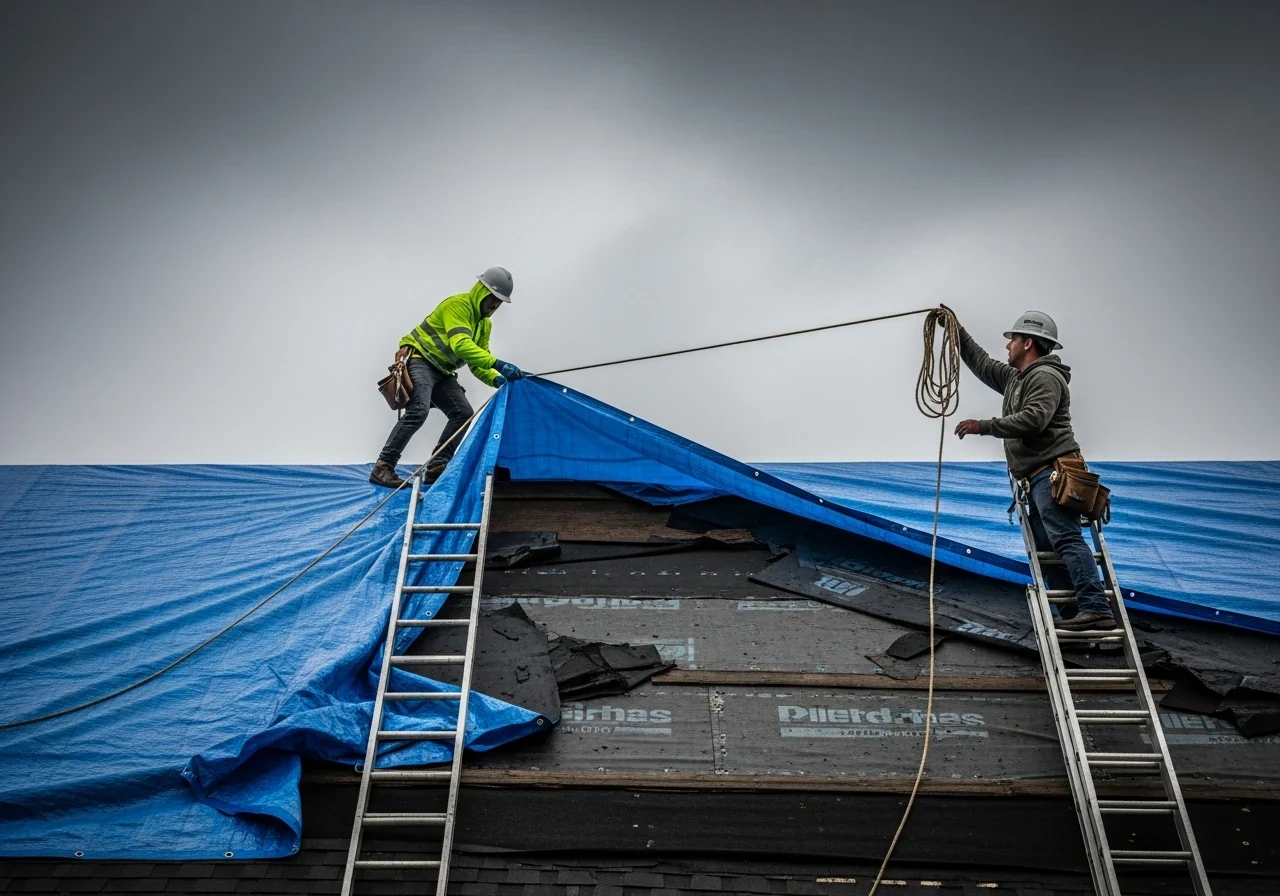
Access, staging, noise, odor, delivery windows, weather protection, occupied spaces, interior protection, and daily dry-in procedures are planned for the way the commercial property must continue operating.
From Findings to a Clear Scope
Observed conditions are documented so building owners and facility teams can compare immediate repairs, maintenance priorities, system options, budget timing, and closeout requirements without losing sight of the building below the deck.
Ready to review the roof scope?
Commercial Roofing Services
1 of 2
Commercial Roofing Across the Salem Area