Roof Insurance Documentation Support in Salem, OR
Commercial Roofing ServicesServing Salem and the central Willamette Valley
Request a Roof Assessment
Commercial roofing in Salem, Oregon
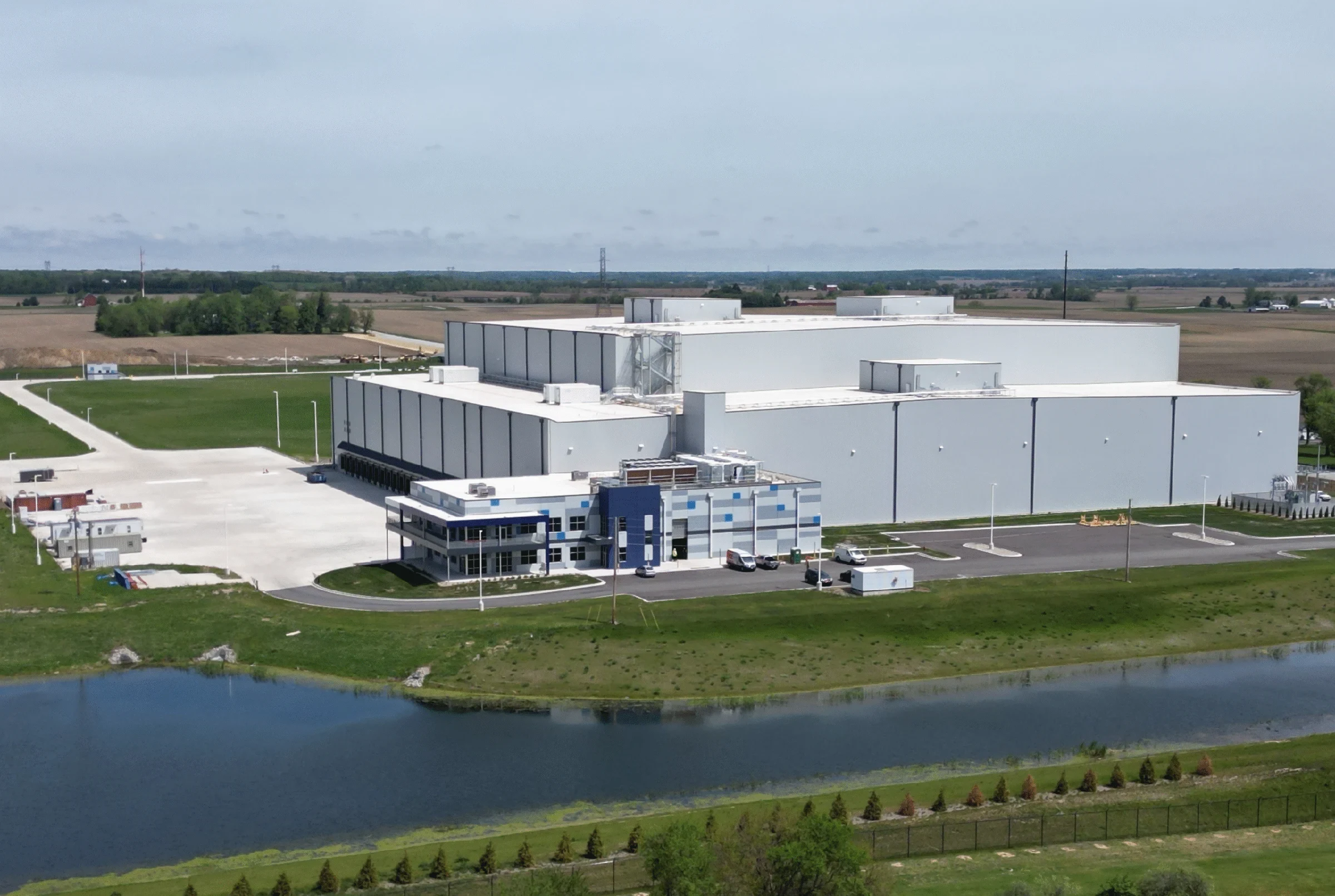
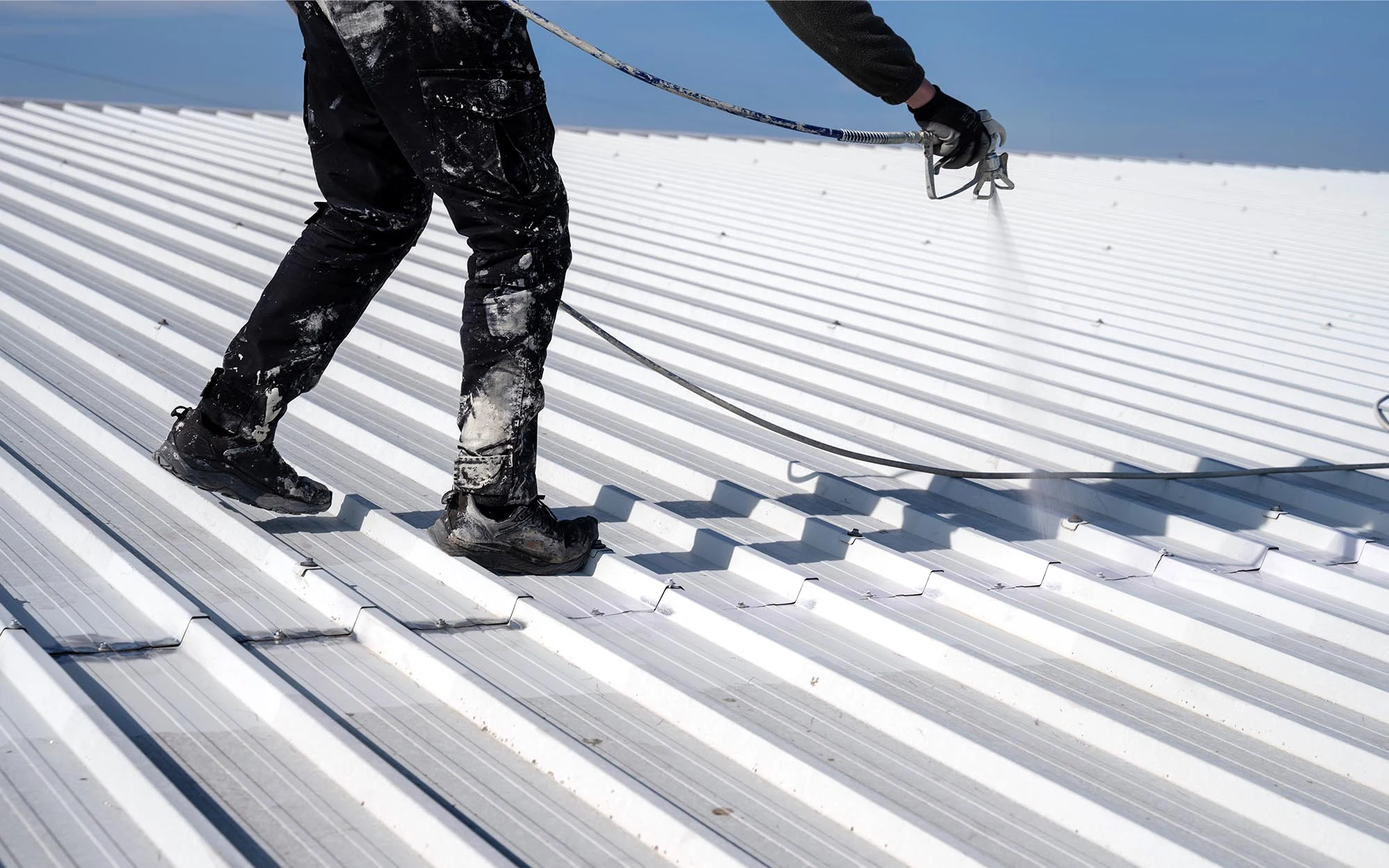
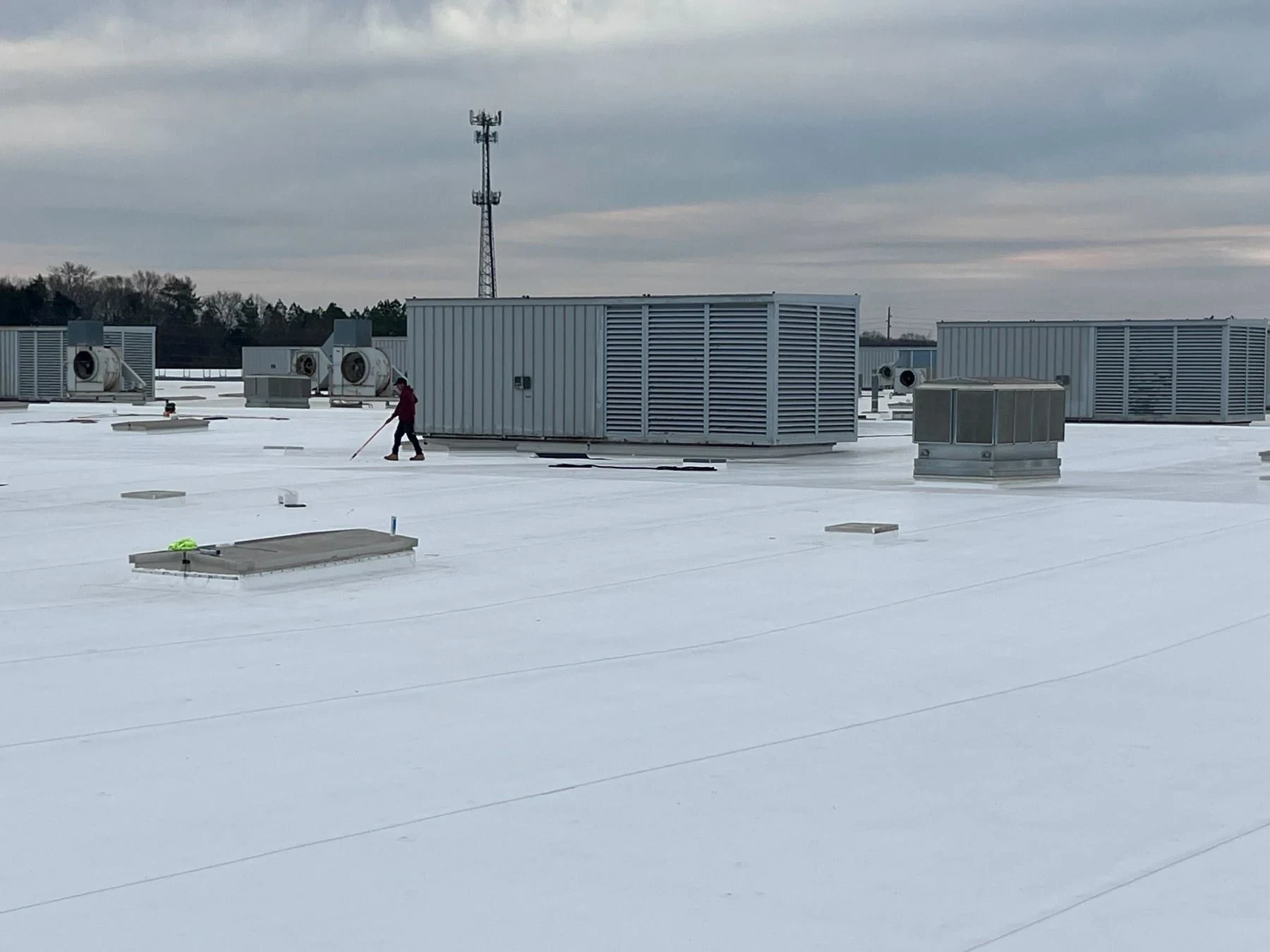
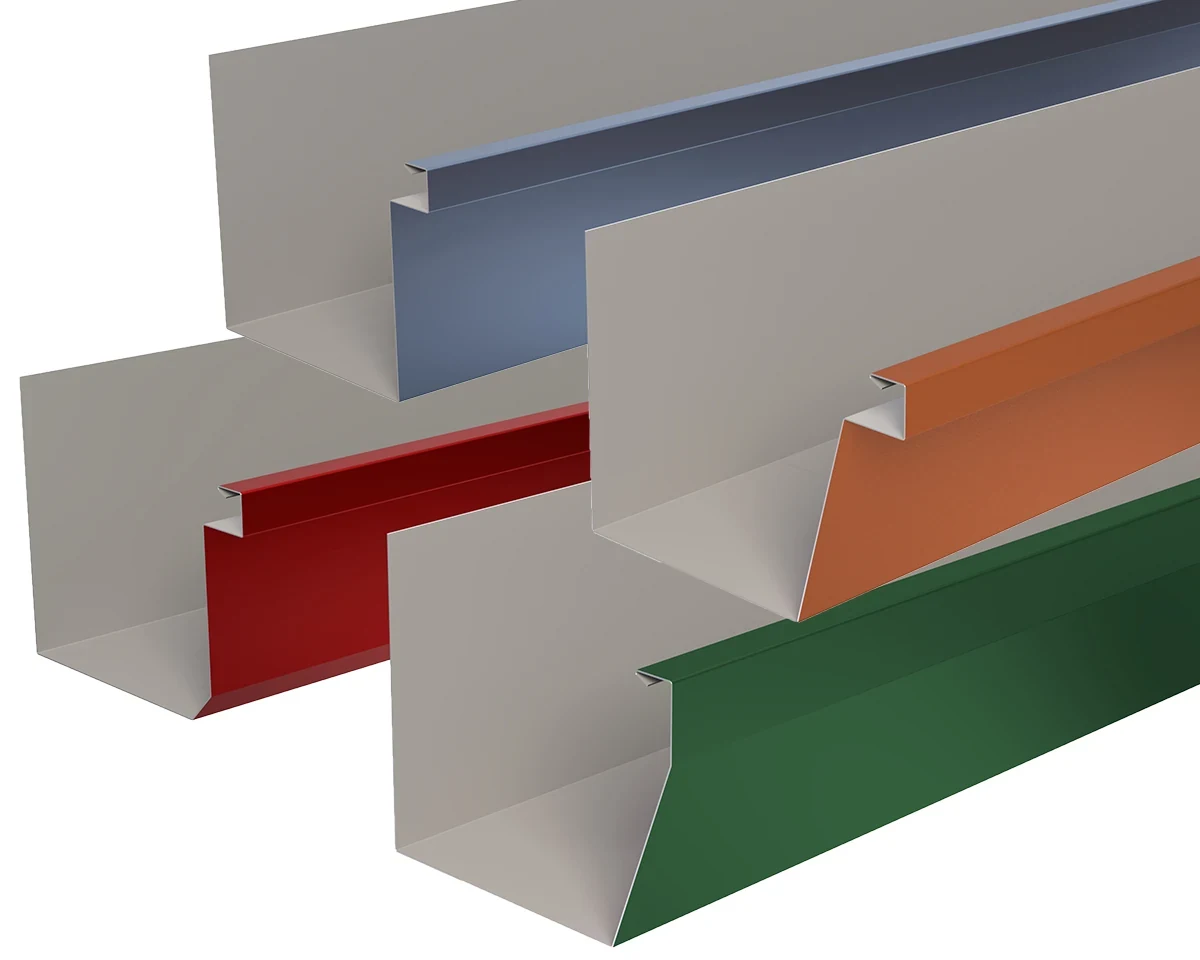
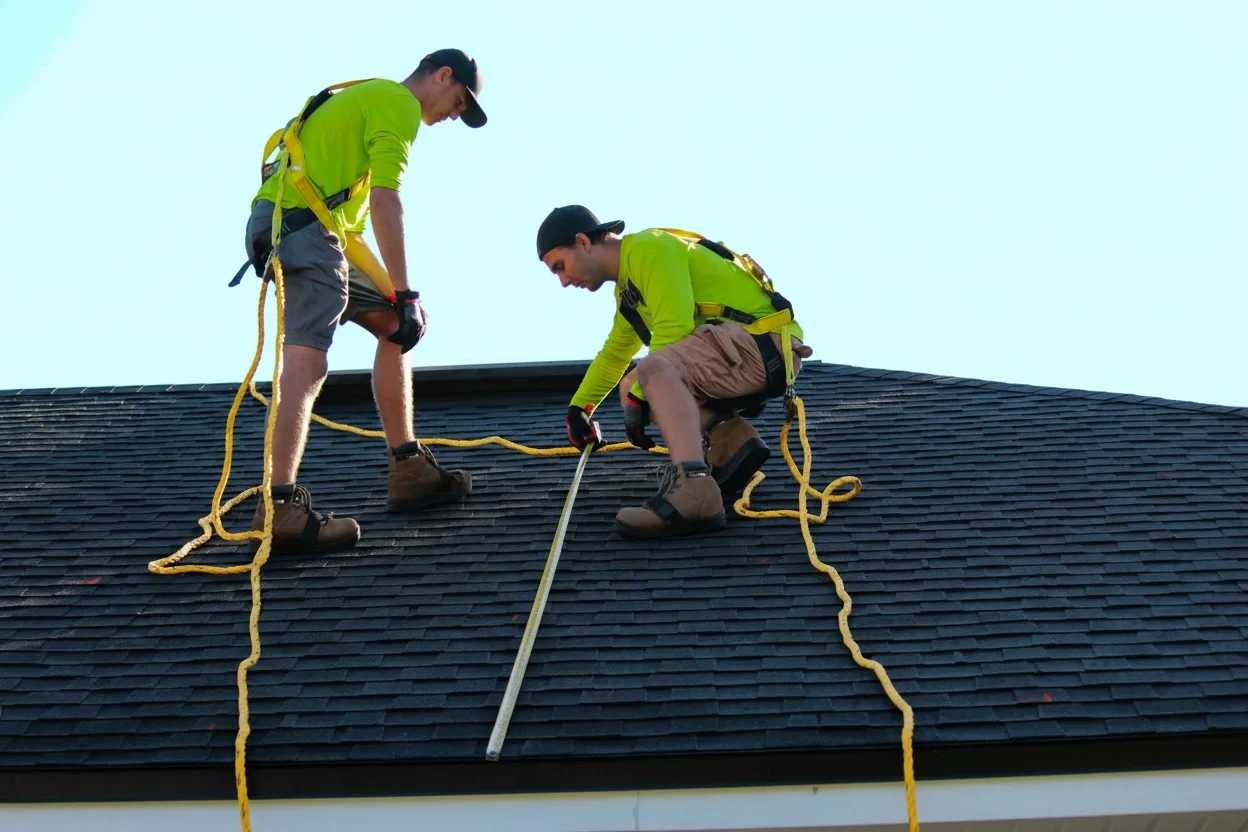
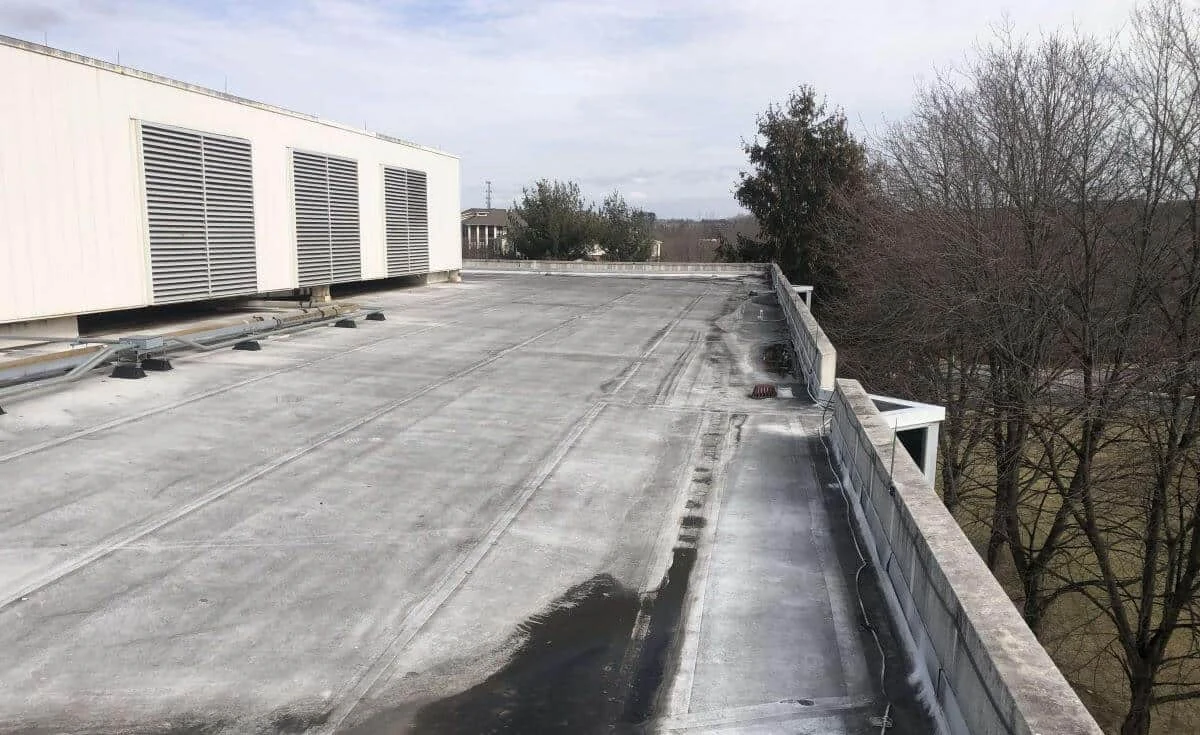
Roof insurance documentation support in Salem, OR: factual condition records and storm-damage photos for wind and ice claims, without promising a claim outcome.
Commercial Roofing Assessment Framework
Document
Membrane and seams
Trace
Drainage and water paths
Review
Flashings and penetrations
Compare
Repair, recover, coating, replacement
Plan
Access, staging, weather protection
Protect
Occupants, equipment, and operations
Close Out
Photos, details, records, priorities
Roof Insurance Documentation Support in Salem, OR: Roofing Detail
Building an Honest Documentation Record, Not a Claim Promise
When storm or age-related damage turns into an insurance conversation, the strength of the claim usually comes down to documentation quality, not persuasion. We build a factual, dated record of roof condition and damage that an owner or adjuster can rely on, and we're direct about the fact that we don't control or predict what an insurer ultimately decides.
What Documentation Actually Needs to Show
A useful damage record answers three questions clearly: what condition was the roof in before the event, what specifically changed after it, and what would it take to repair it properly. We photograph damage as found, before any repair work begins, and we photograph the surrounding roof area too, since an adjuster reviewing a claim needs context beyond a close-up of the failure point alone.
Where we have prior maintenance or inspection records for a building, those become part of the documentation package, since a documented baseline condition makes it much easier to show what actually changed after a specific storm rather than relying on memory or assumption.
Wind and Ice Damage Documentation in This Market
Salem's storm-related claims are almost always tied to wind or, occasionally, ice-storm limb impact. That pattern shapes how we document damage: we photograph lifted seams, torn flashing, and displaced coping specific to wind events, and for ice-storm claims we document impact points from fallen limbs along with any resulting deck or insulation damage found once the membrane is opened up for repair.
We also note wind direction and storm timing where it's relevant to the damage pattern, since an adjuster reviewing a claim benefits from seeing that the damage location is consistent with the reported weather event rather than an unrelated pre-existing condition.
Documentation for State Agency and Institutional Buildings
Government buildings around the Capitol Mall and larger institutional properties often have their own internal claims or risk-management process layered on top of the insurance claim itself. We format our documentation to work with both, providing clear photo logs, dated condition reports, and repair cost breakdowns that a facilities or risk-management office can route through their own approval chain without needing to reformat anything.
Healthcare and food-processing facilities frequently need documentation that also supports a business-interruption conversation, showing the timeline of the repair itself alongside the roof damage, since downtime cost is often part of a larger claim next to the physical damage.
What Happens When Damage Is Found Mid-Repair
Sometimes the full extent of damage isn't clear until a repair is already underway, such as when a punctured membrane turns out to sit over saturated insulation once it's opened up. When that happens, we stop and document the new finding with the same photo and written standard as the original damage, rather than folding it quietly into the existing scope. That keeps the record accurate if the claim needs to be revised or supplemented.
We date and timestamp every addition to the file so the sequence of discovery is clear: what was documented at the initial assessment versus what surfaced once work began. An adjuster reviewing a supplemental claim benefits from that clarity as much as the owner does.
- Pre-repair photo documentation of damage as found, with date and location noted for each image
- Prior maintenance and inspection records included where available, to establish baseline condition
- Wind direction and storm timing noted where relevant to the damage pattern
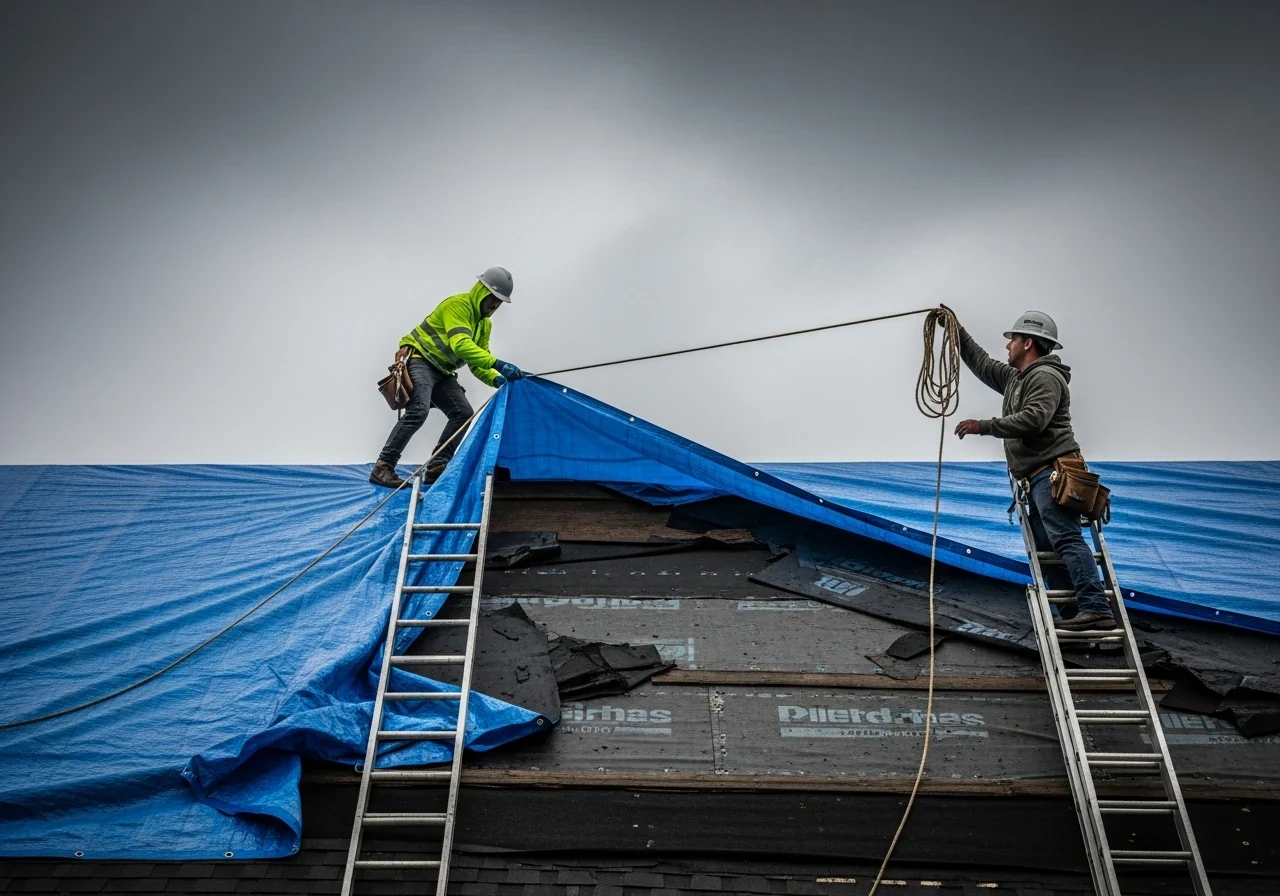
- Written repair scope and itemized cost estimate, separate from the emergency dry-in cost if applicable
- Deck and insulation condition documented once membrane is opened, for damage extending beyond the surface
- Final repair photos matched against the original damage documentation for a complete before-and-after record
What We Don't Do
We don't estimate what a claim is worth, promise a specific settlement outcome, or tell an owner how an adjuster will rule. Those aren't decisions a roofing contractor is positioned to make, and an owner who's been told otherwise by a contractor chasing the job usually finds that out the hard way during the actual claims process. Our role is to document roof condition and damage factually and give an honest repair scope, which is the material an owner and their insurer actually need to work from.
We also won't inflate a repair scope to match what a policy might cover. If the honest repair need is smaller than what's being discussed, we say so, because that's the same standard we'd want applied to our own building.
Insurance Documentation Questions We Get
Can you tell me if my roof damage will be covered?
No, coverage decisions belong to your insurer and depend on your specific policy. We document the physical condition and damage factually, which you and your adjuster use to work through the coverage question.
Do you work directly with my insurance adjuster?
We can meet an adjuster on site and walk the roof together if that's useful, and we'll provide our documentation directly to whoever needs it, but we don't negotiate the claim on your behalf.
What should I photograph myself before you arrive?
Interior damage like ceiling stains or water intrusion, with a date noted, is useful. Roof-level photography is safer left to our crew, since walking a damaged roof without the right equipment carries real risk.
How soon after storm damage should documentation start?
As soon as possible, ideally before any temporary repair work begins, since photos of the original damage are the foundation of the whole record.
Will you inflate the repair estimate to match my coverage?
No. We provide an honest repair scope and cost based on what the roof actually needs, regardless of what a policy might allow for.
Assessment Priorities
Membrane condition, seams, flashings, penetrations, drains, scuppers, edge metal, rooftop equipment, traffic patterns, and visible moisture evidence are reviewed together before a repair, coating, recover, or replacement path is recommended.
Planning Around the Facility
Access, staging, noise, odor, delivery windows, weather protection, occupied spaces, interior protection, and daily dry-in procedures are planned for the way the commercial property must continue operating.
From Findings to a Clear Scope
Observed conditions are documented so building owners and facility teams can compare immediate repairs, maintenance priorities, system options, budget timing, and closeout requirements without losing sight of the building below the deck.
Ready to review the roof scope?
Commercial Roofing Services
1 of 2
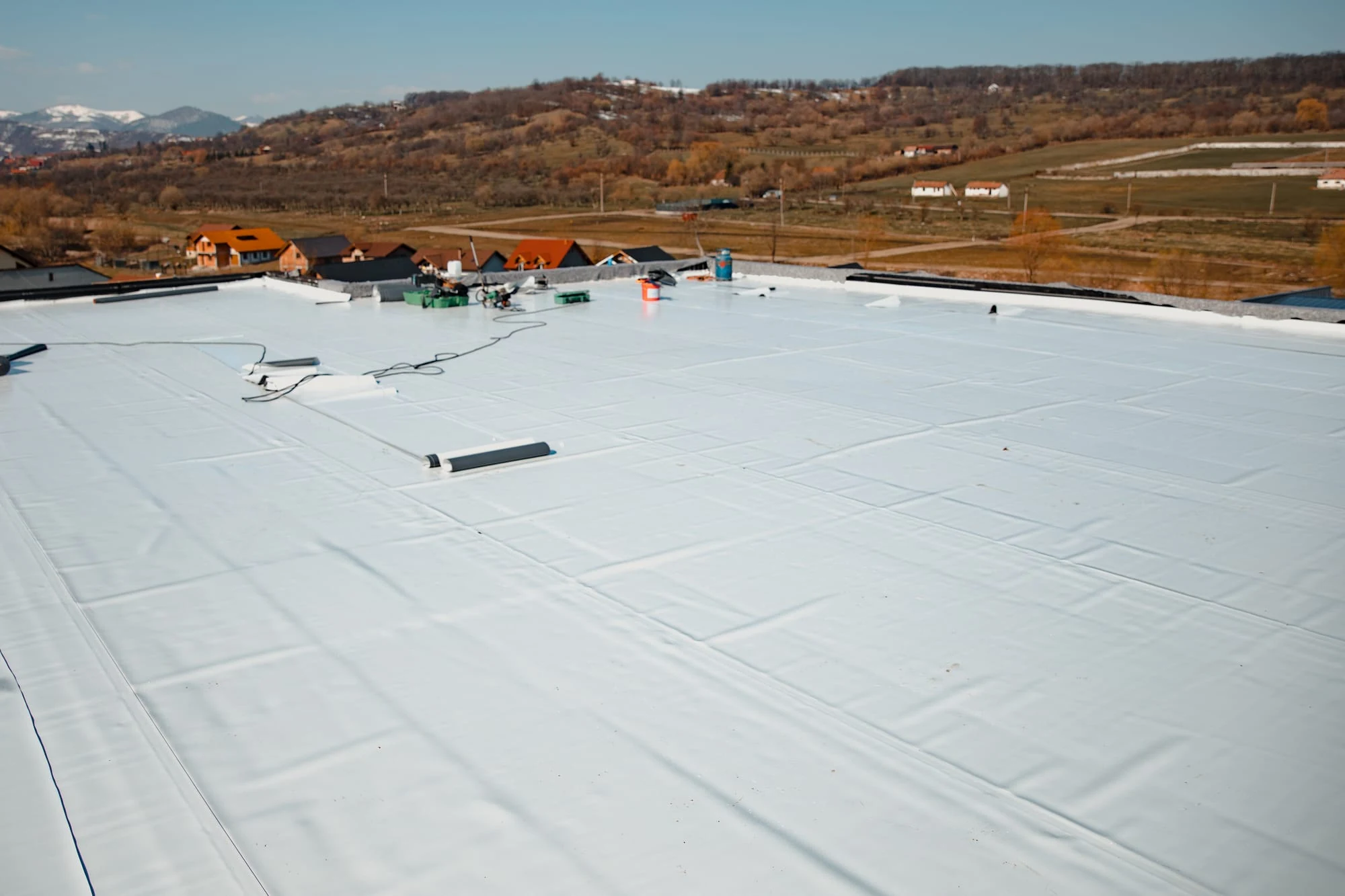
Commercial Roofing Across the Salem Area