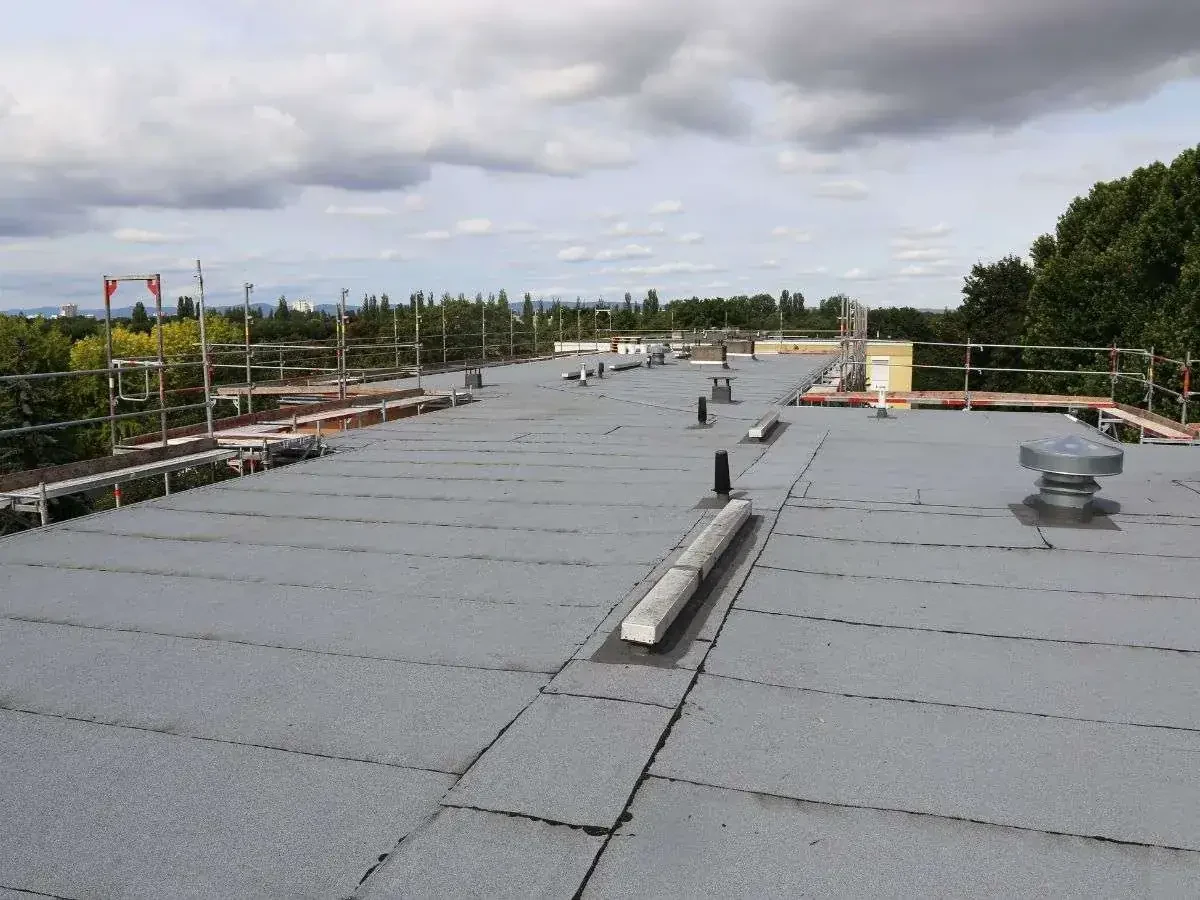
Metal R-Panel Roofing in Salem, OR
Commercial Roofing ServicesServing Salem and the central Willamette Valley
Request a Roof Assessment
Commercial roofing in Salem, Oregon
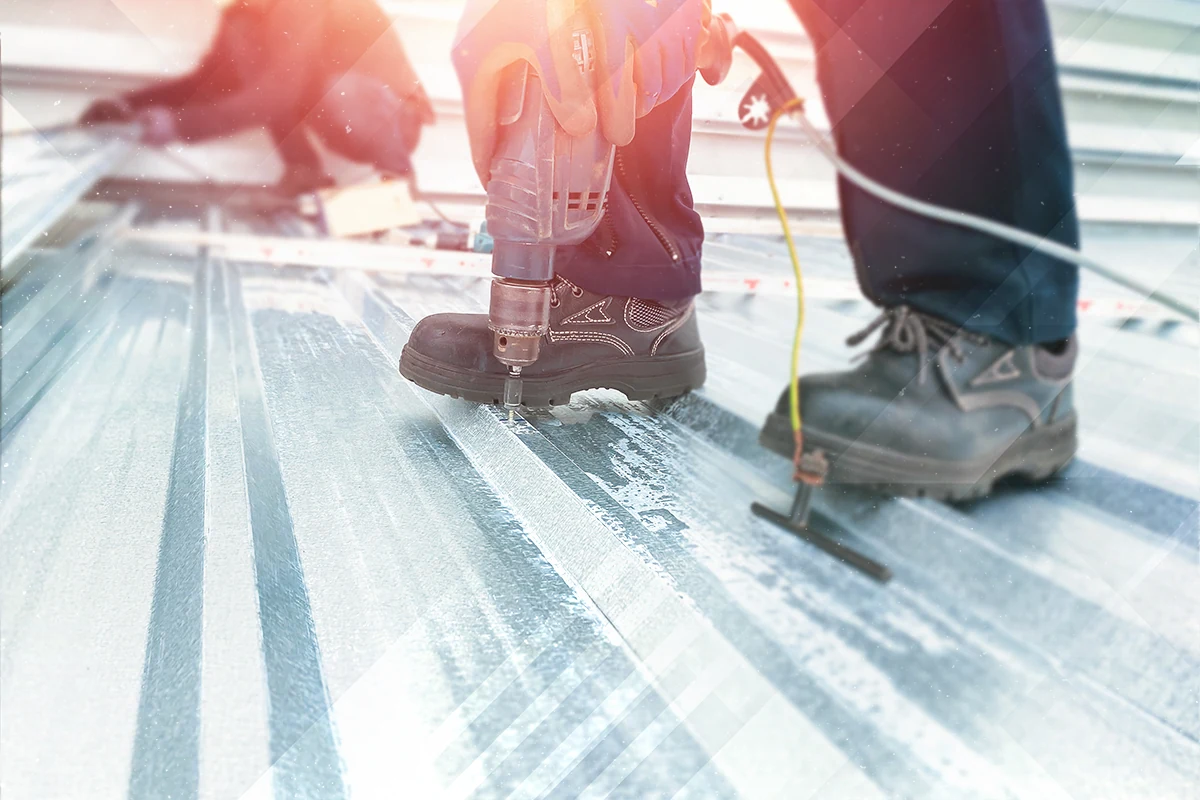
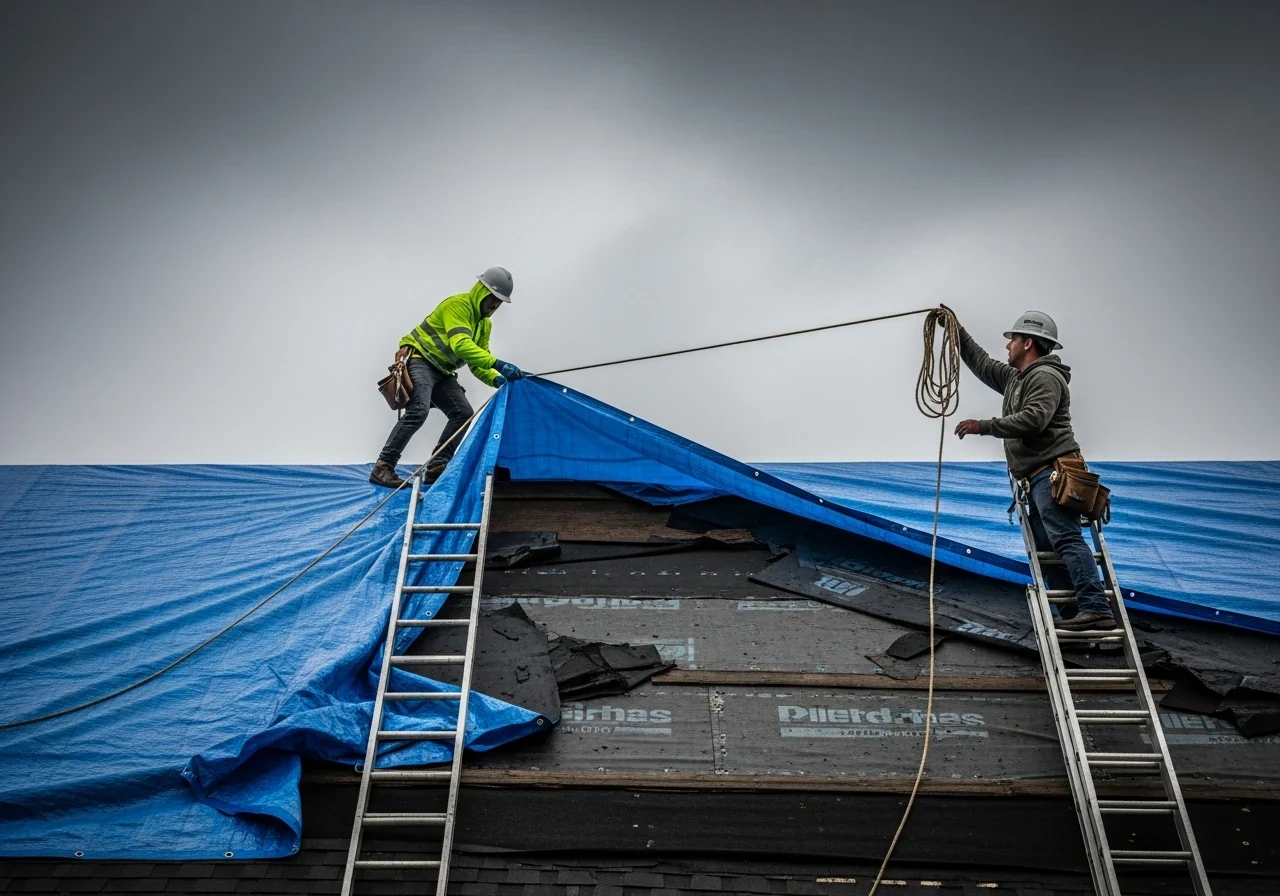
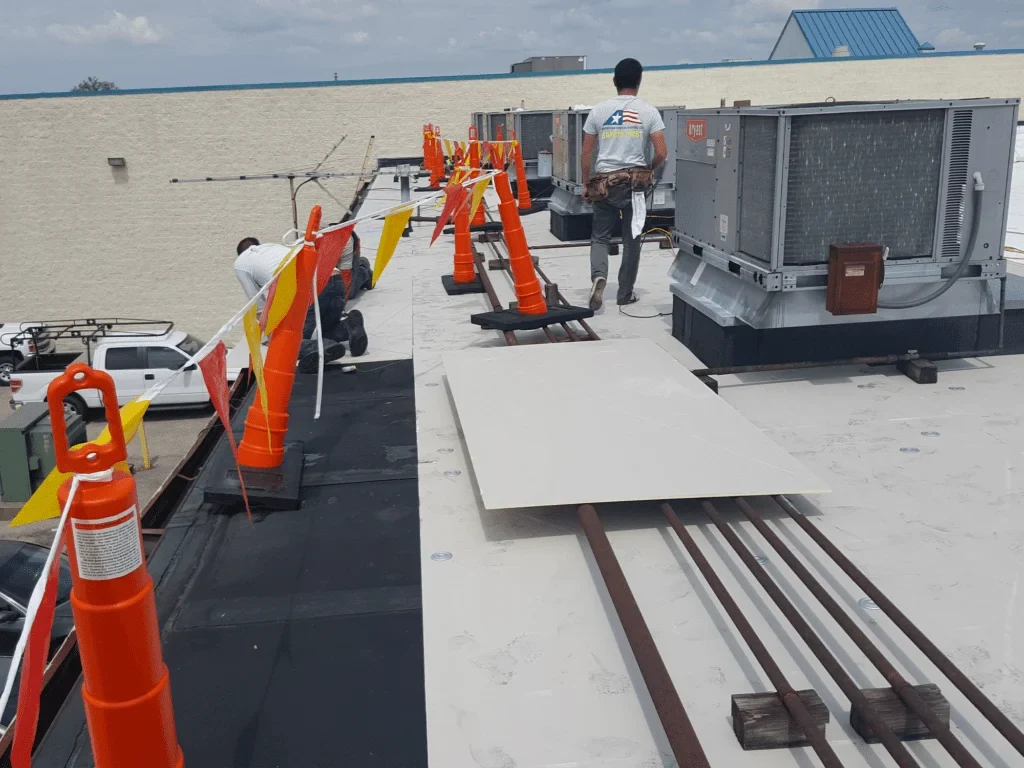
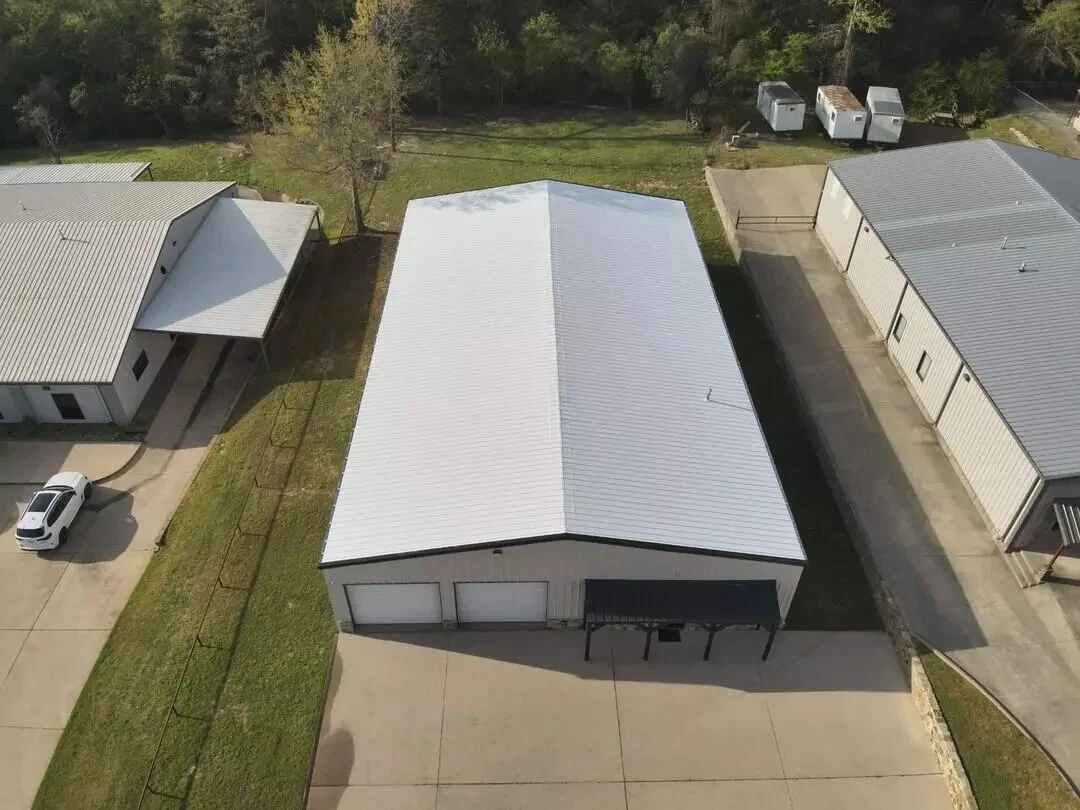
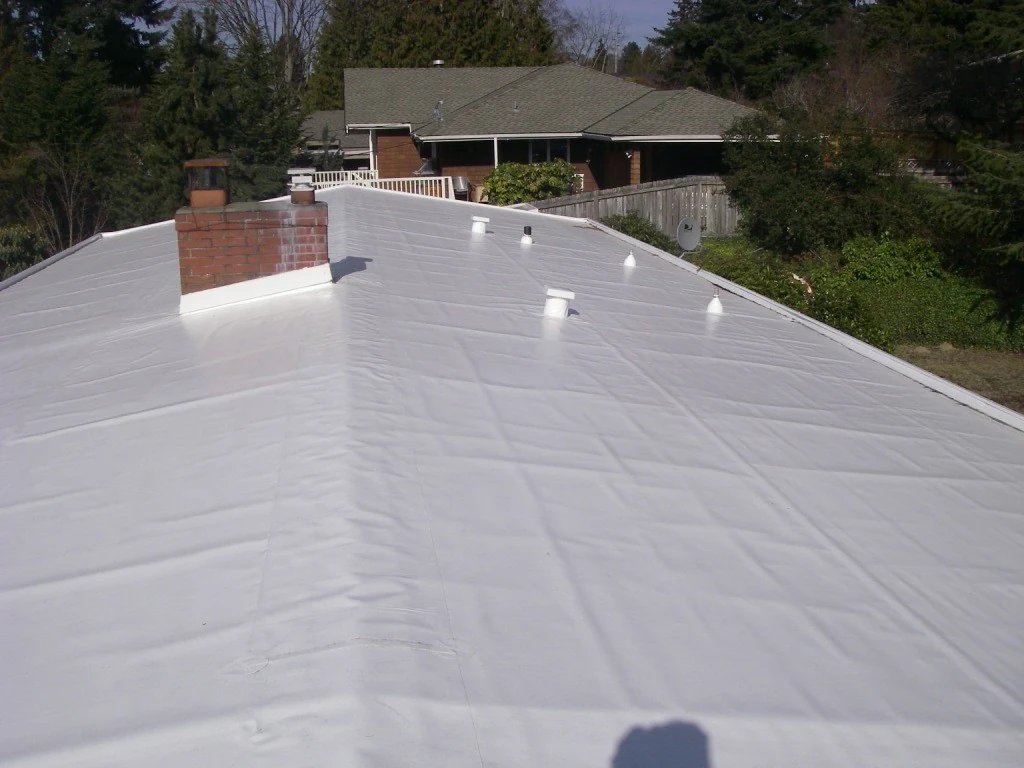
R-panel metal roofing and fastener maintenance for Salem-area ag storage, equipment barns, and light-industrial buildings on tighter budgets.
Commercial Roofing Assessment Framework
Document
Membrane and seams
Trace
Drainage and water paths
Review
Flashings and penetrations
Compare
Repair, recover, coating, replacement
Plan
Access, staging, weather protection
Protect
Occupants, equipment, and operations
Close Out
Photos, details, records, priorities
Metal R-Panel Roofing in Salem, OR: Roofing Detail
R-Panel Metal Roofing for Salem's Storage and Light-Industrial Buildings
R-panel is the exposed-fastener metal roofing we see most on storage buildings, equipment barns, and lower-budget light-industrial structures around Salem's ag-processing corridor. It costs less to install than standing seam, and for a lot of storage and utility buildings, that tradeoff is the right call, as long as the owner understands what exposed fasteners require in return.
What Exposed Fasteners Actually Require
Every screw holding an R-panel to the structure carries a rubber washer sealing that penetration against water. Those washers are the weak point in the system - they harden, crack, and lose their seal well before the steel panel itself shows any wear, especially with the UV exposure and wet-dry cycling Salem gets across a full year. A roof that's ten or fifteen years old with its original fasteners is usually leaking somewhere, even if it isn't obvious from the ground.
The leaks are often small and slow enough that they show up as a stained ceiling panel or a musty smell in a storage area long before anyone traces it back to a specific screw. By the time an owner notices, water has usually been finding its way past a handful of failed washers for a season or more, and it's worth checking the whole field rather than just patching the one spot that's visibly dripping.
Re-Fastening Programs Instead of Full Replacement
For a lot of R-panel roofs, the panels themselves are still structurally sound long after the fasteners have failed. A re-fastening program - replacing worn screws and washers across the field, correcting over-driven or under-driven fasteners, and resealing lap joints - can add meaningful years to a roof for a fraction of what a full replacement costs. We check fastener condition specifically during any R-panel inspection rather than just looking at the panel surface.
Where R-Panel Makes Sense Around Salem
We spec R-panel for ag storage buildings, equipment sheds, and light-industrial structures where the roof isn't the architectural focal point and the owner's planning horizon doesn't call for a 40-year system. It's a legitimate, cost-effective choice for that kind of building - the problem is only when it gets installed on something that needed a longer-life system and the fastener maintenance never happens afterward.
- Original fastener and washer condition assessment
- Re-fastening and washer replacement across the panel field
- Lap joint and end-lap resealing
- Ridge cap and trim flashing repair
- Panel replacement for sections with corrosion or physical damage
The Cost of Skipping Fastener Maintenance
Owners who never budget for fastener maintenance end up chasing leaks one screw at a time for years, then facing a full re-roof anyway once corrosion sets in around enough failed penetrations. A scheduled re-fastening program, done once every several years depending on exposure, costs a fraction of that pattern and keeps the roof performing the way it was designed to.
Standing Seam Versus R-Panel
We get asked often enough whether a building should have gone with standing seam instead. For a storage building with a shorter planning horizon and a tighter budget, R-panel with a maintenance plan is a reasonable answer. For a building the owner intends to hold for decades, or anything with sensitive contents below - packaged food product, equipment, records - the leak risk from exposed fasteners is worth paying to avoid.
Reading Rust and Corrosion Before It Spreads
R-panel corrosion typically starts at cut edges, fastener heads, and any spot where the factory finish got scratched during installation or a later repair. Once rust breaks through the coating at one of those points, it spreads under the finish faster than most owners expect, especially on a roof that stays damp for long stretches through the wet season.
We treat isolated rust spots during routine maintenance rather than waiting for them to become panel replacements. A wire-brushed, primed, and properly coated rust spot caught early costs a fraction of replacing an entire panel that's corroded through.
Inspecting End Laps and Ridge Caps
End laps, where one panel overlaps the next along a roof run, and ridge caps at the roof peak are two of the most common leak points on an R-panel roof we find that don't involve the fasteners at all. Sealant at those laps ages and shrinks over time, opening a gap that's easy to miss from the ground but obvious once you're standing on the roof.
We check both during any R-panel inspection, resealing where the original sealant has failed and replacing any trim pieces that have worked loose from wind or thermal movement over the years.
R-Panel Roofing Questions
How often do R-panel fasteners need replacing?
Washer seals commonly need attention somewhere between 10 and 15 years, though sun exposure and roof slope affect that timeline meaningfully.
Can a leaking R-panel roof be fixed without full replacement?
Often, yes. A re-fastening and resealing pass resolves most exposed-fastener leaks without requiring a full panel replacement, assuming the panels themselves are still sound.
Is R-panel a bad choice for a new building?
Not necessarily - it's a legitimate budget-conscious option for storage and utility buildings. It becomes the wrong choice mainly when it's specified for a building that needed a longer-life system.
How do I know if my R-panel roof is leaking at the fasteners?
Rust streaking below individual screws, visibly cracked or missing washers, and interior staining in a scattered rather than concentrated pattern are all signs worth an inspection.
What's the typical lifespan of an R-panel roof here?
The panels themselves can last 25 to 40 years, but the roof's actual performance depends heavily on whether fastener maintenance happens on schedule.
Assessment Priorities
Membrane condition, seams, flashings, penetrations, drains, scuppers, edge metal, rooftop equipment, traffic patterns, and visible moisture evidence are reviewed together before a repair, coating, recover, or replacement path is recommended.
Planning Around the Facility
Access, staging, noise, odor, delivery windows, weather protection, occupied spaces, interior protection, and daily dry-in procedures are planned for the way the commercial property must continue operating.
From Findings to a Clear Scope
Observed conditions are documented so building owners and facility teams can compare immediate repairs, maintenance priorities, system options, budget timing, and closeout requirements without losing sight of the building below the deck.
Ready to review the roof scope?
Commercial Roofing Services
1 of 2
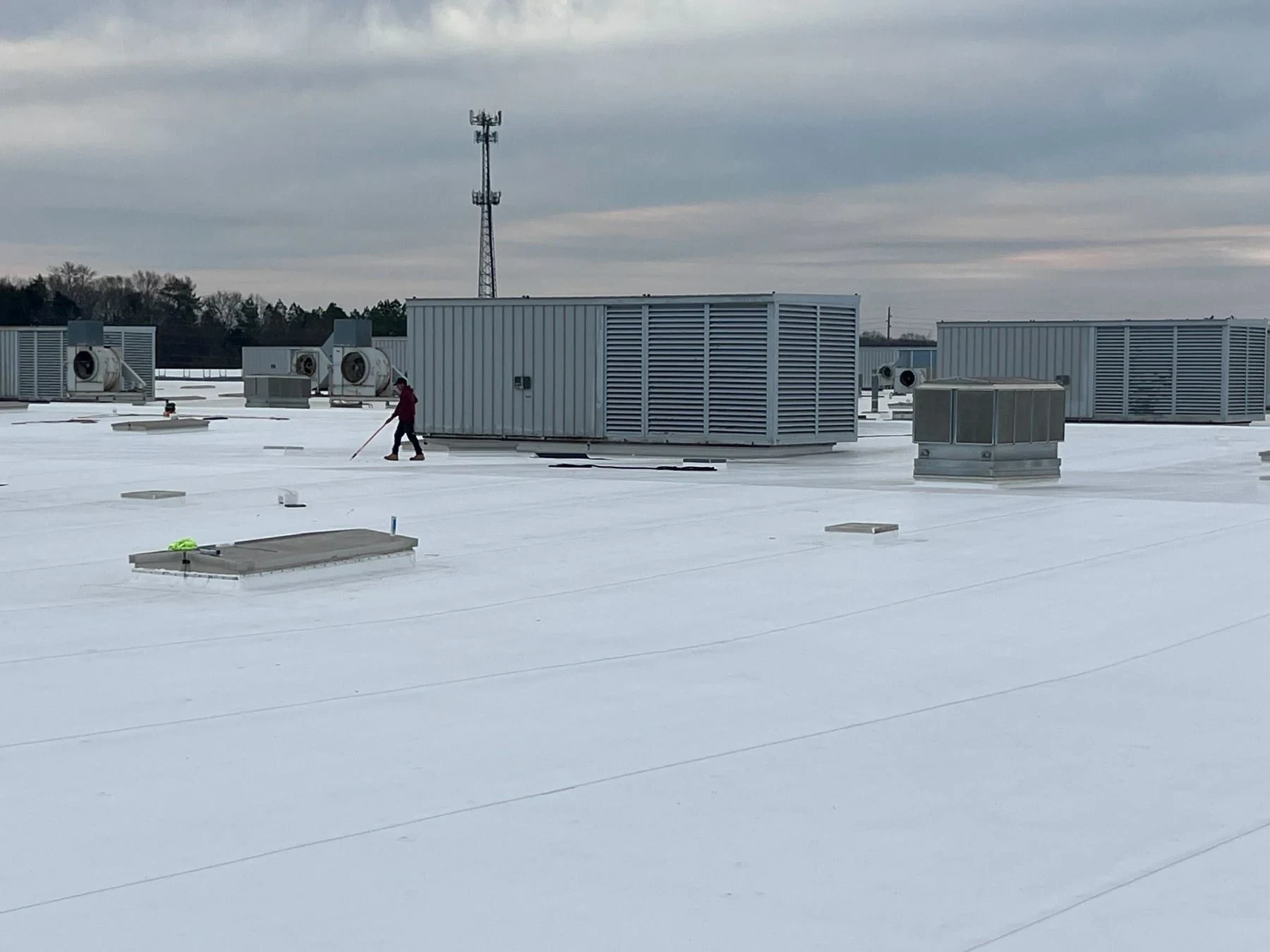
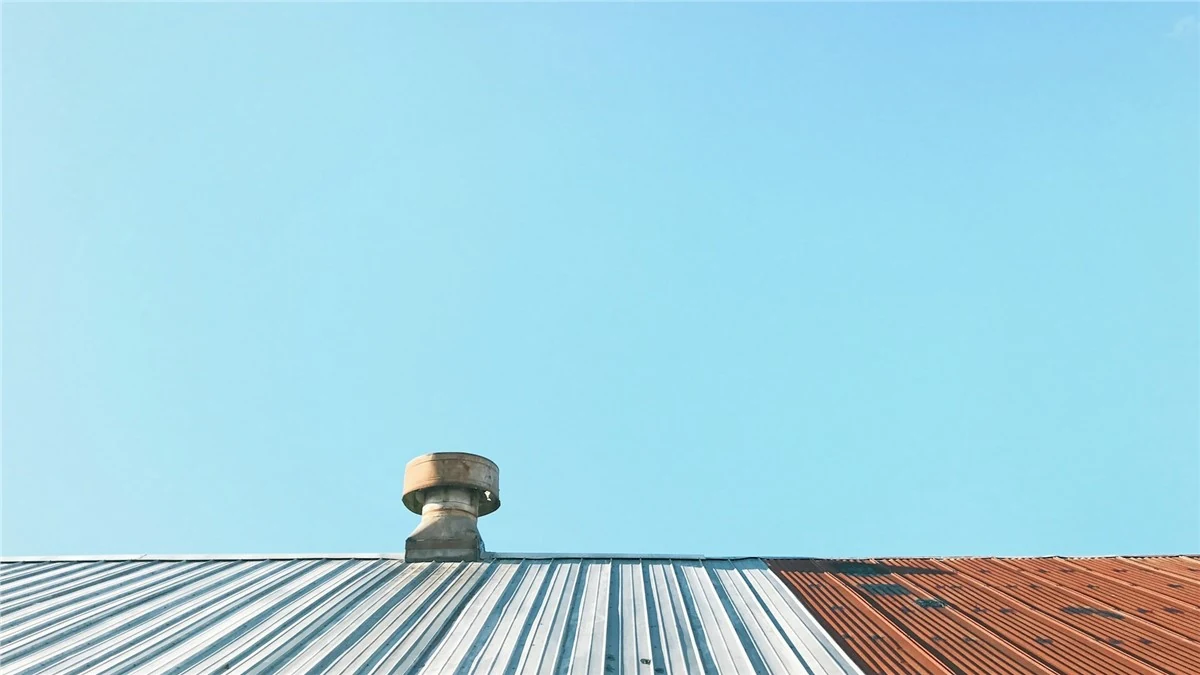
Commercial Roofing Across the Salem Area