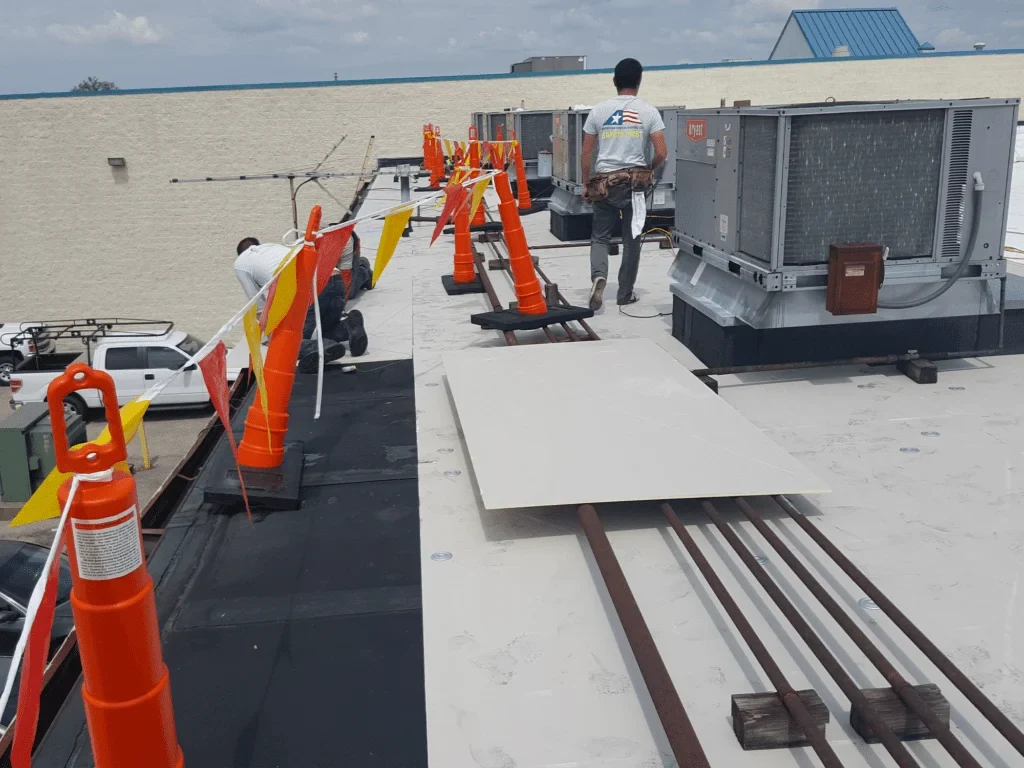
Modified Bitumen Roofing in Salem, OR
Commercial Roofing ServicesServing Salem and the central Willamette Valley
Request a Roof Assessment
Commercial roofing in Salem, Oregon
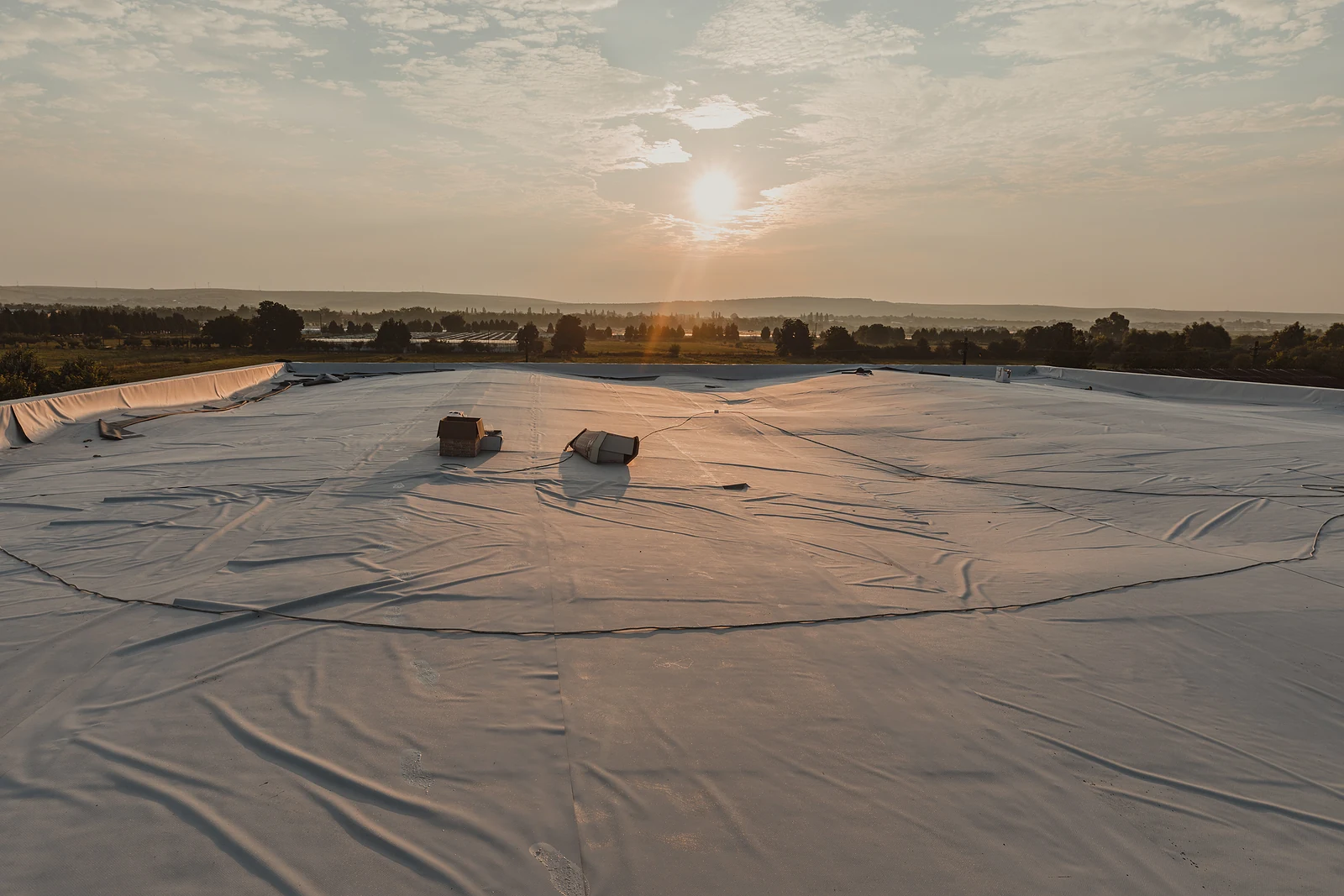
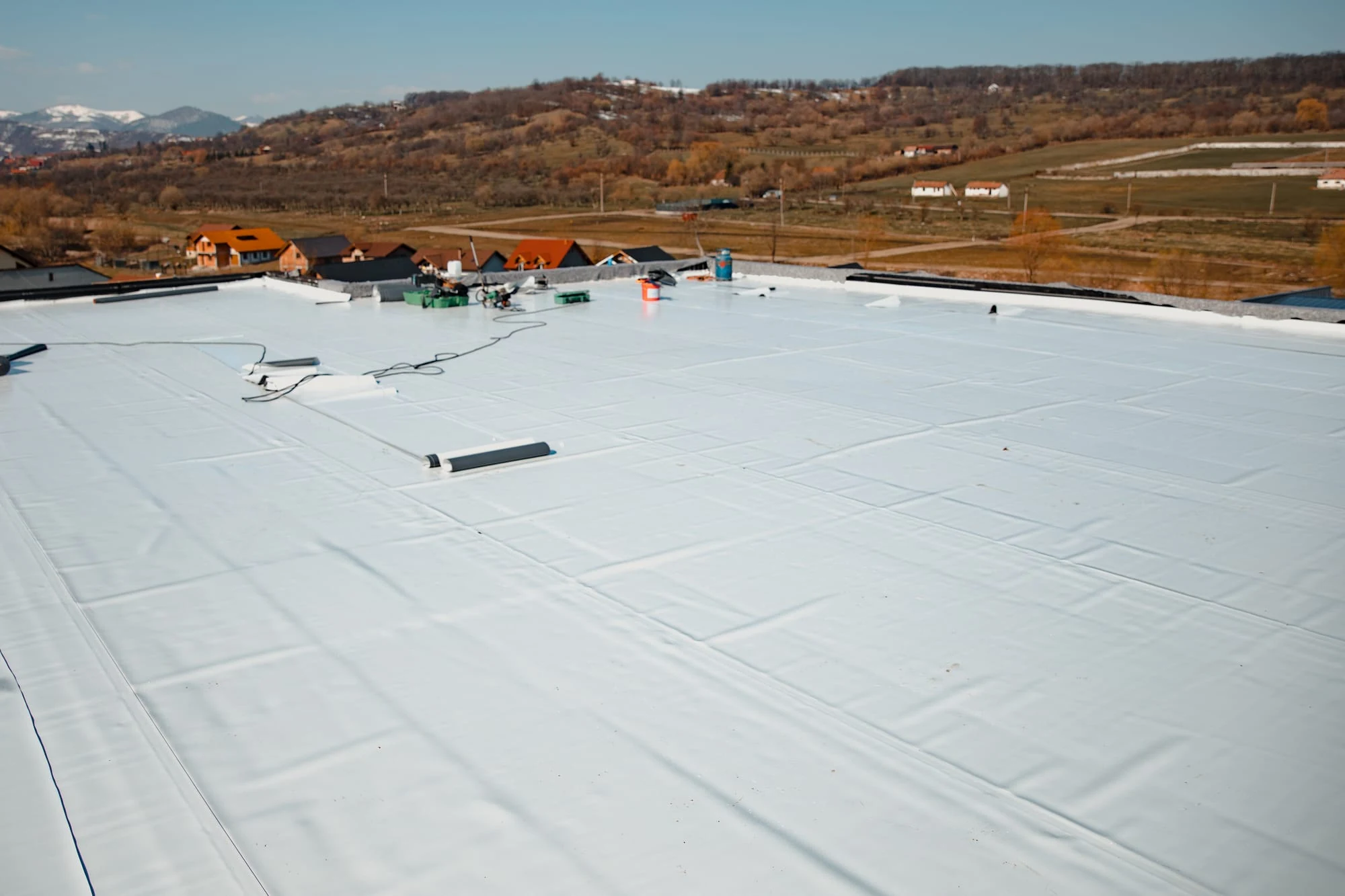
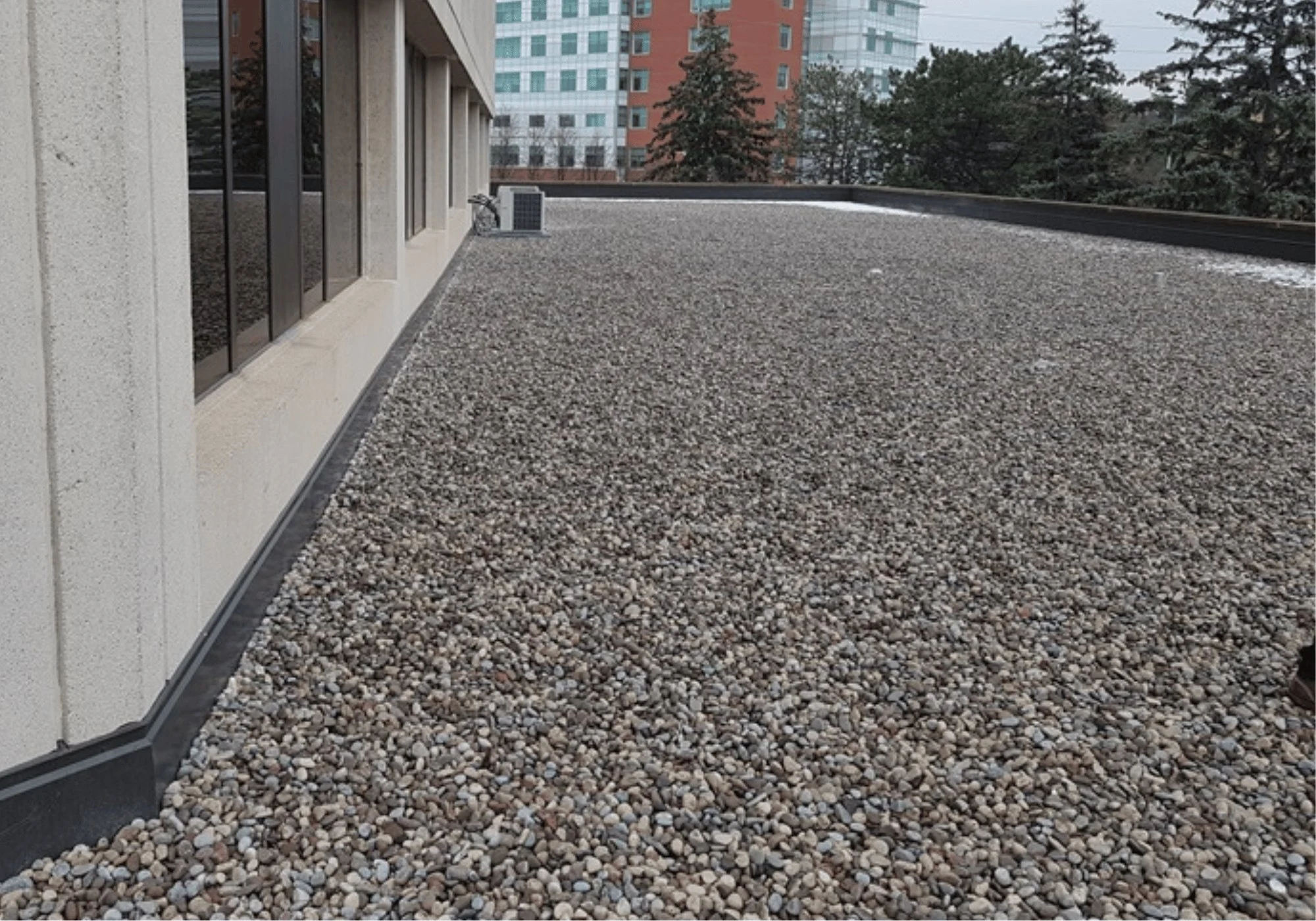
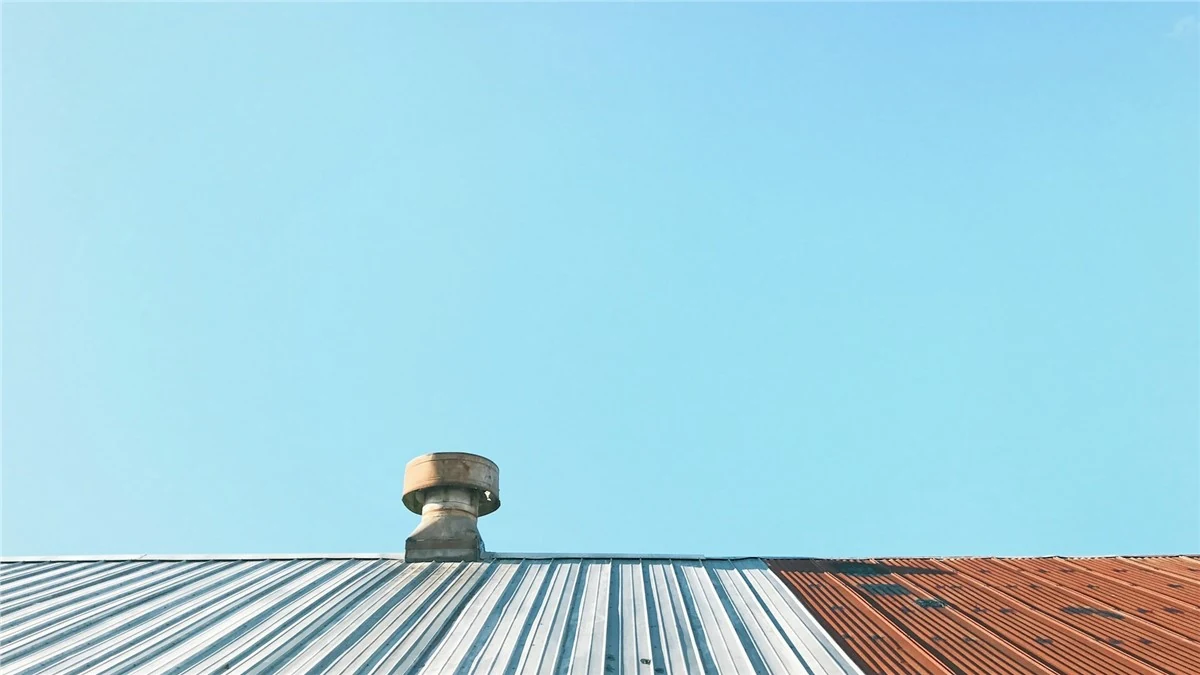
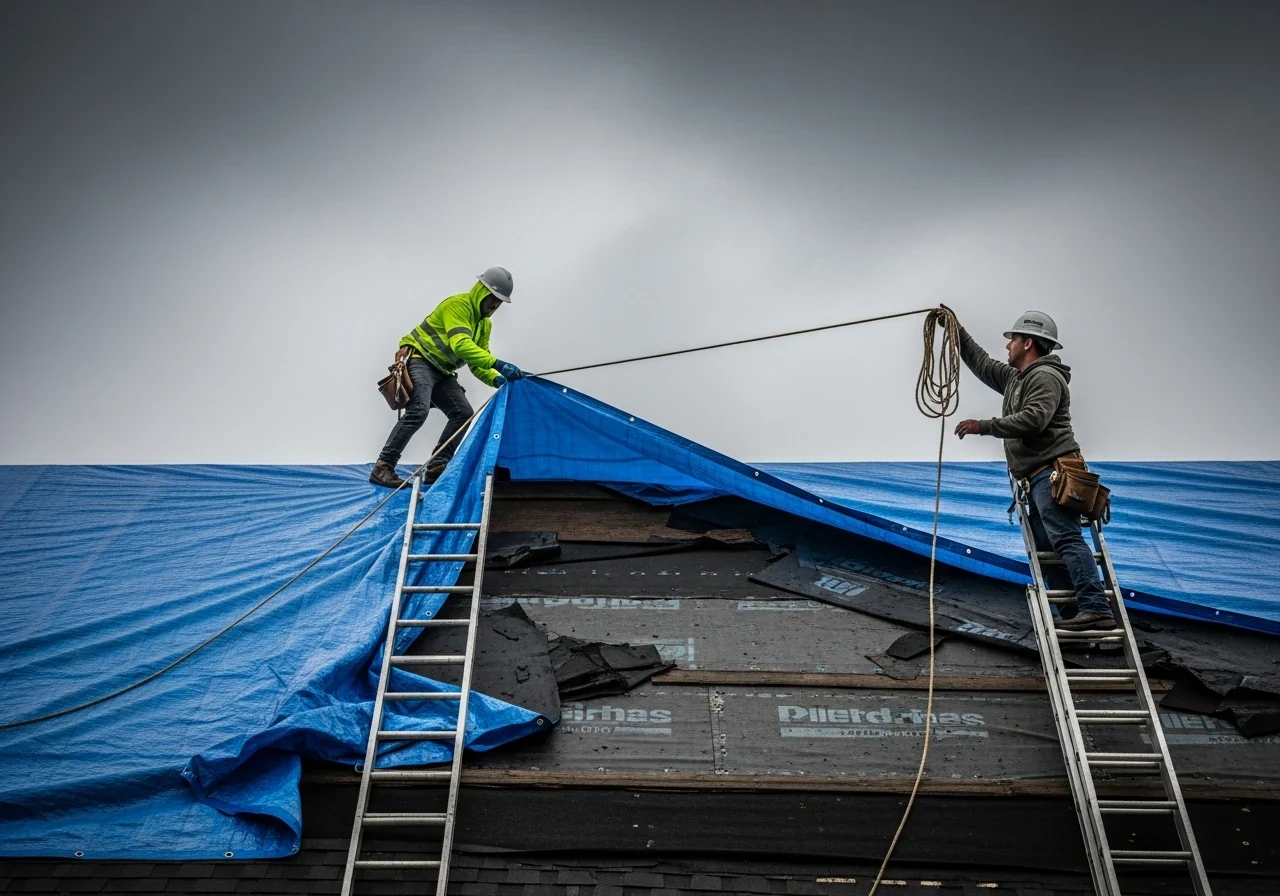
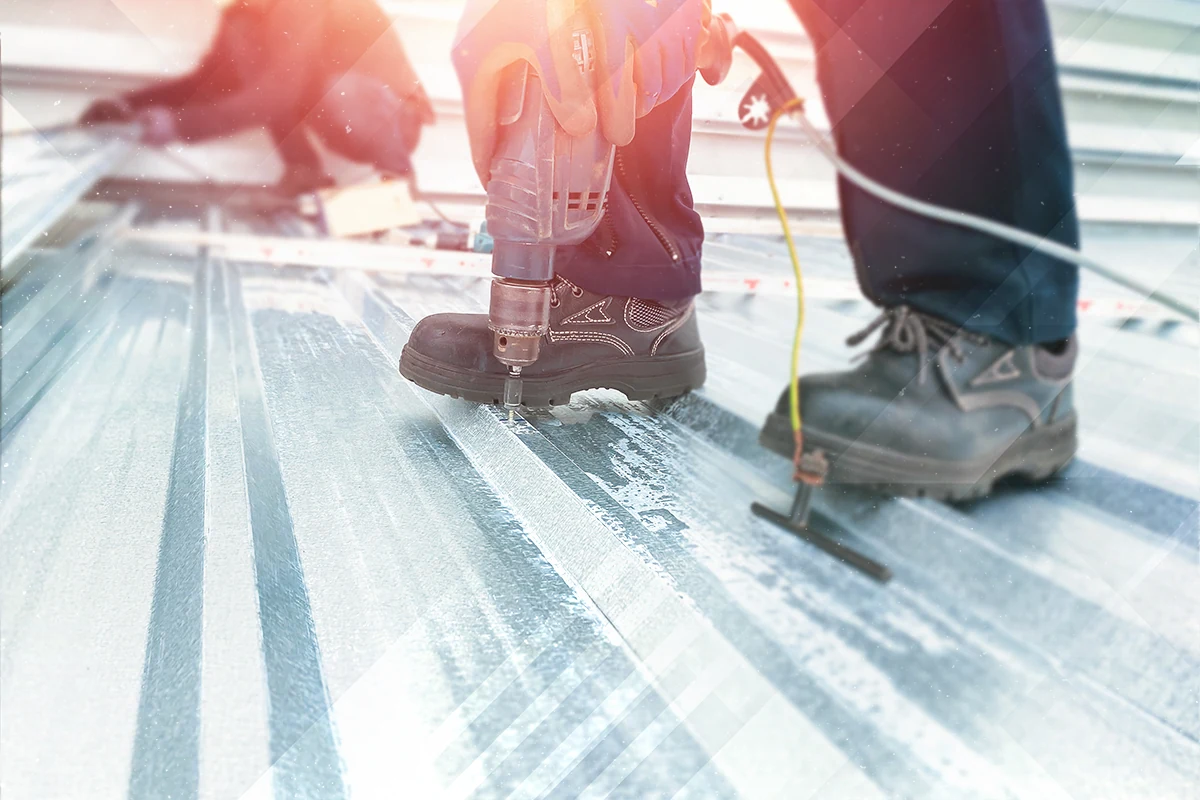
Modified bitumen SBS roof installation and repair for Salem hospitals, state buildings, and campus facilities carrying dense rooftop mechanical loads.
Commercial Roofing Assessment Framework
Document
Membrane and seams
Trace
Drainage and water paths
Review
Flashings and penetrations
Compare
Repair, recover, coating, replacement
Plan
Access, staging, weather protection
Protect
Occupants, equipment, and operations
Close Out
Photos, details, records, priorities
Modified Bitumen Roofing in Salem, OR: Roofing Detail
Modified Bitumen Roofing for Salem's Multi-Layer Roof Systems
Modified bitumen shows up on a lot of the older institutional roofs we work on around Salem - state agency buildings near the Capitol, university facilities, and hospital wings built in phases over several decades. It's a multi-layer system, and that layered redundancy is exactly why building owners with heavy rooftop mechanical loads keep specifying it.
Why Multiple Plies Matter on Mechanical-Heavy Roofs
Buildings like Salem Health's hospital and clinic facilities carry a dense field of rooftop units, exhaust fans, and service walkways, and that traffic wears on a membrane faster than an open roof field ever would. Modified bitumen's layered base sheets and cap sheet give it more redundancy against foot traffic and accidental punctures than a single-ply membrane offers at a comparable thickness - if the top layer gets scuffed or nicked, the layer beneath is still doing its job.
Application Methods We Work With
We install and repair modified bitumen using torch-applied, self-adhered, and cold-applied methods depending on the building, the deck, and whether an open flame is even permitted on the project - torch application isn't an option on some occupied buildings or near sensitive equipment, and we plan the method around that constraint before we plan around cost.
Self-adhered SBS systems have become the more common choice on occupied institutional buildings for exactly that reason. They install without open flame, which matters on a hospital wing or a building with sensitive lab equipment nearby.
The tradeoff with self-adhered systems is that they demand a clean, dry, properly primed substrate to bond correctly, more so than torch application, which fuses the material with direct heat regardless of minor surface imperfections. We factor substrate prep time into any self-adhered SBS bid rather than assuming the existing deck is ready to receive it.
Granulated Cap Sheets and UV Exposure
Most modified bitumen systems finish with a granulated cap sheet, and that granule layer is doing real work protecting the asphalt-based membrane underneath from UV degradation. Over enough wet-and-dry cycling, granule loss becomes visible - you'll see bare, shinier patches on the membrane surface - and that's usually the earliest warning sign worth acting on, well before it turns into an actual leak.
We map granule loss during inspection the same way we map ponding, because the two problems compound each other. A bare patch that's also collecting standing water ages faster than either condition would on its own, and it's often where we find the first pinhole leaks on an otherwise serviceable roof.
- Torch-applied SBS for new construction where open flame is permitted
- Self-adhered SBS for occupied buildings and flame-restricted sites
- Cold-applied systems for sensitive or fully occupied facilities
- Granule loss inspection as an early warning sign ahead of an active leak
- Base flashing tie-ins at parapets and rooftop equipment curbs
Repairing Older Multi-Ply Roofs Without Overpaying
A lot of modified bitumen roofs we get called to are 20-plus years old with isolated seam or flashing failures rather than a fully deteriorated membrane. We'll section-repair those areas rather than push a full tear-off when the rest of the roof still has service life left, and we'll be equally direct when the membrane has reached the point where patching stops being cost-effective.
Working Around Dense Rooftop Equipment
Hospital and campus buildings tend to accumulate rooftop equipment over decades - added condenser units, new exhaust fans, a satellite dish bracket bolted through the membrane by someone other than a roofer. Every one of those additions is a penetration that needs proper base flashing, and on older modified bitumen roofs we regularly find equipment that was installed without it.
Repairing those penetrations correctly means coordinating around equipment that's often still running, which is part of why we plan modified bitumen repair work on occupied mechanical-heavy roofs in phases, section by section, rather than shutting an entire roof deck down at once.
We also flag equipment that's undersized for its curb or missing a curb entirely, since that's a facilities issue as much as a roofing one. A unit set directly on the membrane without proper flashing will eventually cause a leak regardless of how well the surrounding roof was installed, and we note those conditions in every inspection report we hand back to a building owner.
What Owners Ask About Modified Bitumen
How does modified bitumen compare to a single-ply membrane?
It offers more built-in redundancy against foot traffic and punctures thanks to its layered construction, but it's typically heavier and can cost more to install than a comparable TPO system.
Can you repair modified bitumen without a full re-roof?
Often yes, especially for isolated seam or flashing failures. We assess the whole roof before recommending a section repair to confirm the rest of the membrane still has useful life.
Is torch application safe on an occupied building?
We avoid it in most occupied settings and use self-adhered or cold-applied SBS instead, particularly near hospitals, labs, or any facility with fire-sensitive operations.
What does granule loss on my roof mean?
It means the UV-protective layer is wearing down and the asphalt membrane beneath is getting more sun exposure than it's designed for. It's worth an inspection before it becomes a leak.
How long does a modified bitumen roof typically last here?
A well-maintained SBS system commonly runs 20 to 25 years, with the application method and rooftop traffic level affecting where in that range a specific roof lands.
Assessment Priorities
Membrane condition, seams, flashings, penetrations, drains, scuppers, edge metal, rooftop equipment, traffic patterns, and visible moisture evidence are reviewed together before a repair, coating, recover, or replacement path is recommended.
Planning Around the Facility
Access, staging, noise, odor, delivery windows, weather protection, occupied spaces, interior protection, and daily dry-in procedures are planned for the way the commercial property must continue operating.
From Findings to a Clear Scope
Observed conditions are documented so building owners and facility teams can compare immediate repairs, maintenance priorities, system options, budget timing, and closeout requirements without losing sight of the building below the deck.
Ready to review the roof scope?
Commercial Roofing Services
1 of 2
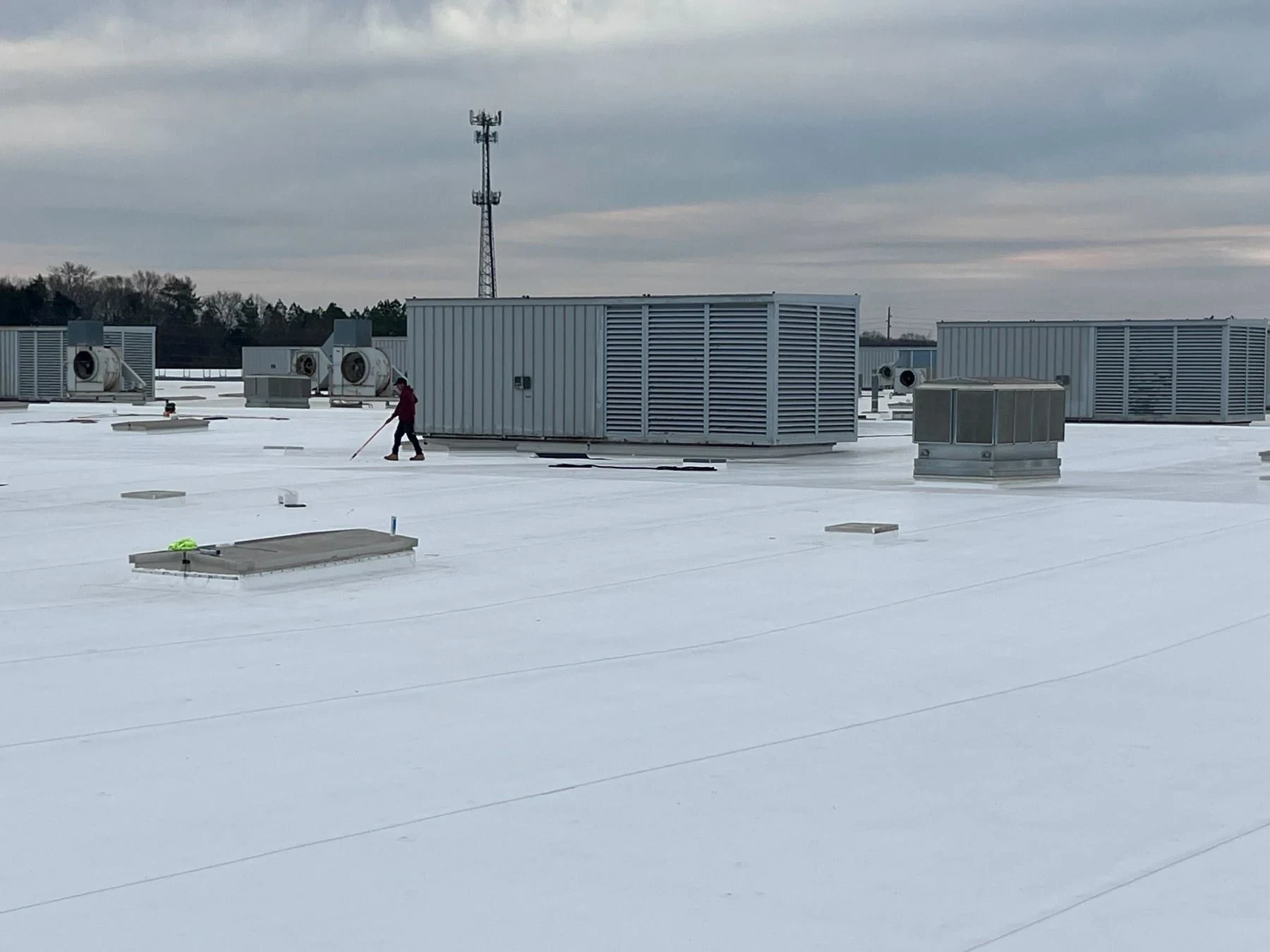
Commercial Roofing Across the Salem Area