Roof Recover and Overlay in Salem, OR
Commercial Roofing ServicesServing Salem and the central Willamette Valley
Request a Roof Assessment
Commercial roofing in Salem, Oregon
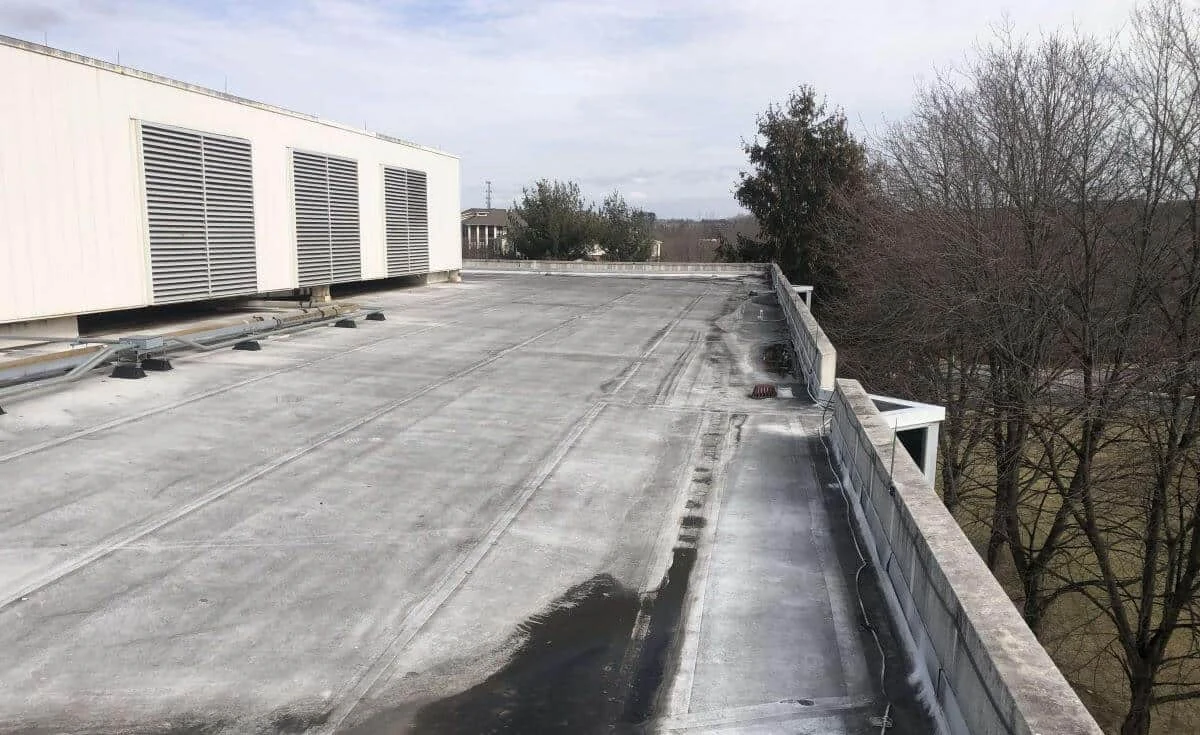
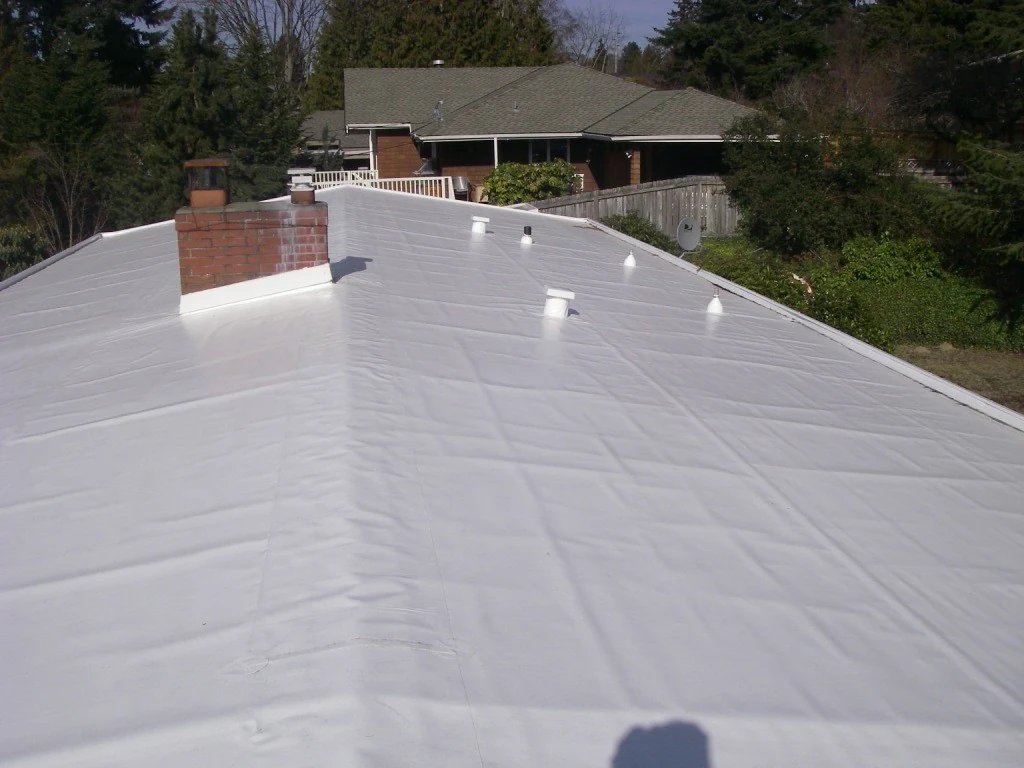
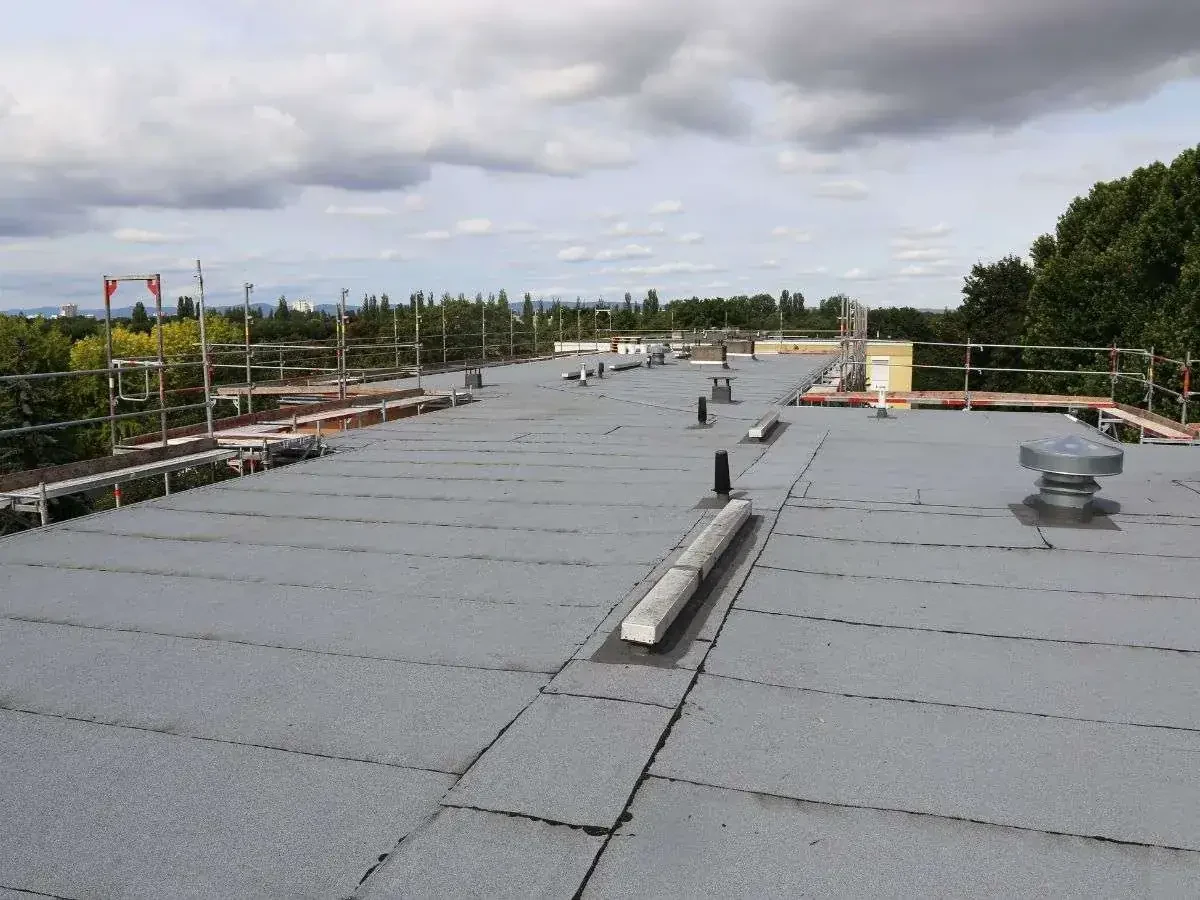
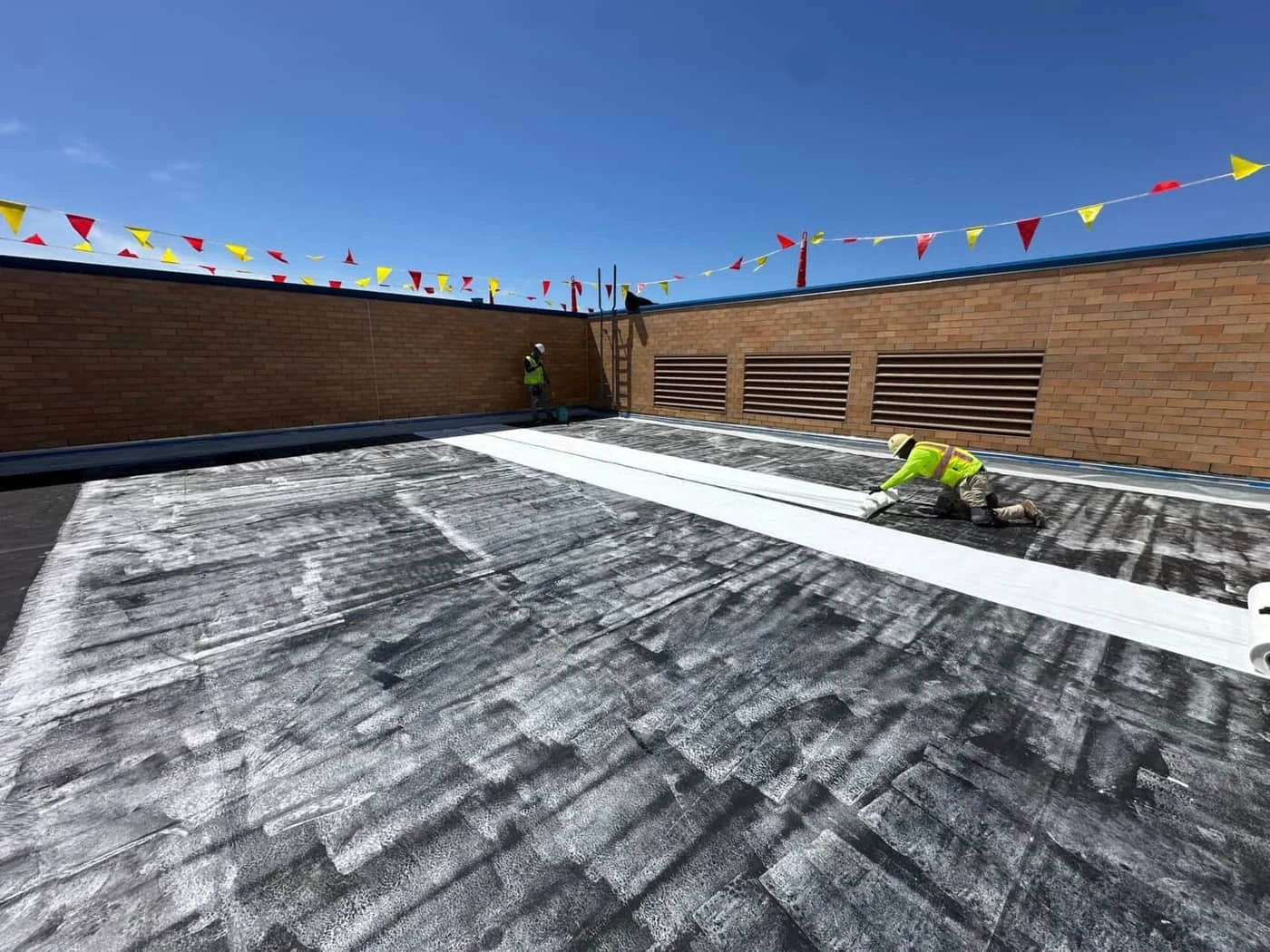
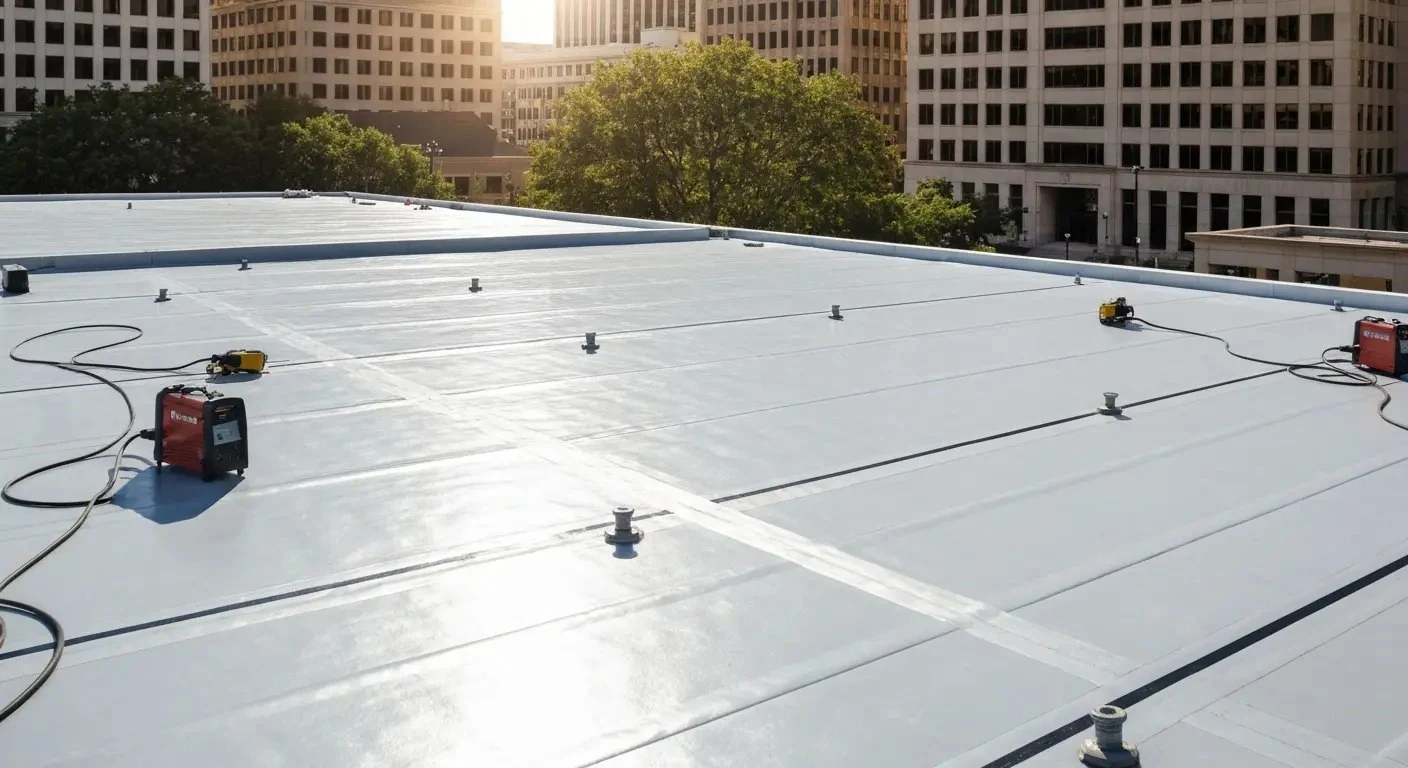
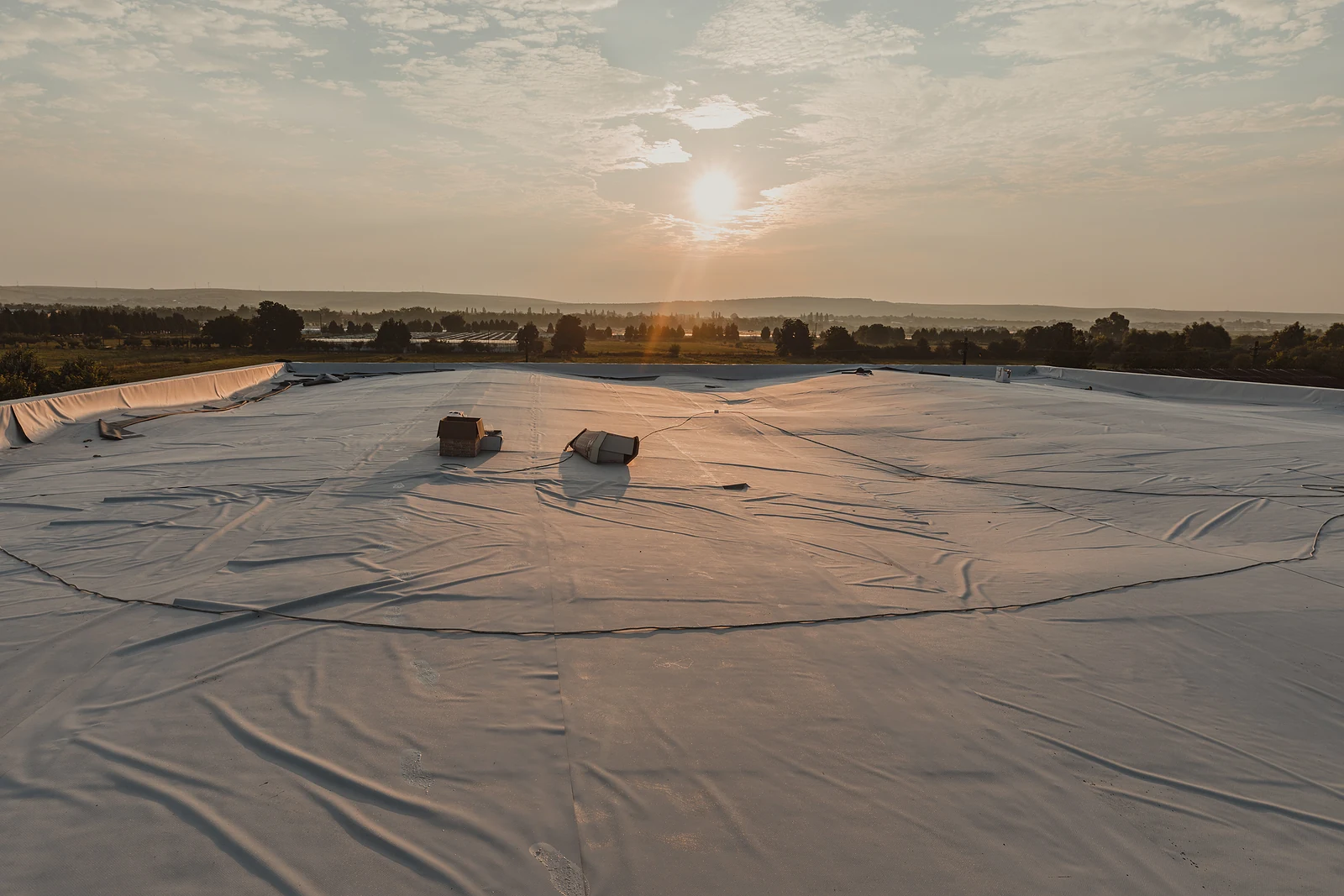
Roof recover and overlay assessments for Salem government, healthcare, and commercial buildings weighing tear-off cost against a phased overlay project.
Commercial Roofing Assessment Framework
Document
Membrane and seams
Trace
Drainage and water paths
Review
Flashings and penetrations
Compare
Repair, recover, coating, replacement
Plan
Access, staging, weather protection
Protect
Occupants, equipment, and operations
Close Out
Photos, details, records, priorities
Roof Recover and Overlay in Salem, OR: Roofing Detail
Recover Versus Tear-Off: The Decision Owners Actually Face
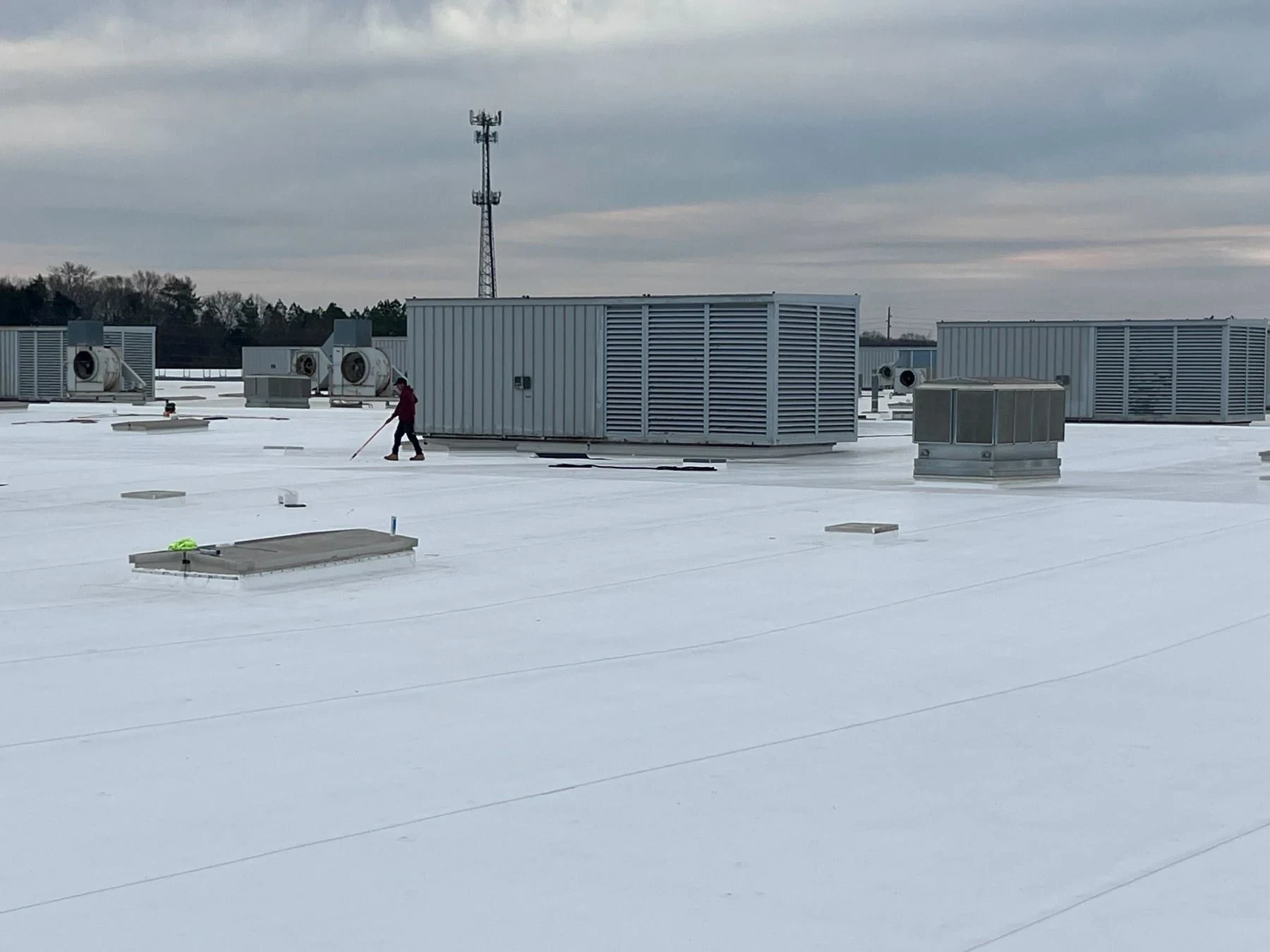
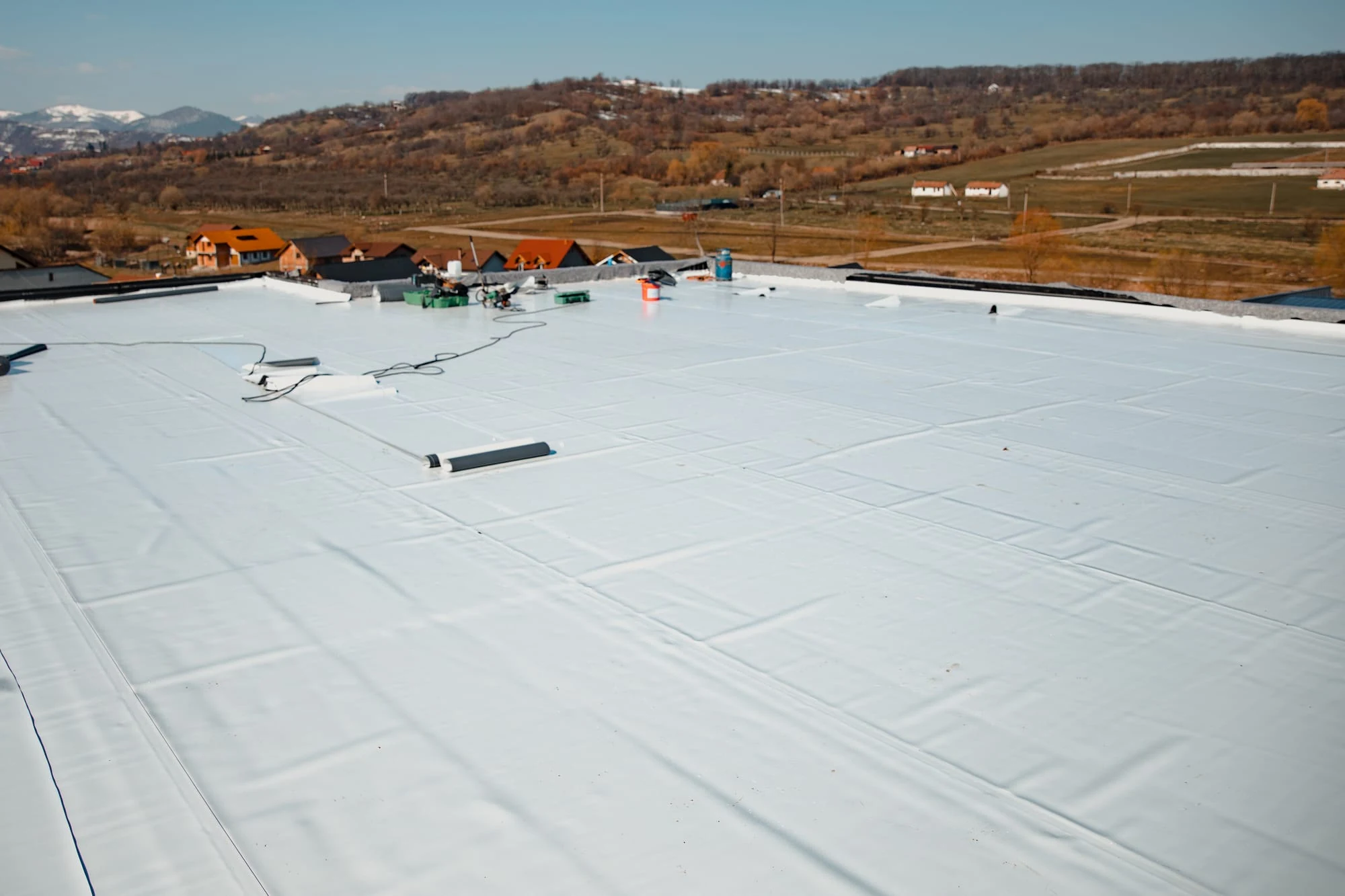
A roof recover installs a new membrane system over an existing roof rather than removing it first, and for the right building it's the most cost-effective way to get another 15 to 20 years out of a roof without the disruption or expense of a full tear-off. It's also a decision that gets made wrong often enough that we treat the assessment itself as the important part of the job, not the installation.
When a Salem Roof Is a Recover Candidate
A roof can only be recovered honestly if the existing substrate is dry, the deck is structurally sound, and code allows another layer given how many are already there. We core-sample before we recommend either option - a roof that looks fine from a walk-through can have saturated insulation underneath, and installing a new membrane over wet insulation just seals the moisture in and accelerates deck damage that eventually forces a much more expensive emergency replacement.
Core sampling on a Salem roof usually means pulling several sample points across the field, weighted toward areas near drains, low spots, and any location with a history of interior staining. A single core taken from the driest-looking section of the roof tells you very little about what's happening near a chronic ponding area on the other side of the building.
The Two-Layer Code Limit
Building code generally caps most low-slope roofs at two layers of roofing material, and a lot of Salem's older buildings - particularly downtown and around the university and Capitol Mall area - are already carrying a layer or two from previous recover projects decades ago. Once a roof has hit that limit, recover isn't legally an option regardless of how dry the substrate tests, and tear-off becomes the only path forward no matter what the budget prefers.
Upgrading Insulation During a Recover
A recover is also the practical window to add or upgrade insulation and correct drainage with tapered board, since the roof assembly is already being opened up for new membrane attachment. We build tapered insulation packages into recover projects specifically to address chronic ponding areas - the kind that a coating alone can't fix because it doesn't change the roof's actual slope. That upgrade adds cost to the project, but it's the one point in a roof's life where correcting a long-standing drainage problem is realistic without a full structural rebuild.
- Core sampling and moisture scanning before any recover recommendation
- Code review confirming layer count and recover eligibility
- Tapered insulation upgrades to correct chronic ponding areas
- Recover-compatible membrane systems matched to the existing substrate
- Phased recover scheduling for occupied buildings that can't go dark
Minimizing Disruption on Occupied Buildings
Hospitals, schools, and government offices can't shut down for a roof project, and recover work generally causes less disruption than tear-off because there's no demolition debris, no exposed deck during construction, and a shorter overall project timeline. We phase recover projects across a hospital or agency roof in sections specifically to keep the building operating underneath the work, which matters more to those owners than the material cost difference between recover and replacement.
When Recover Is the Wrong Call
We turn down recover projects when the substrate comes back wet, when the layer count is already at the code limit, or when the existing roof's structural condition doesn't justify adding more weight to the deck. Recommending a recover on a roof that actually needs tear-off saves money in year one and costs considerably more once the deferred problem forces an emergency replacement anyway.
Budget Cycles and Timing the Decision
State agencies, school districts, and property management firms working from an annual or biennial capital budget often need a recover-versus-tear-off decision made well ahead of when the work actually happens, since the funding request has to move through approval before a contract can even be signed. We build our assessments to support that timeline - giving an owner a documented condition report and a cost range early enough that it can go into a budget cycle rather than showing up as a surprise emergency line item.
Waiting until a roof is actively failing to start that budget conversation almost always costs more, both because emergency work carries a premium and because a roof that's failed enough to force the issue has often taken on interior damage that widens the scope of the project well beyond the roof itself.
Owners Ask Us About Recovers
How do I know if my roof qualifies for a recover instead of tear-off?
Core sampling for moisture, a structural review of the deck, and a code check on existing layer count together determine that, not a visual inspection alone.
Is a recover cheaper than a full tear-off?
Generally yes, often significantly, since there's no demolition or disposal cost and installation typically moves faster.
Can insulation be added during a recover?
Yes, and it's often the most sensible time to do it, since the roof assembly is already being opened up for the new membrane attachment.
How many roof layers does code allow before a tear-off is required?
Most jurisdictions cap low-slope roofs at two layers, though the specific limit depends on the applicable building code and roof assembly.
Will a recover project disrupt operations in an occupied building?
Less than a tear-off would. We phase recover work in sections on occupied hospitals, schools, and agency buildings to keep the facility operating during construction.
Assessment Priorities
Membrane condition, seams, flashings, penetrations, drains, scuppers, edge metal, rooftop equipment, traffic patterns, and visible moisture evidence are reviewed together before a repair, coating, recover, or replacement path is recommended.
Planning Around the Facility
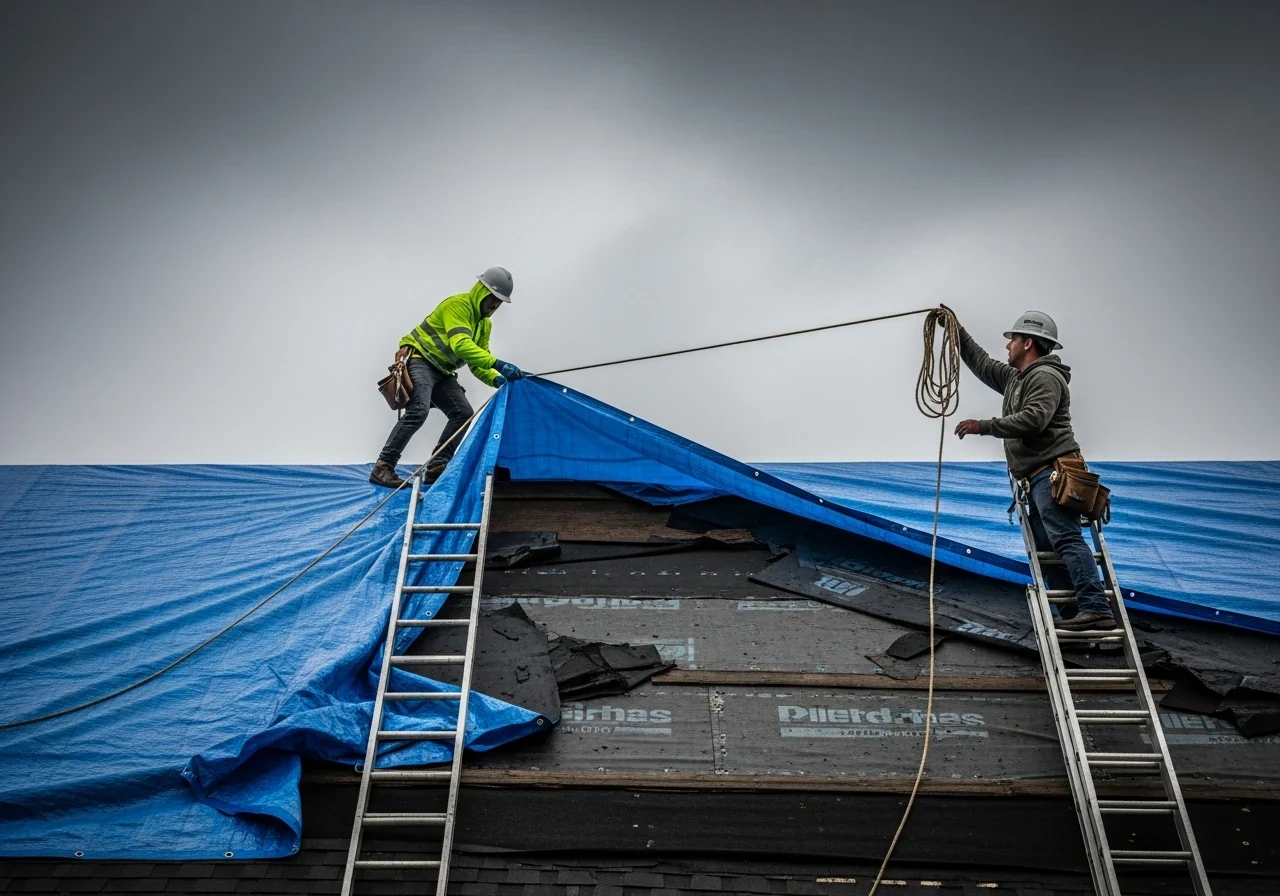
Access, staging, noise, odor, delivery windows, weather protection, occupied spaces, interior protection, and daily dry-in procedures are planned for the way the commercial property must continue operating.
From Findings to a Clear Scope
Observed conditions are documented so building owners and facility teams can compare immediate repairs, maintenance priorities, system options, budget timing, and closeout requirements without losing sight of the building below the deck.
Ready to review the roof scope?
Commercial Roofing Services
1 of 2
Commercial Roofing Across the Salem Area