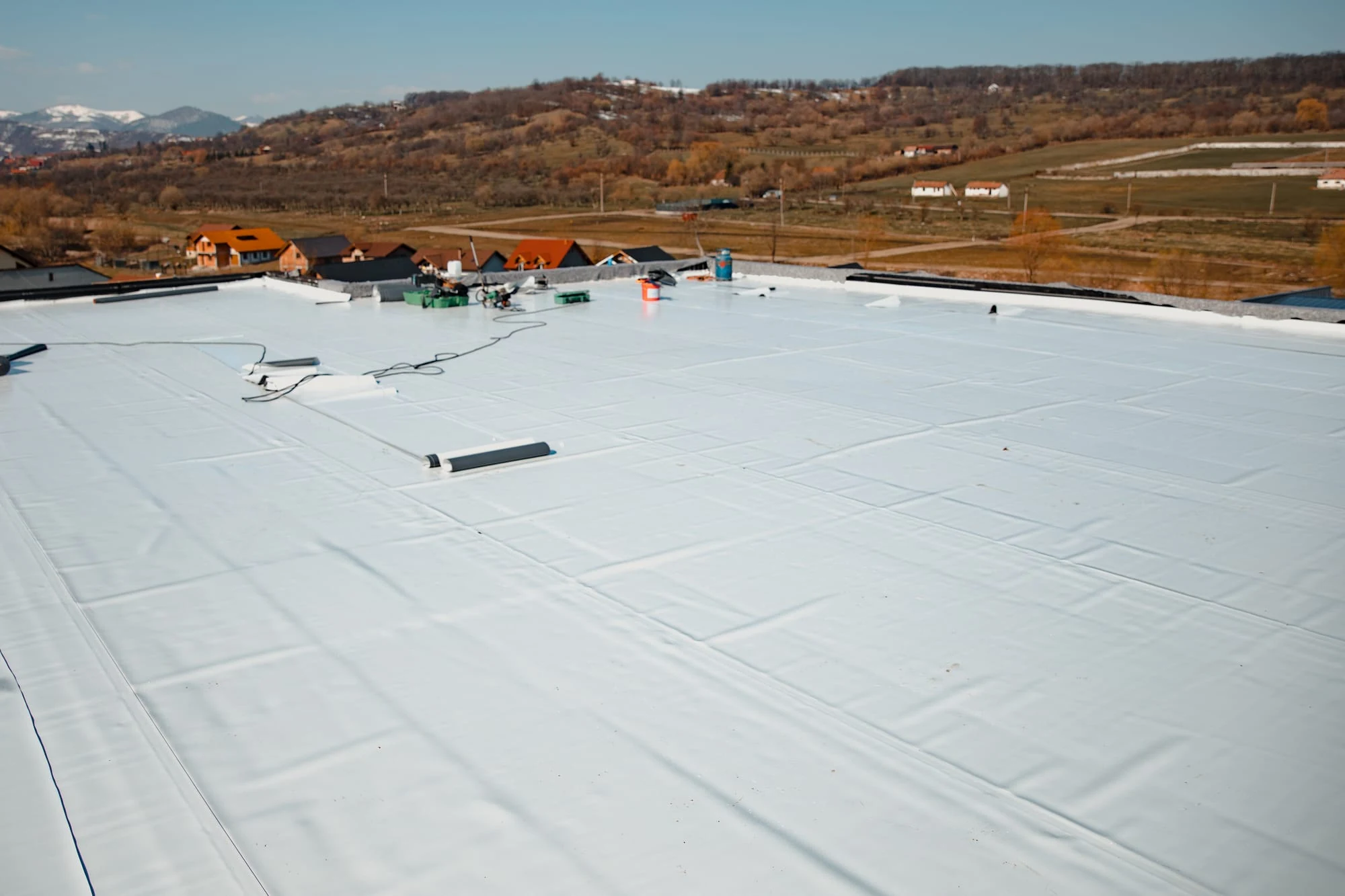
Standing Seam Metal Roofing in Salem, OR
Commercial Roofing ServicesServing Salem and the central Willamette Valley
Request a Roof Assessment
Commercial roofing in Salem, Oregon
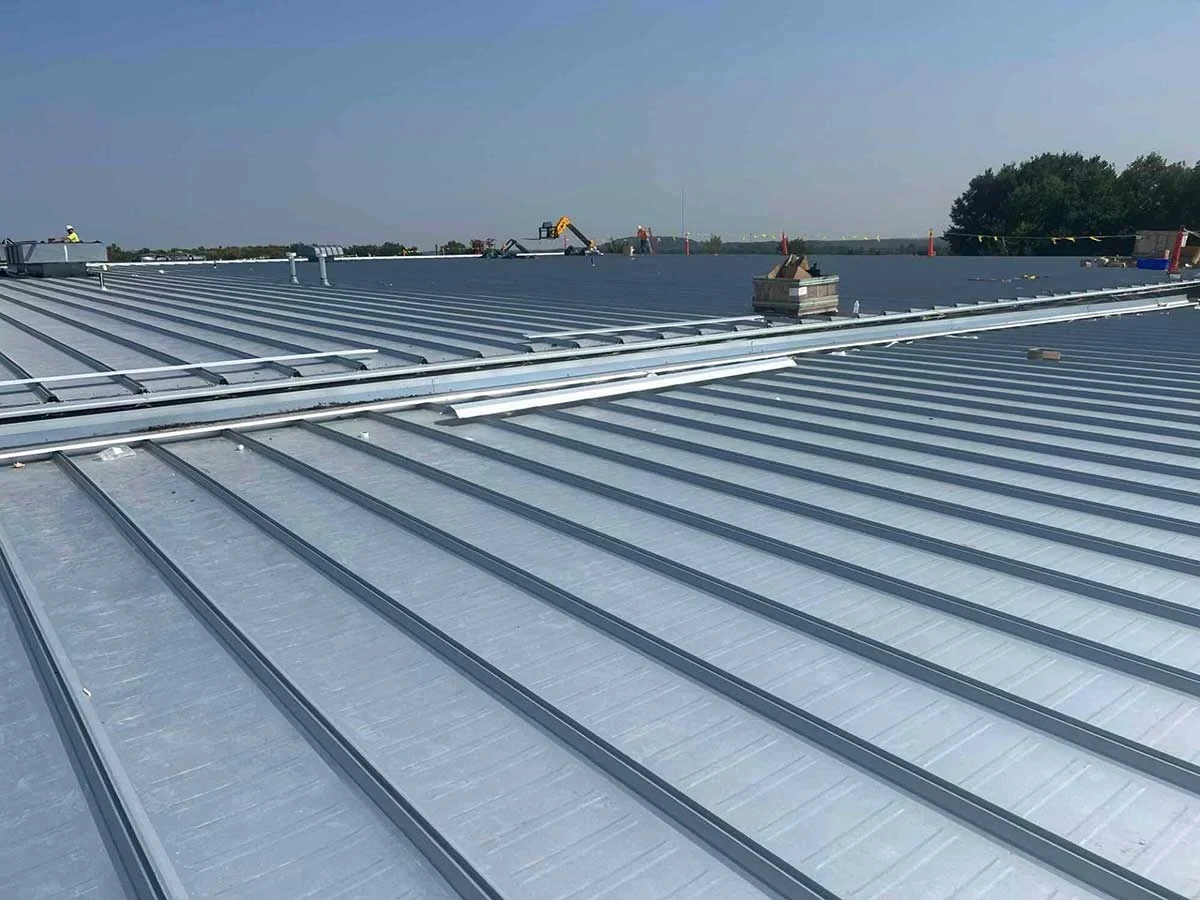
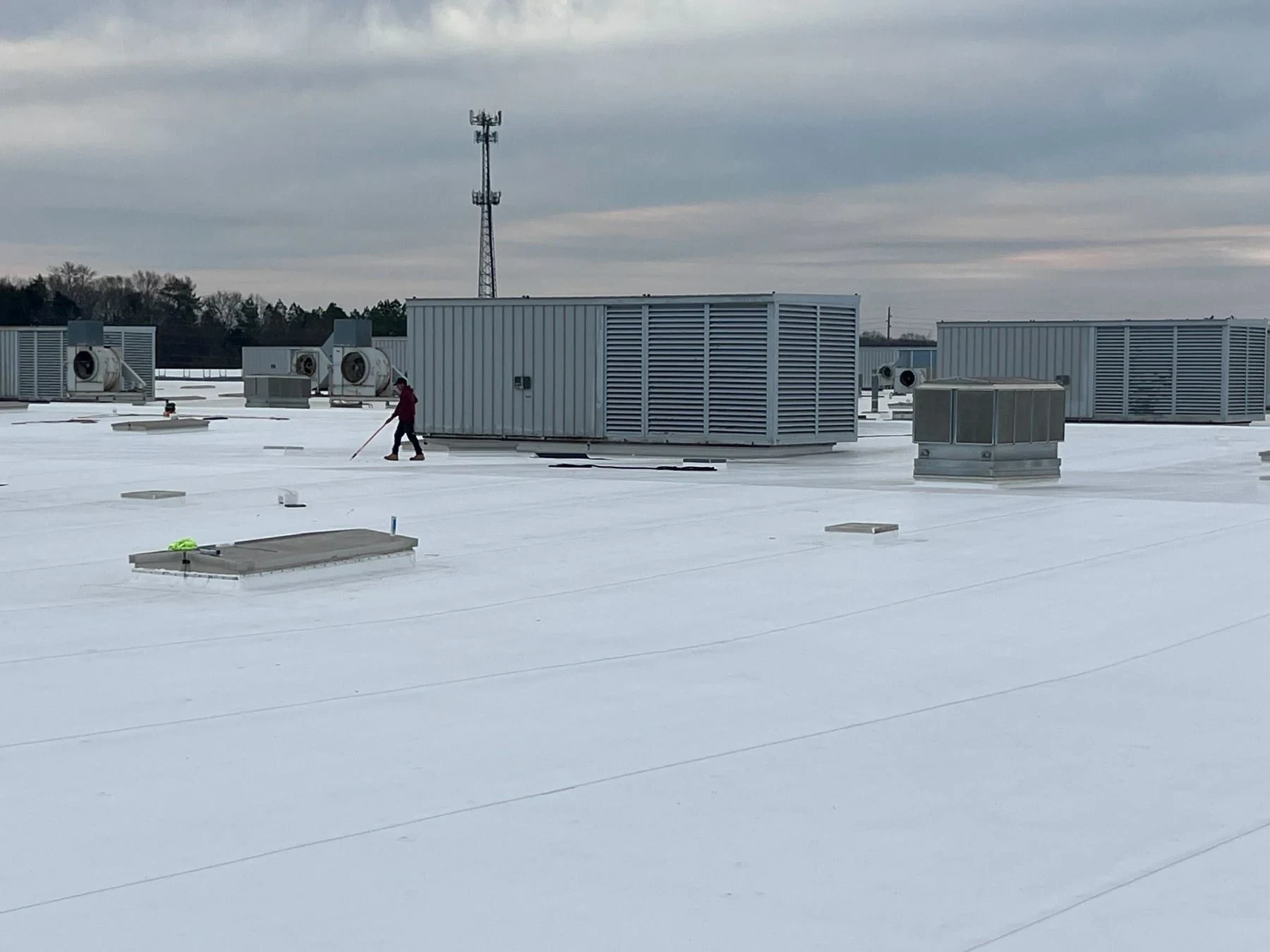
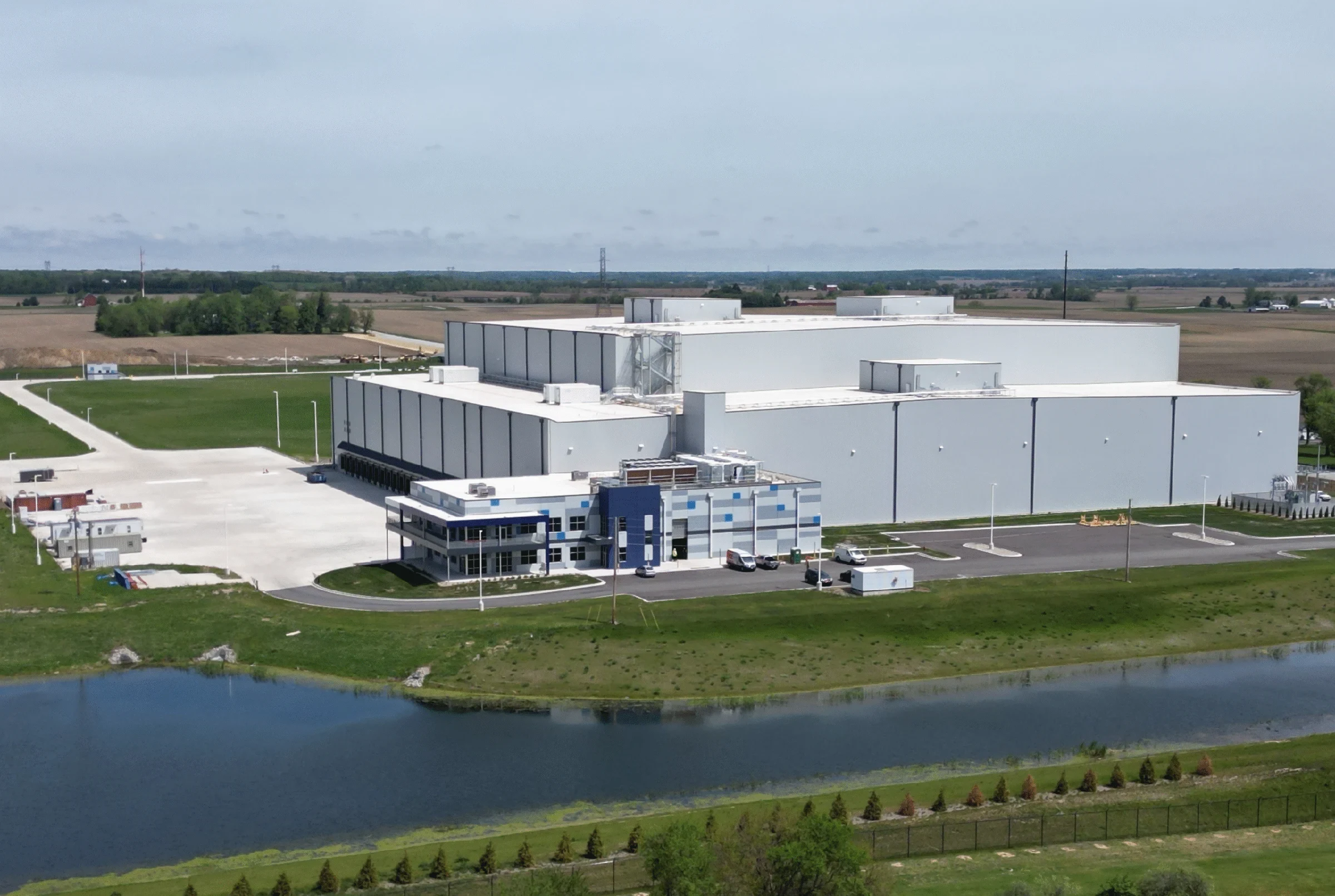
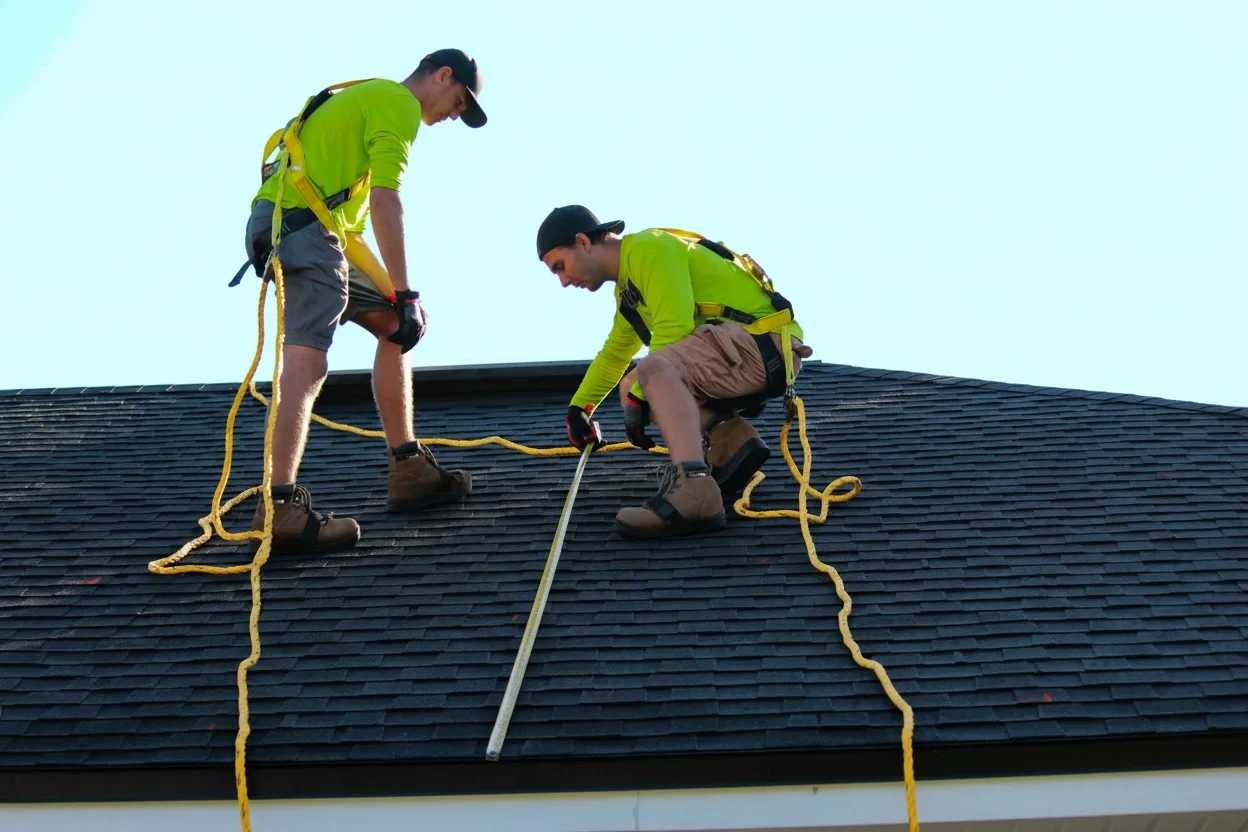
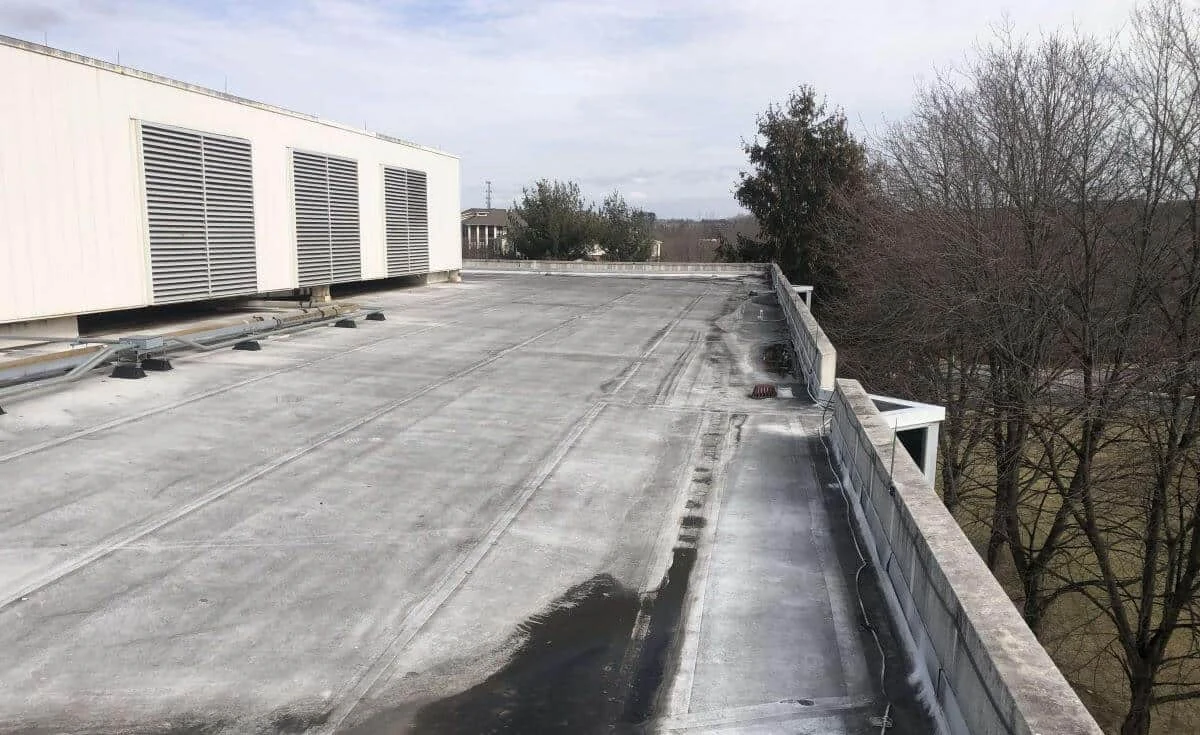
Standing seam metal roofing for Salem-area ag-processing, storage, and light-industrial buildings, with concealed fasteners built for long service life.
Commercial Roofing Assessment Framework
Document
Membrane and seams
Trace
Drainage and water paths
Review
Flashings and penetrations
Compare
Repair, recover, coating, replacement
Plan
Access, staging, weather protection
Protect
Occupants, equipment, and operations
Close Out
Photos, details, records, priorities
Standing Seam Metal Roofing in Salem, OR: Roofing Detail
Standing Seam Metal for Salem's Ag-Industrial Buildings
Standing seam metal roofing shows up across the agricultural and light-industrial buildings on the edges of Salem, where processing, storage, and equipment buildings connected to the valley's hop, berry, and hazelnut operations often go up as pre-engineered metal structures from the start. Its concealed-fastener design is the reason it's held up better on those buildings than the exposed-fastener alternative over the long run.
Why Concealed Fasteners Matter in This Climate
Exposed-fastener metal panels rely on a screw driven through the panel face with a rubber washer sealing the hole. Every one of those washers is a potential leak point, and washers degrade faster than the metal panel around them, especially with the amount of UV and moisture cycling Salem sees across a wet-then-dry annual pattern. Standing seam panels interlock along raised seams with no fasteners penetrating the panel face at all, which removes that entire category of failure point.
Mechanically Seamed Versus Snap-Lock Systems
We install both mechanically seamed and snap-lock standing seam systems depending on the roof slope, span, and wind exposure. Mechanically seamed panels, folded and crimped with a seaming machine on site, give better wind and water resistance on low-slope or high-exposure applications. Snap-lock panels install faster and cost less, and they perform well on steeper-slope buildings where wind uplift and water infiltration risk is lower to begin with.
We make that call based on the specific building rather than a default preference for one system over the other. A processing or storage building near the open farmland edges of the valley, where wind runs unobstructed across flat fields, gets a different recommendation than a similar building tucked into a denser industrial park closer to the city core.
Thermal Movement and Clip Design
Metal panels expand and contract with temperature swings, and a roof that sees Salem's range - cold, damp winter mornings through warm July afternoons - needs clips that let the panel move without tearing loose from the structure. Fixed clips that don't accommodate that movement are one of the more common causes of seam failure we find on standing seam roofs that were installed by a crew unfamiliar with the system.
We see this most on buildings where a crew more experienced with exposed-fastener panels took on a standing seam project without adjusting their clip layout for the longer panel runs common on ag-processing and storage buildings. A clip spacing that works fine on a short residential run can be inadequate on a 150-foot processing building roof, and the seam telegraphs that mismatch within the first few years.
- Mechanically seamed panels for low-slope and high-wind-exposure buildings
- Snap-lock panels for steeper-slope, lower-exposure structures
- Floating clip systems designed for thermal expansion and contraction
- Concealed-fastener detailing at eaves, ridges, and penetrations
- Panel and seam inspection following high-wind events
Where Standing Seam Fits Best Around Salem
We spec standing seam most often for ag-processing and storage buildings, equipment barns, and light-industrial structures where the building owner wants a 40-plus-year roof and is willing to pay the premium over exposed-fastener metal to get it. For a lower-budget storage building where a 20 to 25 year service life is acceptable, R-panel remains a reasonable option instead.
Coating and Recoating an Aging Standing Seam Roof
A standing seam roof that's ten or fifteen years in often shows chalking or fading in its factory finish well before the panels or seams themselves are in any structural trouble. That's typically a coating opportunity rather than a replacement conversation - a reflective recoat restores much of the finish's original performance and buys years before the panel material itself becomes the limiting factor.
We inspect seam and fastener condition at the same time as any recoat evaluation, since a coating won't do anything for a failing seam clip or a loose ridge cap. Those get addressed as part of the same project rather than left for a separate service call later.
Gutters, Downspouts, and Edge Detail
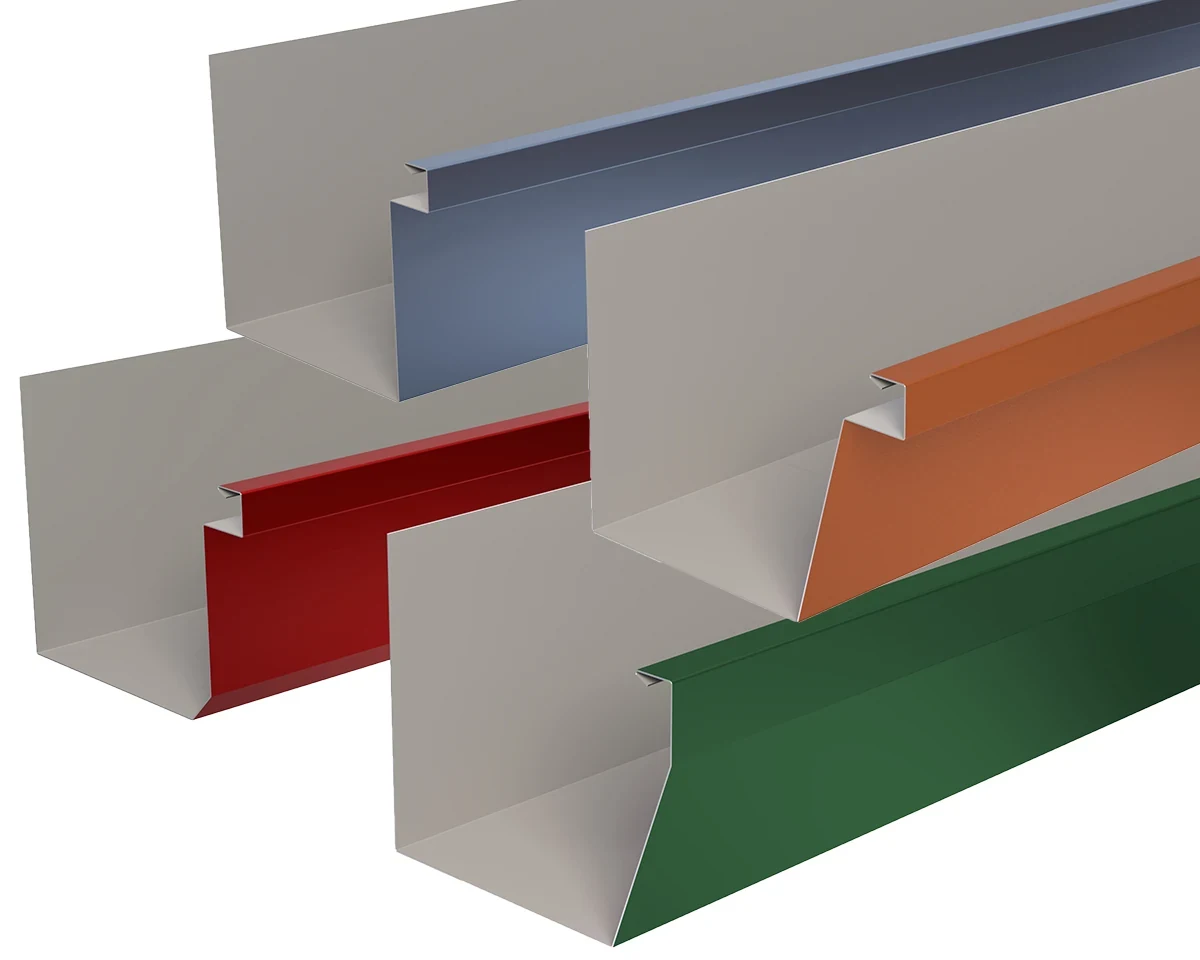
A standing seam roof only performs as well as the gutter and downspout system carrying water away from it, and on a building running full-length panel runs, the volume of water hitting the eave during a heavy Willamette Valley storm can overwhelm an undersized gutter fast. We size and inspect gutter capacity as part of a standing seam project rather than treating it as a separate line item the owner has to remember on their own.
Downspouts that discharge too close to the building foundation are a common oversight on older ag-industrial buildings, and we'll flag that during an inspection even when it falls slightly outside the roof scope, because water backing up against a foundation eventually becomes a roofing problem too, through splash-back onto lower wall sections and soffits.
Standing Seam Metal Roofing Questions
How long does a standing seam roof last around Salem?
Commonly 40 to 60 years for the panel itself, though the finish coating, fasteners at trim and flashing, and sealant details need periodic attention well before the panels themselves wear out.
Is standing seam worth the extra cost over R-panel?
For a long-hold ag or industrial building, usually yes, given the reduced leak risk from removing exposed fasteners. For a shorter planning horizon, R-panel can be the more practical choice.
Can standing seam be installed over an existing metal roof?
Sometimes, depending on the existing panel condition and structural capacity. We evaluate the existing roof before recommending a recover instead of a tear-off.
Do standing seam roofs need regular maintenance?
Yes - sealant at penetrations, gutter and downspout condition, and fastener integrity at trim pieces should be checked periodically even though the field panels themselves are largely maintenance-free.
What causes most standing seam leaks you find?
Failed flashing and sealant details at penetrations and transitions far more often than the seams or panels themselves, which is why we focus inspection time there first.
Assessment Priorities
Membrane condition, seams, flashings, penetrations, drains, scuppers, edge metal, rooftop equipment, traffic patterns, and visible moisture evidence are reviewed together before a repair, coating, recover, or replacement path is recommended.
Planning Around the Facility
Access, staging, noise, odor, delivery windows, weather protection, occupied spaces, interior protection, and daily dry-in procedures are planned for the way the commercial property must continue operating.
From Findings to a Clear Scope
Observed conditions are documented so building owners and facility teams can compare immediate repairs, maintenance priorities, system options, budget timing, and closeout requirements without losing sight of the building below the deck.
Ready to review the roof scope?
Commercial Roofing Services
1 of 2
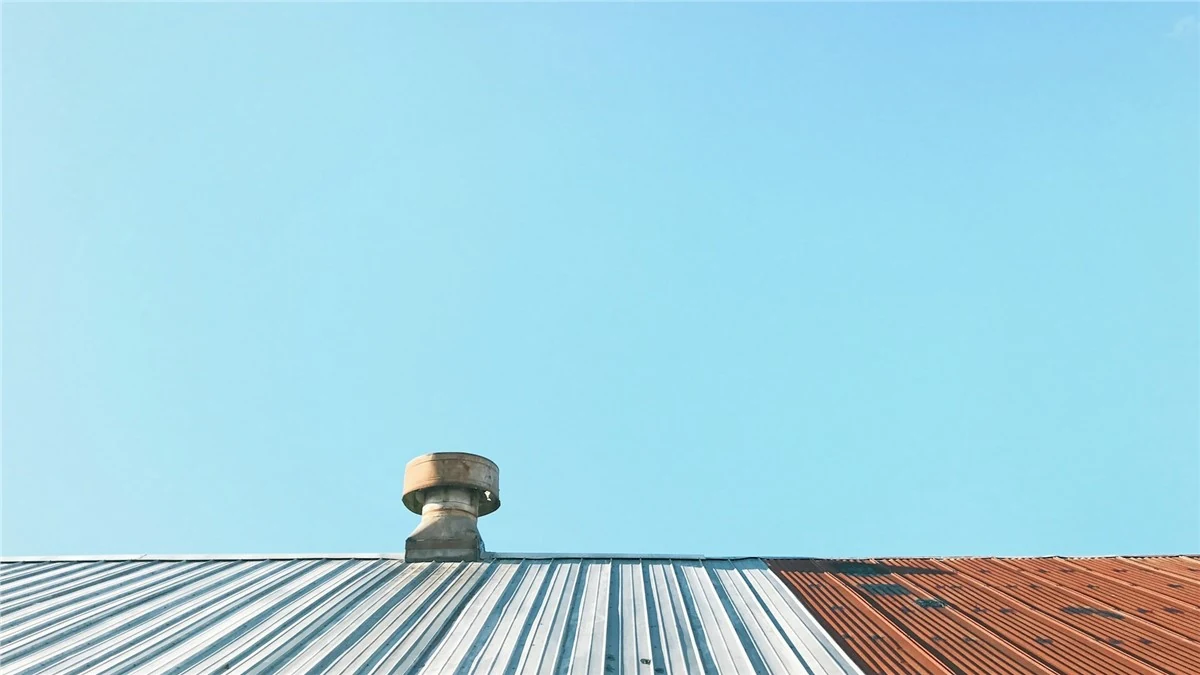
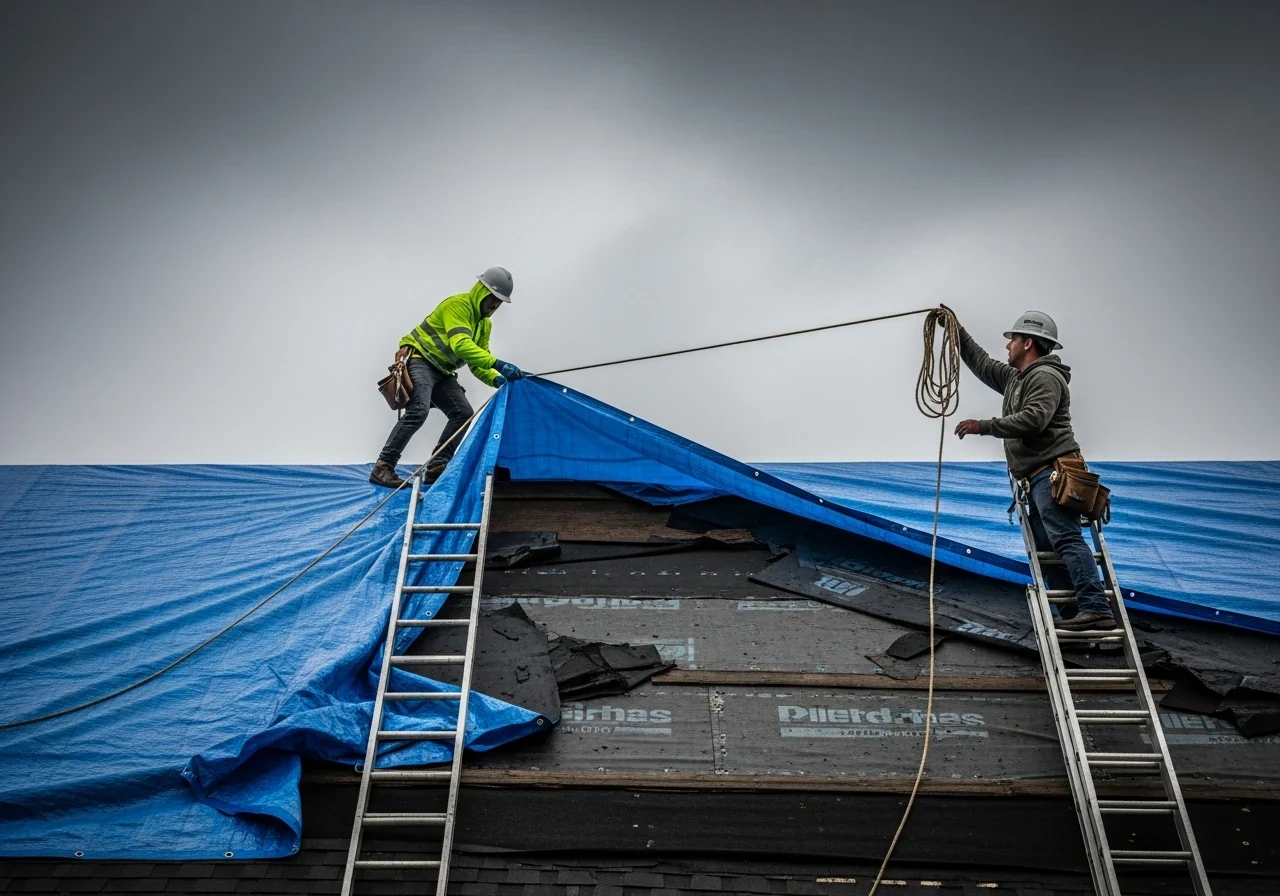
Commercial Roofing Across the Salem Area