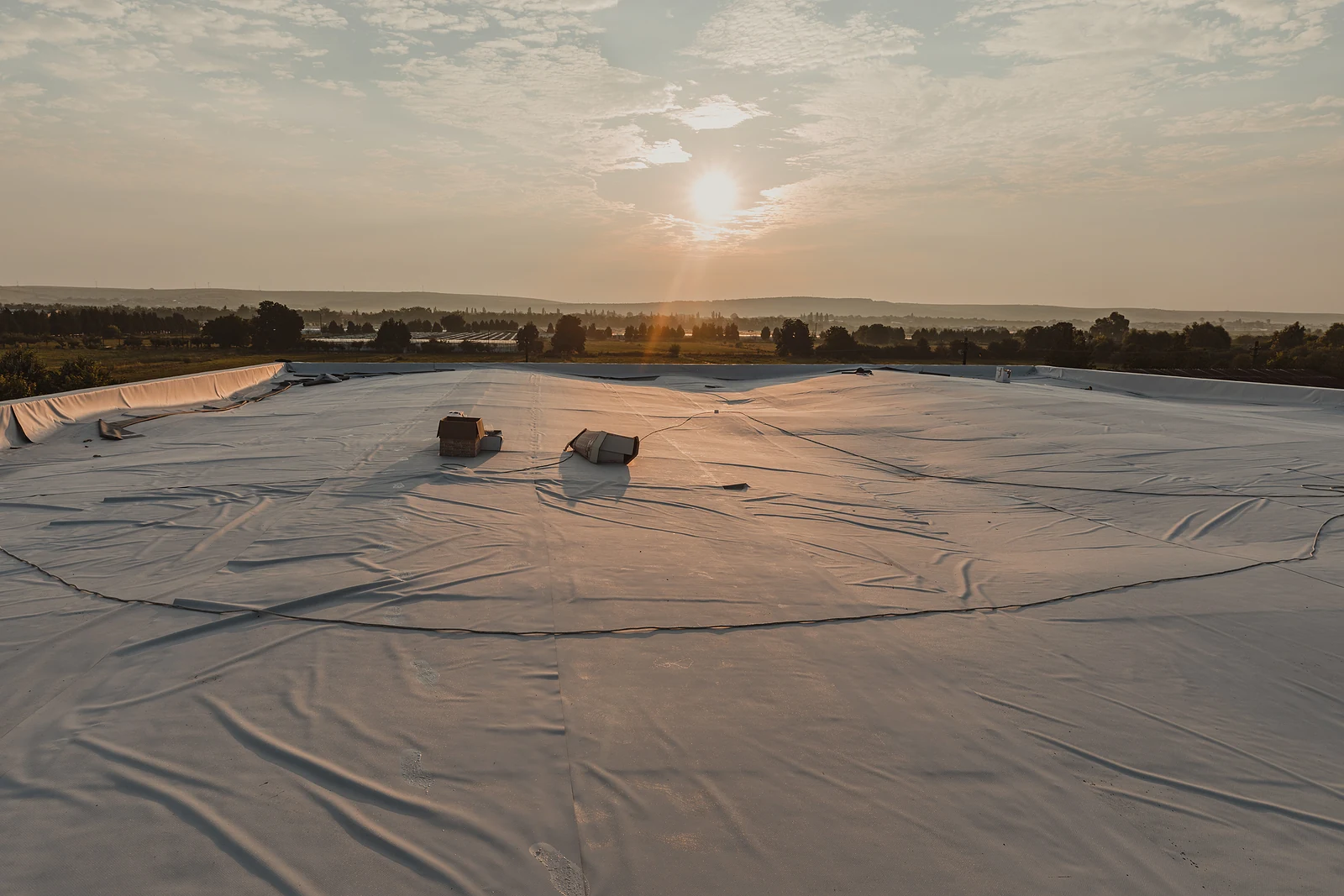
TPO Single-Ply Roofing in Salem, OR
Commercial Roofing ServicesServing Salem and the central Willamette Valley
Request a Roof Assessment
Commercial roofing in Salem, Oregon
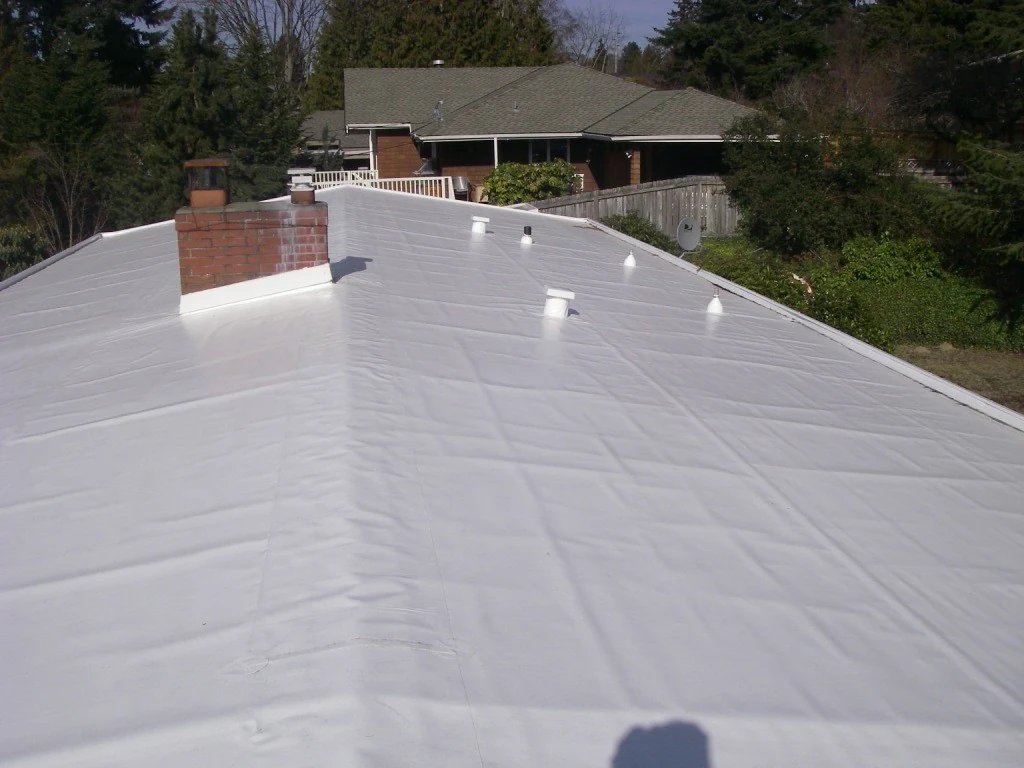
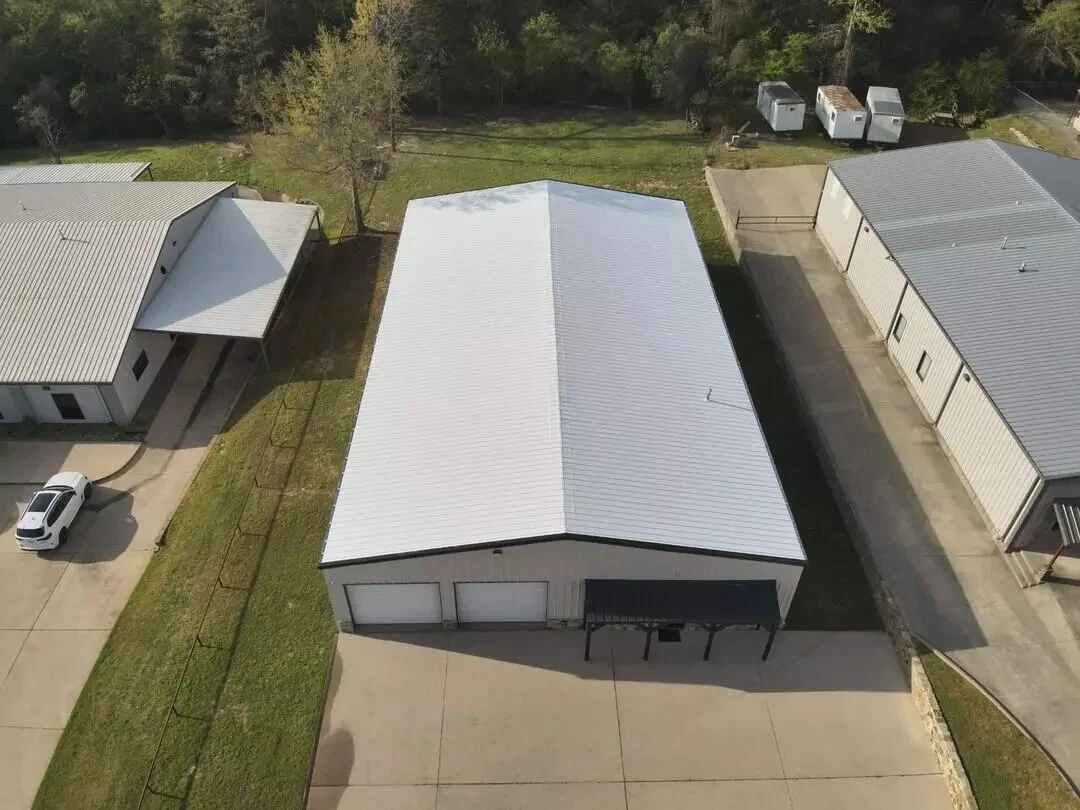
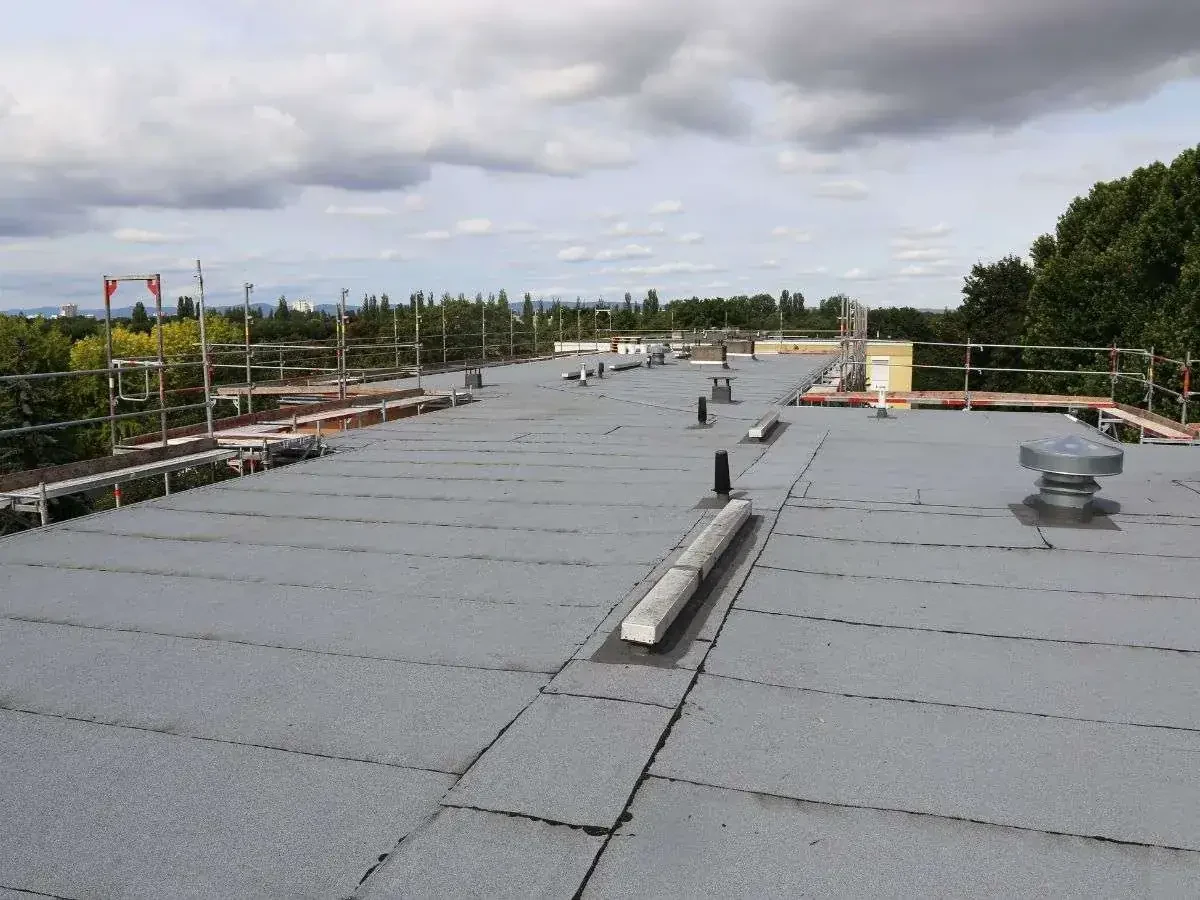
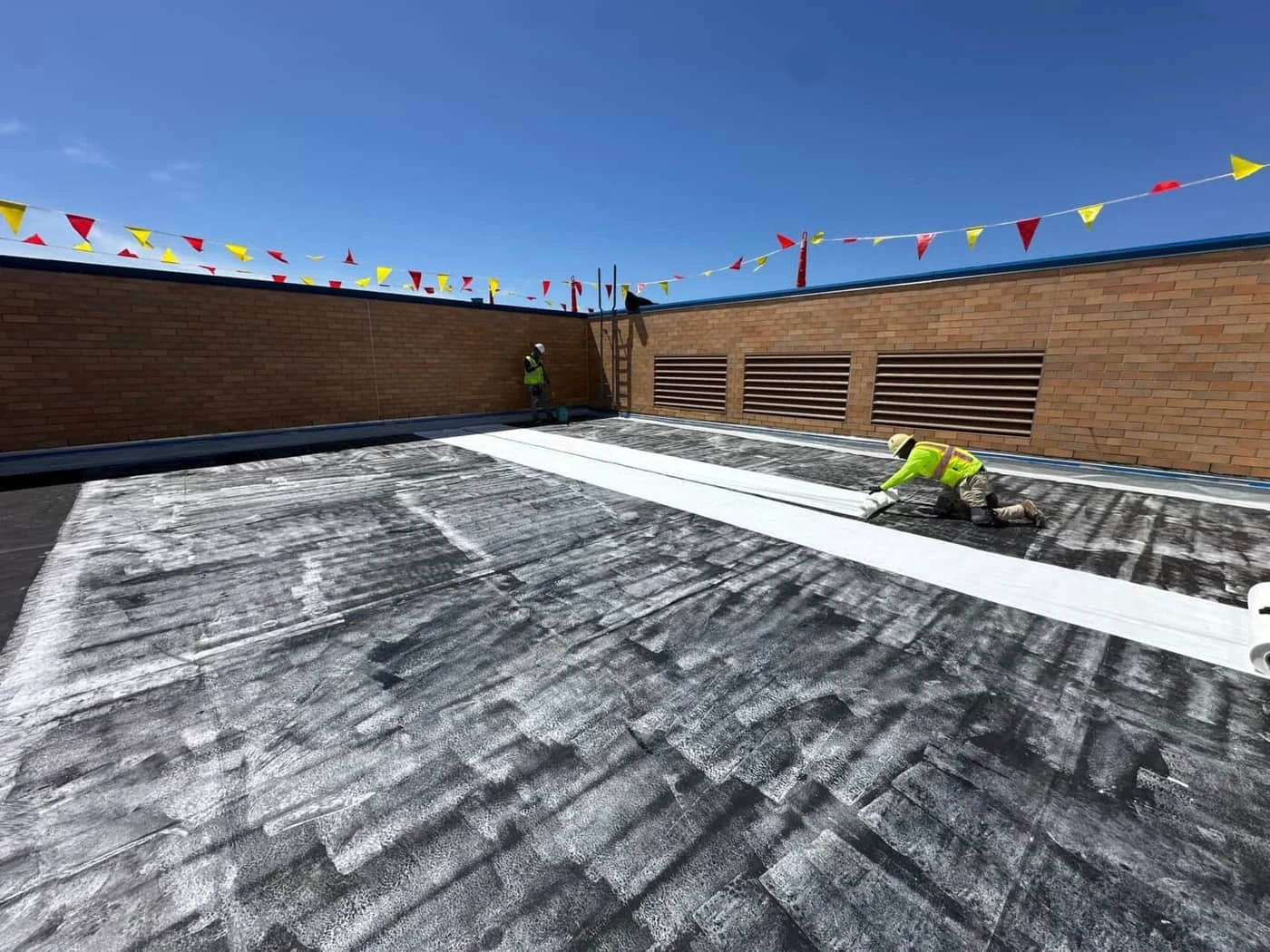
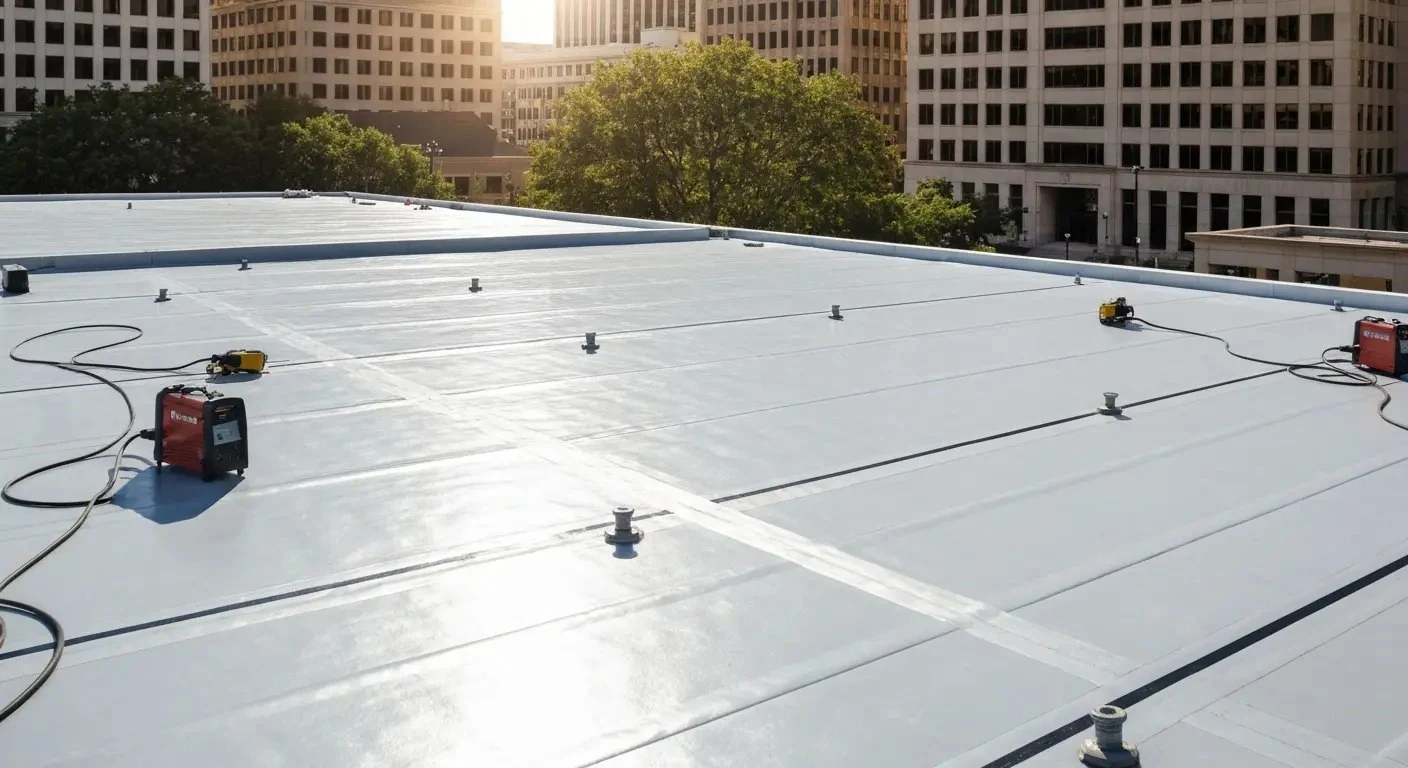
TPO single-ply roof installation and repair for Salem warehouses, retail, and institutional buildings, with welded-seam testing built for nine wet months a year.
Commercial Roofing Assessment Framework
Document
Membrane and seams
Trace
Drainage and water paths
Review
Flashings and penetrations
Compare
Repair, recover, coating, replacement
Plan
Access, staging, weather protection
Protect
Occupants, equipment, and operations
Close Out
Photos, details, records, priorities
TPO Single-Ply Roofing in Salem, OR: Roofing Detail
TPO Membrane for Salem's Flat and Low-Slope Roofs
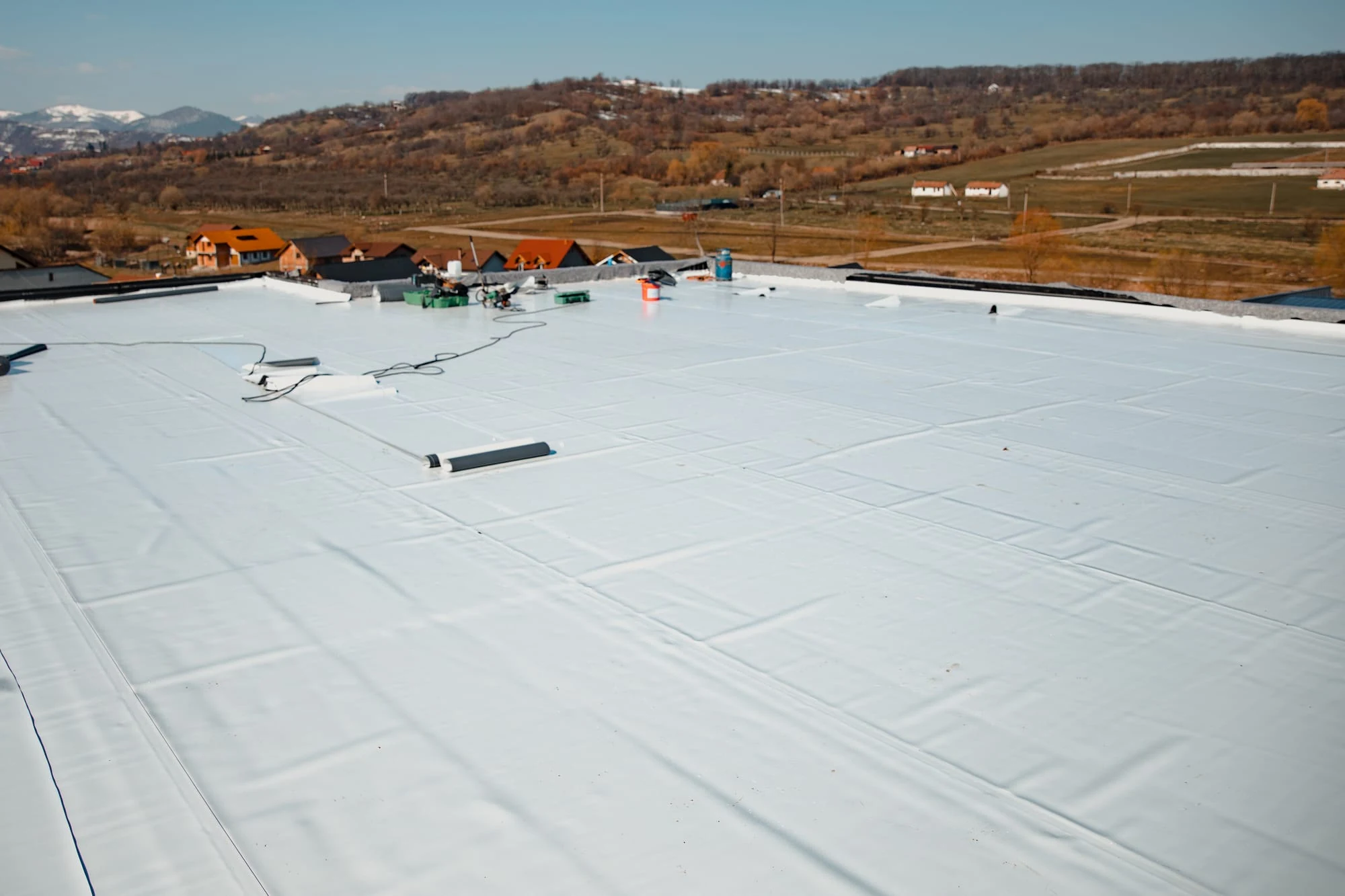
TPO is the single-ply membrane we install most often on new commercial construction and full replacements around Salem, and for good reason: heat-welded seams hold up better against nine months of standing moisture than almost any other seaming method we install.
Why Heat-Welded Seams Matter Here
Most single-ply failures don't start in the field of the membrane. They start at a seam that was taped or glued instead of welded, and that opens a hairline gap after a few freeze-thaw cycles or a season of ponding water sitting against it. TPO seams are hot-air welded, which fuses the two sheets into one continuous piece of material rather than bonding them with adhesive.
On a roof that sees rain on and off for the better part of nine months, that difference shows up in the fifth year, not the first. We test every welded seam with a probe during installation rather than relying on a visual check alone, and we log the results against a roof plan so there's a record of where every seam was tested.
That probe testing matters most at T-joints and patch overlaps, where three or four layers of membrane come together and a weld has to be done carefully to fuse cleanly. A rushed crew skips or shortcuts that detail work, and it's almost always where a TPO roof starts leaking first, usually a year or two after installation once the original caulk or sealant has had time to fail.
Reflectivity in a Climate That Doesn't Look Like It Needs It
Salem doesn't get the triple-digit summer stretches of eastern Oregon, but the valley still sees enough sustained heat in July and August that a dark roof membrane raises rooftop unit run time and shortens the membrane's own service life through UV and thermal cycling. A white TPO membrane keeps roof surface temperatures well below a black membrane on the same building, which matters most on buildings with rooftop mechanical loads - grocery stores, medical clinics, and food processing facilities running refrigeration.
The reflectivity advantage fades over time as the membrane picks up dirt and biological film, which is one more reason we recommend a periodic wash-down as part of a maintenance plan rather than treating TPO as a install-and-forget system. A membrane that's lost most of its reflectivity to years of grime isn't doing the building's cooling load any favors, even though the material underneath is still sound.
Flashing and Drainage Detail Work
The membrane field on a TPO roof rarely fails first. Flashing at parapets, curbs, and drains does, because those details involve more welding, more corners, and more places for water to test a seam under pressure rather than just sitting on a flat plane. We spend a disproportionate amount of install time on those details for exactly that reason.
Roof drains and scuppers get particular attention on a Salem installation, since a properly detailed drain with correctly sloped tapered insulation around it is what keeps water moving off the roof during the kind of multi-day rain events the valley gets through the winter. A poorly flashed drain will still let water through even if the membrane itself is flawless.
Where We Use TPO Around Salem
TPO fits large, simple roof planes best - the big-box retail buildings along Lancaster Drive, distribution and light-industrial buildings off Fairview Industrial Drive, and new institutional construction where a wide reflective membrane and a clean warranty package matter to the owner. It's less suited to roofs with heavy penetration density or complicated flashing, where a fully-adhered system with more flexible detailing can be the better call.
- Mechanically attached systems for large open roof fields
- Fully adhered systems where wind uplift or code requires it
- 60-mil and 80-mil thicknesses depending on traffic and exposure
- Walkway pads at rooftop unit service paths
- Tapered insulation packages built into the system for positive drainage
Timing an Installation Around the Wet Season
TPO installation needs a dry, clean substrate to weld properly, which means we plan replacements for the drier stretch between late spring and early fall whenever the schedule allows it. Owners who wait until October to start a tear-off in Salem are working against the calendar as much as against the contractor. We'll always tell you honestly if a project timeline is pushing into weather that puts the installation at risk.
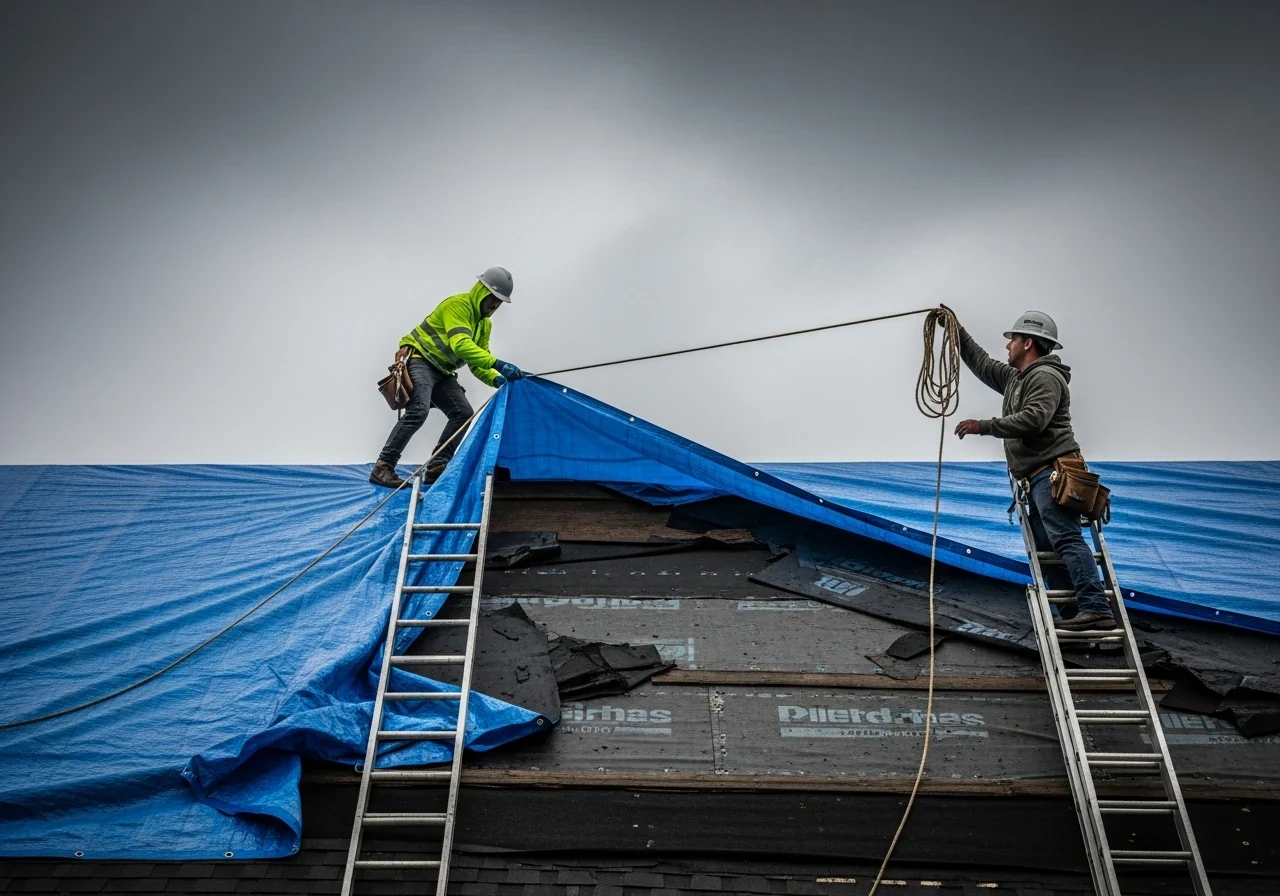
When a project genuinely can't wait for a dry window - an active leak that's already compromised the deck, or a lease deadline that won't move - we can section the work and dry-in exposed areas overnight rather than leaving a full roof open to weather. It costs more than a straightforward dry-season install, and we say so up front instead of after the invoice.
What a Weak TPO Installation Costs an Owner
A poorly welded TPO roof doesn't leak everywhere at once - it leaks at one seam, gets patched, then leaks at the next seam a season later. Owners end up paying for a series of small emergency calls that, added up over a few years, cost more than catching the seam quality at installation would have. We document seam testing at install specifically so that record exists if a warranty question ever comes up.
Common Questions About TPO on Salem Roofs
How long does a TPO roof last in this climate?
A properly installed and maintained TPO system typically runs 20 to 25 years here, though drainage and maintenance history affect that range more than the membrane thickness alone.
Is TPO a good fit for a food processing building?
Often, yes, for the general roof field. Areas near grease-laden exhaust or high heat sources are usually better served by PVC, which resists that kind of chemical exposure better than TPO.
Can TPO be installed over an existing roof?
Sometimes, if the existing substrate is dry and code allows a recover in that specific case. We'll core-sample first - installing new membrane over wet insulation just delays a bigger problem.
What thickness of TPO do you recommend?
80-mil for most commercial applications here, especially anywhere with rooftop traffic for HVAC service. 60-mil can work on lower-traffic roofs with a tighter budget.
Do you offer a warranty on TPO installations?
Manufacturer warranties are available depending on the system and installation method, and we'll walk you through what each warranty tier actually covers before you choose one.
Assessment Priorities
Membrane condition, seams, flashings, penetrations, drains, scuppers, edge metal, rooftop equipment, traffic patterns, and visible moisture evidence are reviewed together before a repair, coating, recover, or replacement path is recommended.
Planning Around the Facility
Access, staging, noise, odor, delivery windows, weather protection, occupied spaces, interior protection, and daily dry-in procedures are planned for the way the commercial property must continue operating.
From Findings to a Clear Scope
Observed conditions are documented so building owners and facility teams can compare immediate repairs, maintenance priorities, system options, budget timing, and closeout requirements without losing sight of the building below the deck.
Ready to review the roof scope?
Commercial Roofing Services
1 of 2
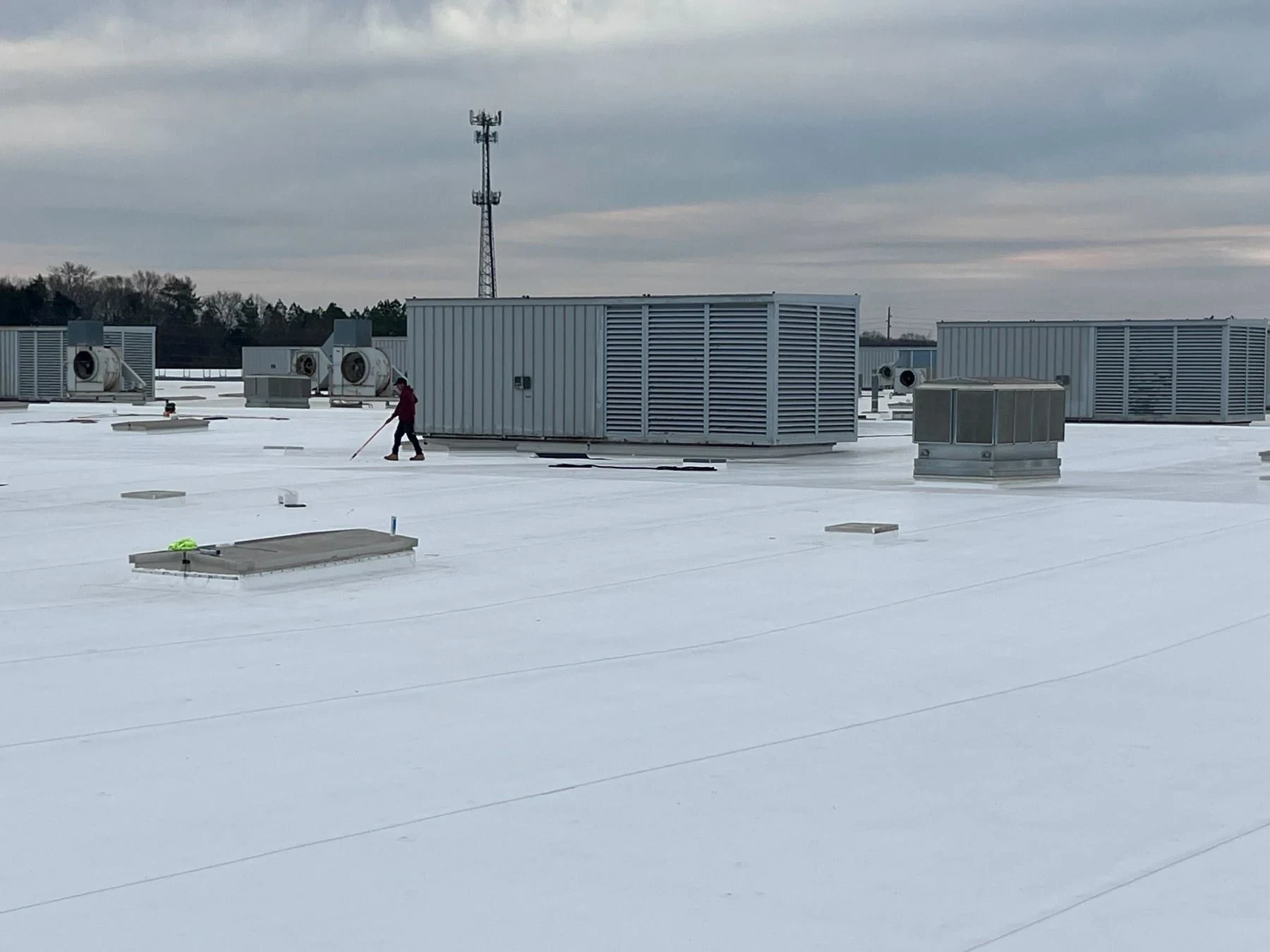

Commercial Roofing Across the Salem Area